#wheelgunwednesday
As I work on the updated Second Edition of Serious Mistakes Gunowners Make, a chapter I’m adding is ‘Not Testing Your Gun.’ Several industry surveys indicate that the average gun purchaser fires less than a box of ammunition through it, perhaps only a cylinder or magazine. However, this is an average and many people never fire their guns at all. Legacy guns, i.e., inheritances and passed down guns, are probably even worse. Not knowing if your gun works or if you can make it work is a Serious Mistake.
One client of mine thought her gun, a S&W revolver, was broken because she couldn’t pull the trigger. When I examined it, there was nothing wrong with it. She just didn’t have the hand strength to pull the trigger. This was fortunate because she found out when she tried to do some shooting that would have been unlawful. Not knowing the laws about shooting is another Serious Mistake but that’s for another post.
Two other clients had revolvers, one cheap and one a nice S&W snub, that wouldn’t fire when they came to the range with me. This was a bit of a shock to them. They shot my revolver adequately but both had to get their revolvers repaired before they were serviceable. Yet another client had a nice S&W Model 36 but had never gotten around in four years to purchasing any ammunition for it. After an attempted burglary, her boyfriend called me to ask if I ‘had any spare bullets.’
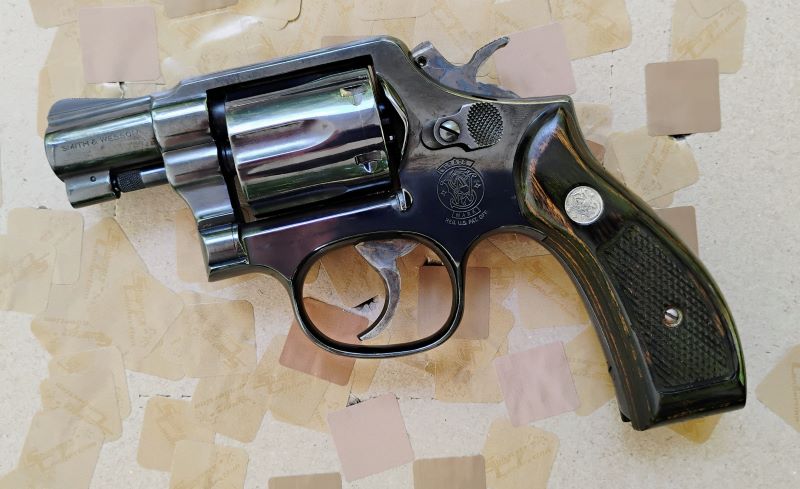
Yesterday, I was able to acquire in a trade a nice S&W Model 10-7 snub. The first thing I did was to head to my gun club to test it. Not only for functionality but also to find where various loads hit because it is a fixed sighted gun. Different bullet weights and velocities can result in a gun hitting at very different points of impact. If the only thing someone is concerned with is hitting a full size Q target at four yards, e.g., the New York State Concealed Carry License Live Fire Proficiency Assessment, https://troopers.ny.gov/minimum-standards-new-york-state-concealed-carry-firearm-safety-training it’s not a big deal. If the target is obscured behind a car 17 yards away and is shooting at you https://www.patreon.com/posts/armed-citizen-132185205, where the bullets hit becomes more important.
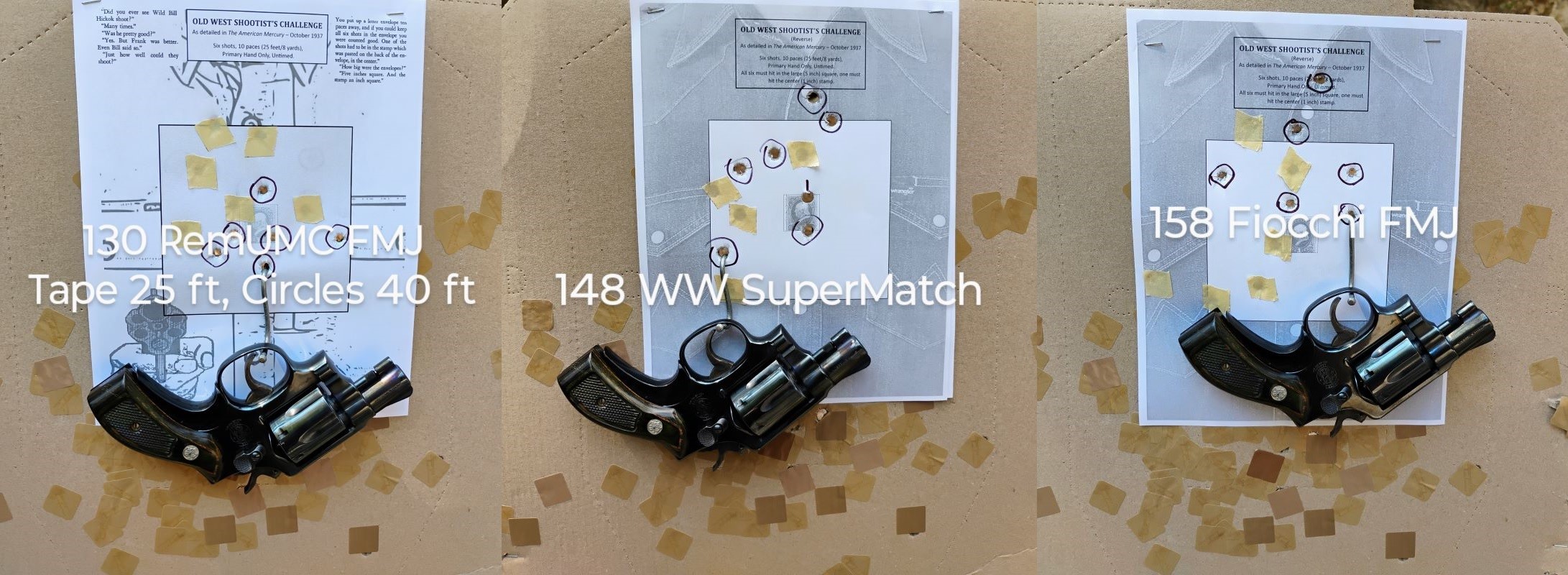
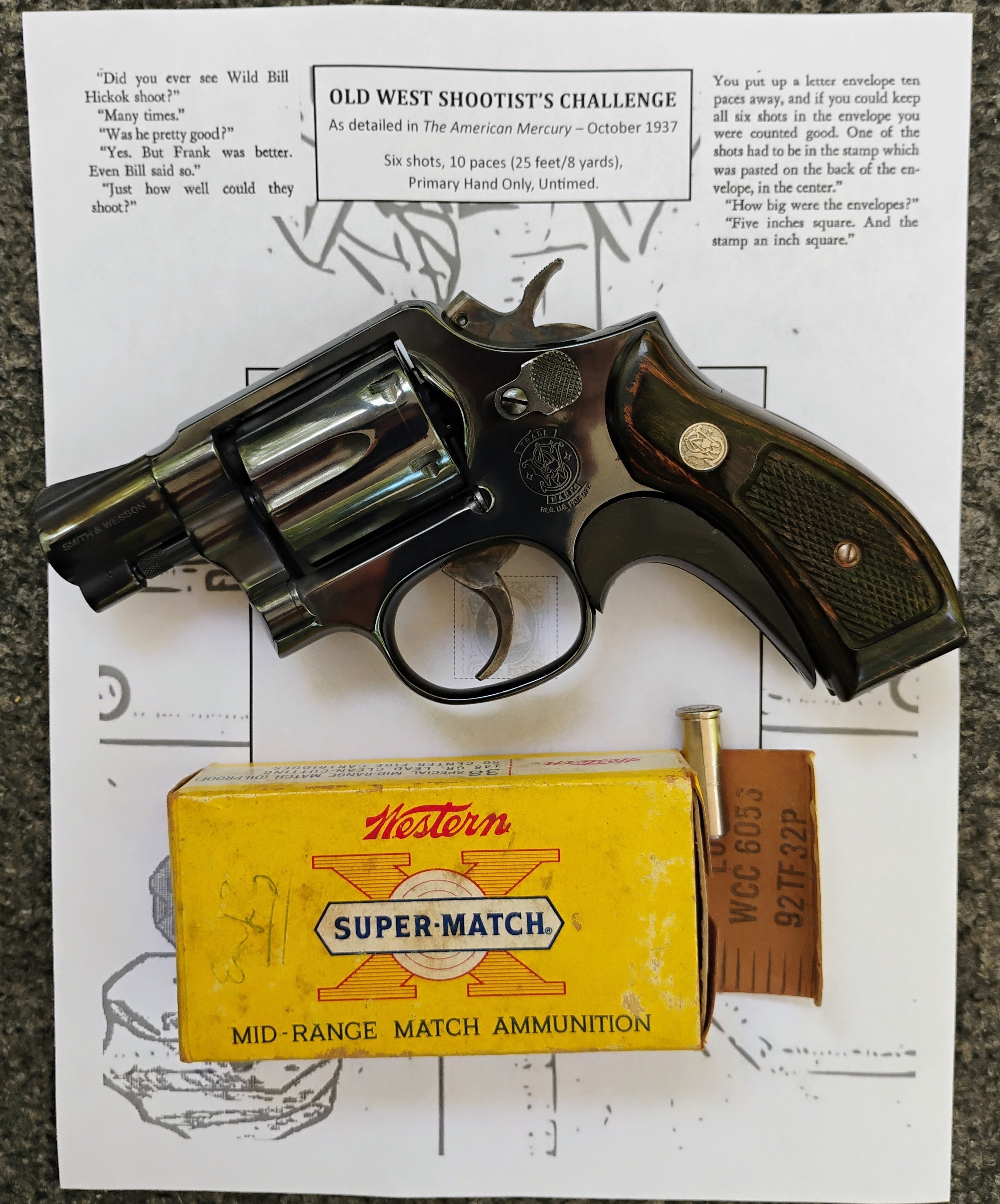
There were three loads that I tested; 158 grain Fiocchi FMJ, 130 grain Remington UMC FMJ, and the last of my 148 grain lead Winchester SuperMatch wadcutters. The test protocol was my Old West Shootist’s Challenge. https://thetacticalprofessor.net/2025/02/05/shootists-challenge-the-final-word/ To it, I’ve added a second string inspired by Marty Robbins’ song Big Iron. “There was 40 feet between them when they stopped to make their play.”
The Shootist’s Challenge now consist of two strings, one at 25 feet and the other at 40 feet.
1) Six shots, 10 paces (25 feet/8 yards), Primary Hand Only, Untimed.
2) Six shots, 40 feet/13 yards, Two Hands, Untimed.
All shots must hit in the large (5 inch) square, one must hit the center (1 inch) stamp.
The Remington 130 FMJ seemed to give the best results.
As I texted to my colleague Chuck Haggard https://agiletactical.com/, “I care a lot less about Magic Bullets than I do about hitting right.”
An interesting thing occurred while shooting the Winchester SuperMatch. One of the rounds had a high primer and simply would not come under the recoil shield. This is why czeching ammo that’s intended for serious social purposes is so important. SuperMatch was considered to be a very high quality ammo in its day but here was a round that couldn’t be made to fire.
The next test was the Washington State Basic Covert Carry/Off-Duty Proficiency Course.
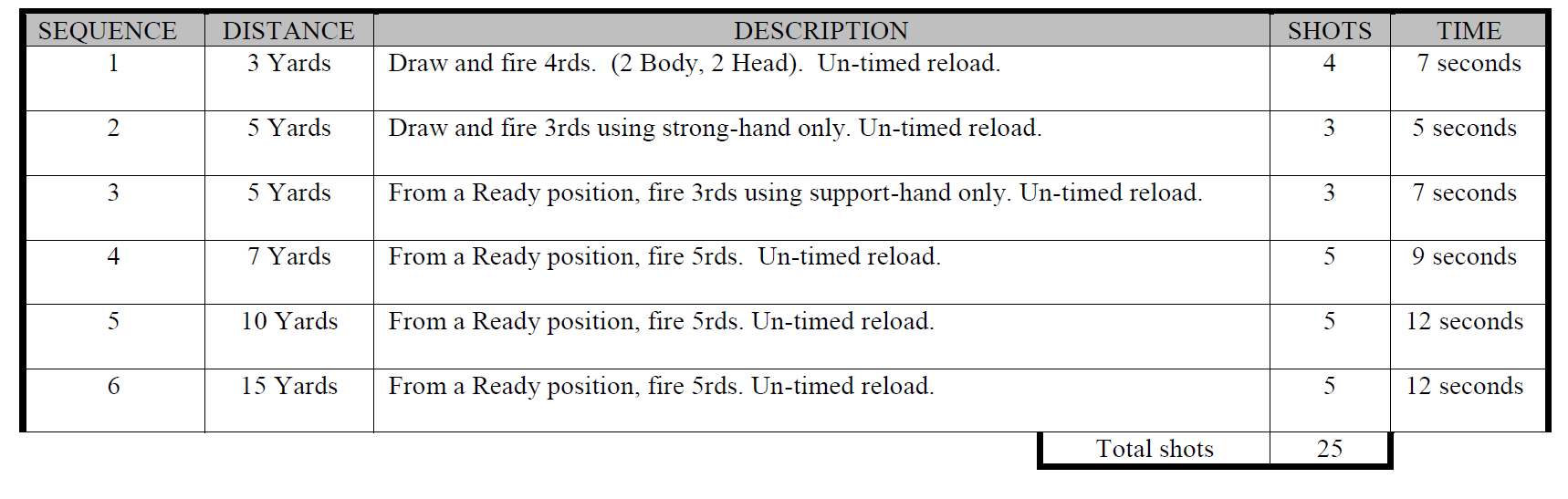
This is a good course for carry revolvers and is 5 shot friendly. The times aren’t particularly demanding but they’re not a total piece of cake either. A good aspect is that it requires shooting with Primary Hand Only and Support Hand Only. I’ve had a client who couldn’t pull the trigger of her revolver with her Support Hand. That’s a problem.
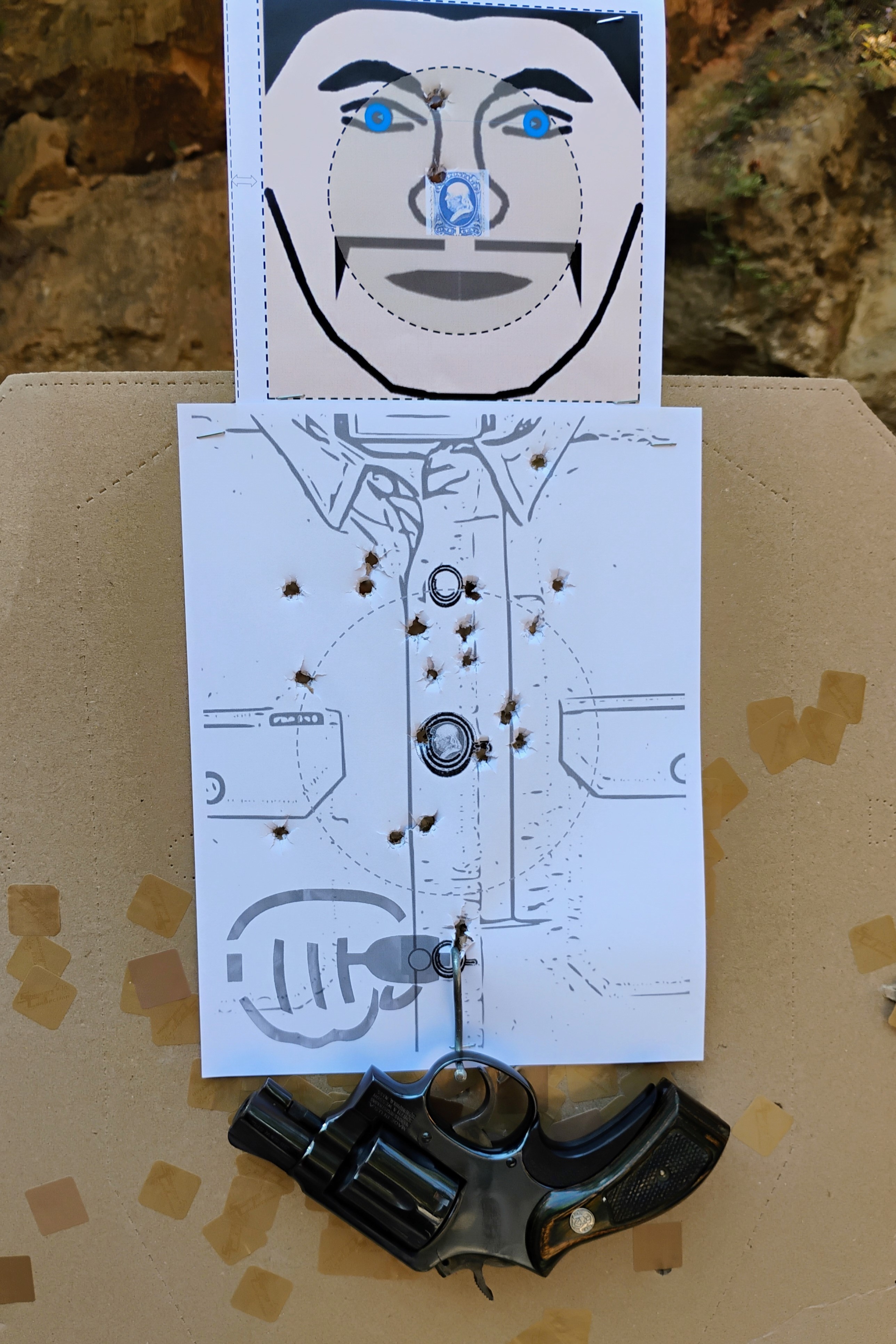
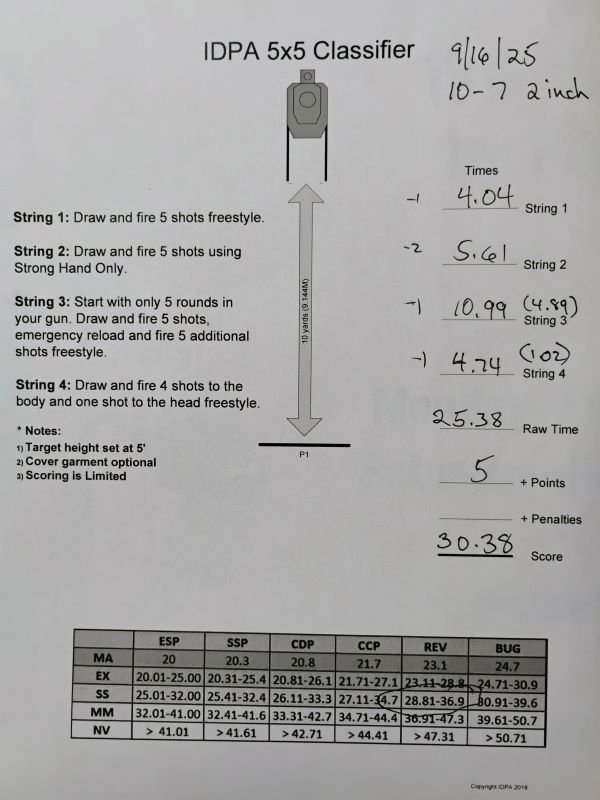
Finally, I shot the IDPA 5X5 Classifier.
The light was changing and as can happen, it affected where my rounds impacted. This is because it changes the sight picture.
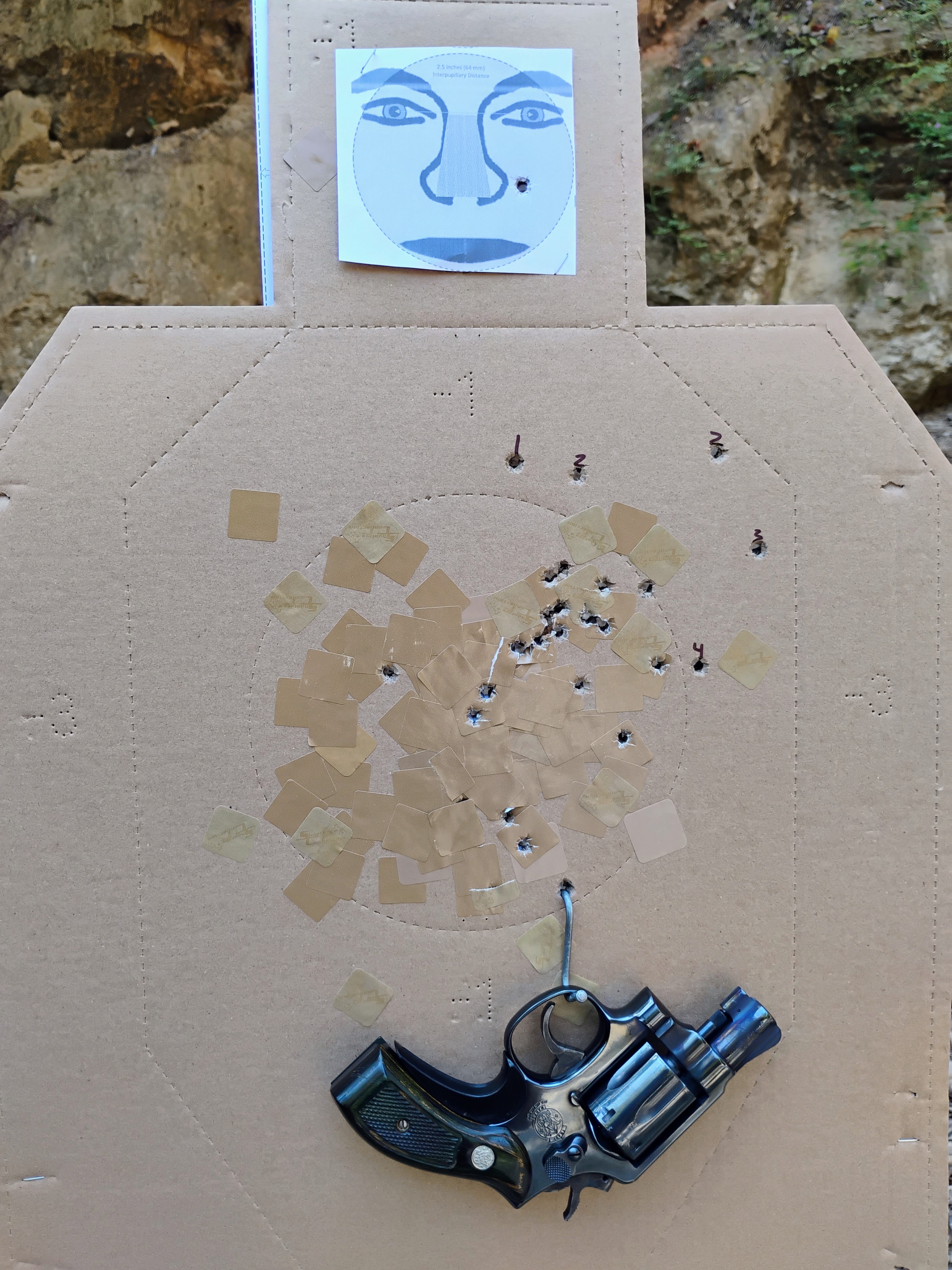
It’s probably not necessary to test fire a gun to this extent but at least knowing it will fire is a worthwhile exercise. It’s also important to know what the recoil is like. An incident occurred in Florida years ago in which a woman had a revolver she had never fired. When she fired it, it flew out of her hand. Things didn’t go that well for her after that. I’ve had a similar experience when a friend’s wife wanted to shoot my Charter Arms .44 Bulldog. It flew out of her hands and knocked her back. If I hadn’t caught her, she would have fallen flat on her back.
As the late Paul Gomez was fond of saying, “Shoot Yor Guns!”
If you would like to read more in-depth information about shooting and personal protection, consider subscribing to my Patreon page.

 tacticalprofessor