Practicing with a Snub Revolver
Favorite Five Shot Snub Revolver Courses of Fire
#wheelgunwednesday
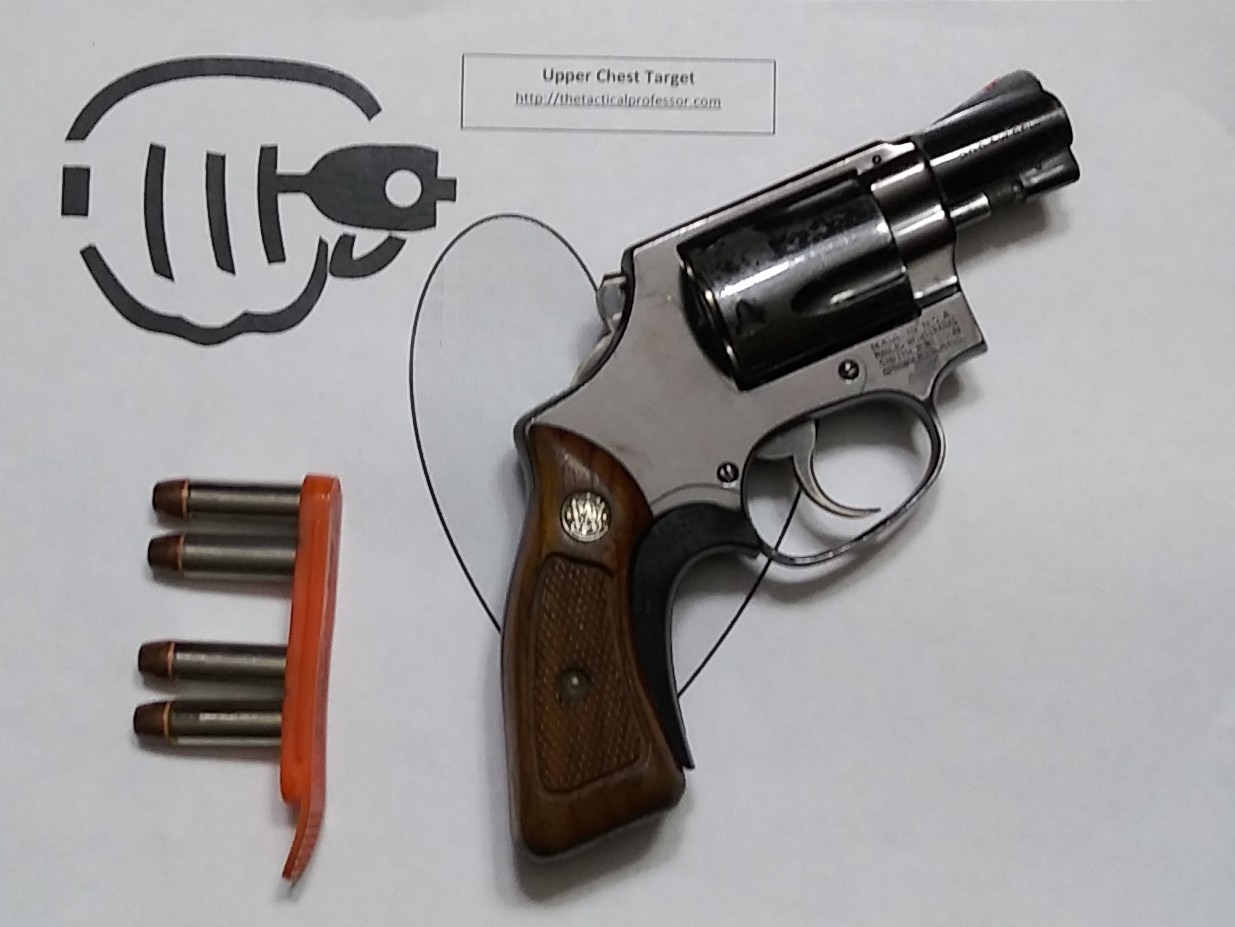
While some consider the five shot snub revolver passé, it is still a common self-defense tool and viable when used correctly. Using a snub correctly does require a bit of familiarity and practice, so here are some practice regimens that are appropriate for snubs and can be used at most indoor ranges. CCW Qualification Courses have value in that they provide structure for practice and a modest measure of skill determination. Note that simply shooting a CCW Qualification Course on your own DOES NOT mean you are authorized to carry a handgun in that area. Check the local laws for carry requirements.
All Courses of Fire are untimed. Any silhouette target can be used. When using the B-27 target, only count hits inside the 8 ring. For those who feel confident of their marksmanship ability, put a sheet of paper on the silhouette and only count hits on it.
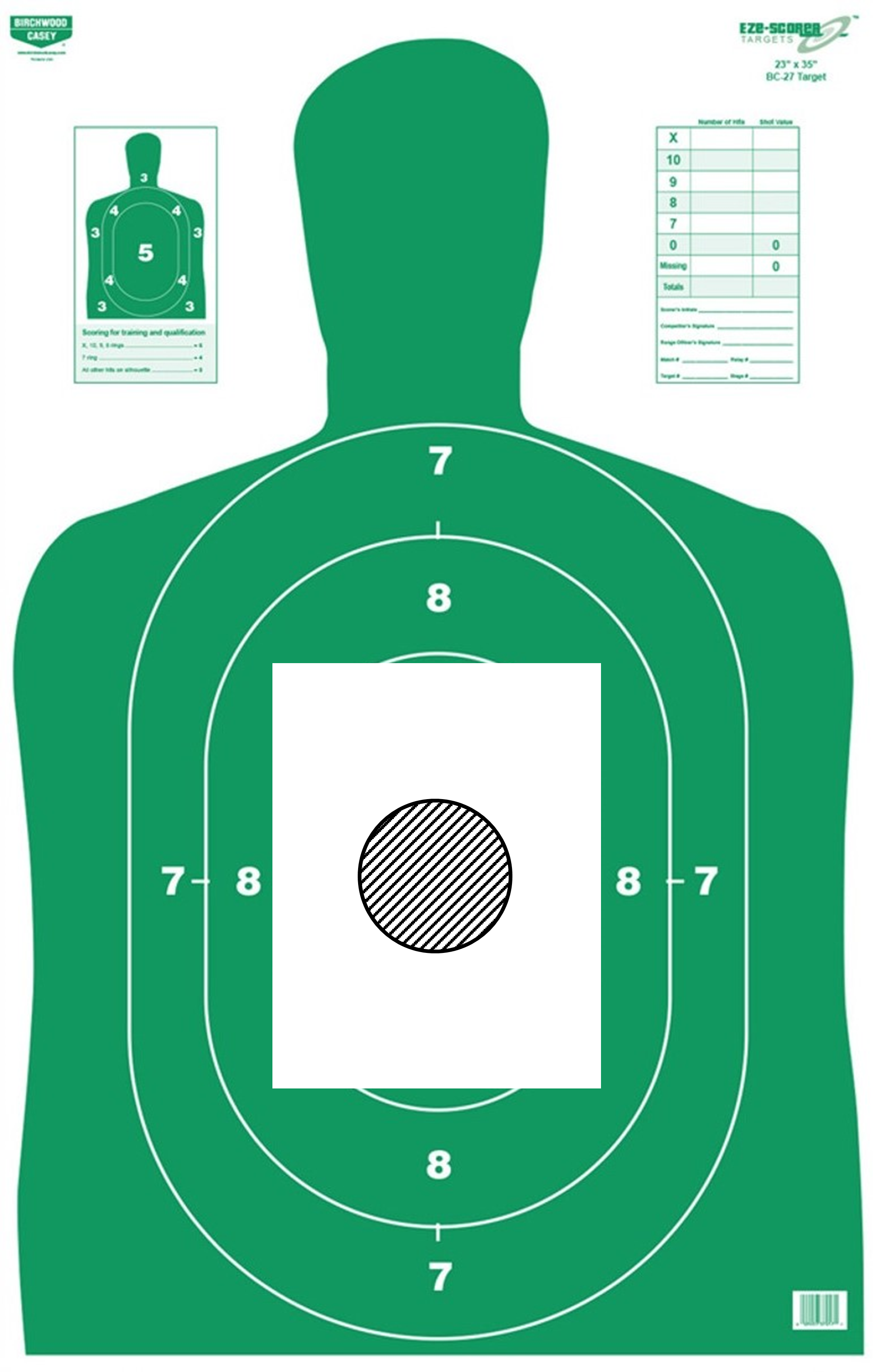
- New York State CCW Qualification Course – 5 rounds
- Silhouette at 4 yards.
- With an unloaded revolver, draw, snap at the target, and safely reholster. Draw the unloaded revolver, load with five rounds, and come to Low Ready. Fire five rounds at the target.
- Four of five rounds must hit the target to successfully qualify.
- Nevada CCW Qualification (5 shot revolver version) – 25 rounds
- Silhouette at 3 yards.
- Load with five rounds, and come to Low Ready. Fire five rounds at the target.
- Move Silhouette to 5 yards.
- Load with five rounds, and come to Low Ready. Fire five rounds at the target, reload, and fire five more rounds at the target.
- Move Silhouette to 7 yards.
- Load with five rounds, and come to Low Ready. Fire five rounds at the target, reload, and fire five more rounds at the target.
- Of the 25 rounds, 18 must hit the target to qualify.
- LAPD Retired Officer Qualification Course – 10 rounds
- Silhouette at 7 yards.
- Load with five rounds and reholster. Draw, shoot five rounds, reload, and shoot five more. If the range does not permit drawing from a holster, start from Low Ready.
- Seven of the 10 rounds must hit for a successful qualification.
- San Diego (California) Sheriff CCW Qualification Course – 15 rounds
- Silhouette at 7 yards.
- Load with five rounds, and come to Low Ready. Fire five rounds at the target.
- Move Silhouette to 5 yards.
- Load with five rounds, and come to Low Ready. Fire five rounds at the target.
- Move Silhouette to 3 yards.
- Load with five rounds, and come to Low Ready, holding the revolver in the Primary Hand Only. Fire three rounds at the target. Transfer the revolver to the Support Hand Only and fire two more rounds at the target.
- Of the 15 rounds, 13 must hit the target to qualify.
- Kansas Concealed Carry License Qualification Test – 25 rounds
- Silhouette at 3 yards.
- Load with five rounds, and come to Low Ready, holding the revolver in the Primary Hand Only. Fire five rounds at the target.
- Move Silhouette to 7 yards.
- Load with five rounds, and come to Low Ready with both hands. Fire five rounds at the target, reload, and fire five more rounds at the target.
- Move Silhouette to 10 yards.
- Load with five rounds, and come to Low Ready with both hands. Fire five rounds at the target, reload, and fire five more rounds at the target.
- Eighteen of the 25 rounds must hit the target to qualify.
Trigger manipulation practice is enhanced if after firing a shot, we open the cylinder, spin it, and then close it without looking at the round placement. Only fire one shot after closing the cylinder and then open and spin it again. As the rounds become fired, we will encounter fired cases as we press the trigger. By watching the sights carefully as we press the trigger, any jerking of the trigger will be obvious. These dummy snaps are where we learn to press the trigger smoothly.
Although reloading can be done with loose ammunition from a box of ammo, it’s more useful to have some kind of loading device. Using a loading device gives some practice at reloading the revolver under some conditions of stress. The snub shooting organization Snub Noir https://snubnoir.com/ uses three devices in their matches. They are looped ammunition carrier, flexible loading strip, and speed loader. Other possibilities are 2x2x2 ammo pouch and dump pouch for loose ammunition.
These Courses of Fire don’t have to be shot all at once. At the point of feeling fatigued or bruised from recoil, pack it up, and call it a day. Have fun with your practice and you’ll be more inclined to do it more often.
The Demi-Practical Event
#wheelgunwednesday
Caleb Giddings of Taurus inspired me to design a Course of Fire derived from the Bianchi Cup Practical Event. I wanted something that wouldn’t demoralize newer shooters by making them shoot a demanding par time course at a long distance though.
The Bianchi Cup https://thecmp.org/competitions/cmp-pistol-program/cmp-bianchi-cup/ is being shot now at the Green Valley Rifle & Pistol Club in Missouri. The Cup goes back to 1979 and it is one of the most prestigious and lucrative shooting contests in the world. There are four Events at Bianchi, The Practical being one of them. It consists of 48 shots. There are 4 stages, fired at 10, 15, 25, and 50 yards, with 3 series of 2, 4 and 6 shots in each stage. Two targets are set up 1 yard apart, each having a four inch X Ring and a 10 point scoring ring 8 inches in diameter. The target is much larger overall but a competitor who sends more than one or two hits of the 48 outside the 10 ring doesn’t have a chance. The X Ring is to break ties.
Three series are shot at each distance. One shot on each of the targets, two shot on each target, and three shots on each target. At 10 yards, the three shot series is fired with the Support hand after drawing and transferring the pistol from the Primary hand to the Support hand. A nice thing about Bianchi is that it is six shot revolver neutral and there is no reloading on the clock.
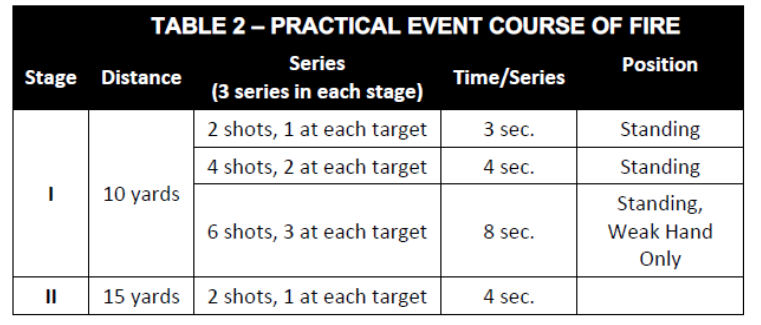
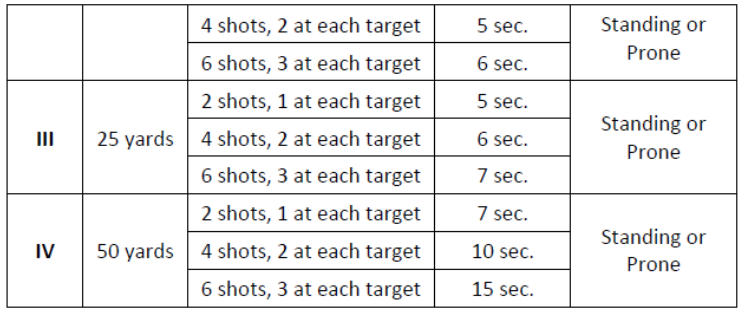
Since shooting a pistol at 50 yards would be soul crushing to most shooters, the Event I created is called the Demi-Practical, demi- meaning half https://www.merriam-webster.com/dictionary/demi-. The 50 yard stage is eliminated and the other distances are halved. This gives us a 36 round Event shot at 5 yards, 7 yards, and 12 yards. The Support hand shooting is changed to Primary hand only shooting with a time change to 6 seconds since there is no hand transfer. All shooting is done from the Standing position.
Since the AP1 is not a common target commercially, I substituted the IDPA target. Points down scoring works fine as a practical marksmanship metric. Par timing makes it easier to administer and score.
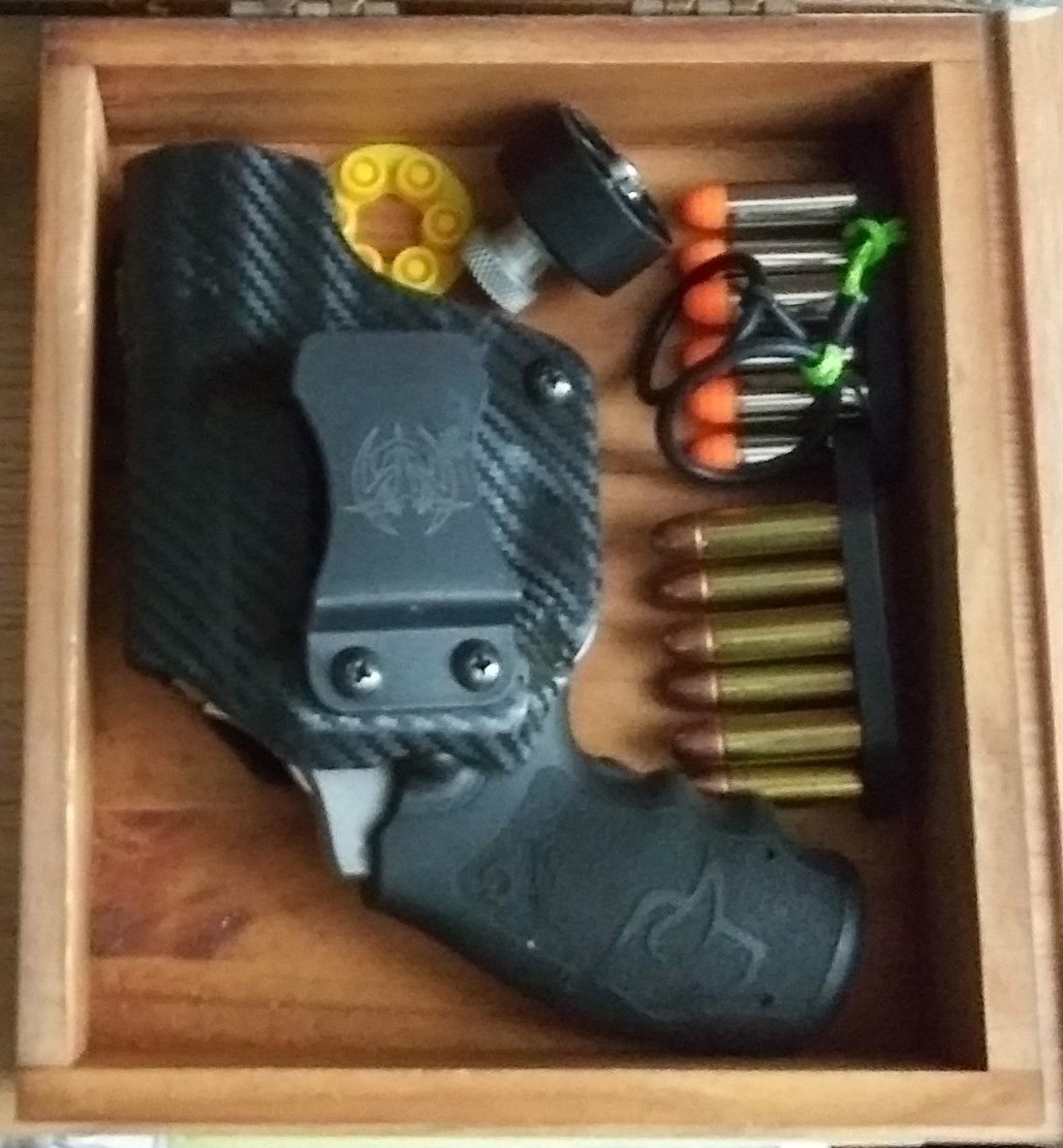
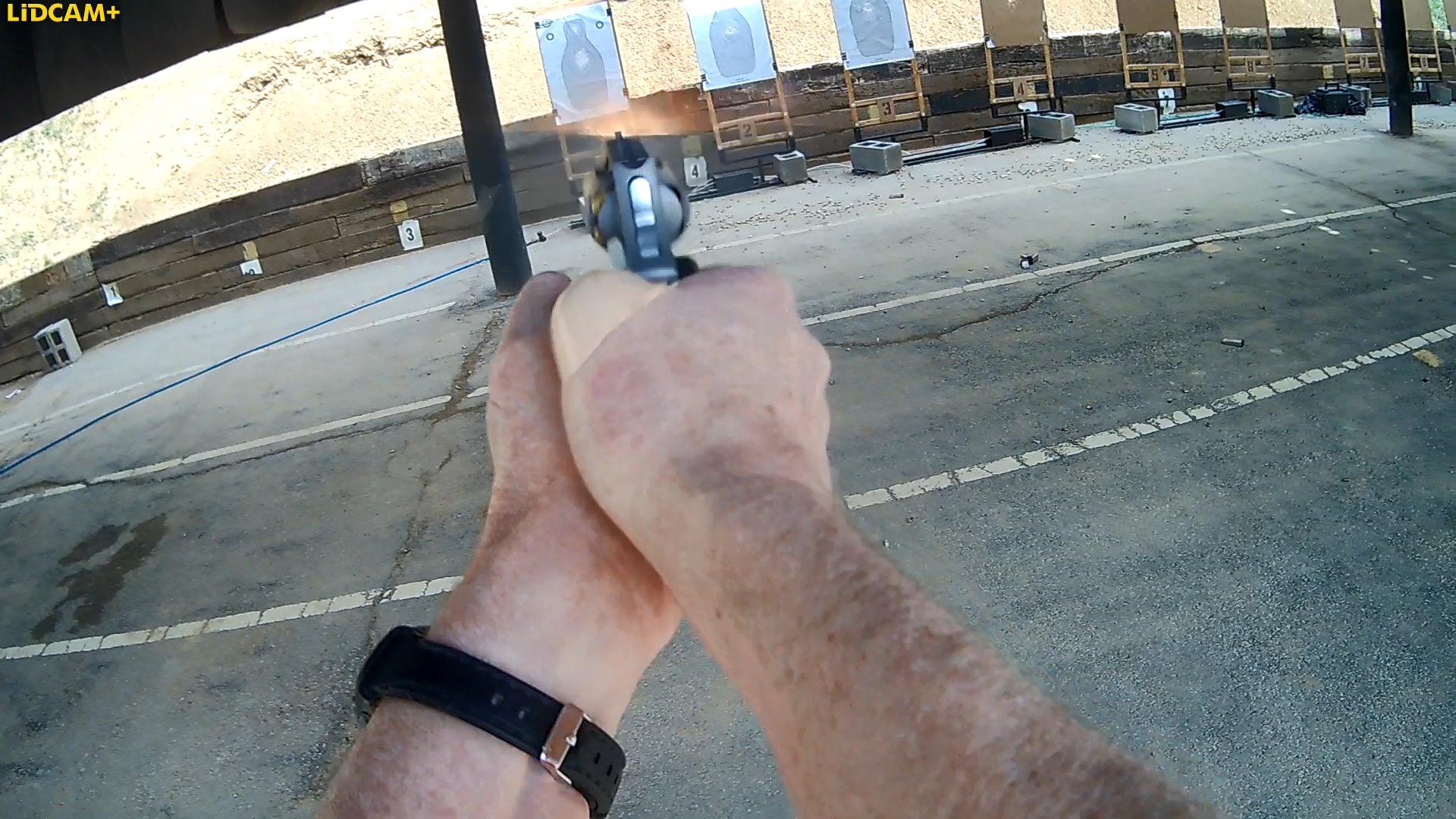
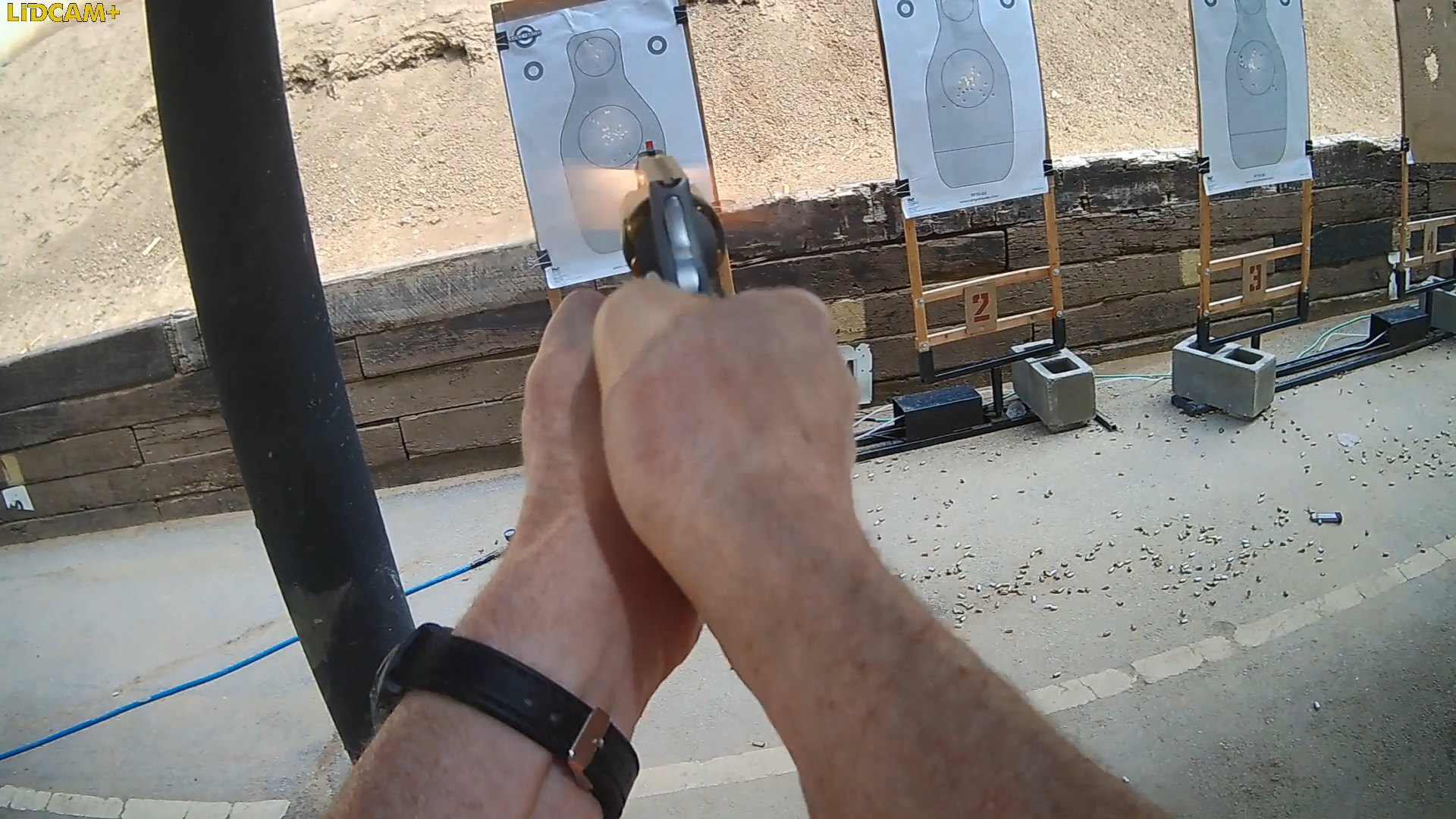
Today was a beautiful day so I took the opportunity to go shooting. My Taurus 856 snub was one of the test subjects.
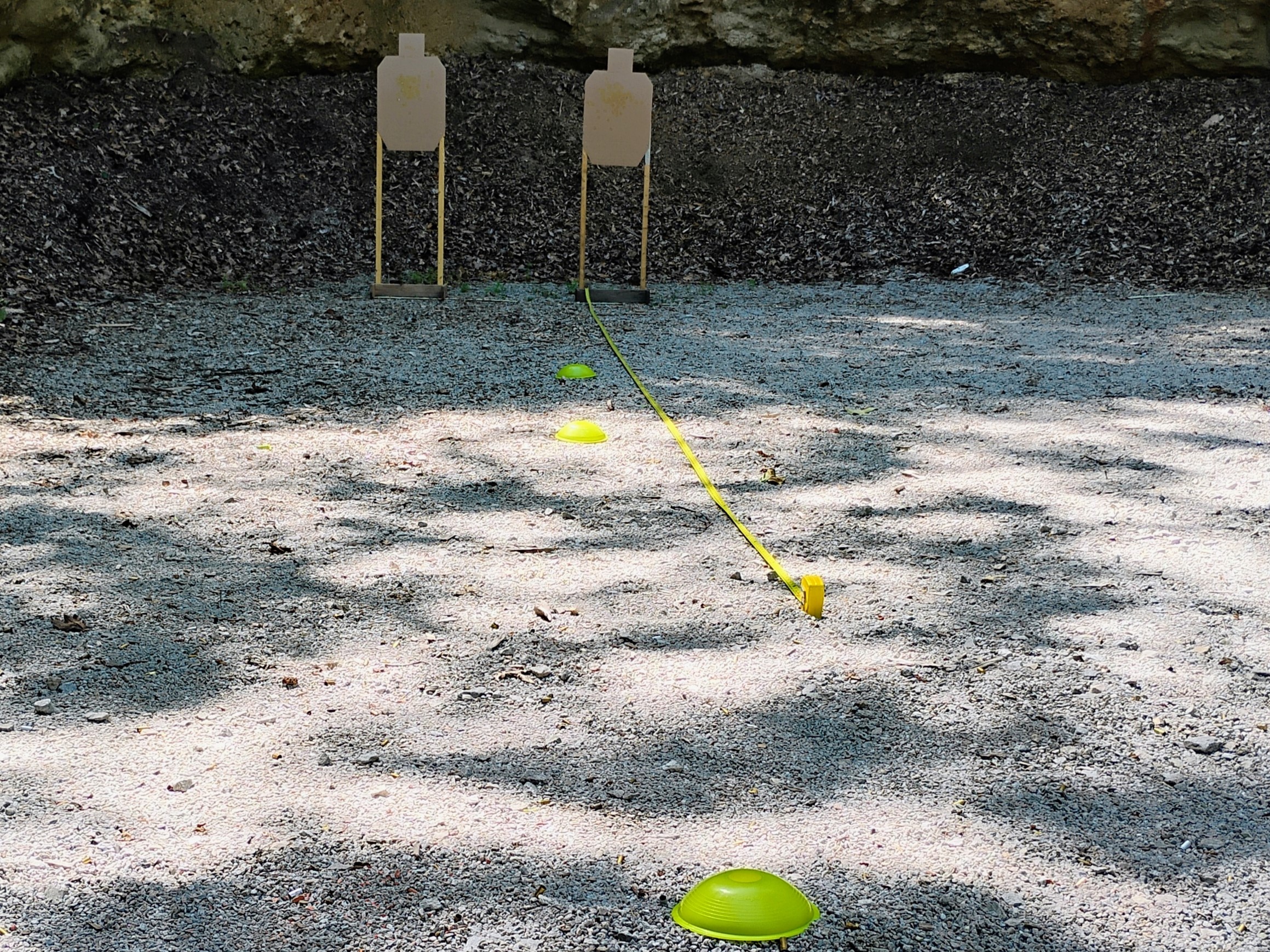
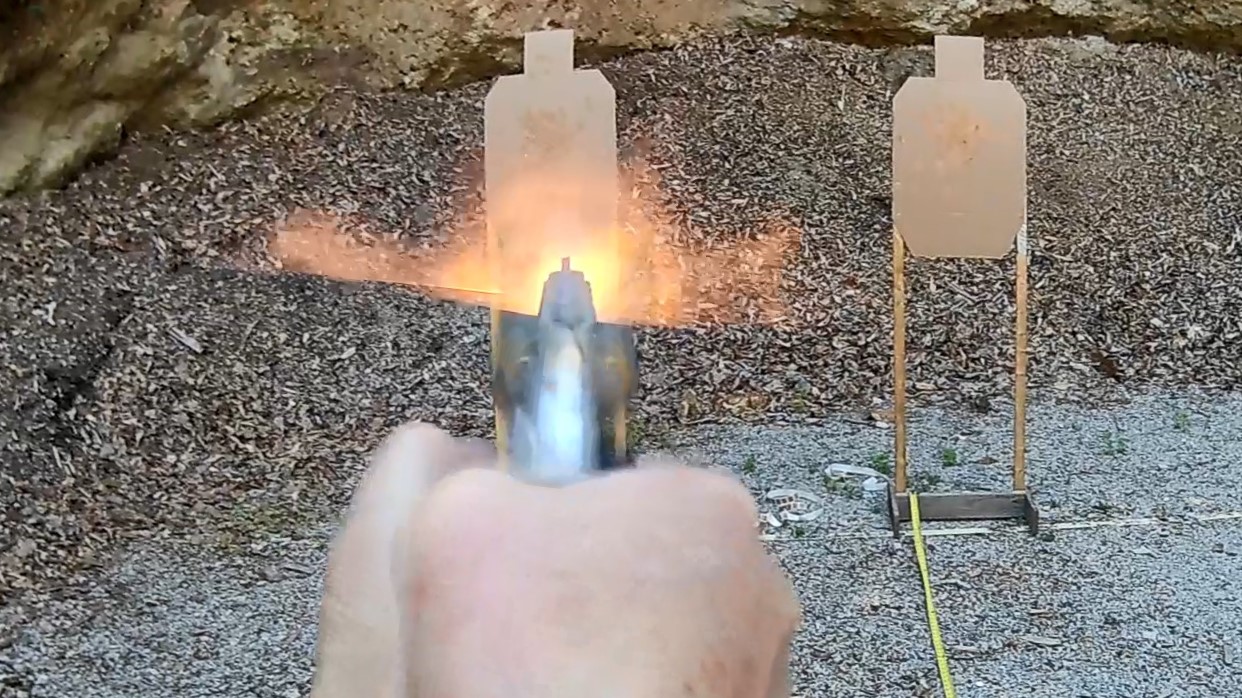
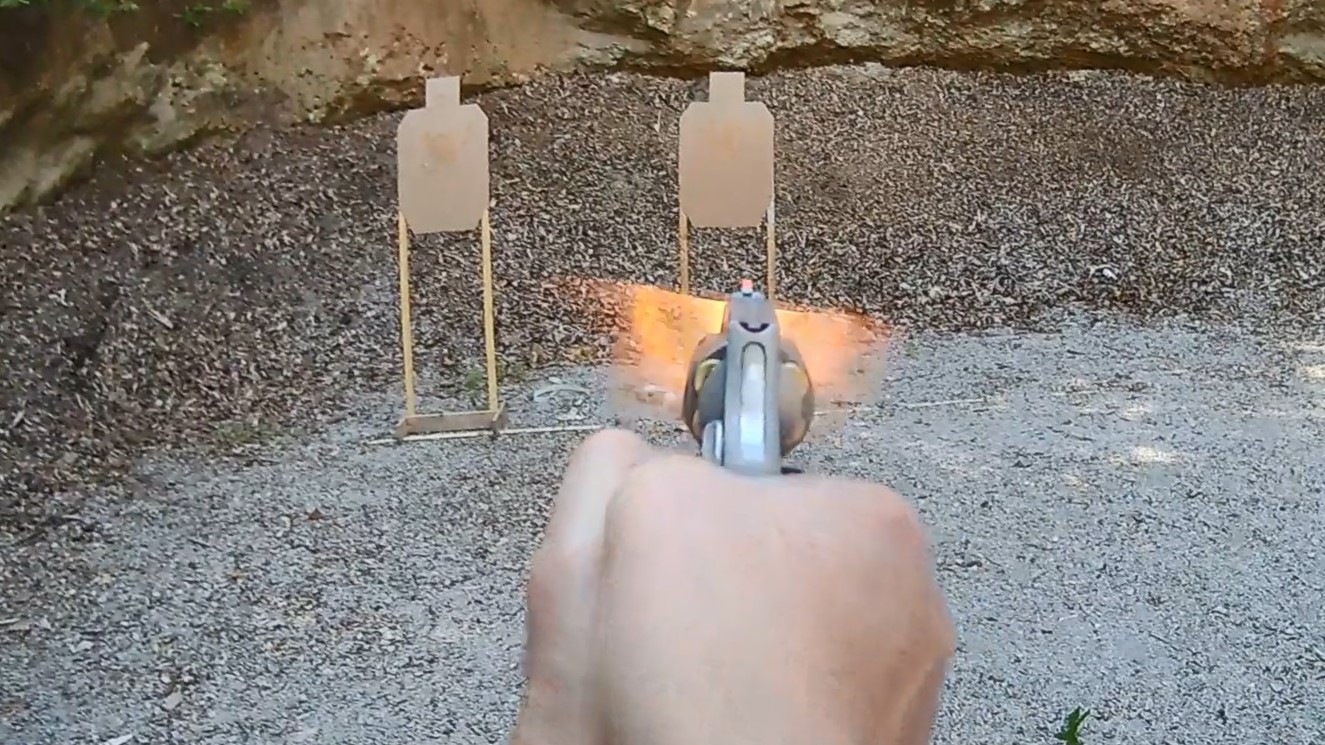
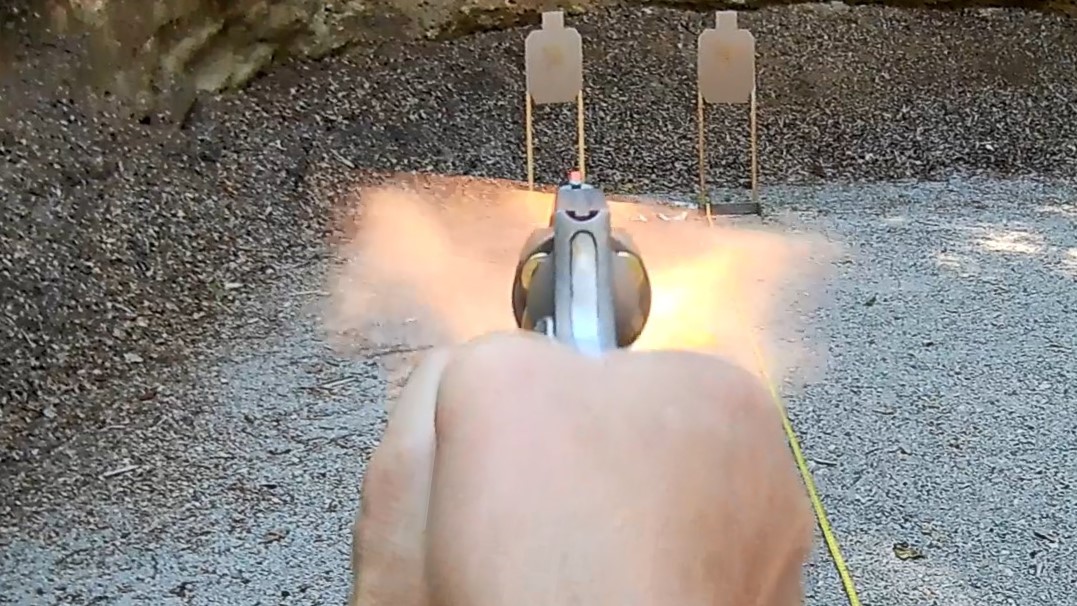
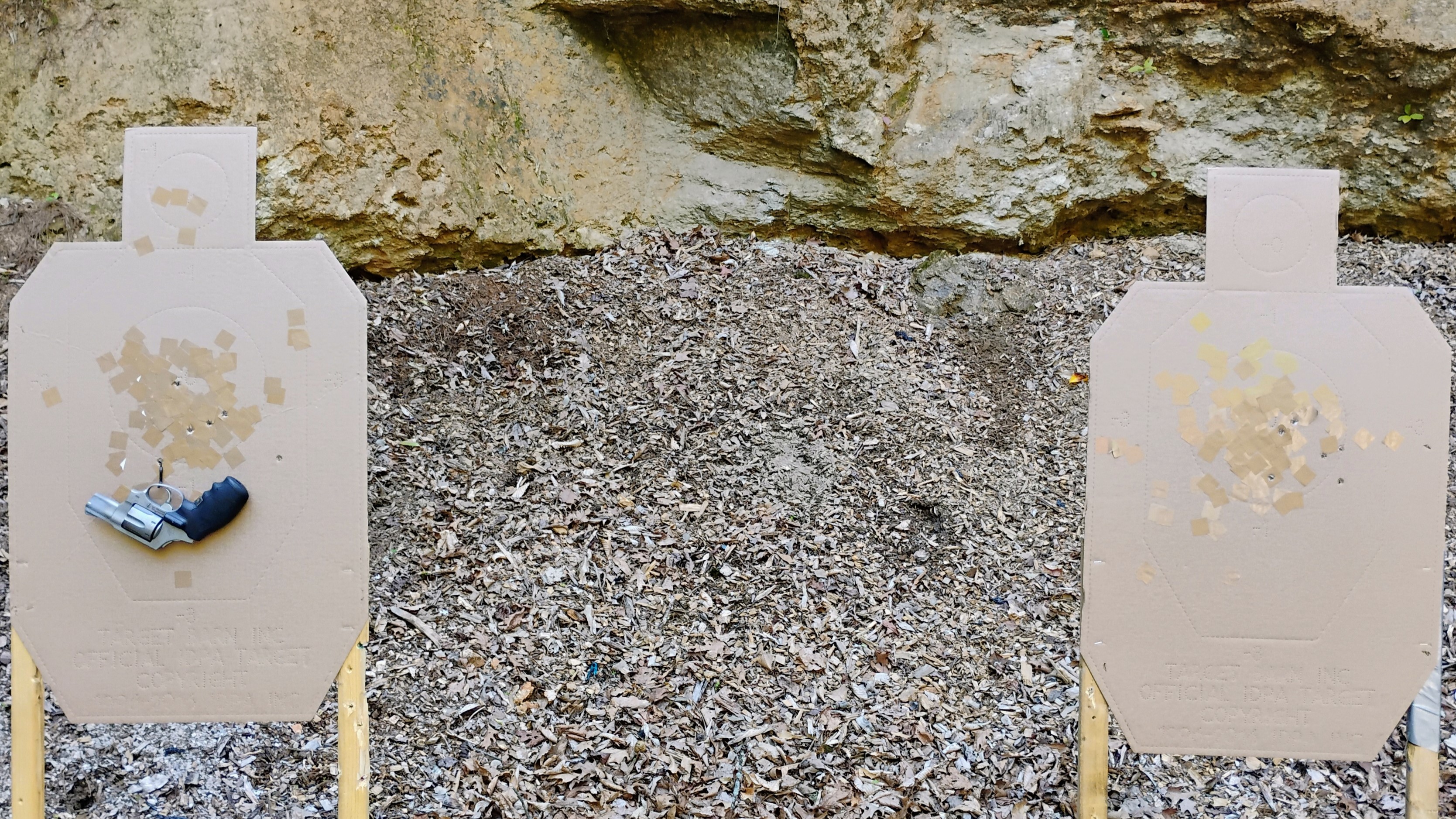
At 5 yards, I was 2 points down on the right target. At 7 yards, I was able to shoot both clean. At 12 yards, I was 1 point down on each target.
I had a good time shooting it. You might enjoy shooting it, too.
TacCon 2025 Match
The Rangemaster 2025 Tactical Conference is a wrap. For the Match, 251 participants (63%) of approximately 400 shows for the Conference chose to shoot the Match. It consisted of 30 rounds for the Four Second Standards and five rounds for the Tiebreaker that was shot immediately after the Standards. The target was the Rangemaster Q and more specifically the eight inch circle in the upper chest. All equipment had to be completely concealed.
I chose to shoot it with my Taurus 856 snub with Viridian LaserGrips. The laser dot was visible at all distances involved. To reload, I used a pocket full of Zeta6 K Pak2 loading strips.
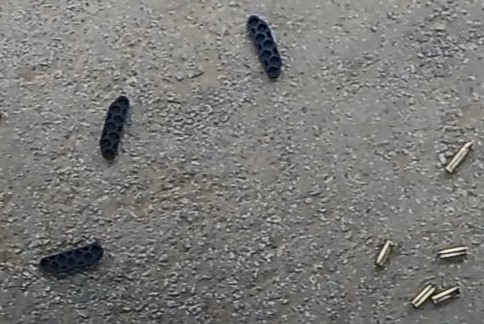
FOUR SECOND STANDARDS
- 3 yards – Draw and fire 6 shots
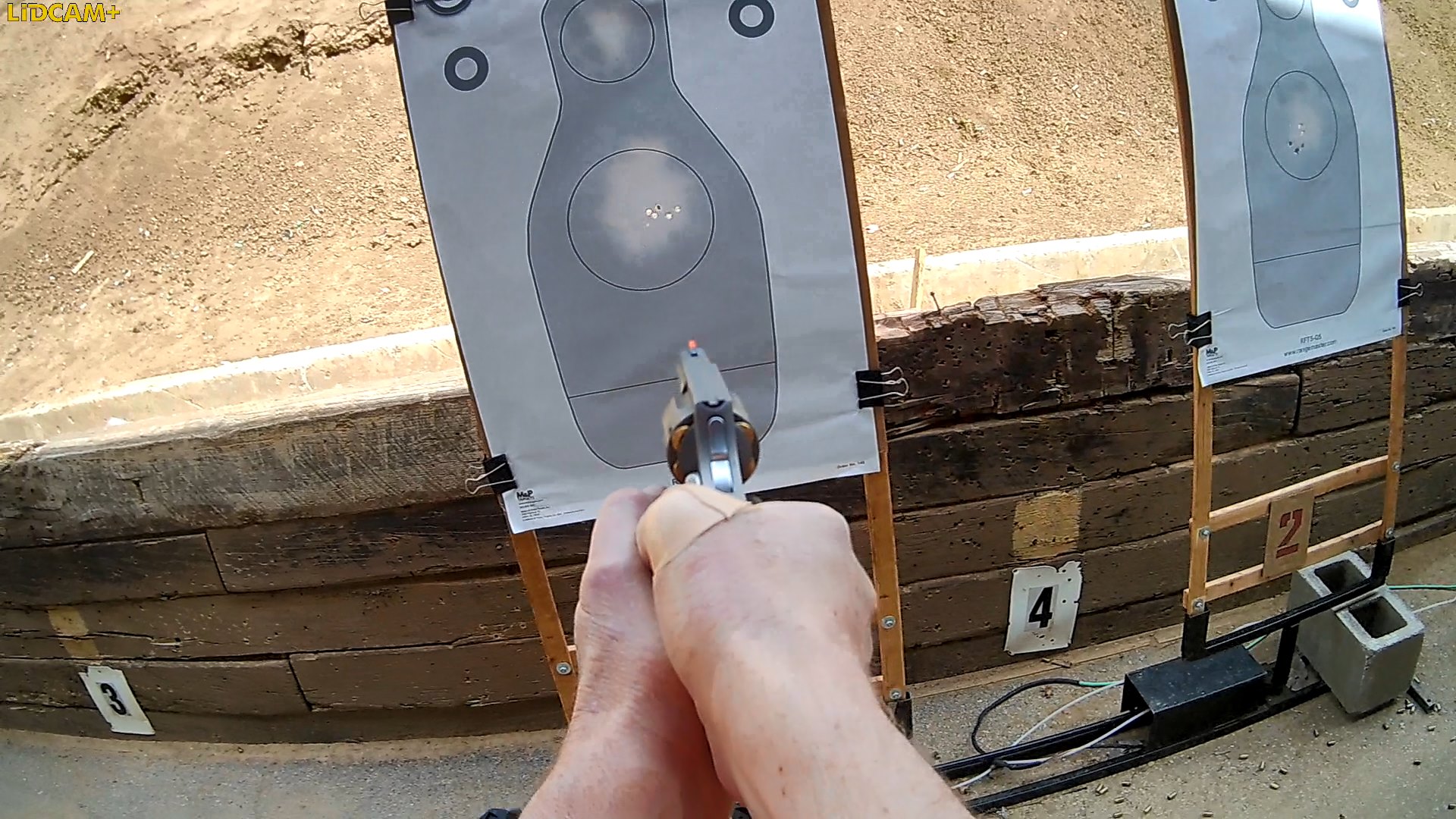
- 5 yards – Draw and fire 5 shots
- 5 yards – Draw and fire 5 shots
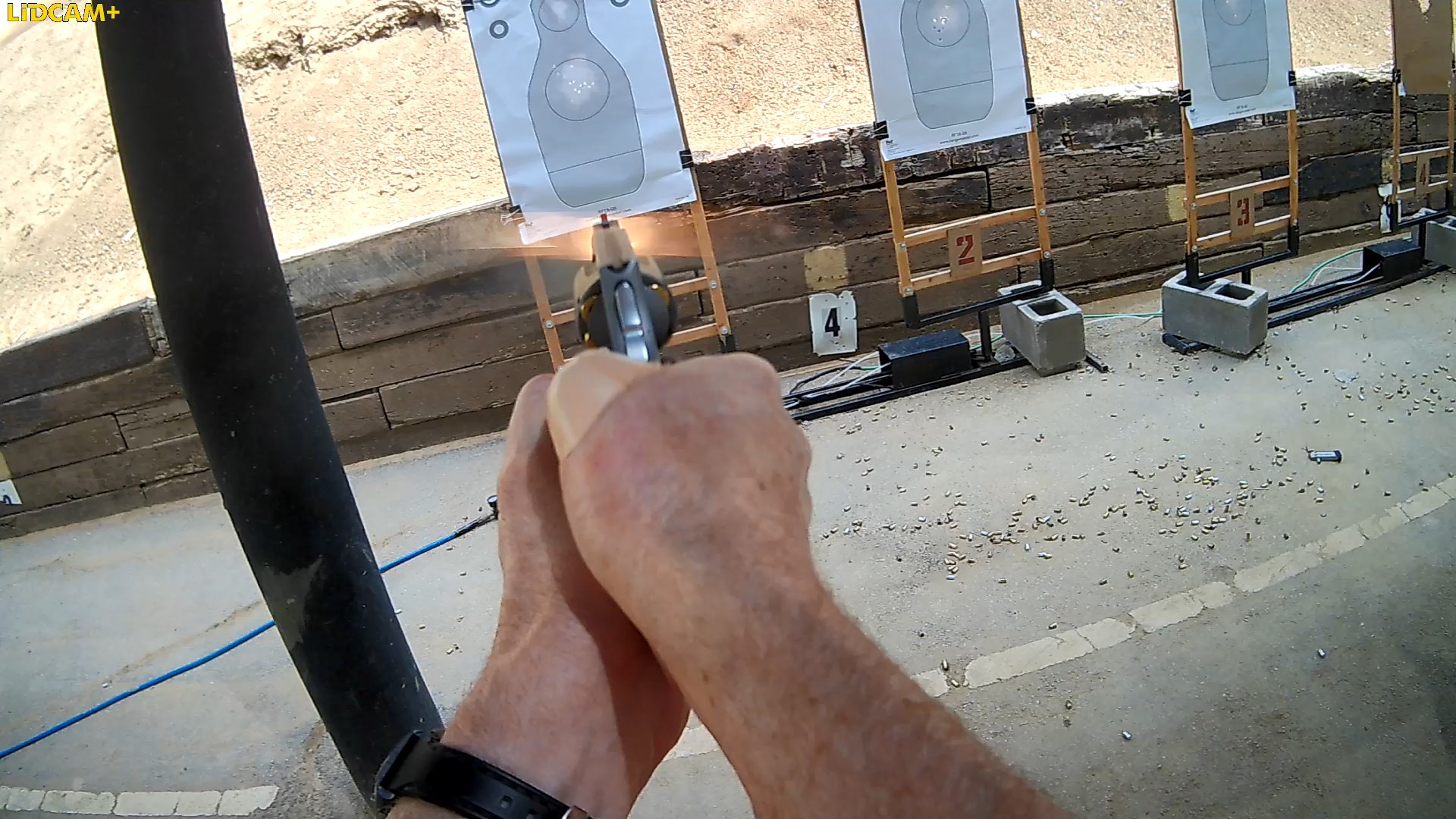
4. 5 yards – From Low Ready, Present and fire 4 shots, Primary Hand Only
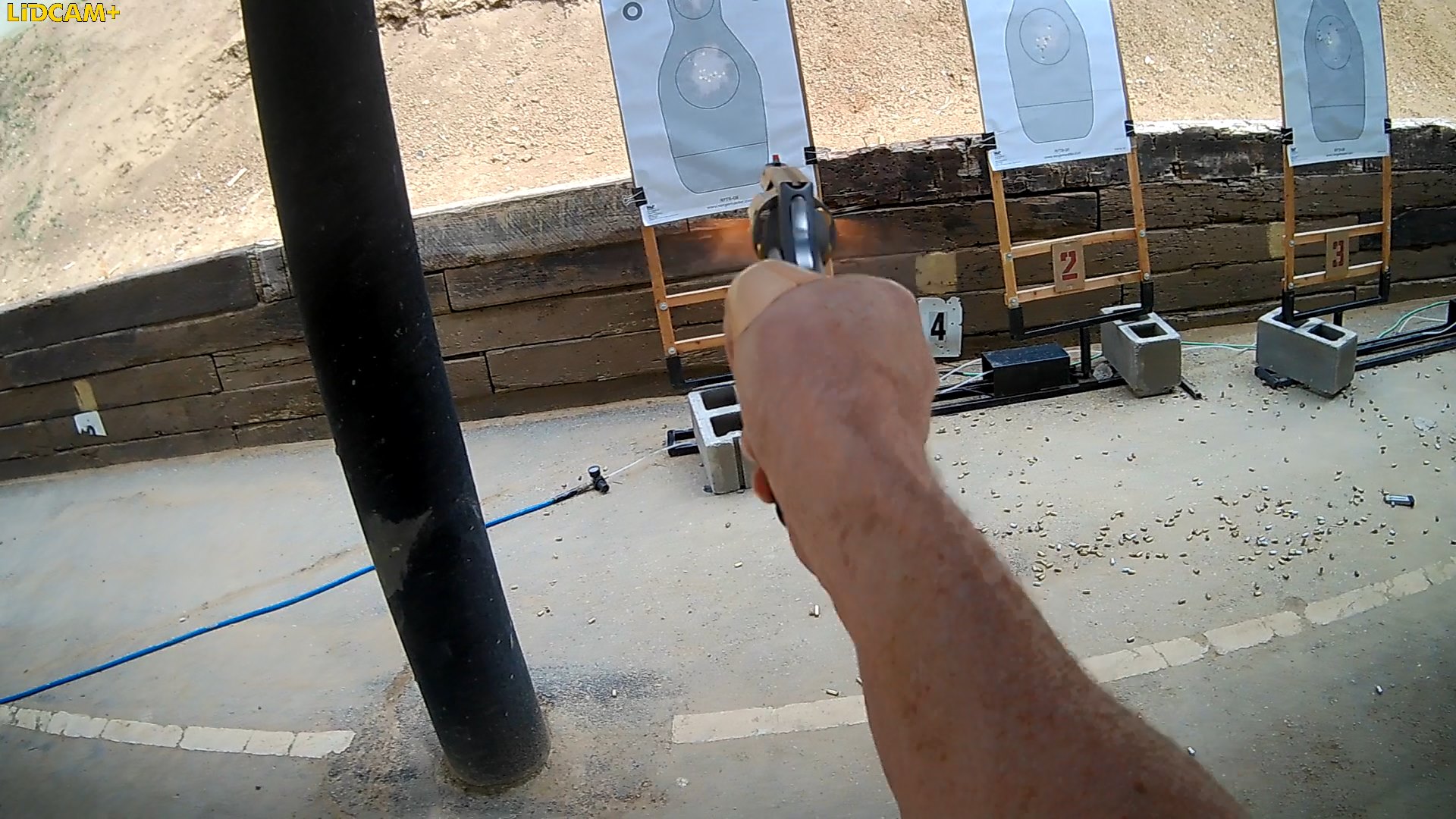
5. 5 yards – From Low Ready, Present and fire 3 shots, Support Hand Only
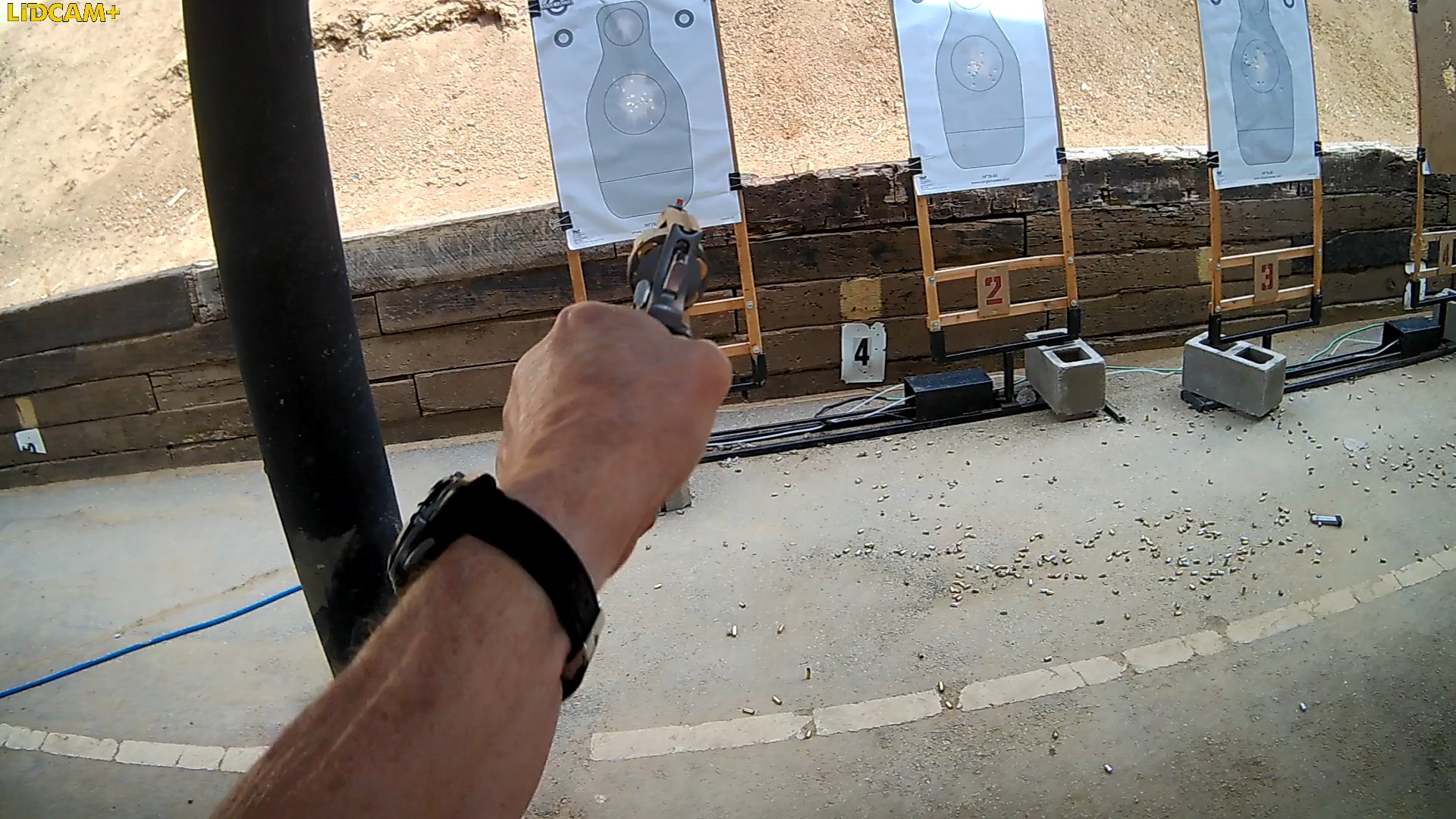
6. 7 yards – Draw and fire 4 shots
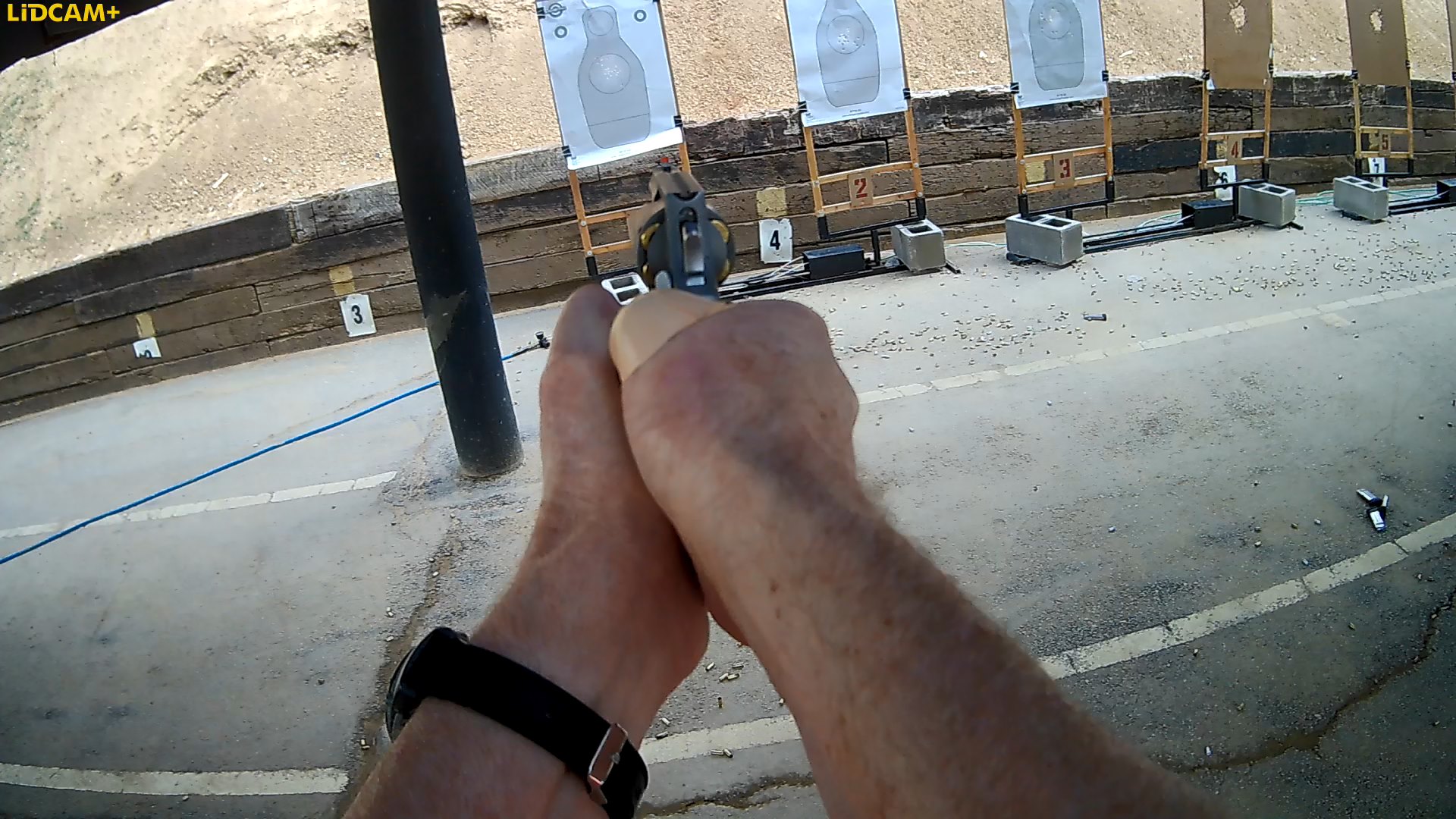
7. 10 yards – Draw and fire 3 shots
30 rounds subtotal for the Standards
TIEBREAKER
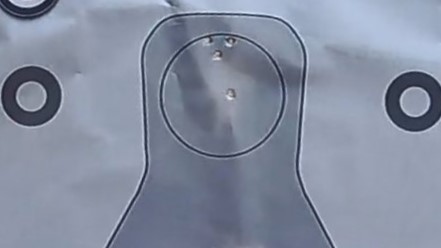
• 5 yards – From Low Ready, fire 5 shots to the head, individually timed and scored.
5 hits – 3.01 seconds
35 rounds total for the Match
My final place was 167 out of the 251 participants. Considering only one other shooter used a revolver and that was a 686 Plus, I’m happy with how I did.
Periodic Personal Evaluation
#saturdayskillsczech
My December article for Shooting Illustrated is entitled Near to Far Marksmanship Practice.
https://www.shootingillustrated.com/content/near-to-far-marksmanship-practice/
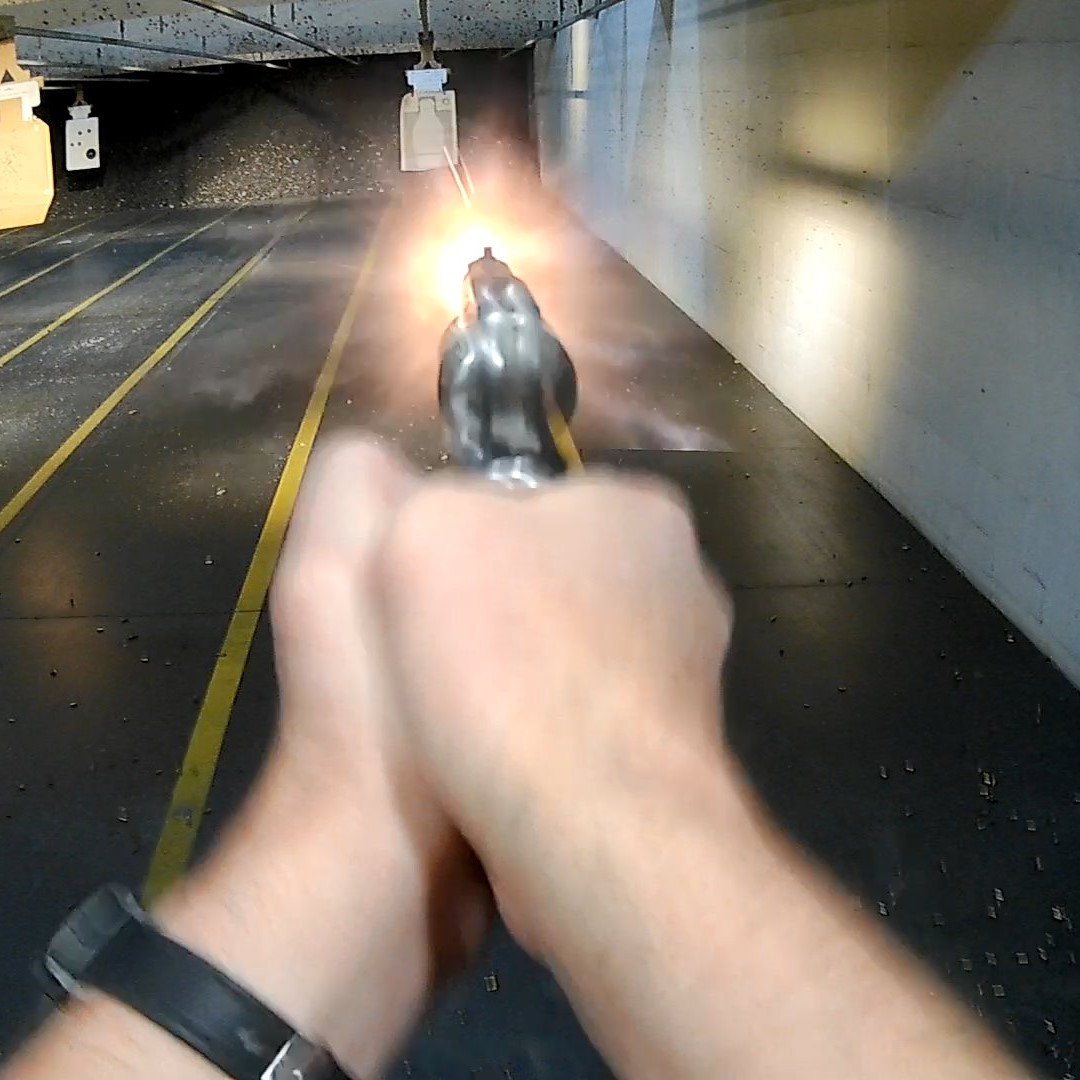
Although New Jersey made a strong try to keep people from getting their License To Carry, the qualification course itself is a decent practice regimen. It’s also a useful metric for measuring your skill periodically.
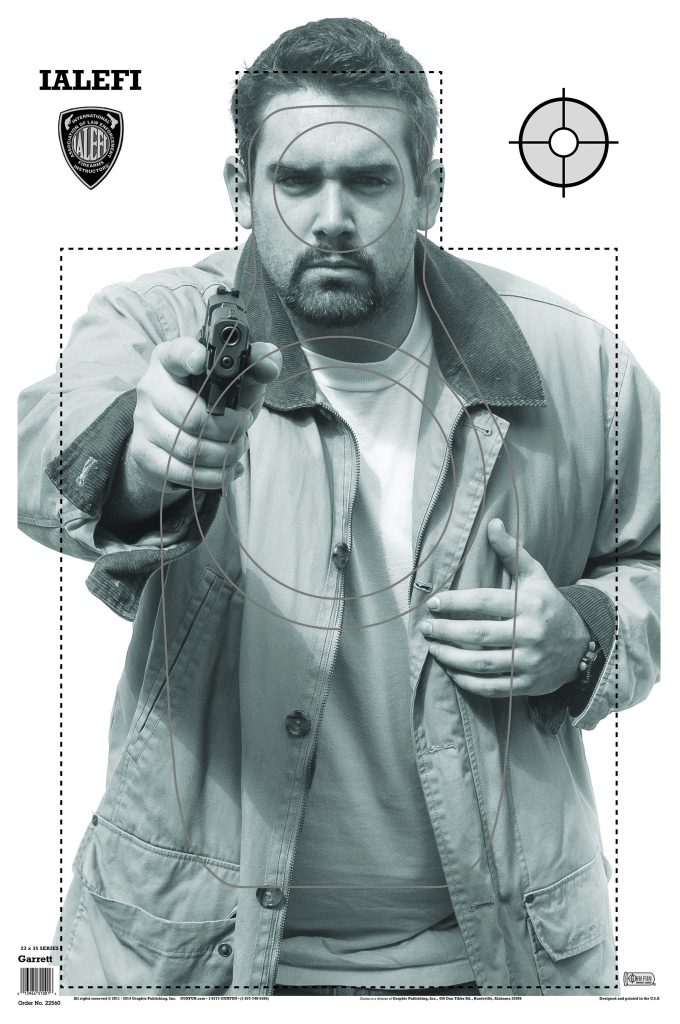
Try shooting it on an IALEFI-Q and score it by the rings. Center ring gets 5 points, next ring get 4 points, balance of the Q receives 3 points. Hits inside the face circle score 5 points. Anything outside the Q scores 0. A Possible would be 250 points (5 x50 shots). If you don’t have an IALEFI target, just trace around a paper plate in approximately the same place on your silhouette. Your scoring is then 5 points for the circle and 3 points for the rest of the silhouette.
To make it a good tune-up and personal evaluation, shoot the course as a version of Jimmy Cirillo’s 1-2-3-6 drill. Instead of 6, fire 4 shots for the final string. Start loaded with 6 rounds only. Draw and fire 1 shot, reholster, draw and fire 2 shots, reholster, draw and fire 3 shots, reload, and immediately fire 4 shots. Bear in mind that the second most missed shot in shooting is the shot immediately following clearing a stoppage. The reality of transitioning back to trigger control after doing a gross motor manipulation can be tricky.
Since CCARE starts at 3 yards, at that distance shoot all face shots. Repeat the same sequence at 5 yards, 7 yards, 10 yards, and 15 yards but shoot for the 8 inch circle. After shooting each distance, tape your hits before moving to the next distance. At the end of the course of fire, place your pistol in whatever condition you wish to when you leave the range.
Although the CCARE is rather stringent for a CCW qualification, it has value as a practice regimen. It includes a minimum of 10 presentations to the target or 15 if you use the 1-2-3-4 sequence. There are multiple opportunities to practice reloading, and it’s highly manageable with wheelguns. Even J-Frames can work, just reload in a slightly different sequence. It’s a good use for a box of practice ammo.
Preserving the Heritage and Legacy
#wheelgunwednesday
Wheelguns (revolvers) and snub revolvers are part of our American Heritage. I’ve been shooting them and teaching them for decades so they’re part of my Legacy to the shooting community. In an effort to preserve both of those, I’m going to post a link to an unlocked article from my Patreon Snubby Tier every month. I hope you’ll find it useful and enjoyable.
Safety Protocols to Avoid Negative Outcomes
https://www.patreon.com/posts/safety-protocols-69957175
Back to Basics WheelgunWednesday
#wheelgunwednesday
Going back to basics occasionally helps me get back in the groove. Two basic exercises I like for the snub revolver are the LAPD Retired Officer Qualification Course and the NRA Basics of Pistol Shooting Level 1 test.
The LAPD course is described in the LAPD Manual.
“The starting position for this qualifying course of fire will begin at the 7 Yard Line. When the target faces, the shooter will draw and fire 10 rounds at a single silhouette target. A score of 70 percent is required to pass the qualification. All rounds impacting anywhere on the body and head will receive full value and rounds impacting upon the arms are half value.”
Basics of Pistol Shooting Level 1 test consists of shooting five shots into a circle that is four inches in diameter at a distance of 10 feet. All five shots must hit or cut the circle. It must be done four time, not necessarily consecutively, to pass BOPS.

For both tests, I include opening and spinning the cylinder periodically to create ball and dummy practice. In the LAPD Course, I also include a few initial dry practice draws, a la the NY State CCL Qualification, staggered loading with loose rounds during the first five shots, presenting from Low Ready, firing different numbers of rounds, and a reload with a loading device for the second five.
During my initial run of LAPD (I did four), I noticed that a couple of my shots went high. Upon repeating it, I realized that I was ‘hammering’ instead of firing a ‘controlled pair.’ That was probably the reason I had a couple of high hits during the Rangemaster Pistol Match https://thetacticalprofessor.net/2024/04/10/tactical-conference-2024-pistol-match/.
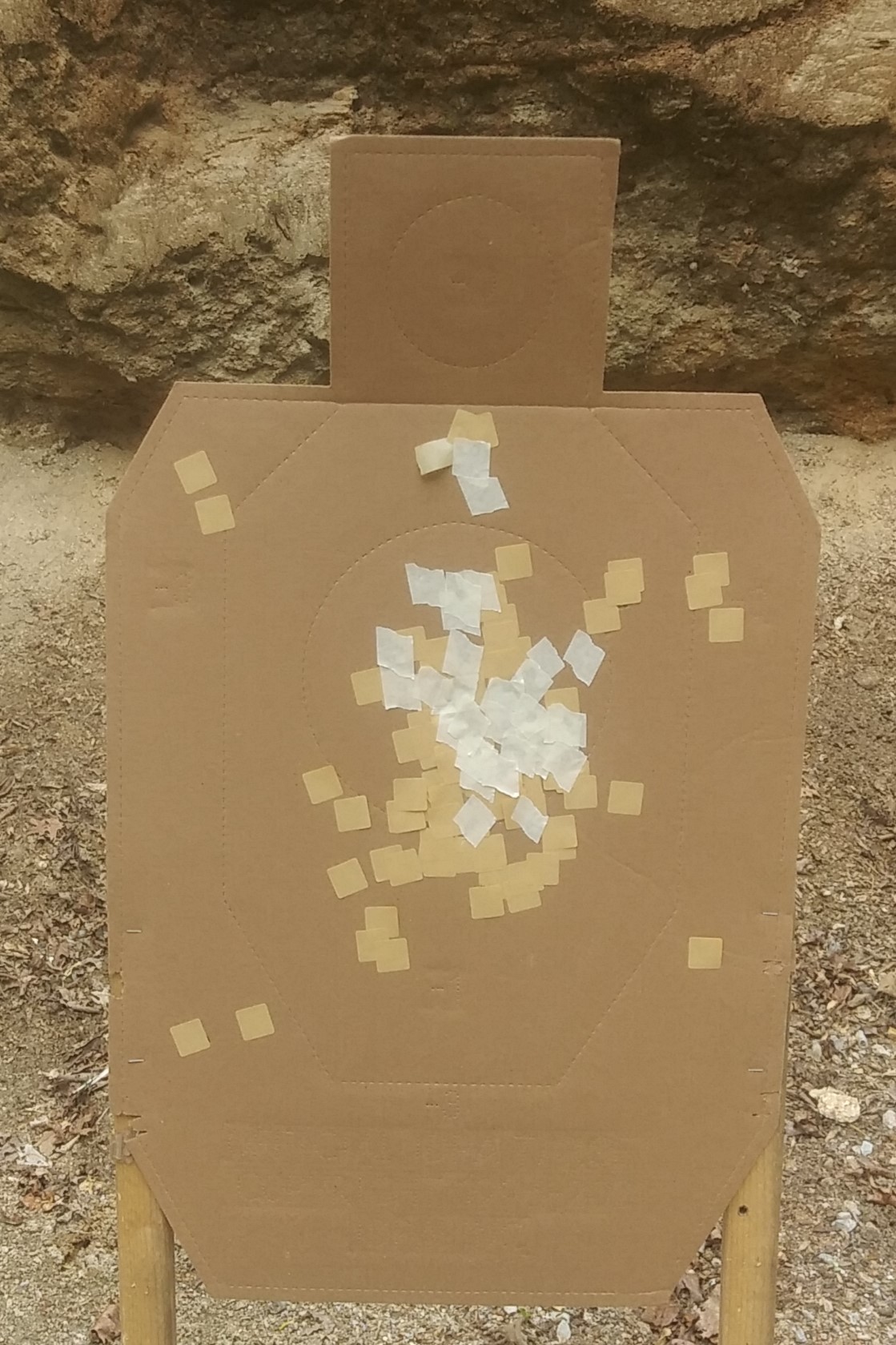
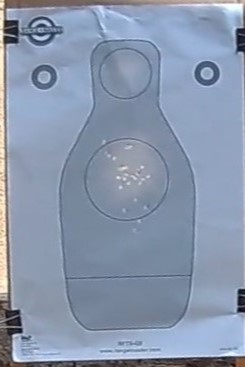
I used a target that I found on the range. The hits covered with masking tape are mine. The ones with pasters are from the previous and unknown shooter. The two hits just below the neck line were the ones probably the result of hammering.
Since BOPS has four strings, I used the opportunity to tune up with several different loading devices. One was an HKS speedloader and the others were various tools from Zeta6 that I like. All the Zeta6 devices are modified with Retention Rings. I find the Retention Ring is a handy addition for getting the device out of my pocket.

It was a nice little tuneup. The day was nice and the results were satisfying.
Tactical Conference 2024 – Loot and Looted
At every Conference, Seminar, or industry gathering, the attendees always return with items given away by Presenters and other attendees. TacCon 2024 was no exception; I call this ‘Loot’ and I returned with some good items.
Loot
Books
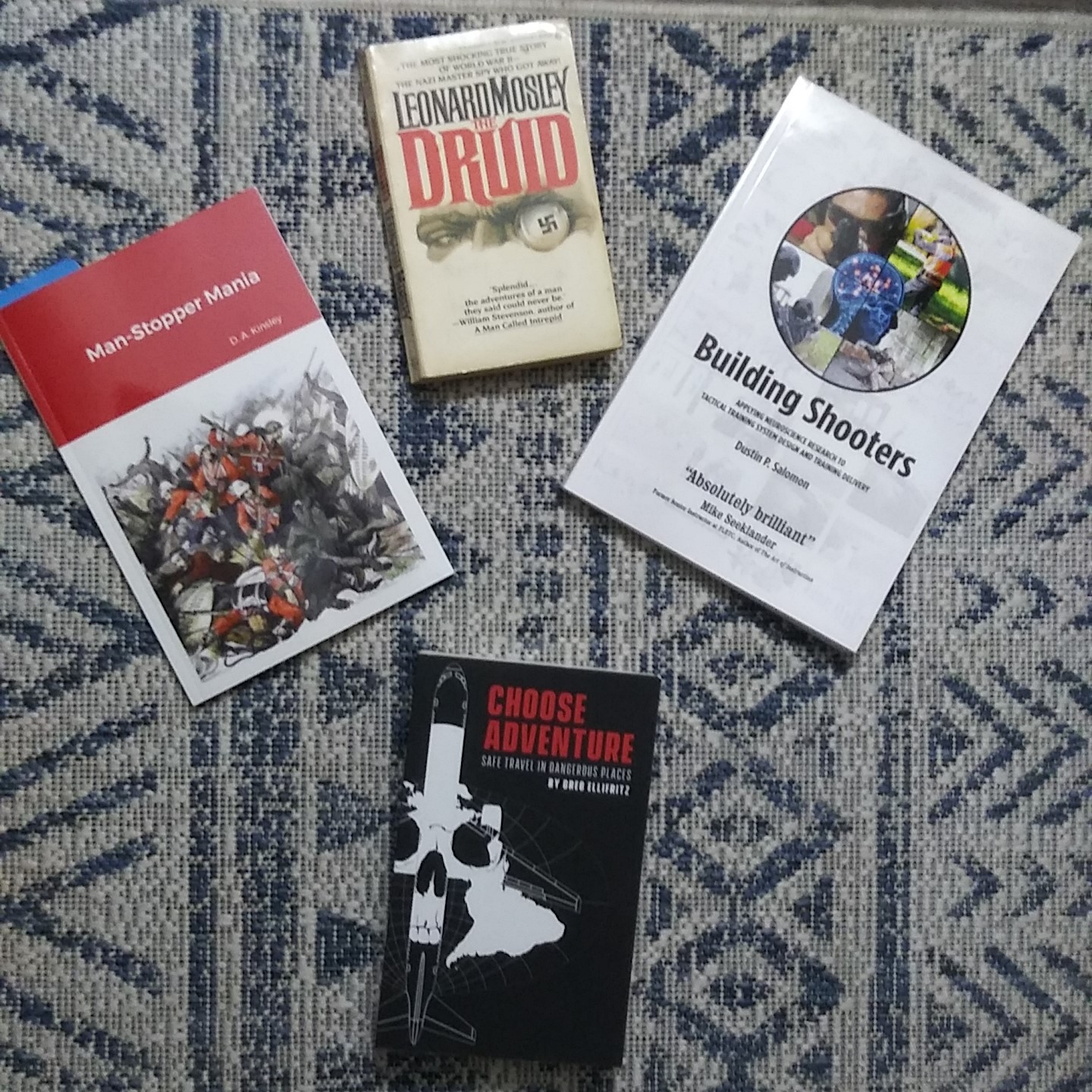
Good reading material courtesy of Chuck Haggard, my hostess for the weekend, Andy Stanford, and Greg Ellifritz.
Targets and Drills
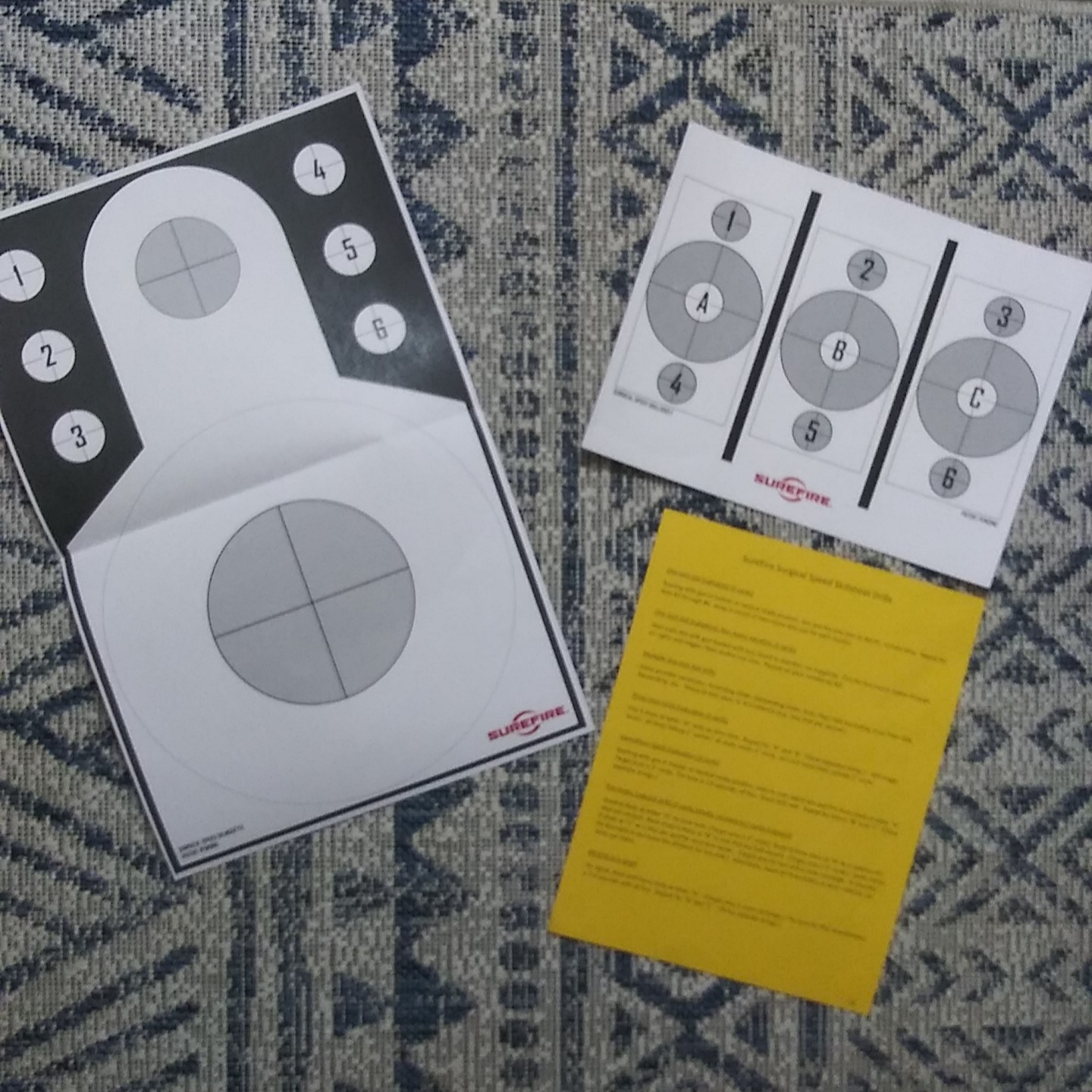
At the end of Andy Stanford’s Practical Handgun Drills class, he gave us laminated copies of the Surefire targets and a double sided sheet of drills for using them.
Cool Stuff

Yet another doubloon from Andy Stanford was a Surefire Stiletto flashlight, given to all the trainers at the event. Retention Ring gave me a nice laminated card as an aid for adjusting pistol and rifle optics. A friend in the Air Marshal Service presented me with a cool pin and Chuck gave me a unique and apparently one off revolver inert gun.
Looted
Notice that there is no picture of the package of Narcan gifted to me by Greg Ellifritz. That’s because it was ‘liberated’ from my suitcase while in the custody of Frontier Airlines on the trip home. Whether a sticky fingered baggage handler got it or it was ‘seized’ without notice or an inspection tag by the TSA is unknown to me. Sunny Hostin might think the Total Eclipse disintegrated it while in the aircraft’s hold. When I opened the suitcase, I thought things were arranged a little differently. A bit later I realized that the Narcan had taken a walk.
That’s the last time I’ll ever fail to secure my suitcase with a TSA lock and a zip tie. I didn’t feel it was necessary this time because I didn’t have a pistol in my suitcase but it’s a lesson learned.
Many thanks to my friends for their generosity. Whether presenting or attending, there’s always interesting stuff given out at conferences. I’m looking forward to duplicating the Surefire targets and shooting Andy’s drills for them.
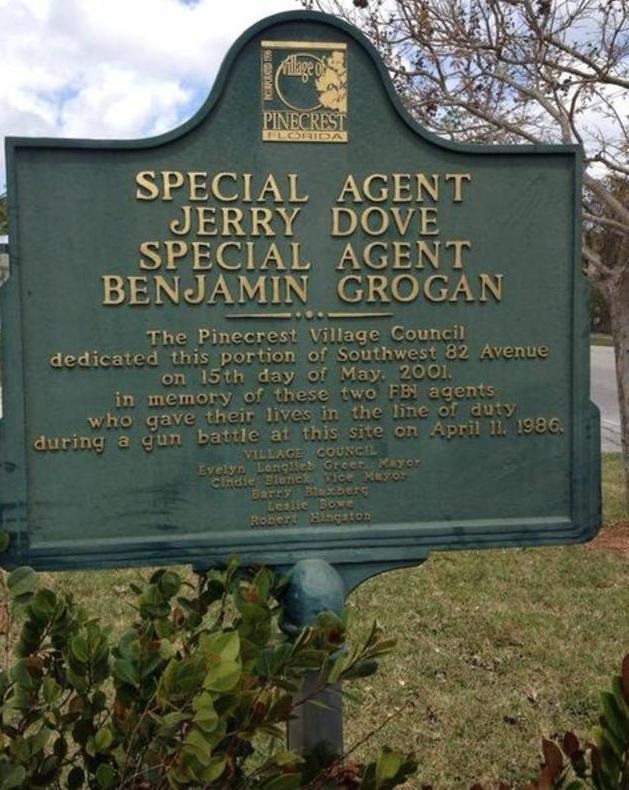
In Memoriam to all the heroes of the Miami Massacre, April 11, 1986. https://en.wikipedia.org/wiki/1986_FBI_Miami_shootout
Tactical Conference 2024 Pistol Match
#wheelgunwednesday
I shot the match with my Taurus 856 snub.

Here’s a video short of the Pistol Match https://youtube.com/shorts/uFh9EogmeAY?feature=share
Course of fire
All strings were shot at turning targets in 4 seconds.
3 yards
- 6 shots from concealed holster (6/6)
5 yards
- 5 shots from concealed holster (5/11)
- 5 shots from concealed holster (5/16)
- 4 shots Primary Hand Only from Low Ready (4/20)
- 3 shots Support Hand Only from Low Ready (3/23)
7 yards
- 4 shots from concealed holster (4/27)
- 4 shots from concealed holster(4/31)
10 yards
- 2 shots from concealed holster (2/33)
- 2 shots from concealed holster (2/35)
5 yards
- 5 timed {3.53} face shots from Low Ready (5/40) These shot were scored with Comstock scoring.
This was my final target score. I pulled a few out of the circle but none below the belt or off the silhouette.

Rangemaster Tactical Conference 2024
TacCon 2024, as we call it, is now in the books. [link] It is an annual teaching and learning conference for those who are, or want to be, serious students of the Art of Self-Defense and Personal Protection. This is the fourth year it has been held at the Dallas Pistol Club, a marvelous facility.
The Conference is three days long. This year there were 42 trainers, who taught 69 different classes in 10 different ranges/classrooms. Topics ranged widely from shooting technique to unarmed combatives to medical procedures to using social media effectively and safely. Some classes are live fire, some are hands-on non-live fire, and some are lectures.
There is also a pistol match for those who choose to shoot it. The match is not mandatory and some attendees don’t shoot it. Not everyone who attends TacCon is a gun person, although most are. The Pistol Match consists of 40 rounds shot on turning silhouette targets at distances of 3 to 10 yards.
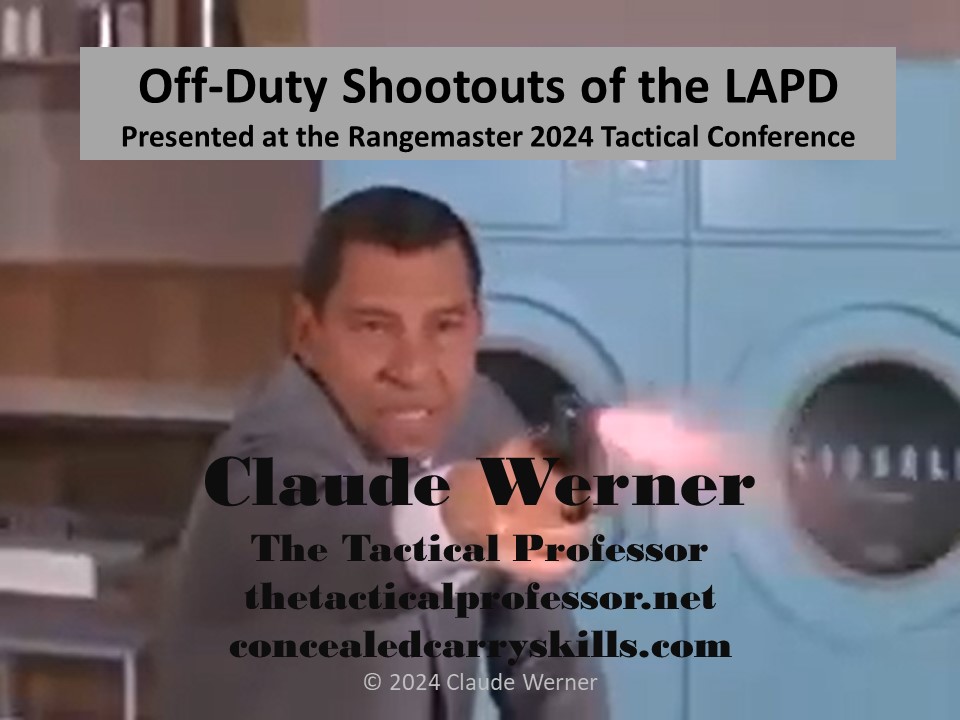
The presentation I gave was Off-Duty Shootouts of the LAPD. The basis for my presentation was the entirety of shootouts by LAPD officers, while they were off-duty, during the period 2005 to 2022, the last year full reporting has been published.
Since there are generally 10 classes going on at time, it’s impossible to attend them all. Some of the classes are repeated once or twice but the majority are not. Classes I was able to attend were:
Friday
Beware of… Well, Just Beware by Tom Givens
As my colleague Craig Douglas likes to ask “How do you do ‘Situational Awareness?’” Tom provided some answers to that question.
Civilian Defender Philosophy by Dr. Sherman House
The Art of Self-Defense and Personal Protection has many different facets, as represented by the wide variety of topics presented at TacCon. ‘The Real Dr. House’ presented his thoughts on how to prioritize and integrate them.
SATURDAY
Off-Duty Shootouts of the LAPD by Claude Werner, the Tactical Professor. To start the day off right, my presentation was one of the 8AM offerings.

Why study Off-Duty POlice Shootings? LAPD officers are encouraged to NOT take “enforcement action” while off-duty. Off-duty lethal force incidents involving LAPD officers are almost always Self-Defense/Personal Protection incidents much like those that could be encountered by Armed Private Citizens. They provide a thoroughly researched and documented database of shootings and the circumstances that led up to them.
Pistol Match
I finished about middle of the field. But since I shot a Taurus 856 snub revolver and speedloaders against a bunch of red dot equipped service sized autoloaders, I’m okay with that. POV video of the match will be up in a few days on my YouTube channel.
10 Tips for Teaching Gateway Students by Karl Rehn
It’s heartening to me to see how many high level instructors are thinking about best practices for teaching entry level gunowners and shooters. Karl’s wasn’t the only such presentation at the Conference but the only one I could attend.
During lunch, Andy Stanford from Surefire did a video interview with me about Serious Mistakes Gunowners Make and Guns That Get No Respect. When he publishes the edit, I’ll link it.
More about the Conference tomorrow
Improving Snub Sight Visibility, Again
#wheelgunwednesday
The new Lipsey’s 642 UC (Ultra Carry) is the latest hotness in the revolver community. Its single biggest feature is an upgraded set of sights on it. The sights are a worthy improvement.

Not everyone who owns one of the millions of snub revolvers out there is going to buy something new to get a better set of sights though. I’ve written previously about how to improve the sight visibility of a snub revolver. https://thetacticalprofessor.net/2019/07/10/getting-more-out-of-your-snubs-sights/
The bottom line is that if you can’t see the sights on your snub, you can’t use them.
Earlier this year, I purchased an Ameriglo tritium front sight for my Taurus 856. Although I had already painted the original front sight as outlined in the previous article, I wanted to try out the Ameriglo. Installing it was not difficult, only requiring a 1/16th inch pin punch. Some kind of bench block is helpful. The process is easier if the cylinder is removed so the gun lies flatter on the bench.
A word of warning; the screw that holds the yoke on the Taurus is not one piece assembly like a Smith & Wesson. There’s a small plunger and spring that fits inside the Taurus screw and is a separate assembly. It will come out when the screw is removed. Watch for it and don’t lose it, the screw will not hold the yoke in if the plunger assembly is lost.
The rear of the Ameriglo sight overhangs the barrel a bit and at first I thought that was a design flaw. Then I realized it’s actually very clever. The overhanging lip ensures that the hole for the roll pin holding the sight in place is always in the same spot. It works very well, the pin was easy to reinsert. A replacement pin is included with the sight but I reused the original.
When I took it to the range, I had an issue. While the sight is highly visible, bringing the whole orange area into the rear notch when sighting makes the gun shoot high. This is a common problem when folks paint the entire ramp of a revolver. The natural tendency is to bring the entire colored area visible in the rear notch. Inevitably, this means the top of the front sight is above the top of the rear notch and the gun will shoot high. As long as you’re just trying to hit the 8 ring of a B-27 at 3 yards, this doesn’t matter. However, if you’re trying to put a bullet in the face of the target at 5 yards or more, it becomes very problematic.
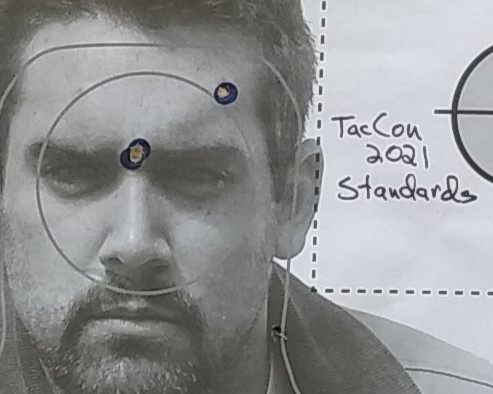
I had to consciously bring the top of the sight down into the notch for every shot. This reduced how much the high visibility of the sight contributed to my shooting. I was still able to make my par times but I was working at it.

To remedy this, I painted the lower part of the sight with white Appliance enamel. Fortunately, it was obvious that the tritium dot established the part needing white paint. I’m not concerned about the night sight, so I just painted over it. Masking the area I didn’t want paint on gave a good final result. The original sight with its paint is on the right.

When working on a snub’s sights, putting a large binder clip on the front of the frame will stabilize the revolver and position it properly so you can do your artistry. Put some tape or cloth around the frame if you are concerned about scratching it. Note also that the rear notch is blackened with an Ultra Fine Point Sharpie.

The system that inspired this method of painting sights is the Optical Landing System used by pilots landing on aircraft carriers. They learn to use the visual reference very quickly while landing and with some practice, using the sight paint on the front sight to achieve a good sight alignment becomes second nature too.
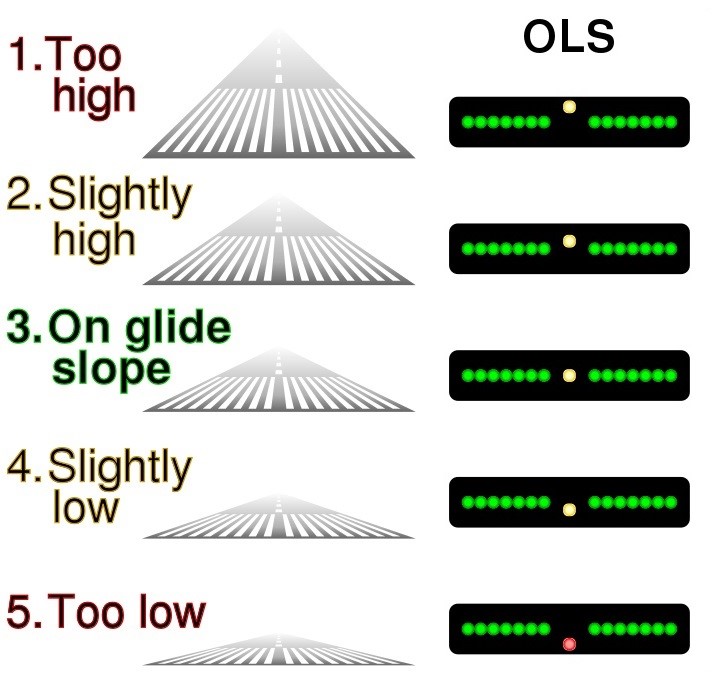
If I see the white, I know the sight is too high. If I don’t see the orange, I know to bring the front sight up. After doing it for a while, this becomes as instinctive as driving between the lines on the road, unless you drive a Honda Odyssey, in which case the lines probably aren’t important to you. 😊
I’ll find out how well this works at the 2024 Tactical Conference when I shoot the pistol match.
My ebooks about shooting and personal protection are available on Payloadz. https://store.payloadz.com/results/337896-tactical-professor


You must be logged in to post a comment.