Fall of The Wall Day Revisited
Today is not #throwbackthursday but this is my most memorable throwback.
On November 9, 1989, the Berlin Wall started to be torn down. It is sometimes called Fall of the Wall Day. The tearing down of the Wall was one of the most momentous days in human history. Those who didn’t live through the Cold War can’t imagine the emotional impact it had on those of us who did.
https://thetacticalprofessor.net/2023/11/09/fall-of-the-wall-day/
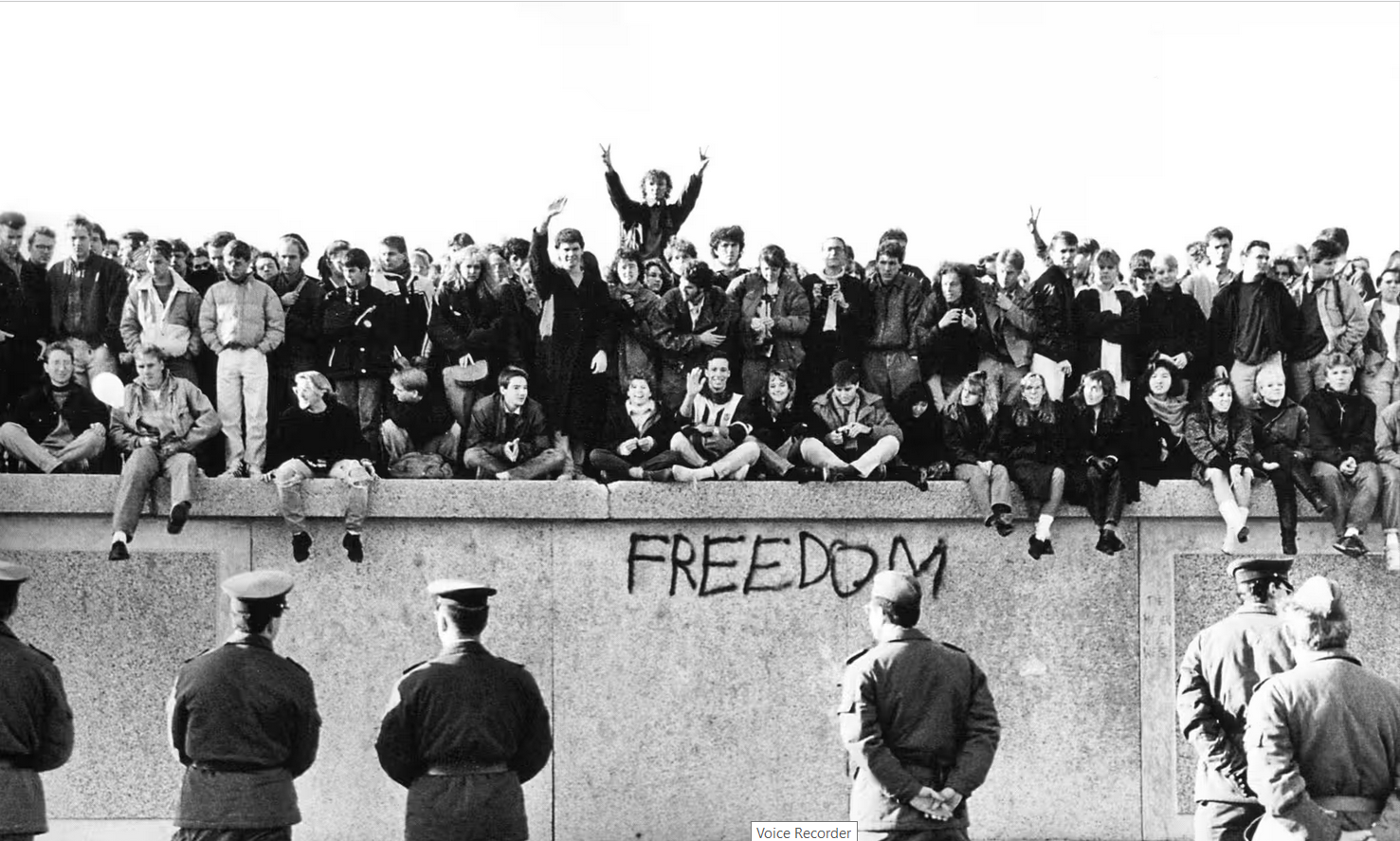
I still remember the day clearly. It will be ingrained in my memory even when I’m as senile as Moron Joe. That day meant soldiers like me didn’t have to wonder about dying in the Fulda Gap Memories of the Fulda Gap or undertaking one-way missions into Soviet occupied territory. It was stupendous.
Fall of the Wall Day
#throwbackthursday
Trigger Warning! This is a series of posts about my personal experiences. It has nothing to do with self-defense, hand guns, or Personal Protection.
On November 9, 1989, the Berlin Wall started to be torn down. It is sometimes called Fall of the Wall Day. The tearing down of the Wall was one of the most momentous days in human history. Those who didn’t live through the Cold War can’t imagine the emotional impact it had on those of us who did.
The Wall wasn’t demolished by governments. People broke through en masse and then started to tear it down. Even the border guards, who had killed over 140 escapees over the years, were no longer willing to enforce the rules against crossing.
The German experience of the event was different from ours here in the United States. East German people wanted freedom; they no longer believed in their government. It could almost be said that the Communist governments no longer believed in themselves.
A young woman was driven across the border the next day. Then, “she opened the door, stuck her leg out, and touched the floor with her foot. Then she smiled triumphantly.
‘It was like the moon landing,’ recalled [the man who drove her], ‘a kind of Neil Armstrong moment.’
Later, back in the East, she had called her parents and said, ‘Guess what, I was in the West.’ ”
To Americans it was somewhat different. I remember it as if it was yesterday. I was standing next to a friend’s cube while he was listening to the radio. When the broadcast said the Wall was being torn down, my knees got weak. If there hadn’t been a short wall for me to support myself on, I would have fallen down.
The Wall was the most visible symbol of the Cold War. Tearing it down meant the Cold War was over. The Sword of Damocles of thermonuclear annihilation was no longer hanging over our heads. Thermonuclear effects Soldiers didn’t have to wonder about dying in the Fulda Gap Memories of the Fulda Gap or undertaking one-way missions into Soviet occupied territory. The feeling was stupendous.
A series of events led to the Wall’s destruction. People who had lived under Communism for their entire lives realized it didn’t work.
https://blogs.loc.gov/international-collections/2019/11/the-rise-and-fall-of-the-berlin-wall/
“It was on 9 November 1989, five days after half a million people gathered in East Berlin in a mass protest, that the Berlin Wall dividing communist East Germany from West Germany crumbled.”
Memories of the Cold War – The Fulda Gap
#throwbackthursday
Trigger Warning! This is a series of posts about my personal experiences. It has nothing to do with self-defense, hand guns, or Personal Protection.
Where is the Fulda Gap? The geographic answer is that it is an area in Germany having considerable lowlands flanked by hilly terrain. During the Cold War, it was just west of the border between East and West Germany.
What was its significance during the Cold War? The topography of the Fulda Gap makes it favorable for the movement of armored vehicles. It is strategically close to the Rhine river and other NATO countries. These factors made it the logical location as the primary invasion route of Soviet forces into NATO territory. It was where every US Army infantry and armored soldier of the Cold War period considered we might die in battle.
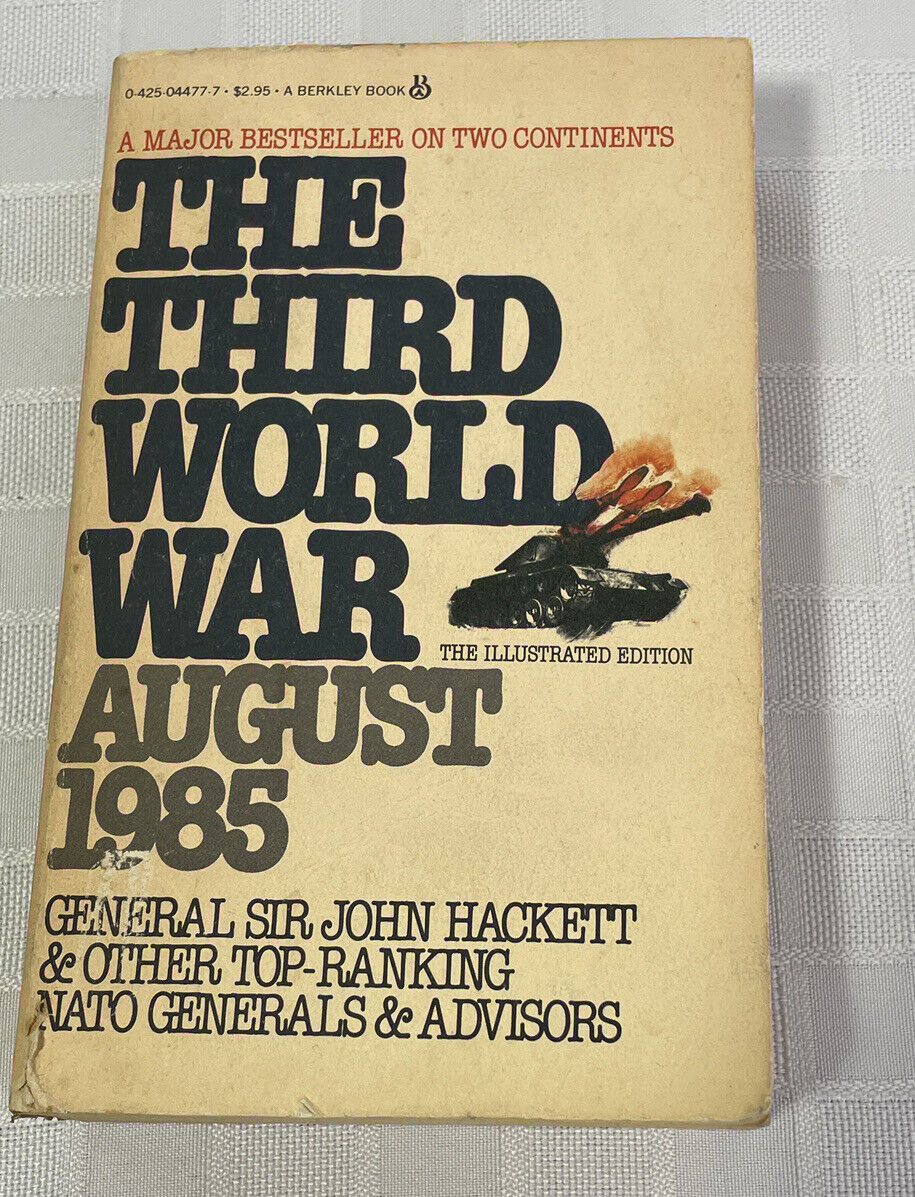
Contrary to foolish current opinions, usually by people who weren’t even alive back then, that the end of the Soviet Union was predictable and inevitable, it was not at all obvious at the time. A review on Amazon of The Third World War August 1985 https://www.amazon.com/dp/B001L1UGPG/ contained this absolutely accurate statement.
“I lived through this era as a U.S. Navy officer, and back in the day NO ONE expected the USSR to collapse when it did, in the way it did. Sir John Hackett accurately captured the built in contradictions of the Soviet Socialist system, and missed only the mode of its collapse, predicting a desperate military lunge instead of the amazingly peaceful self-termination that actually happened.”
The Third World War August 1985 was required reading when I was an ROTC cadet in the early 1980s. We all considered the possibility that we would be assigned to the border as some point in our careers.
Facing each other along the Gap were two powerful and antagonistic armored formations. The US Amy V Corps, comprised of an Armored Cavalry Regiment, a Mechanized Infantry Division, and an Armored Division, along with various aviation units, was on the NATO side of the border. Arrayed against them in East Germany was a Soviet Guards Army of three Motorized Rifle Divisions and one Tank Division plus air assets.
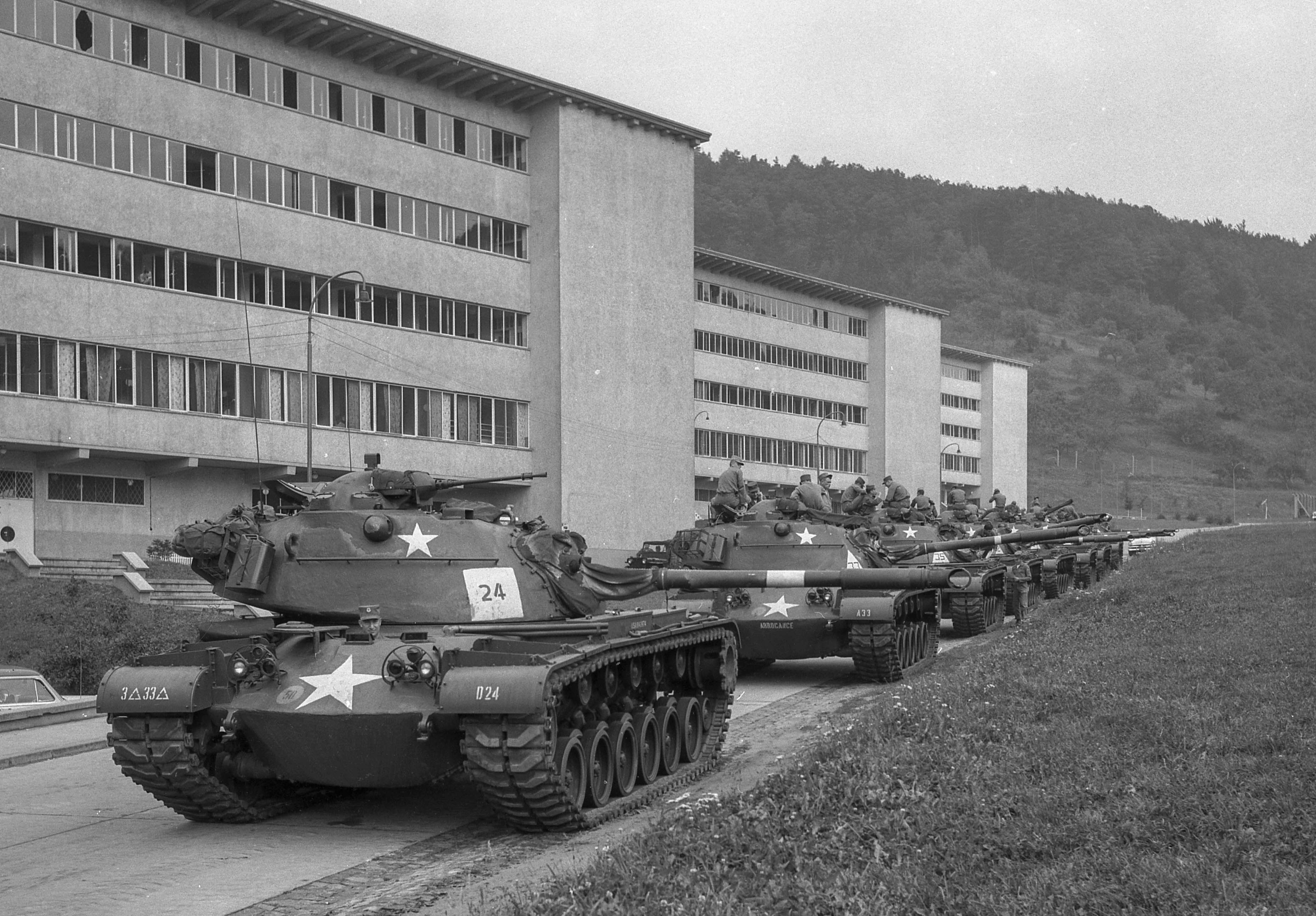
Annually during the Cold War, a massive exercise called Return of Forces to Germany (REFORGER) was conducted by the Army. The purpose was to reinforce Army units already stationed in the event of war or imminent war. An article about REFORGER https://www.ausa.org/articles/we-were-there-reforger-exercises-designed-counter-soviet-threat made this trenchant statement:
“REFORGER was more than an annual exercise, as it became part of the Army’s DNA and connective tissue to the nation’s allies.”
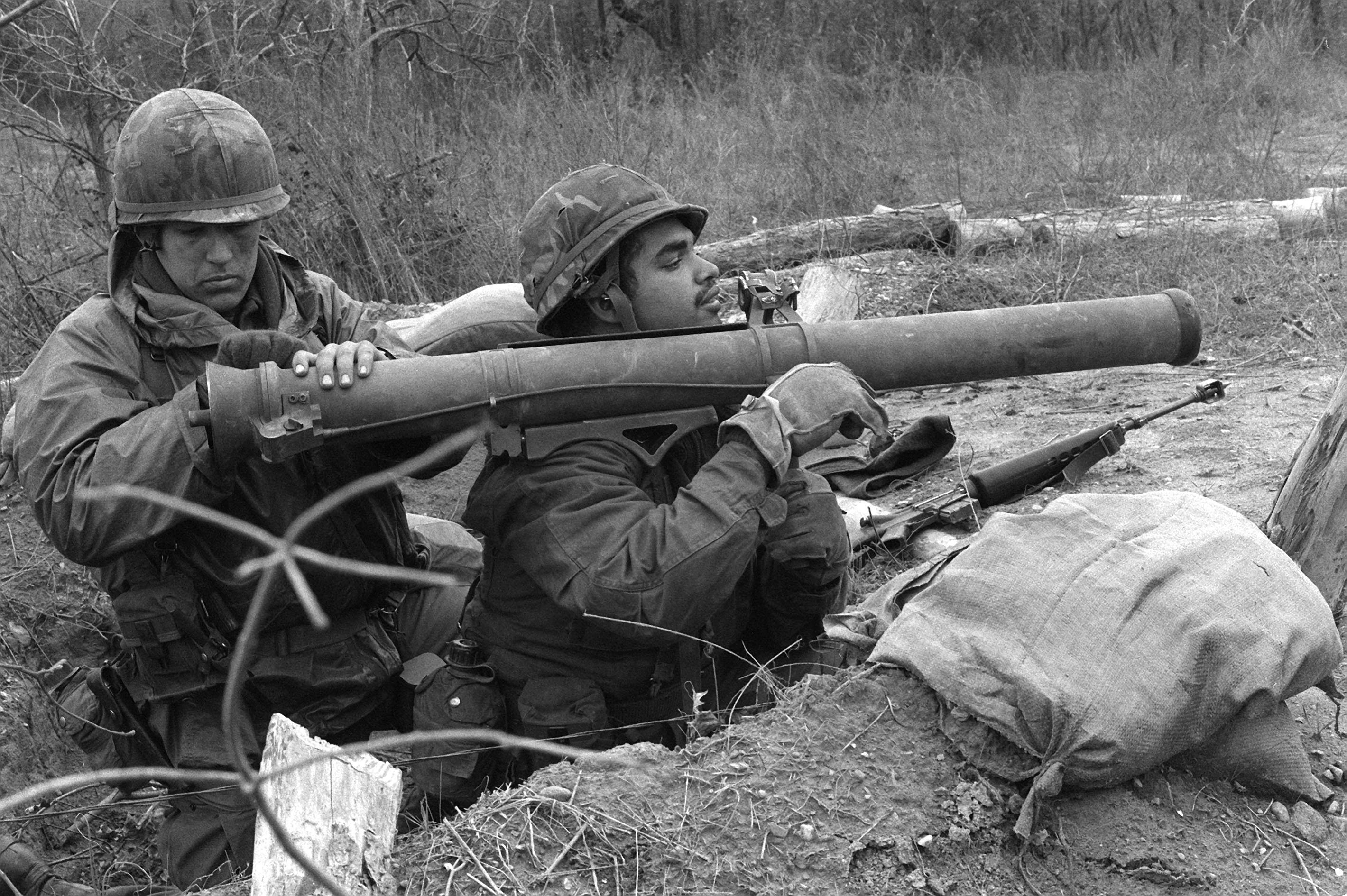
The 1st Ranger Battalion was part of an early REFORGER exercise in 1975 while I was in it. Since Rangers are a Light Infantry Airborne unit, they can be quickly deployed by air in the early stages of a war. We had no illusions that if the invasion actually happened any of us would be coming back. Our pathetic little 90mm Recoilless Rifles would probably only make dents in Soviet T-72 tanks, assuming we weren’t wiped out by massive Soviet artillery concentrations before the tanks ever got to us.
The Los Angeles Times published an interesting article about the Fulda Gap in 1987. It mentions “leftist politicians,” which is an entertaining reference from that newspaper.
https://www.latimes.com/archives/la-xpm-1987-03-01-mn-6926-story.html
Another interesting article about the Fulda Gap is available from The Black Horse (11th Armored Cavalry Regiment) Association. https://www.blackhorse.org/history-of-the-fulda-gap/
Over the course of decades, hundreds of thousands of soldiers served in West Germany and hundreds of thousands more were prepared to give up our lives there. It’s a memory that none of us will ever forget.
FDR and the Rangers
#throwbackthursday
Trigger Warning! This is a series of posts about my personal experiences. It has nothing to do with self-defense, hand guns, or Personal Protection.
President Franklin D. Roosevelt personally chatted with some soldiers of the 6th Ranger Battalion in the Oval Office shortly before he passed away from a cerebral hemorrhage.
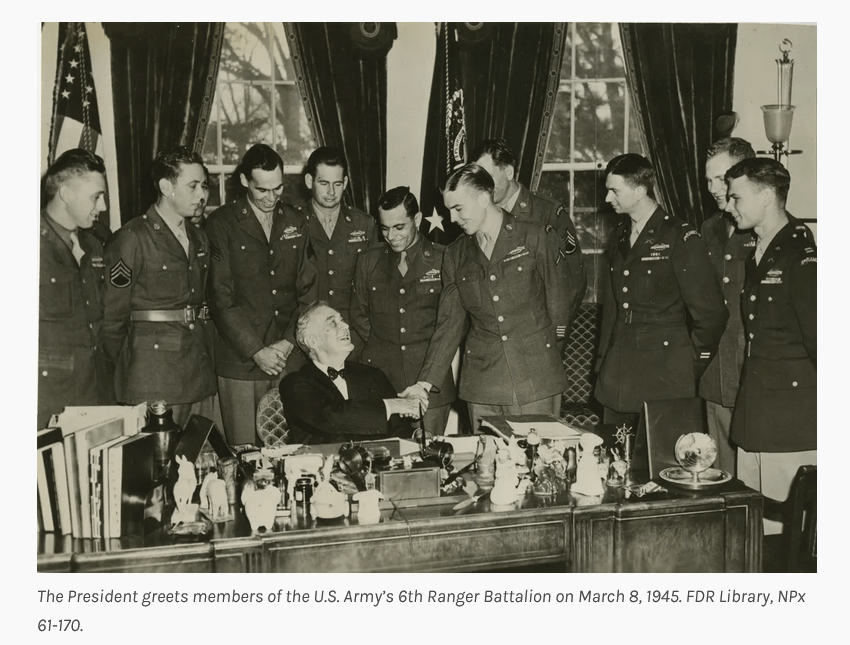
The 6th Ranger Battalion was deactivated shortly after the end of the War.
https://www.army.mil/article/242208/75th_anniversary_of_the_deactivation_of_the_6th_ranger_battalion
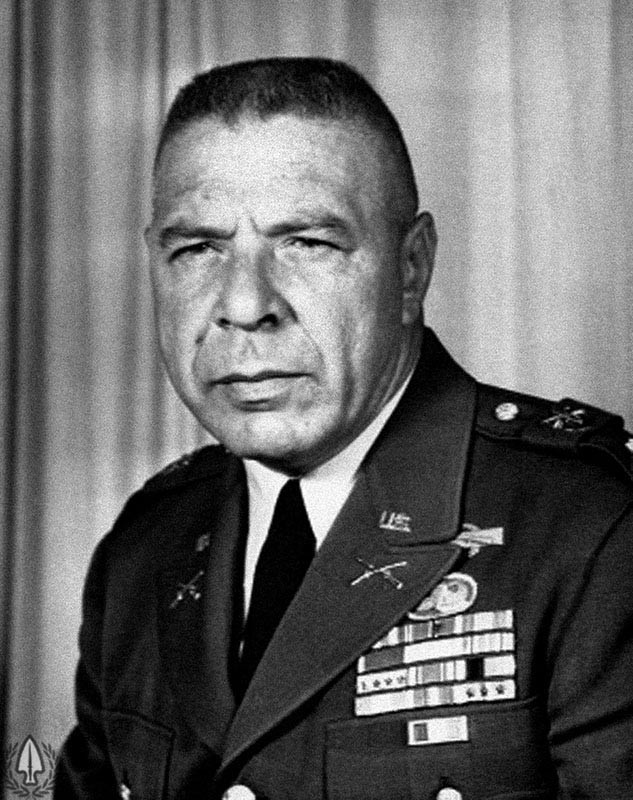
Colonel (then Major) Bull Simons was the Acting Battalion Commander at the deactivation.
Six Degrees of Separation
Colonel Simons was Deputy Commander of the “Joint Contingency Task Group,” the Special Forces soldiers who conducted the Son Tay Raid https://www.army.mil/article/241352/operation_ivory_coast_a_mission_of_mercy in 1970. Another member of the JCTG was Major (then Staff Sergeant) Thomas Powell, who received the Distinguished Service Cross for his actions during the Raid. I was so fortunate as to go through Ranger School with Major Powell (then a Second Lieutenant) a few years later. He was instrumental in helping me receive an Outstanding grade for my last patrol, despite being so tired and hungry I could barely think.
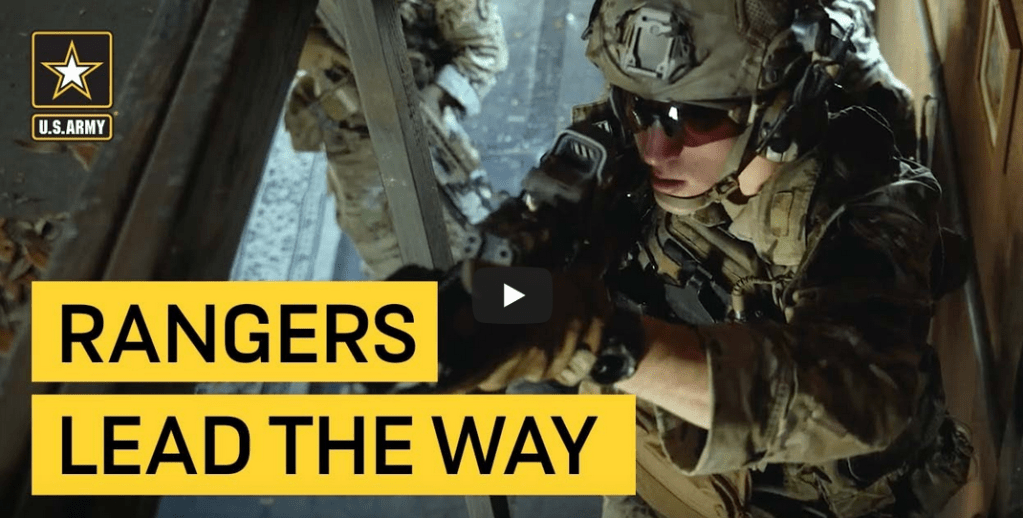
I’m not sure if that gives me a connection to FDR but I am proud of the fact that I volunteered to be one of the “Original 600” of the modern era Rangers.

Cold War Memories – The Effects of A Thermonuclear Attack
#throwbackthursday
Trigger Warning! This series of posts has nothing to do with self-defense, hand guns, or Personal Protection.
Some time while I was a teenager, one of the Chicargo newspapers ran a Sunday feature article about what a Soviet thermonuclear attack would have been like. This would have been the period of 1968-1972. The article talked about the effects on the city if a Soviet thermonuclear weapon exploded over the elevated train Loop downtown.

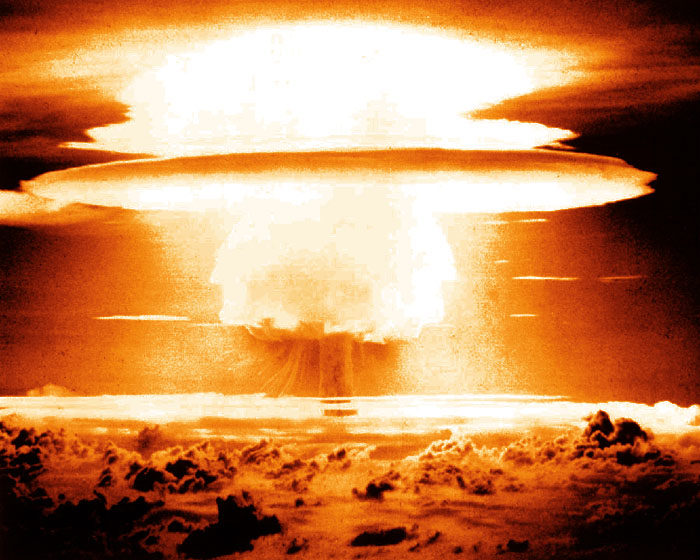
IIRC, the article used a 1 megaton warhead as the weapon. However the most likely candidate during that time period would have been a missile of the R-12/SS-4 type that precipitated the Cuban Missile Crisis https://www.russianspaceweb.com/cuban_missile_crisis.html . It had a maximum yield of 2.3 megatons.
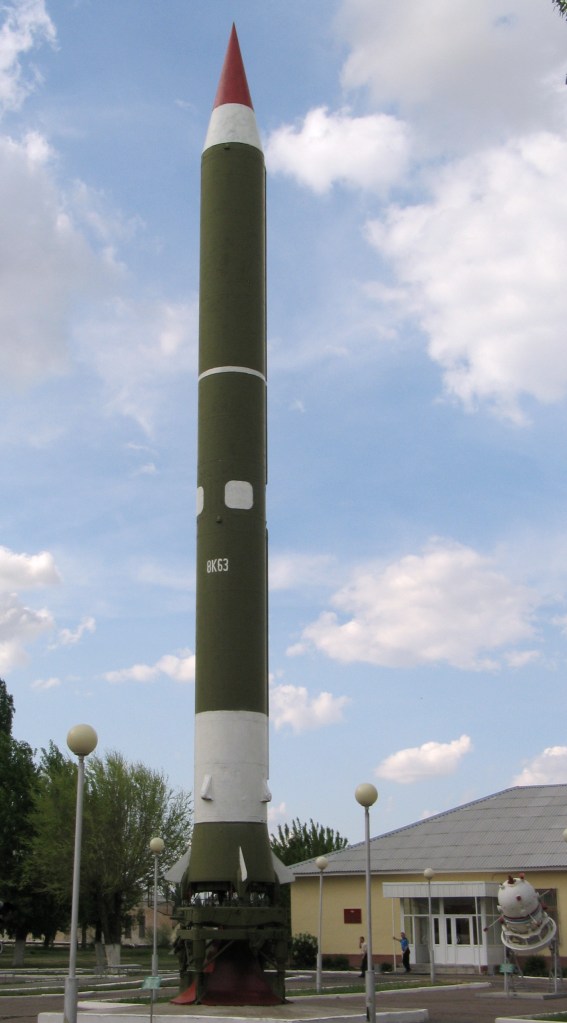
The tactic of thermonuclear combat was to explode a weapon above a city as an airburst to maximize the destruction it caused. Even if the weapon’s fireball didn’t touch the ground, its heat would for a moment be hotter than the surface of the Sun. As a result, everything below the fireball would be vaporized. My memory of the article was that the entire downtown area would be turned into a crater 20 feet deep.
My research for this article uncovered a very informative website called Nuclear Secrecy by Professor Alex Wellerstein. An amazing part of the website is an interactive ability to input weapon and target parameters to generate a map of a weapon’s effects. https://nuclearsecrecy.com/nukemap/ All maps in this article are courtesy of Dr. Wellerstein’s website. Using this website provided even more accurate indicators of the destruction a weapon would have caused. The airburst altitude for the parameters chosen was 4,120 meters (13,596 feet).
The entire downtown area would have been turned into a crater not the 20 feet of my recollection but rather 122 meters (402 feet) deep. The crater would have a diameter of about one kilometer. The fireball would have a diameter of about 7/8ths of a mile. Inside the fireball, everything would have been vaporized. All Starbucks baristas and customers in the area of the fireball would have ceased to exist in a millionth of a second. No further crying about too many customers would occur after that millionth of a second.
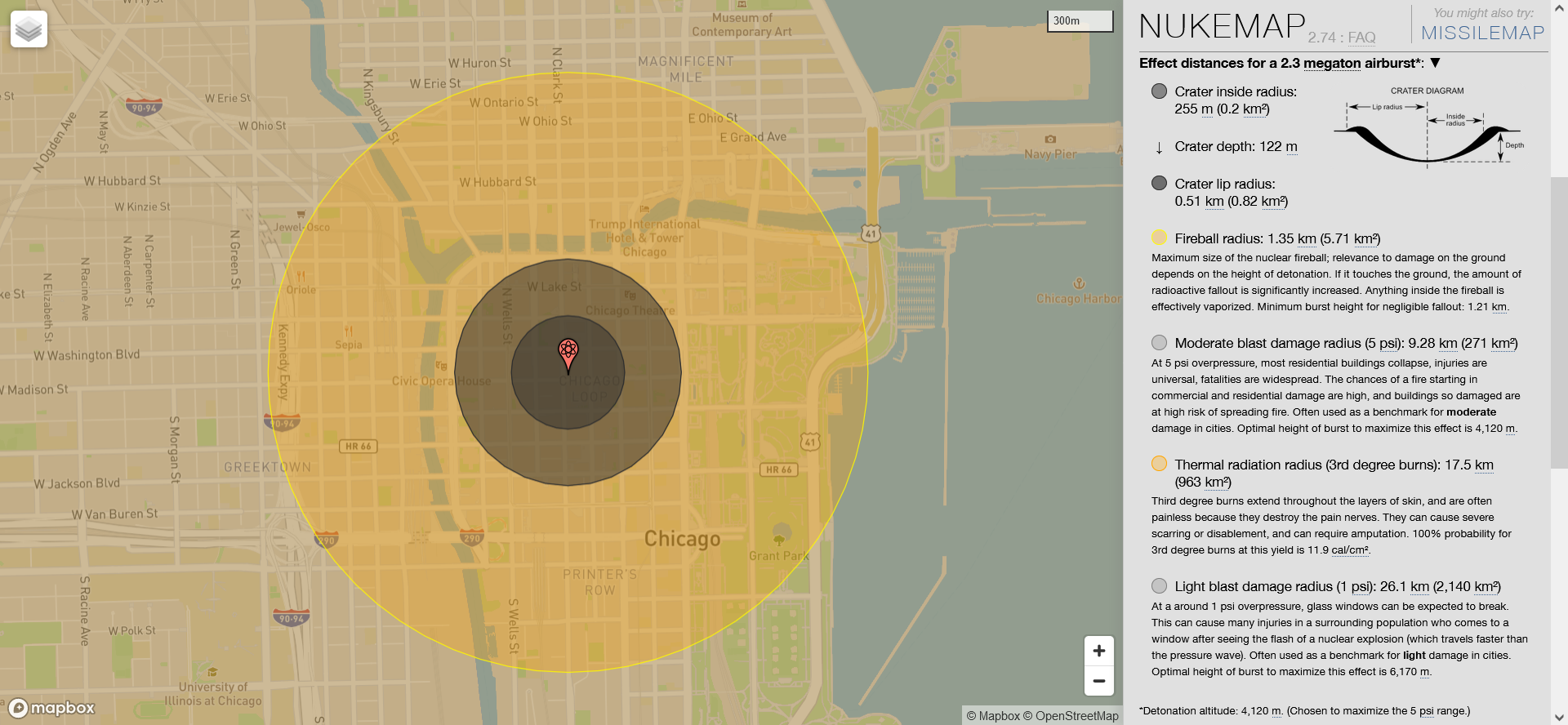
Unfortunately, the high school I attended during this time period was inside the “Moderate blast damage radius” of a weapon. This means the building had a high probability of collapsing but almost certainly would have instantly started burning. All of us would have been injured and many killed immediately.
“Most buildings collapse, Injuries are universal, fatalities are widespread.”
Department of Defense

Fortunately, my neighborhood was only in the “Thermal radiation radius.” Most of the buildings were brick so might not have been knocked down. Someone standing near a window would have been torn to shreds by flying glass though. Anyone outside would have sustained 3rd degree burns over much of their body and died shortly thereafter.

Much of Crook County would have been impacted by the blast.

A bleaker picture emerged during my research. A 1990 Federal Emergency Management Agency document, the Nuclear Attack Planning Base, forecast more than just one weapon would have hit Chicargo. The city’s prominence as a population center and manufacturing base for the military-industrial complex at the time meant that most likely 12 weapons would have been targeted against the area. Probably most of Northern Illinois not only would have been destroyed but would have been completely wiped off the face of the planet. https://nuke.fas.org/guide/usa/napb-90/index.html
No more crying at Starbucks about too many customers there for several centuries at least.

Next post: The Army and the Fulda Gap.
Cold War Memories – The Missile Batteries
#throwbackthursday
Trigger Warning! This series of posts has nothing to do with self-defense, hand guns, or Personal Protection.
My memories in Chicargo
The Missile Batteries

Another of my memories is the Nike-Hercules batteries that ringed the City of Chicargo during the Cold War. There were a lot of them. Probably the ones I remember seeing were in Jackson Park on the South Side because I loved going to the Museum of Science and Industry nearby.

In the early days, the batteries were equipped with Nike-Ajax, a relatively short ranged missile equipped with a conventional warhead to shoot down individual bombers. Later on, they were upgraded to the Nike-Hercules, which was nuclear capable.
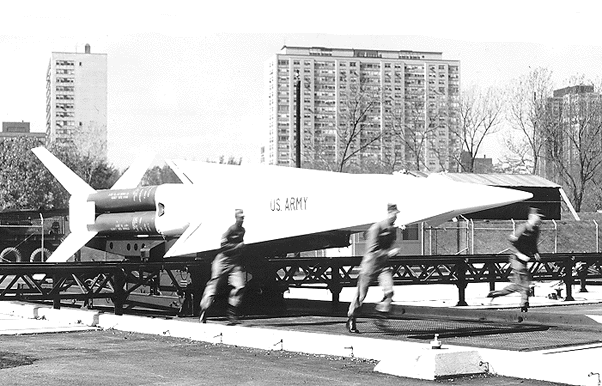
Nike-Hercules was intended to shoot down whole fleets of Soviet bombers by using a nuclear explosion. Although which batteries in the US were actually equipped with nuclear warheads wasn’t publicly released, the general consensus was that at least some of the Chicargo batteries were. The warheads were switchable from 2 kilotons, a tac nuke, to 40 kilotons, larger than the bombs dropped on Japan.
Here’s an Army informational film about Nike Hercules.
Next week: The effects on the City in the event of a successful Soviet thermonuclear attack.
Memories of the Cold War – The Sirens
#throwbackthursday
Trigger Warning! This is a series of posts about my personal experiences. It has nothing to do with self-defense, hand guns, or Personal Protection.
I recently watched an entertaining video by Joey B Toonz, an Idiocracy commentator on YouTube. It is titled Starbucks Employee Crying Over Having to Work. The young fella was upset about having so many customers and having to work a full 8 hours.
https://youtube.com/clip/UgkxyTKxPH-MPuYQ01wF8lTlXRYExkYwjUoY
It got me to thinking about the things that concerned me while I was his age growing up in Chicargo. Unlike the Greatest Generation, I didn’t have to walk seven miles through the snow to school, only one. However, one of the things we Boomers did grow up with was The Cold War https://en.wikipedia.org/wiki/Cold_War and the accompanying specter of thermonuclear annihilation.
My Cold War memories in Chicargo
The Air Raid Sirens

My earliest memories of the thermonuclear specter are the air raid sirens that were tested mid-morning the first Tuesday of each month. I remember beginning to hear them around the time President Kennedy was assassinated when I was in Third Grade. Chicargo had many sirens, reportedly over 100, scattered throughout the city. The monthly tests continued long past when I joined the Army after I graduated from high school.
Probably once a year we would have an ‘Air Raid Drill’ at my elementary school. Because our classrooms had ‘cloak rooms’ where we hung our winter coats, we didn’t do “Duck and Cover.” We just all got up and went into the cloak room for a couple of minutes. In the case of an actual thermonuclear attack, we would have waited there for the building to be destroyed or completely set on fire by one or more 2.2 megaton thermonuclear explosions. More about the actual effects of what such an attack would have done to the city in a later post.
The loudest sirens were the Chrysler Victory sirens. They were marvels of engineering. https://en.wikipedia.org/wiki/Chrysler_Air-Raid_Siren Power for the siren was supplied by a Chrysler Hemi 180 horsepower engine and it produced a wail of 138 decibels, which is similar to the sound of gunfire. Hearing protection was required to operate them just like shooting a gun. They were mounted atop tall buildings, fire stations, and other such places that would allow them to be heard for miles.
A marvelous website called Victory Siren http://stall.net/victorysiren/ has a great deal of information about the Chrysler sirens. There is a recording on it http://stall.net/victorysiren/wav/sound.htm that sounds eerily similar to what I recall of those days. It is Sound Clip #10 – Warning Signal.
“This is a recording of Harry Barry’s Detroit siren as heard five miles away. Although the siren was pointed in Harry’s direction, it was not visible over a ridge between the two distant points. The siren was mounted on a trailer and not at optimum height for sound coverage. At this distance it takes the siren sound about twenty-four seconds (same length of time as this clip) to travel from the siren to the listener. The siren volume was estimated to be 55 to 58 dB at this distance!”
Next week: The nuclear armed anti-aircraft missile batteries surrounding the City of Chicargo back then.
The entire Joey B Starbucks boi video is here. https://youtu.be/KYf8HLDwNhs
 tacticalprofessor
You must be logged in to post a comment.