Historical Lessons – Gunpointing
Some lessons stand the test of time. Being prudent about whom guns are pointed at is one.
This is the first in a series of short videos that recall worthy lessons from historical films.
If you would like to purchase my ebook Real Shootouts of the LAPD, click on the image below.
ETA: This was posted on my Facebook page and it’s too good to not share.
Special Forces Advisor – The Big Picture
#throwbackthursday
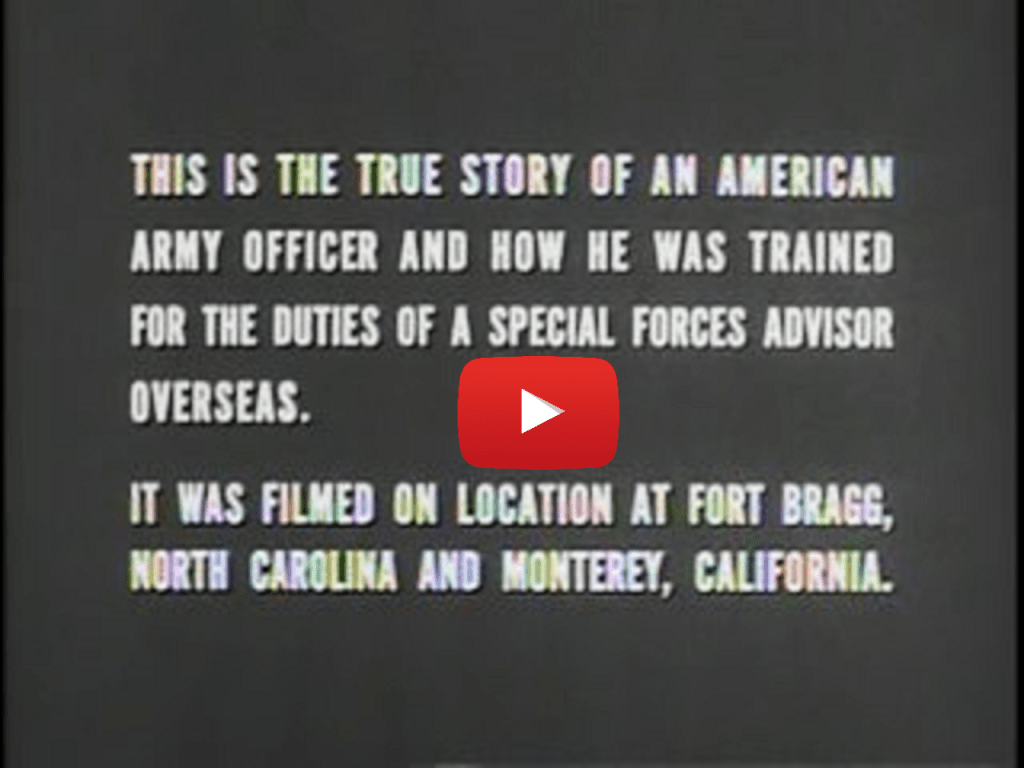
A long, long way from northern Iran. In the airspace over North Carolina, that’s where the story of any Special Forces advisor really starts.
Note that at the time this film was made, Eye-ran was not our enemy.
North Carolina or North Iran, a jump’s a jump. The same tension as you shuffle toward the plane door, the same big lift in your chest as you see that silk billowing out above you, and the same hard meeting with Mother Earth.
And one thing more that’s the same for any Army man who comes down in a parachute, even at a tactics class, one part of our course at Fort Bragg Special Warfare School. When he lands, it may be the safe ending to a flight but his job is just beginning.
You five students know your part in this exercise. You’ve been dropped presumably into enemy-held territory but guerillas friendly to us are operating. You’re to link up with the guerrilla force in your area, train them in the tactics which we’ve been teaching you, and follow through on a bridge destruction mission with them.
My book Shooting Your Black Rifle seems appropriate to this series of films. If you would like to purchase it, click on the image below.
Guerrilla, U.S.A. – The Big Picture
#throwbackthursday
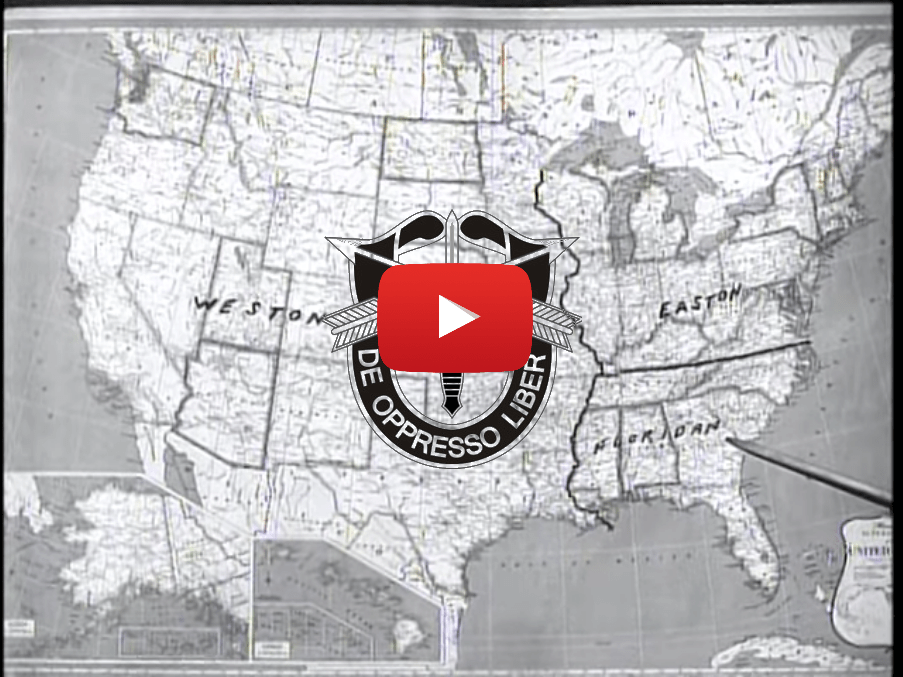
Shortly after World War Two, the country that was formerly known as the United States was divided into three countries; Weston, Easton, and Floridan. The country of Easton has been in the Communist sphere since World War Two.
Throughout Easton, mainly in the inaccessible areas of West Virginia, bands of twenty to a hundred guerrillas have been conducting raids and ambushes against the Easton government forces.
Yesterday, the President of Weston directed the Secretary of Defense to provide appropriate military assistance to these guerrillas.
Men, your mission is to infiltrate into Easton, organize the guerrillas, and conduct unconventional warfare operations.
(Note: their mission was actually to conduct Guerrilla Warfare operations, a subset of Unconventional Warfare.)
This film was produced by the United State Army in 1963 for syndicated distribution to as many as 320 US commercial television stations. “The United States Army presents The Big Picture, an official report produced for the Armed Forces and the American people.” The video is presented as an historical document and in no way represents commentary on the current political situation of the United States.
My book Shooting Your Black Rifle seems appropriate to this series of films. If you would like to purchase it, click on the image below.
Denny’s Shootings and Fights
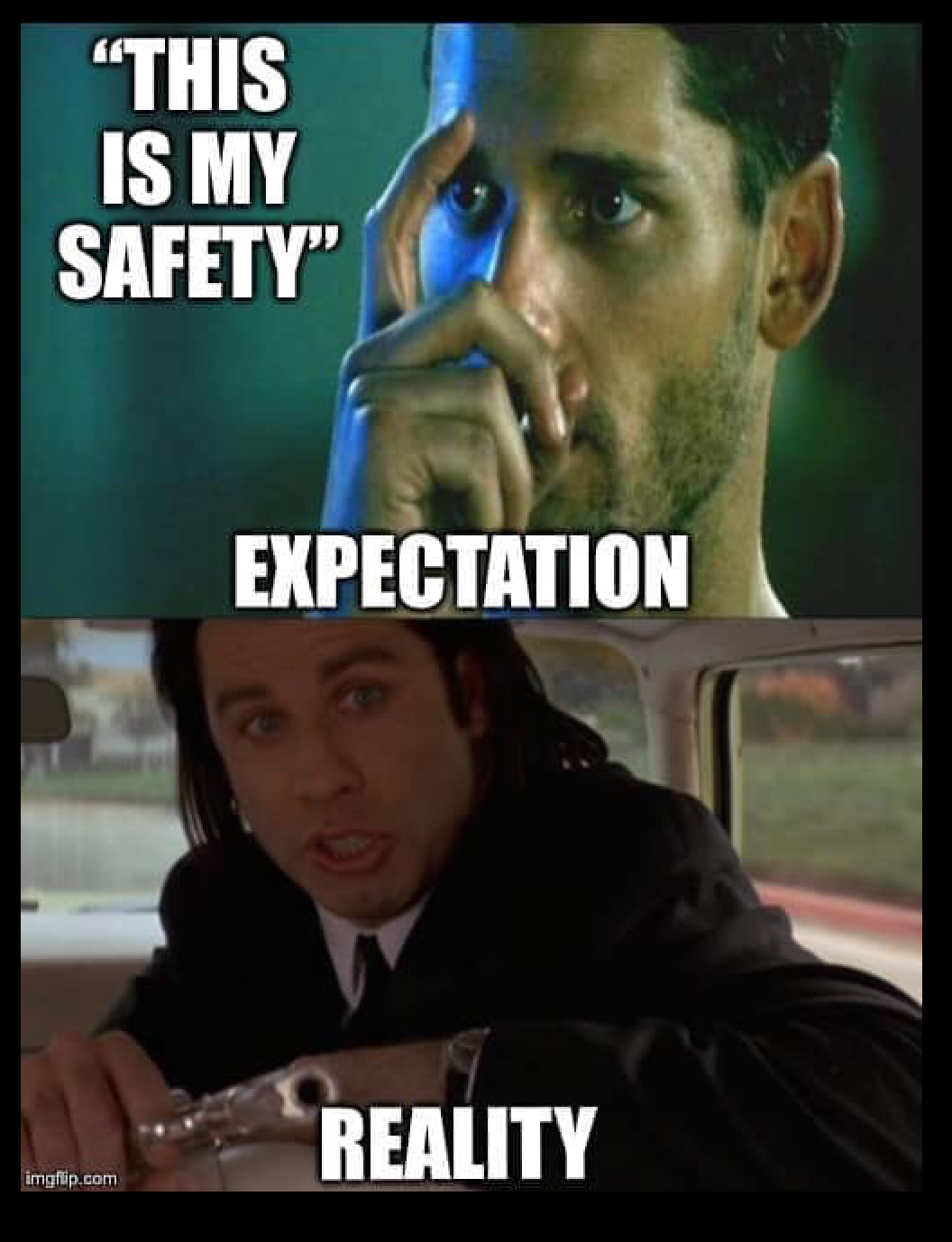
My colleague Caleb Causey https://www.lonestarmedics.com/ posted the following meme on Instagram.
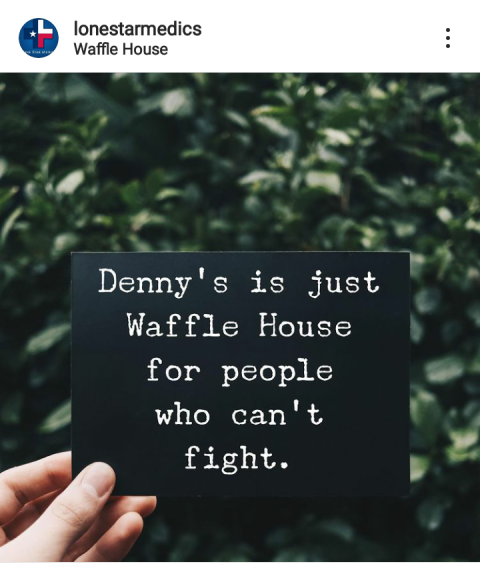
This made me curious so I did a little research. The following incidents turned up. 🙂
El Paso -January 23rd 2022 fight followed by shooting https://kfoxtv.com/news/local/man-is-chased-out-of-dennys-in-a-fight
Monzell Brocks of Wichita. – Nov. 10, 2021 https://www.kwch.com/2021/11/10/shooting-dennys-leaves-man-critical-condition/ – Update victim deceased, suspect arrested. https://www.kake.com/story/45325687/police-arrest-suspect-in-fatal-shooting-outside-dennys-in-southeast-wichita
Woman shot Kansas City, MO. – Jul 7, 2021 https://www.kmbc.com/article/kansas-city-missouri-police-department-says-woman-shot-at-dennys-restaurant-off-blue-ridge-cutoff/36648838
Man shot in Spartanburg, SC – Apr 3, 2021 https://www.wspa.com/news/developing-large-deputy-presence-at-dennys-in-spartanburg/
On April 30, 2019, 36-year-old Crest Hill resident Gregory G. Brown Jr. was gunned down in the parking lot of Denny’s on Plainfield Road. Joliet IL https://chicago.cbslocal.com/2019/05/03/joliet-police-dennys-shooting Plea agreement https://patch.com/illinois/joliet/joliet-murder-defendant-pleads-guilty-armed-robbery / It’s unclear what her complicity was but she may have set the victim up to be robbed.
Salinas California – 9:45 p.m. February 19, 2021, two persons shot at the North Main Street Denny’s, located at the corner of two of Salinas’ busiest streets. https://www.thecalifornian.com/story/news/2021/02/20/salinas-police-2-shot-1-critical-after-gunfire-north-salinas-california-dennys-restaurant/4523869001/
FARGO, N.D. (Valley News Live) – Officers were called to Denny’s on 13th Ave. S., at 2:59 a.m. December 5, 2021 https://www.valleynewslive.com/2021/12/06/man-arrested-threatening-shoot-people-dennys/ Note: arrested man was from Oxford, MS
Plano TX Dec 14, 2021 Fight with officers https://starlocalmedia.com/planocourier/man-arrested-following-alleged-altercation-at-a-dennys-in-plano/article_f6166aea-5d20-11ec-a357-9b9e3b6c3633.html Note: Police say amid Walker’s struggle with police, a firearm fell out of his boot. Authorities allege that the firearm was stolen from Raytown, Missouri. No search would be complete without including a stolen firearm.
FRIDAY 01/05/21 6:57 p.m. OREM, Utah (ABC4) – Officers are on the scene of a stabbing at a Denny’s in Orem. Officers say they responded to reports of a stabbing and got to the scene to find three victims who were wounded. https://www.abc4.com/news/local-news/three-people-stabbed-at-dennys-in-orem-police-investigating/
Sep. 7, 2021 at 10:05 AM EDT RENO, Nev. (KOLO) – At least two people are in custody in Placer County after an early-morning shooting led to a chase. According to Carson City Sheriff Ken Furlong, the incident appears to have started near Bellevue Road Tuesday morning and later moved to the Denny’s on North Carson Street. Furlong says that’s where multiple shots were fired and a car was hit; however, no injuries have been reported. https://www.kolotv.com/2021/09/07/two-suspects-custody-after-early-morning-shooting-carson-city/
Of course, no search for shootings would fail to find at least one Unintentional Discharge in a car. NASHUA, N.H. — A man was critically wounded in an accidental shooting early Tuesday morning in Nashua, police said. The 35-year-old man was alone when the incident happened at about 2 a.m. Feb 17, 2021 in the parking lot of the Denny’s restaurant on Gusabel Avenue. https://www.wmur.com/article/heavy-police-presence-reported-in-nashua/35516185#
Delivery Driver Killed in Shooting at Virginia Denny’s. DoorDash driver and father of two Yusuf Ozgur was shot and killed after he “unknowingly held the door for the suspects as they exited”. December 26, 2019 https://www.nbcwashington.com/news/local/customer-at-dennys-slain-another-shot-during-armed-robbery-in-manassas/2192475/
Man Pulls Gun on Denny’s Employee. A man pulled a gun on an employee in the restroom of Denny’s Roscoe Boulevard location in Van Nuys early Monday morning. Jun 22, 2021 https://roundtable.io/keynewsnetwork/california/man-pulls-gun-on-dennys-employee
Argument over chicken tenders leads to late-night Grand Slam in Bryant restaurant. Mar 25, 2021 / 03:40 PM CDT The officer said he ran both of their IDs to find that both men had multiple warrants out of different jurisdictions. https://www.fox16.com/news/local-news/argument-over-chicken-tenders-leads-to-late-night-grand-slam-in-bryant-restaurant/
Man Withdraws Stand Your Ground Request in Denny’s Shooting. Published August 10, 2016. Police say he shot [his girlfriend] in the face inside the Denny’s women’s bathroom. The victim survived the shooting. https://www.nbcmiami.com/news/local/man-withdraws-stand-your-ground-request-in-dennys-shooting/65746/ Update: He was convicted and sentenced to 35 years in prison.
These incidents also popped up but I didn’t investigate them further.
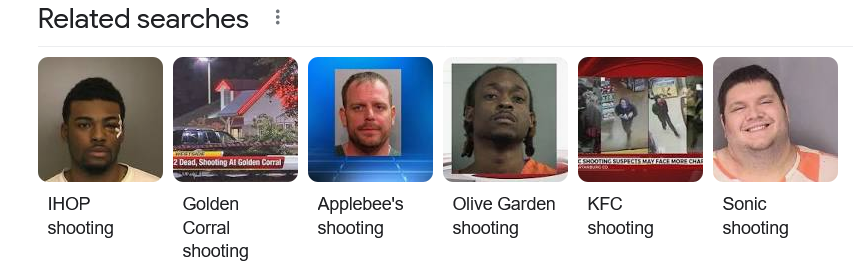
When you go out to eat, especially late at night, don’t assume that the only heaters are in the kitchen. It’s always best to bring your own also and know how to use it.

The Mission and Role of Special Forces in the Cold War
#throwbackthursday
February’s weekly episodes of The Big Picture will feature the role of Special Forces during the Cold War. https://www.history.com/topics/cold-war/cold-war-history
This week’s episode includes a Team Commander’s narration of mission planning and execution.
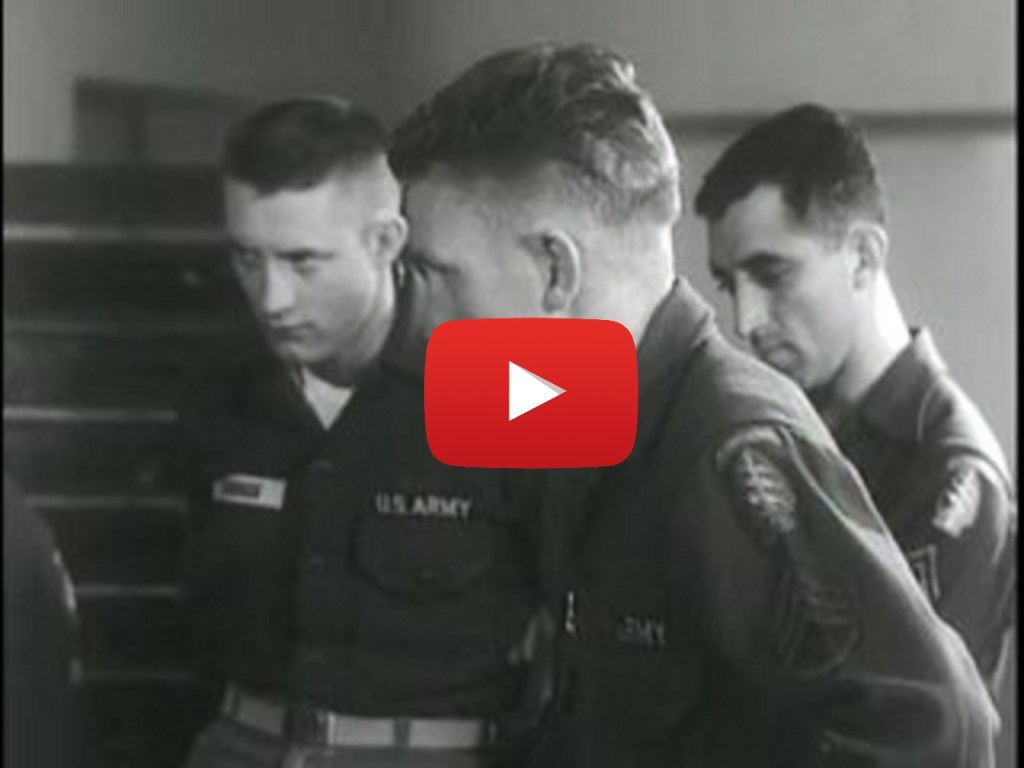
The primary mission of all Special Forces units is to train and organize guerilla resistance in enemy occupied territory. This mission, of course, extends to enemy held terrain where and when liberation movements develop.
The role of the men in the Special Forces group is unique and its members are uniquely trained and qualified to carry out their hazardous and adventurous assignment. Every man is a volunteer who has passed rigorous testing.
My book Shooting Your Black Rifle seems appropriate to this series of films. If you would like to purchase it, click on the image below.
Special Forces – The Big Picture
#throwbackthursday
February’s weekly episodes of The Big Picture will feature the role of Special Forces during the Cold War. https://www.history.com/topics/cold-war/cold-war-history
Guest Narrator for the first episode is Mr. Henry Fonda, the famed screen actor.
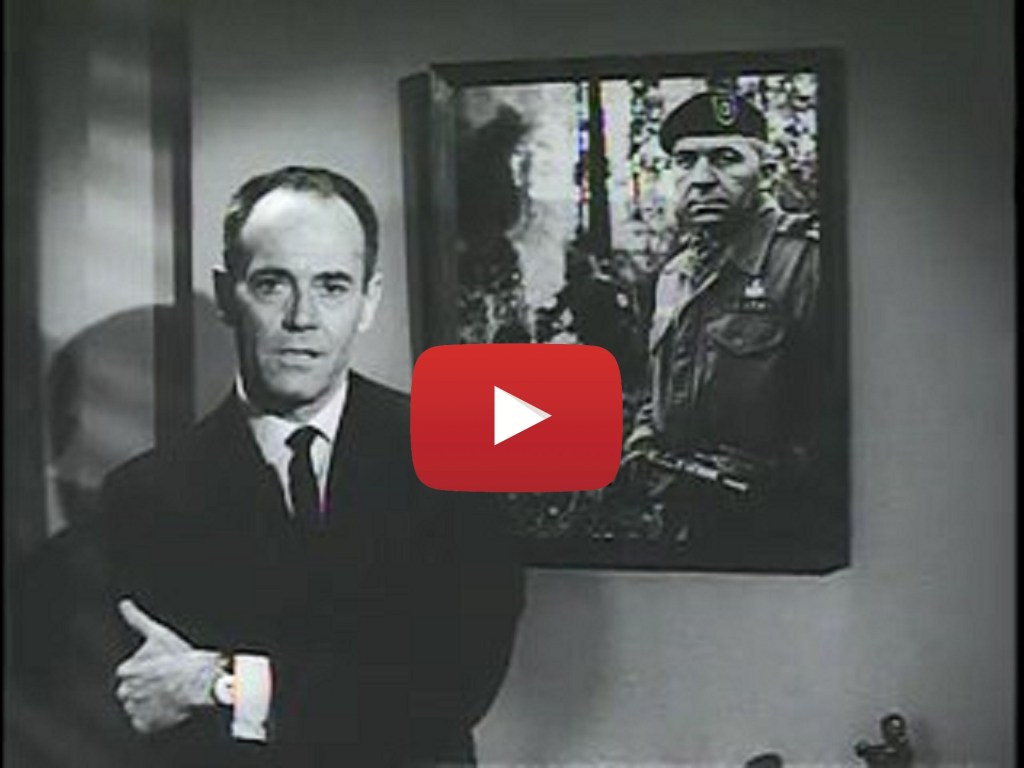
This man wears the uniform of the Special Forces. To use the word special in describing him is no mistake as you’ll see during the next half hour. He’s a mature, dedicated, and skillful professional and his line of work is demanding. It takes in a full scope of unconventional or guerrilla operations.
Special Warfare involves three types of activity; unconventional warfare, psychological warfare, and counterinsurgency operations. This last includes the complete range of military, political, economic, and sociological action. New emphasis is being placed on unconventional warfare and the reason isn’t hard to see.
Today, the threat of war takes three forms; general nuclear war, conventional war, and guerrilla or unconventional war. Fortunately, the world has never yet seen a general nuclear war. Conventional warfare, the regular forces of two or more nations in combat but without using nuclear weapons we know all too well but at the moment no such traditional war is going on. Unconventional warfare is a different story.
In a number of key spots around the world intense guerrilla operations are underway right now. It makes little difference to the people of a country whether they lose their freedom to an invading army of regulars or through the action of guerrilla forces sponsored by an outside power.
My book Shooting Your Black Rifle seems appropriate to this series of films. If you would like to purchase it, click on the image below.
Commence Firing – The Big Picture
#throwbackthursday
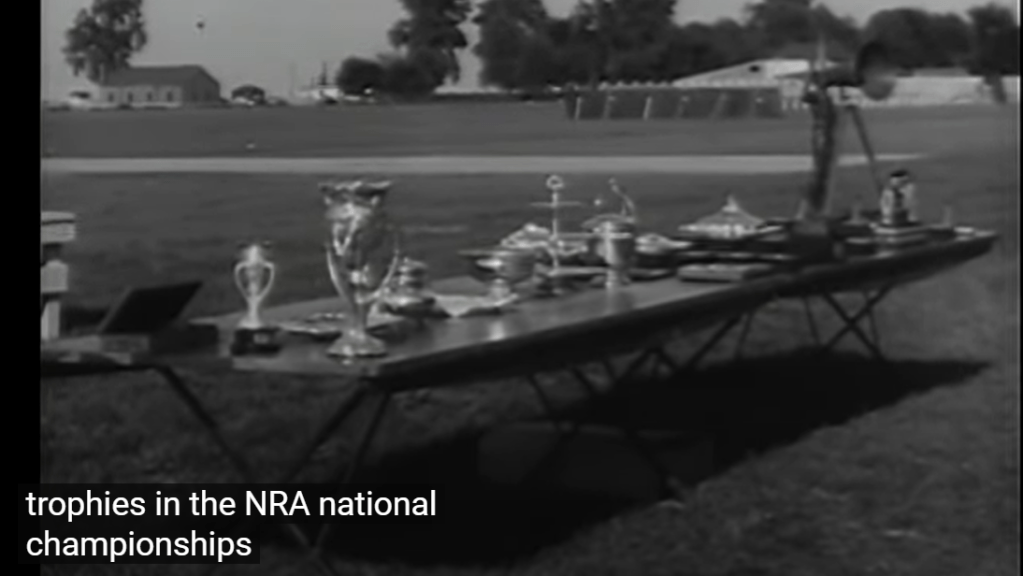
“Since the earliest days in American history, marksmanship has played a vital role in the growth and development of our country. The rifle was essential to those pioneers who marched westward, often the means of survival. Marksmanship continues to be fundamental right down to this day. Weapons change, tactics change but being able to hit the mark has never lost its importance. Sometimes it means the difference between life and death. From colonial days, marksmanship has been an American tradition. The right to bear arms was one of the basic freedoms demanded by the Continental Army and rifles and the spirit of the man who manned them were decisive factors in our country’s initial fight for independence.”

To Keep and Bear Arms – The Big Picture

#throwbackthursday
The Big Picture was a long running weekly TV series produced by the United States Army. This episode is a co-presentation of the US Army and the National Rifle Association. It is partially narrated by Craig Stevens, who played Peter Gunn on the TV detective series of the same name. The program also contains scenes from the National Championship at Camp Perry.
For those unfamiliar with Peter Gunn, the series is available on YouTube. The theme song, played by Henry Mancini, has been described as perhaps the coolest and most suave of any TV theme.
Fundamentals of Pistol Shooting (Part 8)
#fridayfundamentals

My friend and colleague Shelley Hill of Image Based Decisional Drills https://www.imagebaseddecisionaldrills.com/ has generously contributed the following post about the importance of the Use of Force decisional process and training for it. We’ve been slapped in the face by the news about good and bad Use of Force decision making. It is the most important, consequential, and least practiced aspect of the Fundamentals.
Decisions Come Before Technique
by Shelley Hill
In the process of Personal Protection, from the time that a bad guy chooses you, you will have a limited amount of time to make a decision. THEY choose how and when. YOU have to respond to their actions. YOUR reactions need to be confident, quick, and decisive.
Seeing, recognizing, and believing danger is the first task. Having a plan for avoidance, deselection and escalation is second. If these fail, the fight is on, and it must be won. The first time you have to use the different levels of force, with everything on the line, should not be the first time you practice your skills. A wide variety of options are available for responding to an attempted attack. The choices you have include:
- Non-lethal (mindset, verbal, walk away, flashlight, etc.),
- Less than lethal (OC/pepper spray, Combatives, etc.) and
- Lethal options (firearm, knife, advanced Combatives, etc.).
Your decision or decisions will come first, ideally before the incident ever begins. After deciding what to do, you will apply a technique to implement your decision. We must commit to a course of action and take advantage of making decisions ahead of time. Our instinctive responses to danger are fight, flight, or freeze. If we have thought about and practiced our decisions before the incident takes place, we have a better chance of expanding our instinctual reactions to something more effective or appropriate. When pre-need decisions have already been made, the techniques we have practiced will usually fall into place.
Recognition -primed decision making (RPD) is a model of how people make quick, effective decisions when faced with complex situations. In this model, the decision maker is assumed to generate a possible course of action, compare it to the constraints imposed by the situation, and select the first course of action that is not rejected. RPD has been useful for diverse groups including medical professionals, fire ground-commanders, chess players, and stock market traders.
It functions well in conditions of time pressure, and in which information is partial and goals defined only in a limited way. It appears, as discussed by Gary A. Klein in Sources of Power, to be a valid model for how human decision-makers make decisions. The result of pre-need decision-making is a decision that may not be perfect but is good enough to help keep you, or a loved one, safe.
With the help of Brian Hill and Claude Werner, I produced a decision learning system called Image Based Decisional Drills (IBDD). It is an evolution of the technique of visualization that has been used successfully for decades to help athletes, competitive shooters, and others make their decisions ahead of time and then carry them out as a programmed response instead of improvising decisions as they go.
It is called it IBDD because you are learning to quickly make ONE good FIRST decision based on visual stimuli. The word “decisional” means “having the power or authority to make decisions”, and drills means practicing. Image Based Decisional Drills is a system that can be used in either dry practice or live fire. It consists of a deck of 21 Image Cards that provide IMAGES that will help you to recognize danger and to make smart decisions ahead of time.
There are benefits to practicing good FIRST decisions through IBDD and then following up with GOOD techniques.
- Visual cueing and pre-need decision making.
- Learning distance management through “Reactionary Zones.”

- Tool cycling and strategy changes that can be practiced repeatedly.
- Pressure testing decisions under realistic time constraints with feedback for improvement.
- The ability to practice your skills whether you are ON or OFF the range. The actual mechanics of shooting can be practiced separately while the IBDD drills will help with tool handling and selection.
Whatever system you use to practice your decision making skills, it’s important to keep an important concept in mind. It is easier to adapt a plan you made ahead of time to the situation than it is to improvise a plan on the spot. Make a plan, practice your plan, and then work your plan if the need arises.
Part 1 https://tacticalprofessor.wordpress.com/2021/11/05/fundamentals-of-pistol-shooting-part-1/
Part 2 https://tacticalprofessor.wordpress.com/2021/11/12/fundamentals-of-pistol-shooting-part-2/
Part 3 https://tacticalprofessor.wordpress.com/2021/11/22/fundamentals-of-pistol-shooting-part-3/
Part 4 https://tacticalprofessor.wordpress.com/2021/12/03/fundamentals-of-pistol-shooting-part-4/
Part 5 https://tacticalprofessor.wordpress.com/2021/12/10/fundamentals-of-pistol-shooting-part-5/
Part 6 https://tacticalprofessor.wordpress.com/2021/12/17/fundamentals-of-pistol-shooting-part-6/
Part 7 https://tacticalprofessor.wordpress.com/2021/12/24/fundamentals-of-pistol-shooting-part-7/
Tactical Professor books (all PDF)
- Indoor Range Practice Sessions http://indoorrangepracticesessions.com
- Concealed Carry Skills and Drills http://concealedcarryskillsanddrills.com
- Advanced Pistol Practice http://bit.ly/advancedpistolpractice
- Real Shootouts of the LAPD https://realshootoutsofthelapd.com/
- Thinking Clearly about Self-defense and Personal Protection https://www.payloadz.com/go?id=3377208
- Serious Mistakes Gunowners Make http://seriousgunownermistakes.com
- Shooting Your Black Rifle http://shootingyourblackrifle.com
- Package deal of Thinking Clearly about Self-defense and Personal Protection, Serious Mistakes, Indoor Sessions, Concealed Carry, and Shooting Your Black Rifle (50% off) https://store.payloadz.com/details/2644448-ebooks-sports-shooting-drills-package.html
Purchase of any book includes Serious Mistakes Gunowners Make.
Strategies, Tactics, and Options for Personal Protection presentation at Rangemaster Tactical Conference
100 percent standards
‘Tragic’: Teen apparently killed by stray police bullet in LA Burlington dressing room identified
https://abcnews.go.com/US/14-year-girl-dressing-room-killed-stray-bullet/story?id=81919639
This is an example of why I believe in 100 percent standards, not 70, 80, or anything less. My guess is that those officers will not last long on the LAPD and it’s not because they will get fired.
They will leave because the overwhelming majority of cops are decent people who want to do the right thing in life. That poor girl’s killing will haunt those officers forever. Whenever they put on their duty weapons, it will remind them of the consequences of the incident. No decent person wants to be reminded of that every day.
I’ll be following the investigation of this one closely.
 tacticalprofessor
You must be logged in to post a comment.