Attempted Home Invasion in LA
https://abc7.com/los-angeles-homeowner-fights-back-armed-robbery-home-invasion-ccw/14016199/
As reported in The Armed Citizen blog http://graphics.nra.org/armed_citizen/ac_136.html from the NRA, which is well worth subscribing to.
The surveillance video is instructive. Note the ‘chase instinct’ in play. After the homeowner gains the upper hand by pulling his gun and firing, he chases after the intruders instead of going inside, locking the door, establishing a blocking position, and then calling the POlice.
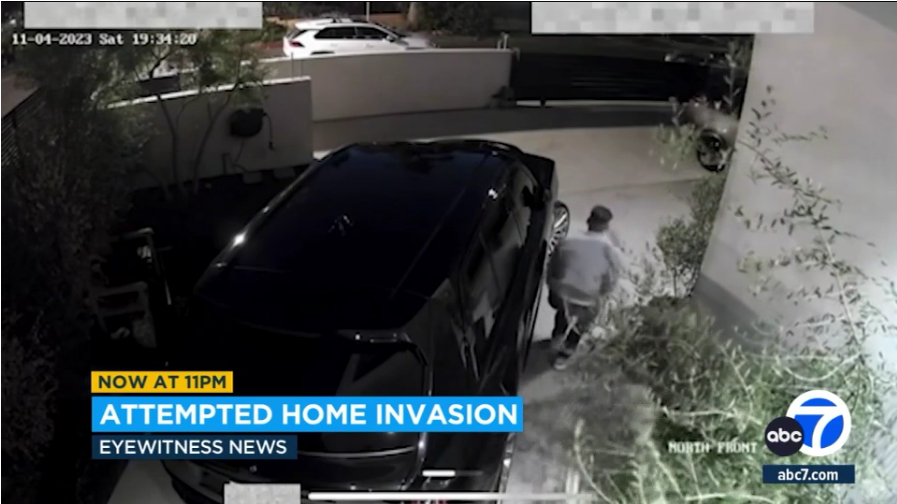
This incident demonstrates a worthy addition to Don’t Go Outside http://modernserviceweapons.com/?p=18502 to our Personal Protection pre-planning. Get Inside As Soon As Possible is the flip side tactic.
Empty Chamber Carry – I
#fridayfundamentals
Empty Chamber Carry is strongly opposed by the US private sector training community and the ‘cognoscenti’ of the firearms community. However, carrying with the chamber empty is still a very common practice by large swathes of gun owners. Regardless of opposition to the concept, it is what it is. Some discussion beyond “Don’t Do It” is in order.
This is the first in a series of Fridayfundamentals posts about carrying with an empty chamber. The series is intended neither to advocate nor oppose empty chamber carry but rather to discuss aspects of it not typically examined. A sidenote is that many aspects of the discussion also apply to hammer down carry (Condition Two) with 1911 pistols but that is for another time.
First consider the advocates of carrying with an empty chamber.
- Fairbairn/Sykes in Shooting To Live.
- Israeli military/POlice, although it’s reported that this has relaxed in the past decade.
- Many foreign militaries and POlice forces.
- The US Army until the publication of the May 2017 version of TC 3-23.35 Pistol.
As one commentator noted when the May 2017 TC was published:

Since many people do carry with an empty chamber, let’s work with what we’ve got from the standpoint of instruction.
The single biggest problem with the method is the technique that new gunowners usually employ to load the chamber. The most common technique seen is to hold the pistol in the shooter’s workspace and pull the slide inward toward the body and out of the workspace. Most often the slide is held during the entire operation, retarding the strength of the recoil spring.
This is exactly opposite of what needs to occur. Pulling the slide inward significantly increases the possibility of not fully loading the chamber. This could be a disaster. At least one surveillance video shows an armed robber whose pistol didn’t load completely, which led to his demise.
Here’s a graphic from TC 3-23.35 that illustrates the workspace and its relationship to pistol operation.

Both Shooting To Live and the classic Israeli technique advocate holding the pistol in the workspace and then pushing the pistol forward to the outer limit of the workspace. The slide is held in place while the pistol is pushed outward.
Here’s a series of updated sketches from Chapter 3 of the edited and annotated edition of Shooting To Live that I will be publishing this year. A number of the original Shooting To Live sketches had to be redone due to finger in the trigger guard violations.


Similarly, the classical Israeli technique is to hold the pistol parallel to the ground in the workspace. The slide is held stationary and the pistol is pushed forward toward the enemy and fired.
Note that both Shooting To Live and classic Israeli use the slingshot method of grasping the slide rather than hand over the top of the slide.
The discussions of Empty Chamber Carry rarely include any commentary about what to do after the pistol is loaded, regardless of whether it is fired or not. One of the few comments ever seen was “If I don’t have to shoot, I’ll immediately download the chamber when I get back to my car.” Downloading or unloading afterward is an important enough topic for Shooting To Live to include it as part of the initial 30 round Recruit Training Program. Chapter IV states:
“In all practices at surprise targets, opportunity must be found for the performance of two very essential operations. In order of importance, these are:—
1. Making safe after firing only a portion of the contents of the magazine.
2. Inserting a second magazine after totally expending the contents of the first and continuing to fire without delay.
In the first instance, after firing one or two shots from a fully charged magazine, the instructor should give the order to cease fire. The shooter should then come to the ‘ready,’ remove the magazine, eject the live round from the breech, work the slide back and forth several times and finally pull the trigger, all as described [in] (Figs. 9 and 10).”
Note the order of importance Shooting To Live placed on unloading and reloading. Making the pistol safe after an incident was considered of greater importance than reloading during an incident. It’s probable to assume this priority came from their observation of hundreds of gunfights. Concerns and technique for After Contact actions will be covered in the next post.
Taurus 856 Iron Sights v. Laser Comparison
#wheelgunwednesday
Taurus had a screaming deal for 856 revolvers on its website last month. The deal was a Viridian Laser Stock (Grip), Boltaron (Kydex) holster, and two HKS speedloaders for $139. I’m a believer in laser stocks for snub revolvers so I decided to take advantage of the deal and purchased it. I also purchased an Ameriglo front night sight but haven’t installed it yet. FTC note: I made this purchase with my own money, no manufacturer giveaway.
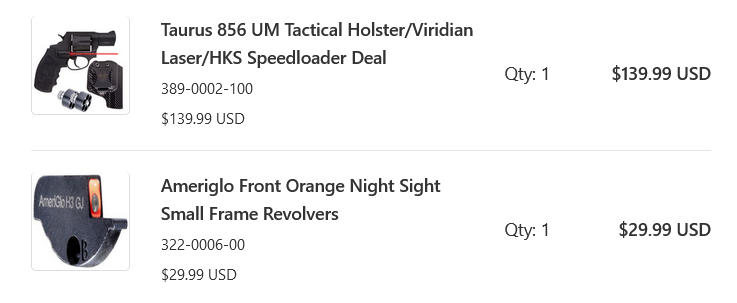
This Viridian laser has the activation button on the front of the stock so when the revolver is gripped, it comes on. This is a far superior system to having to manually press a button to turn the laser on. The stock is also slightly longer than the factory stock so it provides a full three finger grip.
Installing it requires driving out the roll pin that holds the factory stock in place. Once the pin is out, the laser stock is secured via three screws. Pro-Tip: put the bottom screw that goes through the roll pin hole in the frame first. It was relatively well zeroed as it arrived but I later zeroed it at 7 yards when I got to the range.
The UM Tactical Holster was much better than I had anticipated. I thought ‘UM’ meant it was an offshoot of Uncle Mike’s but that assumption is incorrect. It fits the 856 well and the clip holds it securely on the belt. I loosened the tension slightly so that when the holster is held upside down the gun doesn’t come out but it draws easily.
The HKS Speedloaders were the Model 10 developed for the K frame S&W revolver many years ago. Two were included.
To make a comparison of the capabilities of the laser vis-à-vis the iron sights, I did a range trip. The evaluation protocol was the Nevada Concealed Handgun Permit Qualification Course, which is one of my favorite practice structures. It consists of 30 rounds fired at 3 yards (6 rounds), 5 yards (12 rounds), and 7 yards (12 rounds). The evaluation consisted of splitting it in half, shooting one half (15 rounds) with the laser on and one half (15 rounds) with the laser off. I broke the course into several strings for each distance and timed each string.
3 yards – 1 shot from the Holster, 1 shot from Low Ready, and 1 shot from Retention. Three rounds for each sighting system.
5 yards – 2 shots from the Holster, 2 shots from Low Ready, 2 shots from the Holster Primary Hand Only. Six rounds for each sighting system.
7 yards – Repeat the 5 yard sequence at 7 yards.
It was a cloudy afternoon not bright sunlight. I had no trouble seeing the laser dot at 7 yards on the USPSA Metric targets I used. Each system had a separate target.
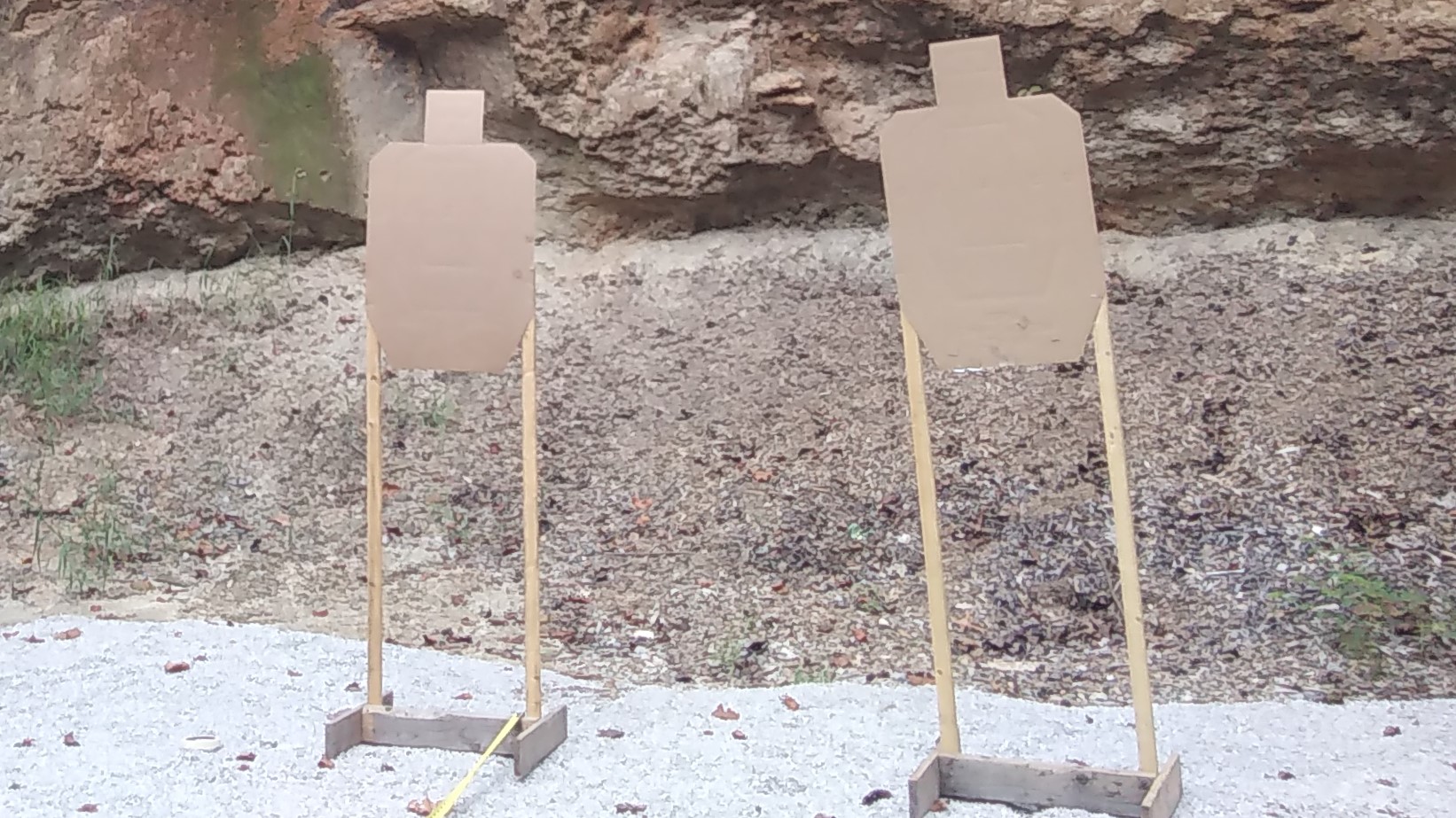
For scoring, I divided the A zone in half. This gave an A zone of 6 inches wide by 5.5 inches long. Hits in the lower part were counted as B hits. This is a scoring system the late Todd Louis Green https://pistol-forum.com/ suggested and I like it. It’s more rigorous than the IDPA -0 zone. The time for each string was recorded.
The results of both sighting systems were then overall Comstock scored. https://www.ssusa.org/content/understanding-uspsa-comstock-and-virginia-count/ This means points achieved divided by shooting time. The results were interesting. The Iron sights had a Comstock score of 4.33, while the Laser had a score of 4.29. Not a significant difference and the laser was not nearly the disadvantage in daylight that’s popularly assumed.
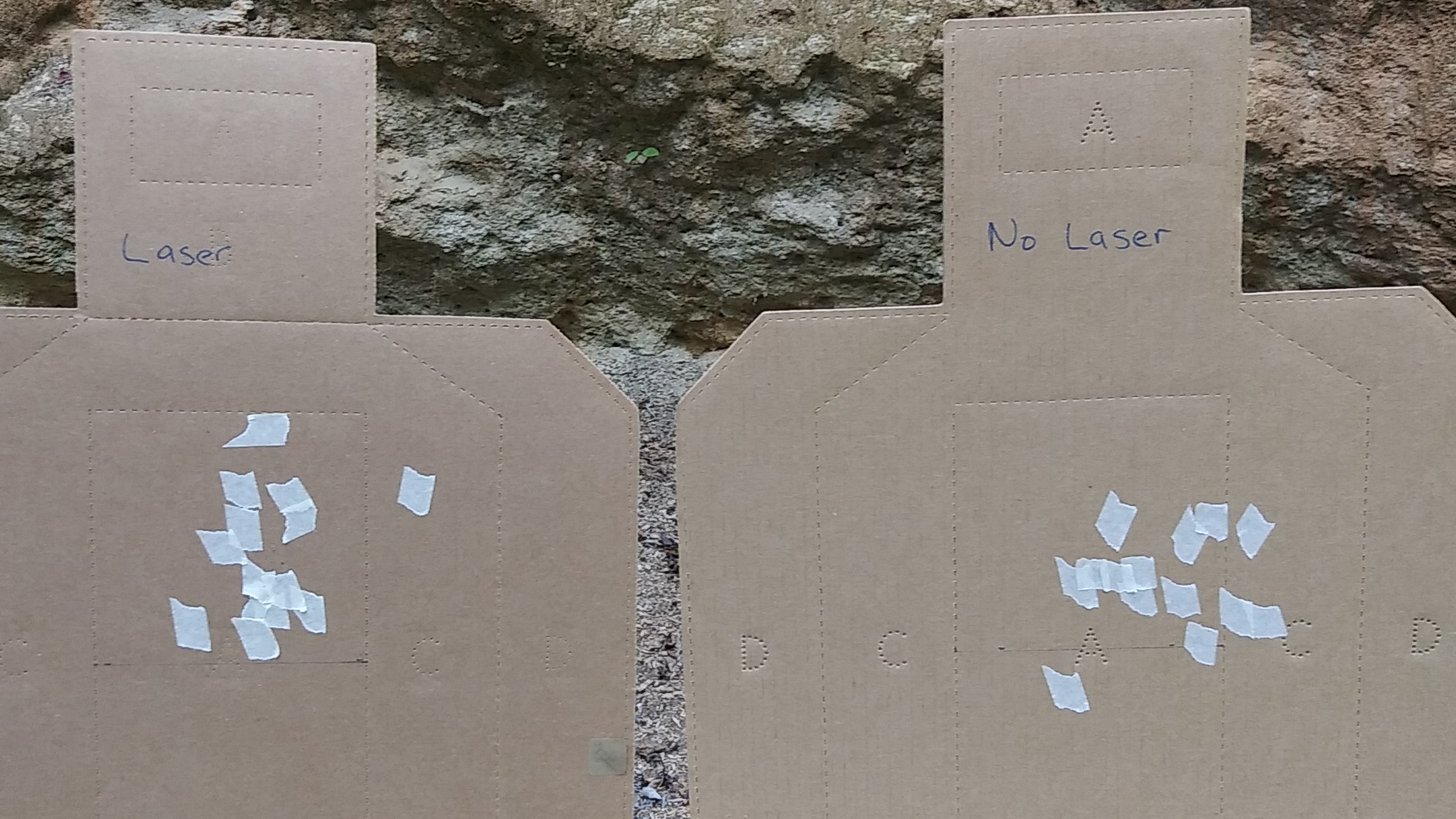
The next phase of my evaluation will be to shoot the same protocol in bright sunlight and at dusk. Those results should provide some interesting contrast.
With regard to the holster, I found it to be quite satisfactory. My only observation is that because the gun and holster is so short, the butt of the gun tends to droop forward and reduce my concealment. On the way home, I stopped at Arbol de Dolares to purchase La Chancla https://www.npr.org/sections/codeswitch/2014/11/04/361205792/la-chancla-flip-flops-as-a-tool-of-discipline . I’ll cut a piece of the flip-flop off to glue onto the back of the holster as a pad, a la Keepers Concealment. https://keepersconcealment.com/
Overall, I very pleased with the results. This makes about 700 rounds through the 856 with no issues. The laser worked well and the holster is satisfactory. A good EDC that I’m comfortable with.
Reliability Testing
A colleague asked me a few days ago:
“How many rounds would you say make up a legitimate ‘reliability test’ for a pistol?”
My response was 100 because that’s more than 99.9% of people will ever fire a pistol they buy. He was surprised about this answer because he thought it would be considerably more.
There’s a very detailed discussion about it in a post I wrote years ago. Most of the cognoscenti who were responded to the question then felt that 1000 rounds was the minimum desirable number. There were certain aspects of their analyses leading to that conclusion that I felt weren’t explored with enough depth.
https://thetacticalprofessor.net/2017/04/21/reliability/
Numerous justifications for 1000 round torture tests were presented to me by the cognoscenti. One of the mathematical analyses presented in the original Facebook discussion was that 5 malfunctions per 1000 meant more than one malfunction in a 17 round magazine (8.72%). My belief about that obtuse analysis remains the same.
“If I’m going to have at least one malfunction per magazine, I’ll just keep carrying a revolver.”
I’ll write a bit more about my latest revolver work for #wheelgunwednesday next week.

Hahaha. Alt Text autogenerated by Microsoft Word for the above picture:
“A board game with brown squares”
Revolver Handgun To the Rescue
From The Armed Citizen column of the May 2023 NRA Official Journals
#wheelgunwednesday
“A 71-year-old man was walking home from a takeout restaurant on March 2 when two men reportedly emerged from an alley and attempted to rob him at gunpoint. The man pulled out a revolver and exchanged fire with the suspects, who then fled. The armed citizen unfortunately sustained a wound to his ankle but was otherwise unhurt. The suspects had not yet been apprehended at the time of our reporting. (fox29.com, Philadelphia, Pa., 3/3/23)” https://www.fox29.com/news/victim-shoots-at-robbery-suspects-north-philadelphia
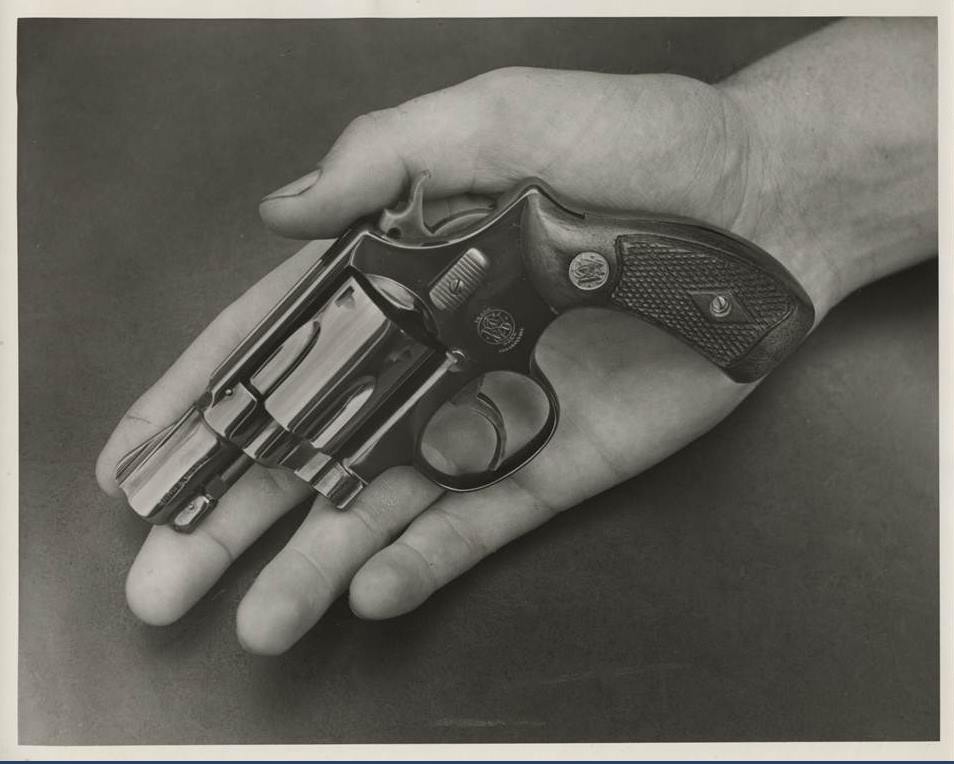
According to 6abc Philadelphia https://6abc.com/philadelphia-shootout-north-phillly-shooting-10th-street-cumberland/12907827/ , “The 71-year-old pulled out his revolver handgun and exchanged gunfire with the suspects”. The defender ‘emptied’ his revolver handgun at the robbers; one story indicated he had fired five shots. POlice spokesperson Chief Inspector Scott Small indicated that victim fired multiple shots and the perpetrators had fired two shots at the intended victim.
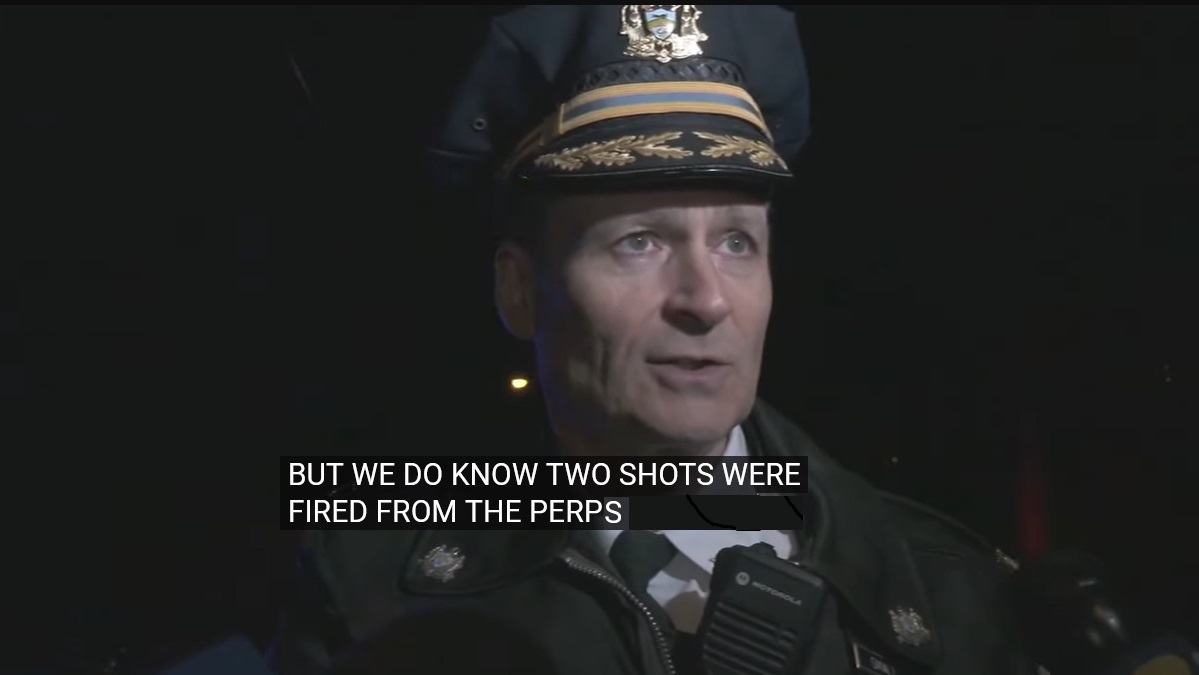
In an interview from his hospital bed with Fox News, the would-be victim said, “At night, I would keep my hand on my [revolver handgun] in my pocket in case I have to pull it out”. https://youtu.be/fs0RTJJTuOA He has a license to carry.
The Bottom Line was that he was armed and forced the robbers to Break Contact by shooting at them with his revolver handgun. Breaking Contact (Part I)
The Covert Draw
Someone in my Patreon Subcompact Autoloader Tier https://www.patreon.com/TacticalProfessor/membership asked the question,
“Could you offer some insight and technique to the surreptitious, covert, or stealth draw?”
That’s a question worth exploring because of the tradeoffs involved. As Thomas Sowell has said, everything involves comparisons and costs.
There are two aspects to the drawstroke; 1) Access and Grip and 2) Present to target. Access and Grip is the most time consuming part of the drawstroke but not the most difficult. Getting the gun well indexed on the target is the hardest part. Missing the first shot is far more common than not being able to get the gun out.
A covert draw facilitates Access and Grip but complicates Present. Once the draw is complete, the gun is positioned out of the path of your normal drawstroke. If shooting is required, the first shot might actually be slower if we Comstock a bad hit.
The gun is also probably pointing at your own body in the process. While holding it at a concealed Ready, you may have to engage in dialogue or movement and remember to not shoot yourself at the same time. Given the light triggers that many people favor, that’s an unpleasant prospect.
Even if the gun isn’t visible to a potential attacker, it may be noticeable to someone at a different angle. That person may not be a hostile. A covert draw could end up as an Aggravated Assault on an uninvolved party.
And if no shooting is required, a covert re-holstering will be necessary. Some deep concealment holsters can be difficult to re‑holster without making a big production out of it.
Being able to Access and Grip in a low profile way might be a more useful way of addressing the problem. With Access and Grip accomplished, if we get the ‘Go Signal,’ we have the most time consuming part of the drawstroke out of the way. We can then use our normal Presentation, at which we hopefully have many repetitions and can execute well.
Although the Covert Draw concept sounds appealing, the tradeoffs need to be considered. The costs may be found to outweigh any potential benefit.
Can-May-Must-Should in One Incident
In a road rage incident on Sunday February 26, 2023, a gunowner who was driving erratically and then threatened another driver was subsequently shot and killed by yet a third party who intervened on behalf of the driver who threatened.
All of the elements of Can-May-Must-Should http://modernserviceweapons.com/?p=19028 are readily apparent in this one interesting incident. It also involves Serious Mistakes Gunowners Make. https://store.payloadz.com/details/2617872-ebooks-true-crime-serious-mistakes-gunowners-make.html I may have to add a chapter about Bluffing with Guns or “Don’t write checks with your mouth that your ass can’t cash.”
I’ll be writing more about this in my Patreon Personal Defense Incidents and Analysis Tier https://www.patreon.com/TacticalProfessor/membership but the essential elements are as follows.
- A 71 year old man, Alden Jones, was driving erratically and cutting off other cars.
- At a stop light, he got out of his car with a pistol, went back to the car stopped behind him, and banged on the window with his pistol.
- The driver of the third car in the incident, who was stopped behind the second car, got out of his car and attempted to verbally intervene on behalf of the second car’s driver.
- The initial aggressor, Jones, then turned his attention to the third driver and began to walk toward him, pistol in hand.
- The third driver warned Jones that he was also armed.
- Jones continued to approach the third driver.
- At “a very close distance,” the third driver opened fire, killing Jones on the spot.
- The third driver remained on scene and waited for the authorities.
- Upon the arrival of the POlice, the third driver stated he had shot in defense of himself and his wife, who was also in the car.
- Witnessed corroborated the third driver’s account of the incident.
- He was not charged by the POlice with any wrongdoing. The District Attorney’s Office will make the final decision.
The incident plays out almost in complete reverse of the paradigm’s order. Decisions always precede the technical aspects of shooting.
Should he have intervened? That’s a Moral choice; some people may have chosen to, others may not have. Must he have shot? When an angry person, whom you have witnessed threaten a third party, approaches you with a pistol in hand, your options are limited. As M5 said in Star Trek: The Original Series, “Consideration of all programming is that we must survive.” May he have shot? The POlice seem to think so. “The investigation thus far is indicative of self-defense.” Could {Can) he shoot adequately to solve the problem? Jones is dead and the third man and his wife are unharmed. The Can aspect was satisfied.
The proxemics https://en.wikipedia.org/wiki/Proxemics aspects of the situation are also interesting. Since the cars were stopped in line at a traffic signal, the verbal warning was most likely door to door distance, making it less than 21 feet. A Toyota Camry is 16 feet long as a distance reference. The POlice media release indicates that the shots were fired at “a very close distance.” The distance from the driver door frame of a Camry to the front bumper is 7 feet. So the shooting most likely took place around the boundary between the Near and Far Phases of Social Space https://en.wikipedia.org/wiki/Proxemics#Interpersonal_distance in proxemics.
The report doesn’t indicate that the shooter had his gun drawn prior to the actual shooting. If this is true, then this incident demonstrates that you Can, in fact, draw against an already drawn gun. So much for the popular belief that it isn’t possible. That belief is usually based on scenarios where the person with the drawn gun knows you’re armed and are going to draw, is just waiting for your move, and has pre‑determined to counter your draw. The “real world” is often much different.
The incident also contradicts the popular slogan “Don’t talk to the POlice.” Better advice might be “Don’t get arrested,” coupled with “Don’t talk your way into Jail.”
Guns stolen from cars
In other relevant gunowner news, 217 guns have been stolen from cars in Nashville so far this year. https://www.nashville.gov/departments/police/news/more-200-guns-stolen-vehicles-so-far-year That is 76% of the guns stolen in Davidson County, the county Nashville is located in.
If this rate continues, more than 1,000 guns will be stolen from cars in Nashville alone in 2023. Some of them will end up involved in criminals activities. This one is a no-brainer; don’t leave unsecured guns in your car. If you have to leave a gun in your car when you go to work or other prohibited places, get a car safe and use it. And certainly, don’t leave your gun in your car outside your home at night. https://patch.com/georgia/alpharetta/entering-auto-suspects-stole-more-40-firearms-during-crime-spree-police
How Do I Choose Which Carry Gun?
One of my Patrons https://www.patreon.com/TacticalProfessor?fan_landing=true&view_as=public sent me the following message. With his permission, I’m going to answer it for a broad audience.
My question for you is how do you decide which gun you carry most often. … I know from following you over the years that you carry various pistols and revolvers from time to time. I’m just curious how you decide which gun you carry most often.
That’s a pertinent and insightful question.
The short answer is that I don’t change guns very often. My EDC handguns all are sufficient to deal with what I consider my most likely threat profile. Because that’s so, I don’t feel the need to scale my armament up and down.
I will change my gun to fit different mission profiles. As a professional trainer, my mission profile is based on what I’m teaching not a varying threat profile. For instance, when I was working on my LCP Project, I carried an LCP for almost a year. When I began the Snub Nose Revolvers – Hands-on Shooting program on Patreon, I switched back to carrying a J frame. During the program, I would occasionally alternate between a S&W 317 and Taurus 856 to evaluate their differences, but that was about all.
When I end the Snub Nose Revolvers program at the end of this year, I will start the Subcompact Pistols – Hands-on Shooting program. For that program, I’ll switch from a J Frame to a Glock 42 that Glock sent me for evaluation in the program. The LCP will also go back into service as another example of subcompacts.
Handguns have different triggers, index onto the target at different points, and even draw differently. The difference between where the Glock 42 indexes onto the face of a target vis-à-vis the 317 is quite noticeable. Obviously, the triggers are different, even with the NY1 trigger spring I installed in the 42.
For simplicity sake, I prefer to stay with the same system day to day. When I do change, I do an hour’s worth of dry practice before venturing out with a new carry piece. How I can make the gun perform is much more important to me than aspects of caliber and ‘firepower.’ It’s just a handgun, folks. As John Farnam says, in the end they’re all just pathetic popguns. I’m a firm believer that “It’s the ‘finest light cavalryman in the world,’ not the arrow,” even when one arrow isn’t quite as pointy as the other.
Dolled Up Defenders Match
#wheelgunwednesday
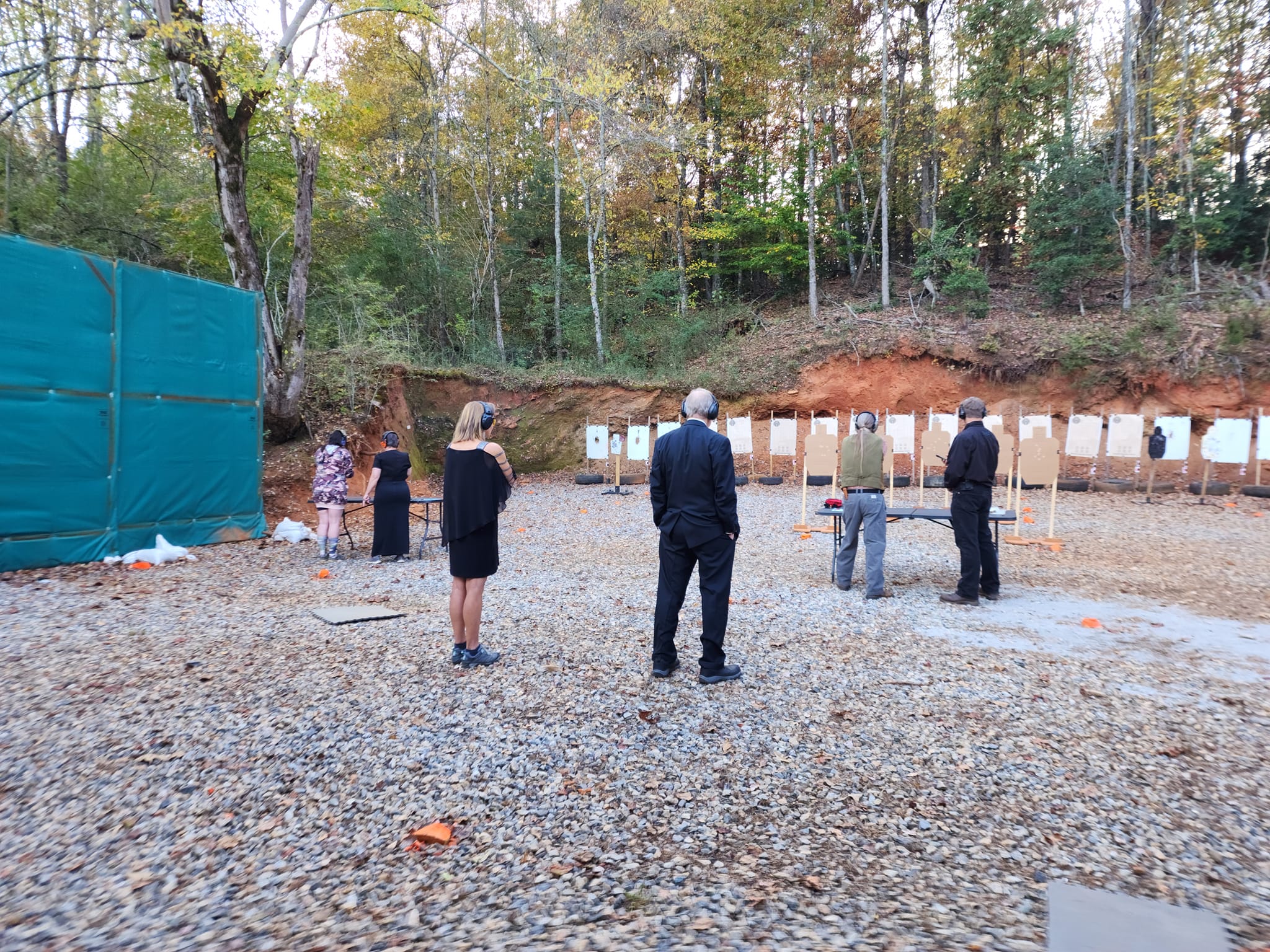
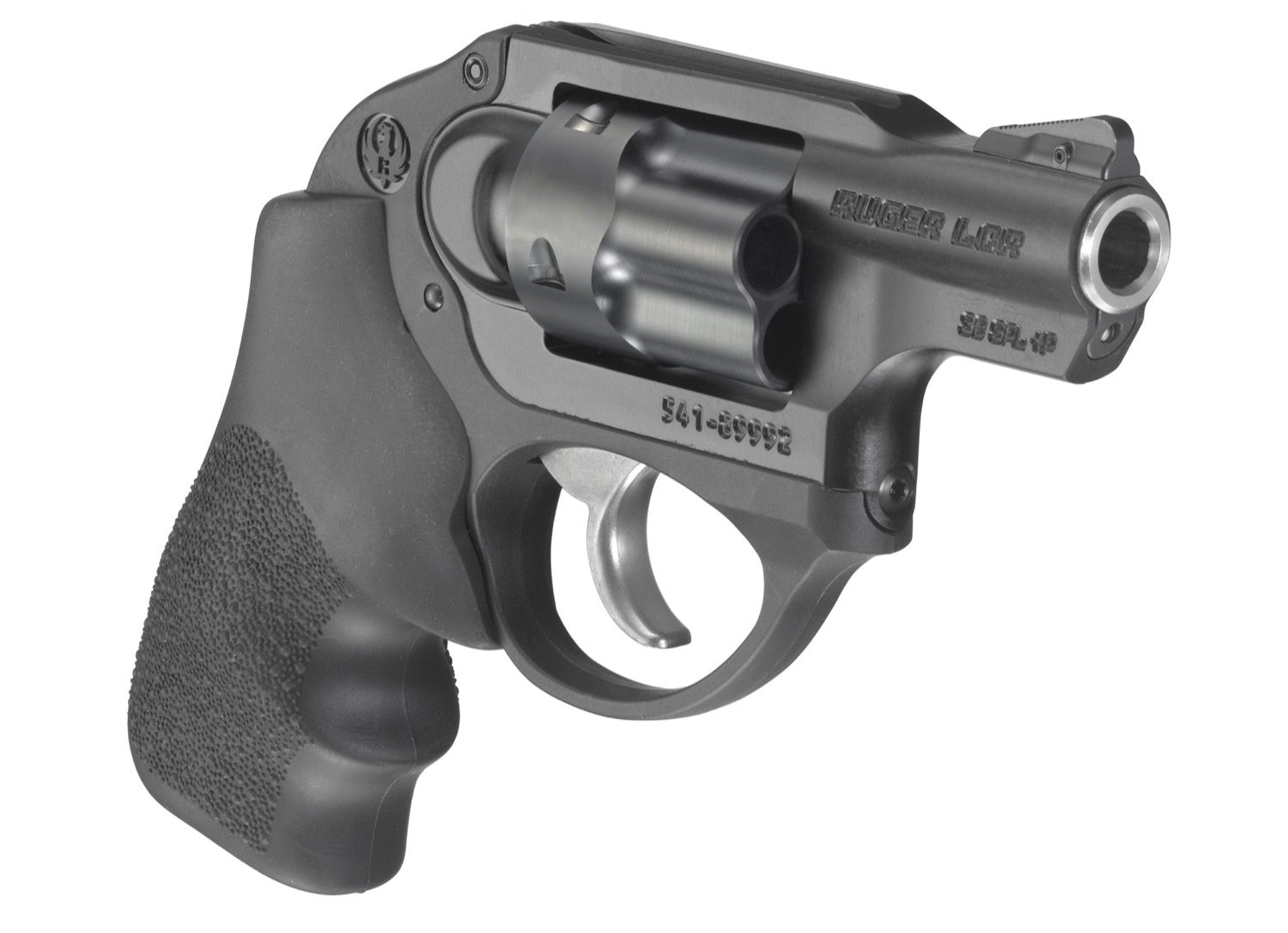
A few weeks ago, The Complete Combatant http://www.thecompletecombatant.com/ held the Dolled Up Defenders event. Part of it was a match for real deal carry guns. Here’s my Patreon post about the match. This post is available for everyone not just Patrons.
https://www.patreon.com/posts/74194384
Negative Outcome from Holsterless Carry
“A man has died after a gun accidentally discharged while in the pocket of a sweatshirt”
Brown County Sheriff’s Office
https://www.wlwt.com/article/brown-county-ohio-accidental-gun-discharge-death/41854707
The man was found dead by his girlfriend in the backyard with a gunshot wound to the abdomen. That single wound resulted in his demise.
“Authorities say a 9mm handgun was found in Hauser’s front sweatshirt pocket, with a single shell casing found in the same pocket of the sweatshirt. Officials added that fabric from the sweatshirt was found to be lodged in the [ejection port] of the firearm and the gun appeared to have gone off while inside the pocket of the sweatshirt.”
I have carried double action revolvers using a Barami Hip-Grip with an uncovered trigger guard for many years without incident. As my colleague Chuck Haggard has noted, both the trigger and cylinder have to move through a relatively long cycle to make the gun fire in that configuration. Striker Fired Autoloaders are a completely different story. As Massad Ayoob noted many years ago:
“What’s the good thing about a Glock? It’s easy to shoot. What’s the bad thing about a Glock? It’s easy to shoot.”
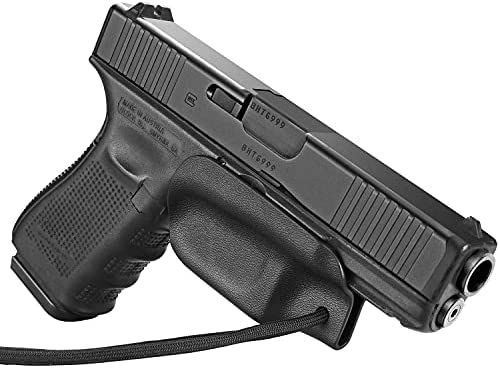
It takes very little to make a Striker Fired Autoloader go off. Holsterless carry with them is foolish. Numerous manufacturers make trigger guard covers for SFAs. If you need a minimalist carry option, at least use one of them.


You must be logged in to post a comment.