Shoot Yor Guns
#wheelgunwednesday
Before he passed away, the late Paul Gomez made a post about “Shoot Yor …. Guns.” This story is an example of why shooting your guns is important.
A couple of years ago, a colleague brought me her friend’s gun to fix. The friend said she had tried to shoot a coyote in her backyard one afternoon and the gun wouldn’t fire. It was a moderately used Model 64 Smith & Wesson revolver that had been gifted to her by a relative.

When I unloaded it and snapped it, everything seemed okay. There were three different kinds of ammo in it but none of them had a primer strike. The hammer nose protruded through the recoil shield properly so I took it to the range and fired it. It worked fine.
As it turns out, she had never fired it and didn’t realize a revolver has a heavy trigger pull. Her assumption was that the trigger pull was so heavy because the gun was broken. I cleaned it, put some proper ammo in it, and gave it back.
Just as well it didn’t fire because she lives inside the city limits of a municipality where shooting is prohibited. Unloading a cylinder of .38s probably would have brought the POlice, along with at least a citation. Also, although Georgia allows coyote hunting year-round, a hunting license is required. So it might have become a Department of Natural Resources game hunting issue. Coyotes can only be shot on your property without a license if they are attacking, which this one was not.
Moral of the story: don’t assume your gun works or that it will work for you until you’ve fired it. It’s also good to know the law about shooting animals, which is not as simple as people think. That’s true regardless of whether the animal has four legs or two.
Click on the image below for more information about shooting two legged animals.
Setting Ourselves Up for Failure
Chicago TV news crew robbed at gunpoint while filming a story on robberies
https://www.yahoo.com/entertainment/chicago-tv-news-crew-robbed-020000583.html
“Common sense is not a flower that grows in everyone’s garden.”
A friend’s comment about many people’s critical thinking skills

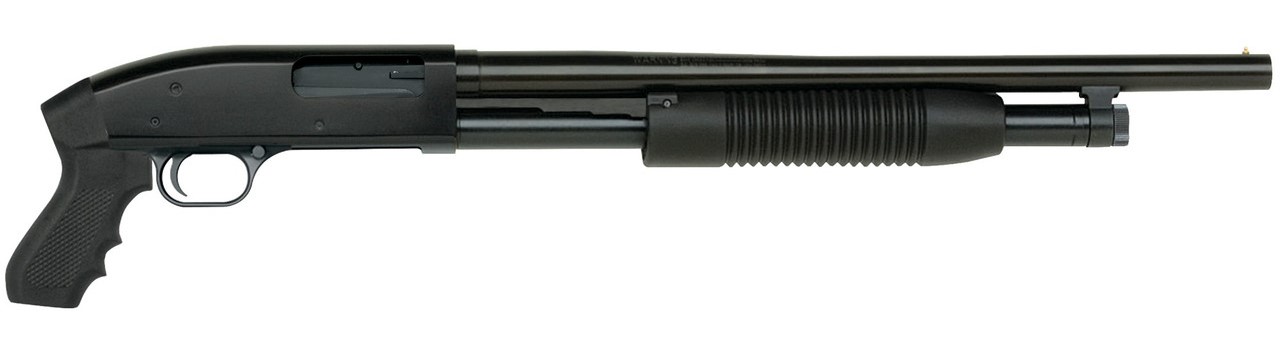
When I lived in Chicargo, several of my friends moved to the Wicker Park neighborhood because it was both trendy and convenient. One of the first things they did when I went to visit was to show me the guns they had bought. The guns were all pistol grip shotguns because at that time Chicargo didn’t allow any new handguns to be registered. Citizens who wanted to be armed just bought shotguns instead; so much for the efficacy of gun control.
Although it’s easy to poke fun at folks like the news crew that was robbed, they are far from the only people who are oblivious to dangers they place themselves in. People unthinkingly do it every single day.
While talking at The Home Depot with a friend who is an Assistant Manager there, she spotted two men walk out the door while carrying something but didn’t stop at the cashier. Her reaction was to run out the door after them. It turned out that they had legitimately done an exchange at the Service Desk and weren’t stealing. When she returned to where we were talking, I was nowhere to be found.
She looked around and saw me standing behind a display wall. When we started talking again, the conversation changed to a different subject.
Her: “I thought I had pissed you off while we were talking.”
Me: “No, I was just taking cover in case they started shooting when you chased them.”
Her: “I never thought of it but I guess that was a possibility.”
Me: “There are more killings and shootings at Home Depot than is generally known.”
I mentioned to her about the recent killing in the Florida Home Depot of a young woman by the father of her child. https://www.fox35orlando.com/news/escambia-county-home-depot-shooting Two bystander employees were wounded during the murder. She hadn’t even heard about it. Not long before that an Asset Protection officer was shot and killed at a California Home Depot while chasing a thief. https://abc7news.com/pleasanton-home-depot-shooting-blake-mohs-worker-killed-suspect/13161846/
“It’s not the bullet with my name on it that I’m worried about, it’s the one marked ‘To Whom It May Concern’ that scares me most.“
Army saying
Needs to have better aim – Redux
A recent Yahoo story was about “Chicago rideshare driver with concealed carry license shoots 2 robbers who stole his cellphone, fired at him” https://news.yahoo.com/chicago-rideshare-driver-concealed-carry-012004396.html . Some of the comments were simply congratulatory or expressed relief the driver wasn’t injured.
But being a story posted on Yahoo, it naturally included many responses by simple-minded Internet Common Taters to the effect of :
“He needs to improve his aim. Two cons could have been taken out.”

I’ve written about this before. https://thetacticalprofessor.net/2016/07/24/the-cost-of-killing/
There are three aspects of this incident worth mentioning; sociological, tactical, and marksmanship. The sociological aspect is covered more than adequately in the post linked above. The tactical aspect relates to the object of the exercise of Personal Protection. What we are trying to achieve is covered in my series about Breaking Contact. https://thetacticalprofessor.net/2021/10/27/breaking-contact-part-6/
The marksmanship aspect is something that clearly these potato heads have never considered past ‘maybe’ popping off a box of ammo at an indoor range.

Trying to get even a decent sight picture on a criminal who is threatening you near your driver’s side car door is almost impossible. Try it sometime with your inert gun and the difficulty becomes immediately obvious.
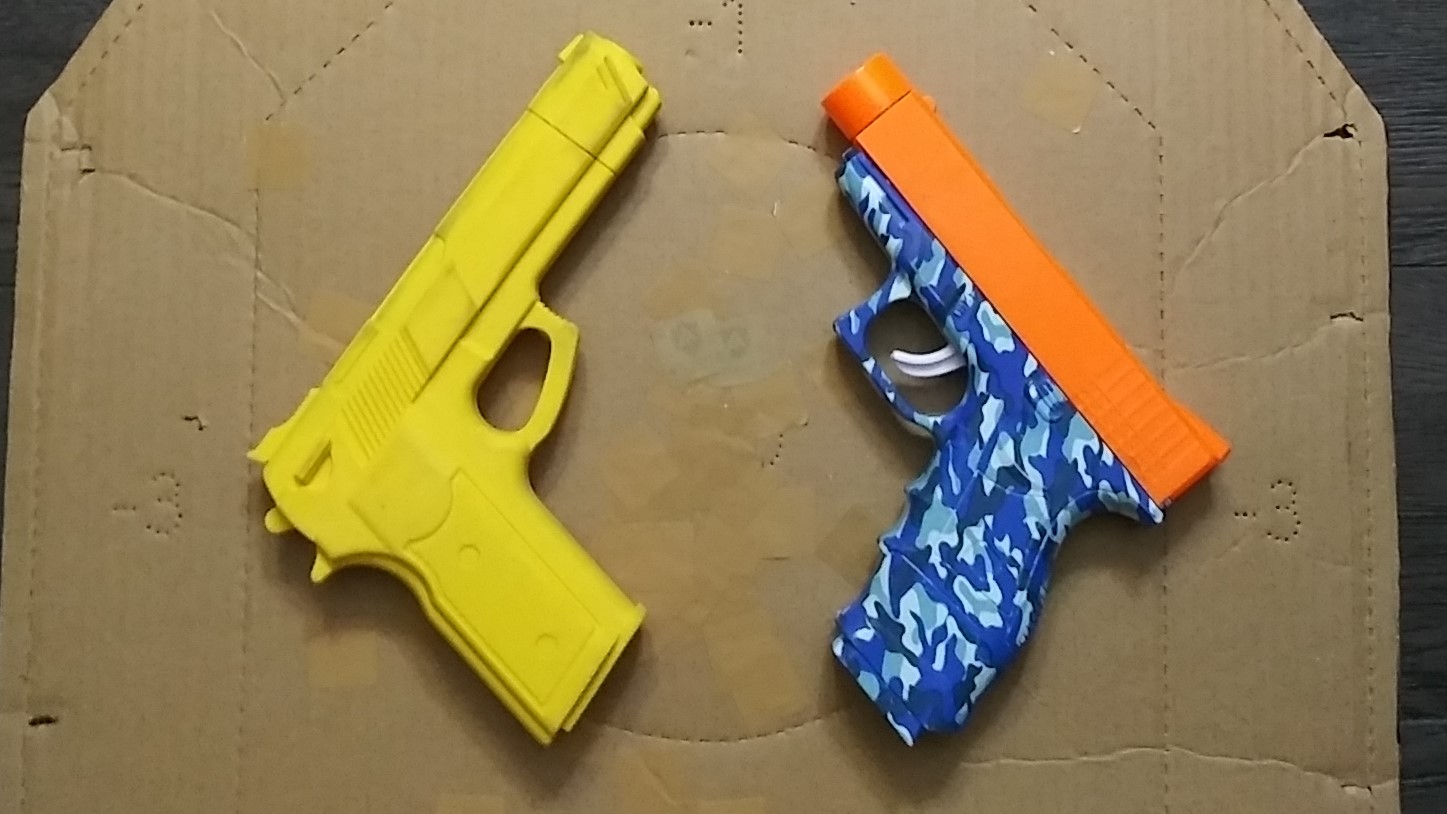
The only really good way to learn it is by using a SIRT pistol and a cardboard target on a stand outside the door. Those are resources very few people have. Even if they did, finding a place to practice it is difficult. Your neighbors and the POlice will not be very enthusiastic about you practicing this way in public. Nor will the Board of Directors of your gun club be happy about such a useful exercise at the club.
So I wish the potato heads would cut the Ride Share Driver some slack. He forced a Break In Contact, wasn’t injured, and didn’t have to interact with the Criminal Justice system excessively. That’s a win.
Reliability Testing – Part II
Continuing on with “How many rounds would you say make up a legitimate ‘reliability test’ for a pistol?”
This is a comment to the 2023 post that echoed a comment I failed to notice and answer on the 2017 post.
“ ‘One of the mathematical analyses presented in the original Facebook discussion was that 5 malfunctions per 1000 meant more than one malfunction in a 17 round magazine (8.72%).’
You need to link to this math because it isn’t correct if you assume independence.”
Here is the person’s explanation, verbatim.
“Claude – 5 in 1000 is a 0.5% failure rate, or a 99.5% success rate per shot. The odds of shooting twice in a row is 99.5% X 99.5%, or 99.5% to the 2nd power. The odds of shooting 17 rounds with no problems is 99.5% to the 17th power, or 91.8%, leaving an 8.2% chance of failure.”
The problem is that the assumed 0.5% failure rate was the result of shooting twice. So double counting the failure and then raising it to the 2nd power is an inherent structural flaw in the analysis. I don’t claim to be a statistician but occasionally a structural problem in constructing a mathematical analysis will be immediately obvious to me. If the output of a mathematical analysis is obviously divergent from reality (Glock 17s do not average more than one malfunction per magazine), it means the math is flawed in one way or another.
What is the reliability of a Glock 17? During one class I was teaching at the elite Rogers Shooting School, I had two failures to go into battery with the Gen 2 Glock 17 I used as my School gun. I pushed the slide closed with my thumb (OMG, a diagnostic malfunction clearance) and went on with the drill. The malfunctions seemed odd to me because they were out of the ordinary. Upon further reflection, I realized the teaching season was nearly over (October) and I had neither cleaned nor lubricated the gun all year. It had fired, with various types of ball ammo, somewhere upward of 15,000 rounds without a malfunction. The other School guns performed similarly.
An analysis that determined a Glock 17 had a probability of one malfunction per magazine flew in the face of my experience. That’s the kind of thing I keep an eye open for. If an analysis doesn’t match up with a broad segment of reality, there’s probably something wrong with the analysis.
Having built a model rocket does not make you a rocket scientist.

Home Invasion – Part II
and that’s the first time I realized how difficult it was to try and remove somebody’s testicles by hand.
The gentleman was very angry that his wife and homestead had been attacked and he had been shot at.
He used a 6 inch revolver to shoot back. No results, unfortunately.

And with that I went back to retrieve my own firearm. So I went to the vehicle. I had a handgun, a 38 special with a 6 inch barrel.
Quite an amazing and educational story.
Part I https://thetacticalprofessor.net/2023/06/17/home-invasion-part-i/
Home Invasion – Part I
It’s not often that we are able to listen to such a detailed narrative of how a home invasion went down. Having the victim tell the story makes it even more remarkable. This is a very brave woman and family. The overhead view of the property and accompanying explanation of the movements are invaluable.
My thanks to the creator of the video. More about the story in the next post.
Charlotte Bus Shootout
On May 18, 2023, an altercation occurred between a bus driver and a young criminal riding the bus in Charlotte NC. As the altercation escalated, the young criminal produced a pistol from his pocket and approached the driver. Upon seeing the young criminal’s weapon, the driver produced his own pistol and opened fire on the young criminal. The young criminal fired back. Multiple rounds were subsequently exchanged.
ABC News link https://youtu.be/IoRgLsiefdE
Both shooters were wounded in the engagement. The young criminal was hit once in the abdomen and required six days of hospitalization with life threatening injuries. The bus driver was wounded in the arm, treated, and released. The young criminal was arrested and charged with Assault With A Deadly Weapon Inflicting Serious Injuries, Communicating Threats, and Carrying A Concealed Firearm. The bus driver was fired from his job but has not been charged, at least yet.
Issues
There are numerous issues that can be discussed regarding the incident.
- De-escalation
- The driver was fired for not using de-escalation techniques as taught by his employer. At this point, there is no way of knowing whether de-escalation would have been possible.
- Preparation for combat
- Although the young criminal was carrying a weapon and ‘communicated a threat,’ he had to consider the situation after he pulled his pistol out.
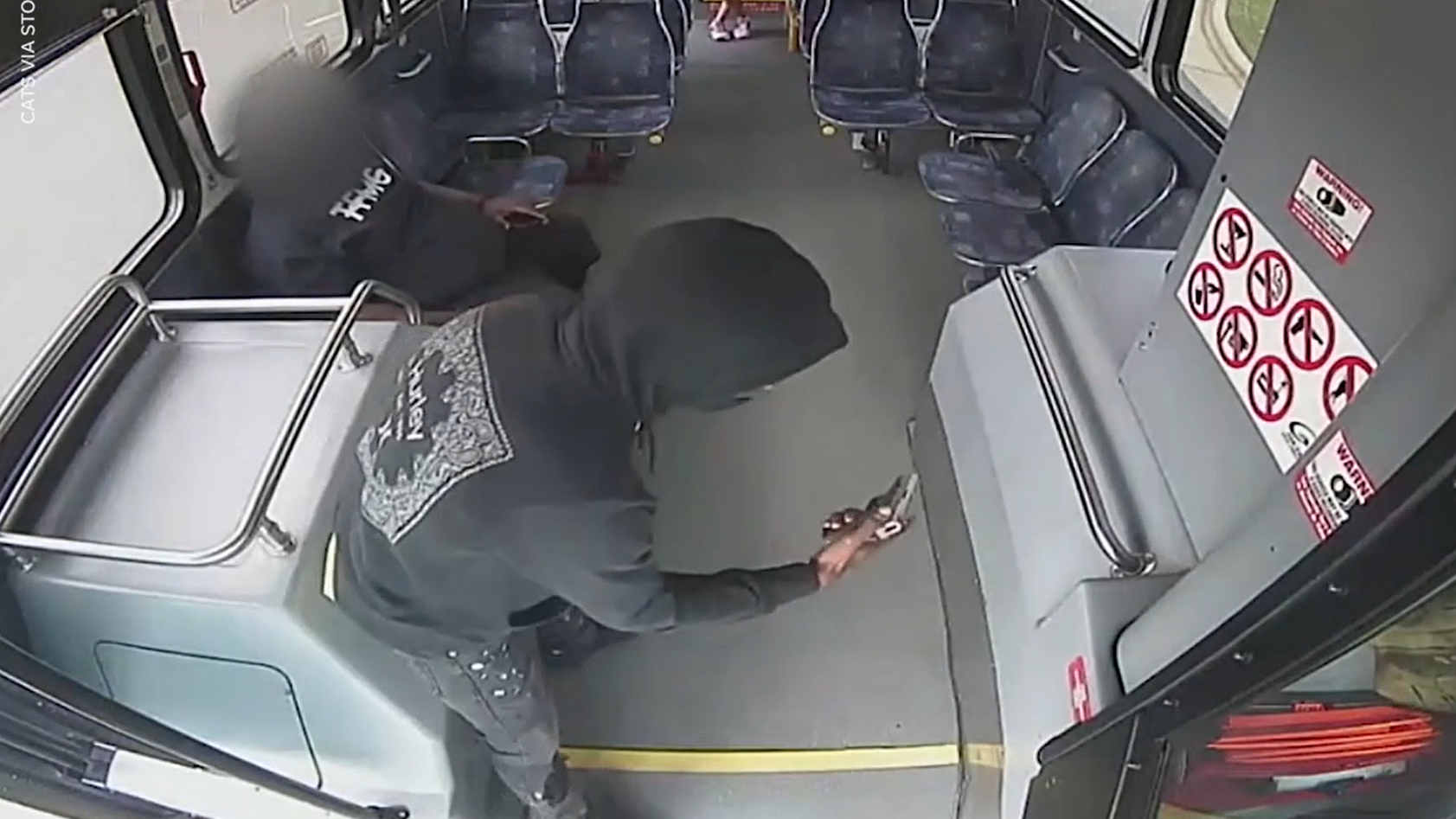
- The bus driver was clearly prepared for the incident because his draw was a one second draw any firearm instructor would be happy with.
- Situational Awareness
- The bus driver, despite having to drive the bus, was immediately aware of the young criminal’s approach after he armed himself.
- Point Shooting
- Distances
- The initial exchange of gunfire took place at about 4 feet, the boundary between Personal Space and Social Space in Proxemics.

- Distances
- As the shootout continued, the distances increased dramatically with the final shot taking place at seven to 10 yards.
- Both shooters fired one handed. Neither used a Gangsta style shooting stance. The young criminal’s initial stance was a classic point shooting Square stance with weapon just below the eye-target line as described by Fairbairn and Sykes in Shooting to Live.
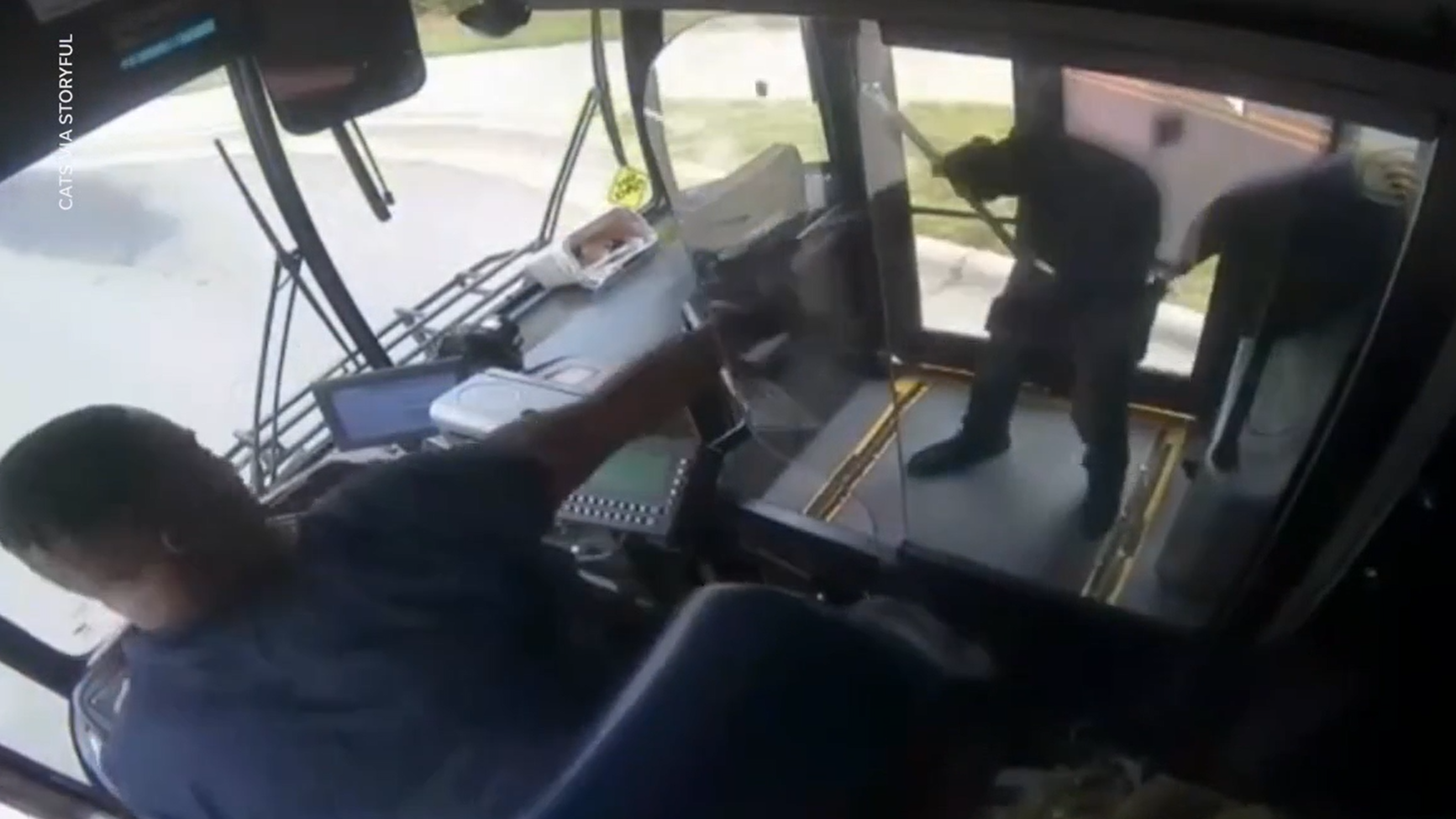
- As the young criminal retreated, the bus driver employed a ‘tactical blind fire’ method of continuing his barrage.
- Hits
- The results were that out of a magazine fired by each shooter, one hit was made by each. The young criminal was hit in the abdomen and the bus driver was hit in the arm. The hit ratio was less than 10 percent. Although the young criminal was seriously wounded, he was still mobile and unneutralized, as is often the case with abdominal wounds.
- Weapons used
- Glock 19
- SCCY
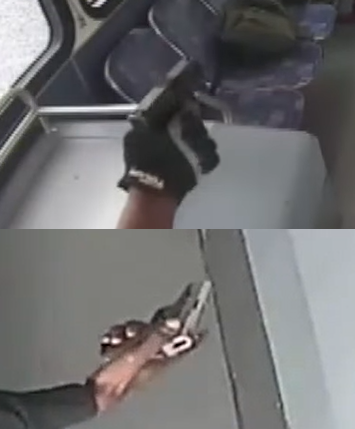
- Neither weapon appears to have malfunctioned.
- Both were equipped with iron sights.
- Anger management
- In Principles of Personal Defense, Jeff Cooper said “Now how do we cultivate an aggressive response? I think the answer is indignation. … Your response, if attacked, must not be fear, it must be anger. The two emotions are very close and you can quite easily turn one into the other. … Anger lets you do this.“ Although it is unlikely that the bus driver has ever read Cooper’s book, it’s very clear that he used Cooper’s philosophy.
- Actions after the initial exchange
- The bus driver fired three volleys.
- The initial exchange at the front of the bus, including the tactical blind fire.
- After the initial exchange of gunfire, the bus driver got up from his seat, opened the partition, had a verbal exchange with the young criminal, and then began shooting again.
- Finally, after the young criminal had exited the bus through the rear door, the bus driver debussed through the front door and fired one more round at the young criminal, who was now in the open seven to 10 yards away. This shot is problematic.
- The bus driver fired three volleys.
- Endangering innocent bystanders
- There were two bystanders on the bus. Both were endangered by the tactical blind fire of Volley 1 and the bus driver’s second volley.
- The second volley was unnecessary and irresponsible. The underlying motive for these shots was vengeance “You shot me!” not self-defense.
- The final round fired in the open as a parting shot menaced the entire area. Cooper’s anger principle is entirely inappropriate at this point.
- Gunhandling
- The bus driver had to switch hands twice. To undo his seat belt and open his partition, he had to switch his pistol to his left hand. After stepping past the partition, he transitioned back to his right hand. He was able to do this without having an Unintentional Discharge.
- Verbal commands
- The bus driver commanded the young criminal to “Get your a** back!” when the young criminal was at the back door. The young criminal refused, fearing he would be shot again.
- Self-aid for wounds
- Both the young criminal and the bus driver were wounded. Neither had any first aid equipment. Note in the video that the bus driver is holding his arm where he was wounded.
- Chasing fleeing criminals
- Getting out of his seat to maintain visual on the young criminal was entirely appropriate. Following the criminal out of the bus was not. We see time and again the chase instinct that occurs when the predator-prey relationship reverses. It’s an instinct that we need to be aware of and not give in to.
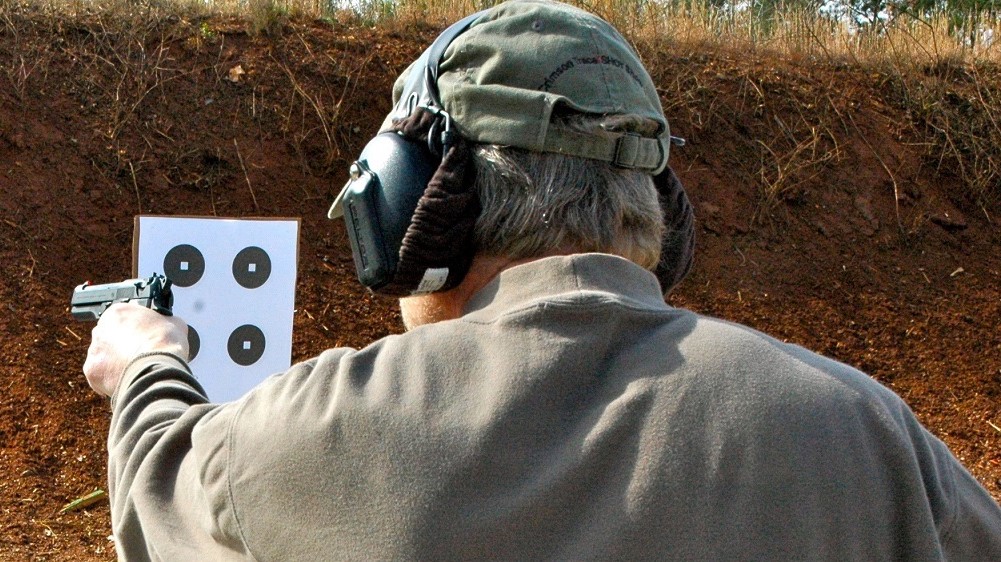
My analysis of the Point Shooting aspects are on my Patreon page. I will be going over other aspects of the shootout in more detail in my next few posts there. Click the image below to follow.
Revolver Handgun To the Rescue
From The Armed Citizen column of the May 2023 NRA Official Journals
#wheelgunwednesday
“A 71-year-old man was walking home from a takeout restaurant on March 2 when two men reportedly emerged from an alley and attempted to rob him at gunpoint. The man pulled out a revolver and exchanged fire with the suspects, who then fled. The armed citizen unfortunately sustained a wound to his ankle but was otherwise unhurt. The suspects had not yet been apprehended at the time of our reporting. (fox29.com, Philadelphia, Pa., 3/3/23)” https://www.fox29.com/news/victim-shoots-at-robbery-suspects-north-philadelphia
According to 6abc Philadelphia https://6abc.com/philadelphia-shootout-north-phillly-shooting-10th-street-cumberland/12907827/ , “The 71-year-old pulled out his revolver handgun and exchanged gunfire with the suspects”. The defender ‘emptied’ his revolver handgun at the robbers; one story indicated he had fired five shots. POlice spokesperson Chief Inspector Scott Small indicated that victim fired multiple shots and the perpetrators had fired two shots at the intended victim.
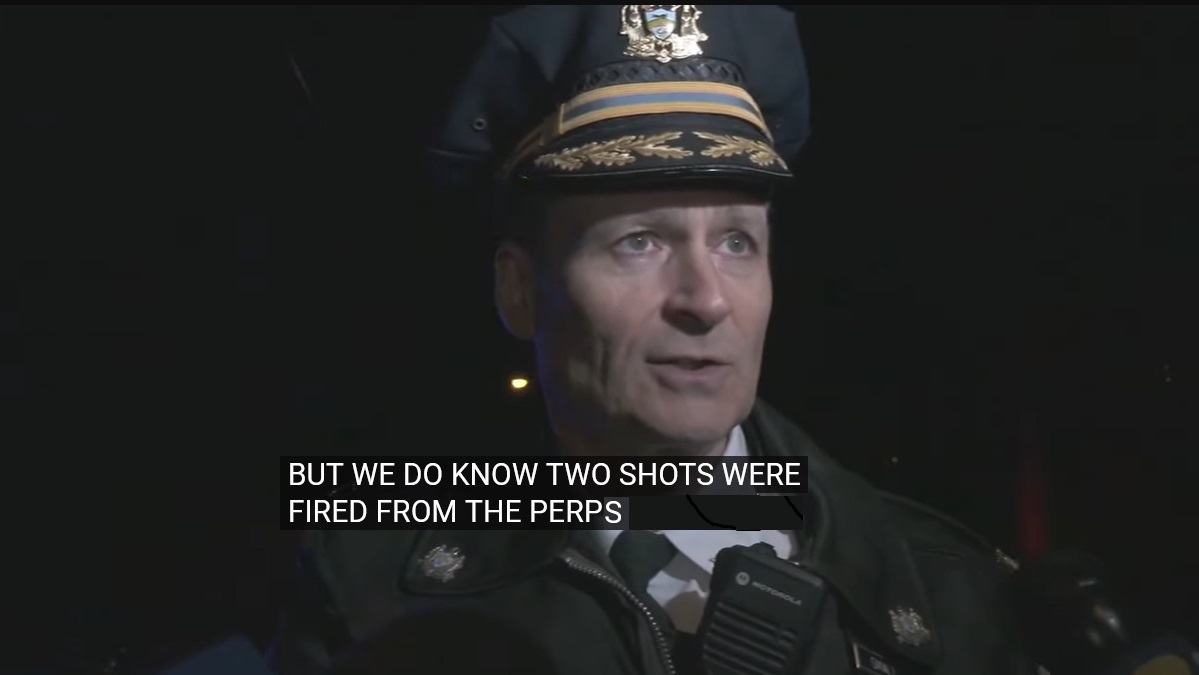
In an interview from his hospital bed with Fox News, the would-be victim said, “At night, I would keep my hand on my [revolver handgun] in my pocket in case I have to pull it out”. https://youtu.be/fs0RTJJTuOA He has a license to carry.
The Bottom Line was that he was armed and forced the robbers to Break Contact by shooting at them with his revolver handgun. Breaking Contact (Part I)
Preventing Negligent Discharges While Eating at a Restaurant
#Saturdaysafety
OMG – Another Tactical Professor rant
Simple TTP to Prevent Negligent Discharges While Eating at a Restaurant
1) Have a decent holster that keeps your pistol from falling out of your pants and use it any time you carry your pistol. Even if you’re just getting out of your vehicle to eat something or put gas in the tank, don’t just stick your gun in your waistband.
2) Let falling guns fall and then pick them up deliberately and without haste. Keep your finger out of the trigger guard as you do so.
If you do have a Negligent Discharge in a public place, don’t try to run out the door immediately. Check to see if anyone has become a casualty.
Note that I generally agree with my colleague Marty Hayes’ https://armedcitizensnetwork.org/ comment that most Unintentional Discharges don’t fit the legal definition of ‘Negligent.’ However, someone who is walking around with a pistol stuck in their waistband in such a low level of security that it easily falls out and causes someone else to get injured is being Negligent. That activity can be foreseeable as reckless and likely to cause someone else to become wounded.
THE STORY
Normal day at Cracker Barrel’ ends with shrapnel stuck forever in Charlotte man’s leg [when someone else has a Negligent Discharge and injures an innocent bystander]
https://news.yahoo.com/normal-day-cracker-barrel-ends-213119642.html
SYNOPSIS OF THE INCIDENT
A traveling man eating at Cracker Barrel in North Carolina dropped his pistol. According to the police report, the pistol was a .45 1911 Colt. He tried to catch the gun from falling and it discharged. The bullet hit the wall, broke into pieces, and several pieces embedded in another man’s leg.
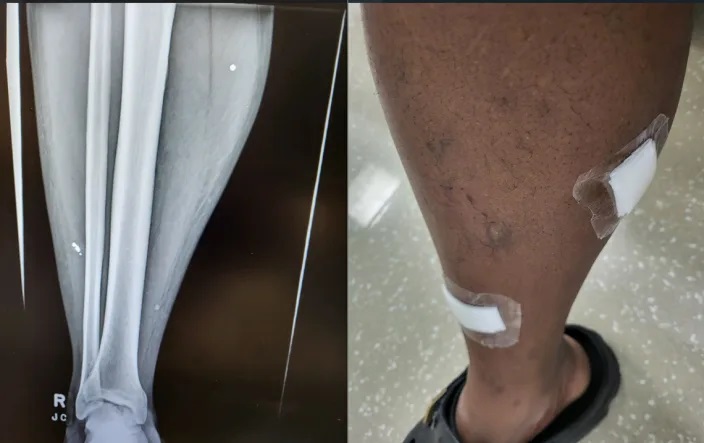
Image courtesy of Charlotte Observer
The shooter then tried to run out of the restaurant but was stopped by a customer at the cashier’s stand.
A Social Security eligible out of state man from Ohio was the shooter. He was cited and released by local POlice for violating North Carolina concealed weapons law. Whether he had a permit for concealed carry is unclear.
Upon being taken to hospital, doctors recommended the victim leave the pieces of metal in his leg. He said they told him it would be riskier to take them out.
MOST LIKELY EXPLANATION OF HOW THE INCIDENT OCCURRED
Because he was traveling across several States with a large heavy pistol, the gun was placed somewhere off-body in his vehicle. Serious Mistake. https://store.payloadz.com/go/?id=2617872 As my colleague Karl Rehn https://krtraining.com/ has noted, most people who obtain concealed carry licenses/permits do so in order to keep a gun in their vehicles and off-body in the console or door pocket. Or even worse, if that’s possible, on the floor underneath the floor mat or stuck between the seat and the console.
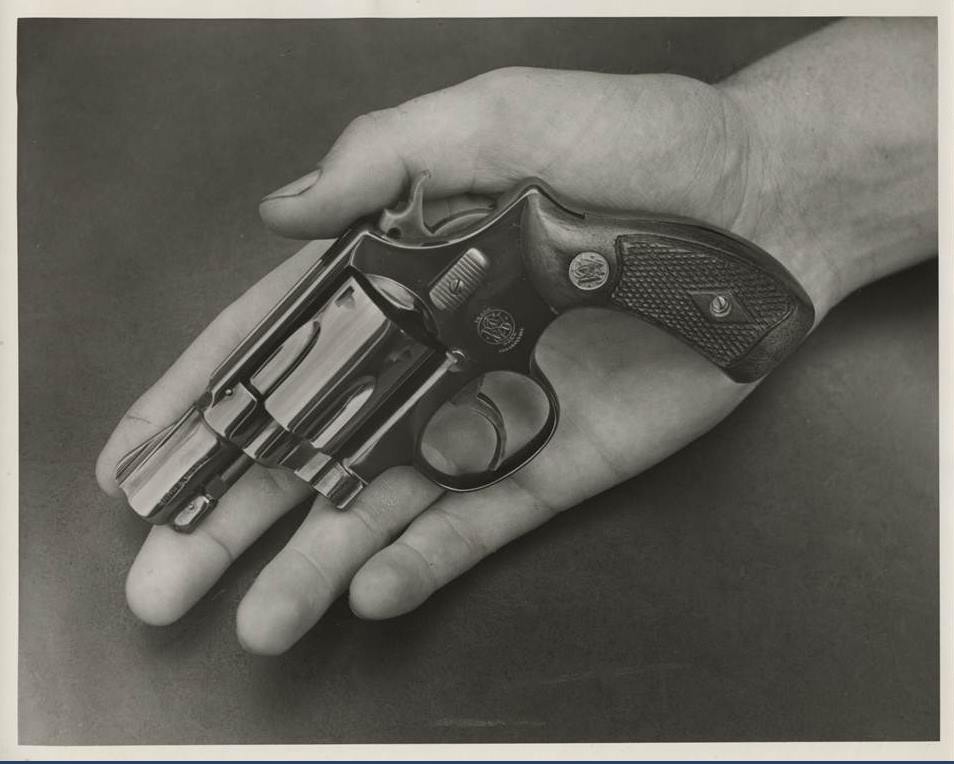
Upon stopping at the Cracker Barrel, he didn’t holster the pistol but rather just stuck it in his waistband without a holster. It is possible he wasn’t even wearing a belt but that’s conjecture on my part. Then because autoloaders are butt heavy, when the gun came out of his waistband because he was shifting around in the unpadded chair, it fell outside of his pants toward the floor. A point in favor of revolvers in such a situation is that they will slide down the inside of the pant leg like an Unintentional Turd Discharge (UTD) rather than falling rapidly to the floor. Ask me how I know this.
The no longer concealed carrier tried to grab the gun as it fell. His finger got into the trigger guard, as will usually happen when trying to grab a falling pistol, and the pistol discharged. Whether the thumb safety was even engaged when he tried to grab the pistol will never be known.
The shooter’s court date is June 9 for the citation. If he doesn’t return from Ohio to face the charge, a bench warrant will probably be issued for his arrest since it is a criminal charge. Whether the injured man will press charges further has not yet been decided.
HOW TO PREVENT SUCH AN INCIDENT
1) If your gun is too big and heavy to carry in a holster when it’s not in your safe or arms room, then you need a smaller lighter gun. The 1911 pistol was designed to be carried in a sturdy flap holster on a cavalry trooper’s 2 ½ inch pistol belt or kept in the unit’s arms room. One or the other, no in-between. That’s the other part of “the 1911 was designed to ….” people don’t much talk about.
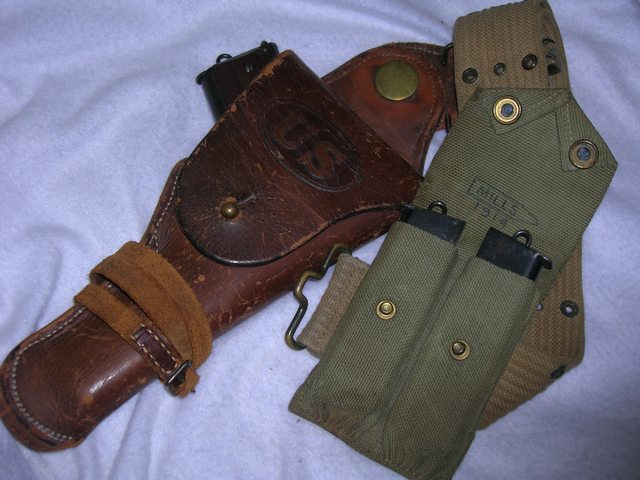
Image courtesy of FrankD on the CMP Forum
2) If your holster isn’t comfortable for all day carry, including while you are seated for long periods, then you need to get a more suitable holster and/or pistol. Although the platitude “A pistol should be comforting [to carry] not comfortable” is heard periodically, it is in severe conflict with the reality of most peoples’ lives.
3) Practice letting a fallen gun fall to the ground before trying to pick it up. Brian Hill of The Complete Combatant http://www.thecompletecombatant.com/ calls this “Rule 5” and I agree with him completely. If you don’t want to practice with your $1000 cool breeze carry pistol, then get some kind of inert dummy gun and practice with it. If you don’t want to spend the money on a Blue Gun https://www.blueguns.com/ , serviceable training aids are available on Amazon. There are training aids available even in the toy section of Walmart, assuming you don’t live in Chicargo where Walmart has decided to close.
This kind of incident makes those of us who are responsible gun carriers look bad. There’s more involved in Every Day Carry of a Deadly Weapon than just buying a gun and sticking it in your pants or purse. Consider the number of incompetent drivers you see who you know should only be riding the bus; not operating a two-ton murder machine.
1) Learn what you need to be able to do, 2) get the proper equipment, 3) practice the skills you need, and then 4) live the lifestyle.
That’s the proper sequence. Don’t be deliberately ignorant and irresponsible.
If you are interested in more in-depth writing about Point Shooting or Personal Defense Incidents and Analysis, please subscribe to my Patreon page by clicking on the image below.
A Rifleman Went to War
by Herbert W. McBride
“From these men I learned many things, the most important of which was the point which they all insisted was absolutely vital: the ability to control one’s own nerves and passions—in other words, never to get excited.”
H.W. McBride
H.W. McBride was an American who joined the Canadian Army in 1914 because he “wanted to find out what a ‘regular war’ was like.” He wrote two books about his experiences, The Emma Gees and A Rifleman Went to War. Both books are available on Amazon and other internet sites.
The above quote comes from Chapter 1 – How Come? [He volunteered for The Great War] of A Rifleman Went to War.
This is the section of that chapter elaborating about the quote.
“At the age of fifteen I enlisted in and for several years remained a member of the Third Regiment. During that time, my father rose to the rank of Colonel commanding, and I became a sergeant. Then I went to work in Chicago and immediately affiliated with the First Illinois Infantry—Company I—Captain Chenoweth commanding. During the summer of 1893, having been informed by a wise medico that I had T. B. [tuberculosis], I put in my time ranging around in Colorado and New Mexico, part of the time as a cowpuncher and the rest working for a coal-mining company. (That is, I was supposed to be working for them, but, as a matter of fact, I was using them simply as a meal ticket, as I spent every minute of my idle time in scouting around looking for something to shoot at.) I met and got acquainted with a lot of the real old timers: men famous during the hectic days of Abilene, Dodge and Hays City and, of course, those who had been mixed up in the various ructions incident to the clearing up of the famous Maxwell Land Grant, upon part of which this mine was located.
Trinidad, near the mine (Sopris), was one of the hot spots in the old days and many a bad man had met his ‘come-uppance’ there and along the Picketwire or, as the original Spanish name has it, the Purgutoire River. From these men and from my practical shooting with them in various matches, I learned just about how good they and their erstwhile friends—and enemies—could really shoot, both with the pistol and the rifle. Bat Masterson, Jim Lee, Schwin Box and Nat Chapin, just to name the best of them, were all good shots, but the best of them never could hold a candle to the amazing performances of a lot of hitherto unknown ‘experts’ who are continually bobbing up in the moving pictures and the sensational stories published in supposedly reputable magazines in the year of grace, 1930.
I should have included Brown—Three-finger Brown—in the above list. He was as good as the best of them although he had to do all his shooting left-handed: due to the fact that he had allowed his curiosity to over-ride his good sense in the matter of investigating the doings of a band of ‘Penitentes’ one might and, as a result, lost the thumb and first finger of his right hand.
All these men had grown up in the West and had lived through the various ‘wars’ and ructions which flared up every now and then, all the way from Texas to the Black Hills. They all bore the scars of combat but the very fact that they had survived was, to my notion, the best evidence that they were good. Those were the days of the survival of the fittest, especially in the case of men who, like all those mentioned, had occupied positions as legal guardians of the peace, all along the border.
From these men I learned many things, the most important of which was the point which they all insisted was absolutely vital: the ability to control one’s own nerves and passions—in other words, never to get excited.
I had the opportunity to see a couple of them in action during some disturbances which came up during the Fourth of July celebration and never will forget that, while armed, they never even made a motion toward a gun: they simply walked up to the belligerent and half drunken ‘bad men’ and disarmed them and then walked them off to the calabozo to cool off. Yes, I learned a lot from those men. That they could shoot, both quickly and accurately, is unquestioned, but the thing that had enabled them to live to a ripe middle age was not so much due to that accomplishment as to the fact that they were abundantly supplied with that commodity commonly called ‘guts.’ That was the point, above all others, that impressed me and remained with me after I had returned to the East; and, ever since, I have tried to live up to the standard of those pioneers of the shooting game.”
Words well worth considering in a time when “I was in fear for my life” has become a mantra.
 tacticalprofessor
You must be logged in to post a comment.