Accessories for the Small Frame Revolver
#wheelgunwednesday
Buying a serviceable handgun and then purchasing low grade accoutrements is a major mistake that people often make. My latest article on Shooting Illustrated digital discusses this.
https://www.shootingillustrated.com/content/accessorizing-the-small-frame-revolver/
Carrying your snub with the right gear makes it more comfortable, accessible, and concealable. Good accoutrements are a worthwhile investment.
The second part of Optimizing the Small Frame EDC Revolver https://www.shootingillustrated.com/content/upgrading-the-small-frame-edc-revolver/ is to use appropriate accessories for carrying it. This includes holster, belt, reloading device, and training aids. Concealed carry is a system of handgun, accessories, and shooter. Get the gear that makes them all work together.
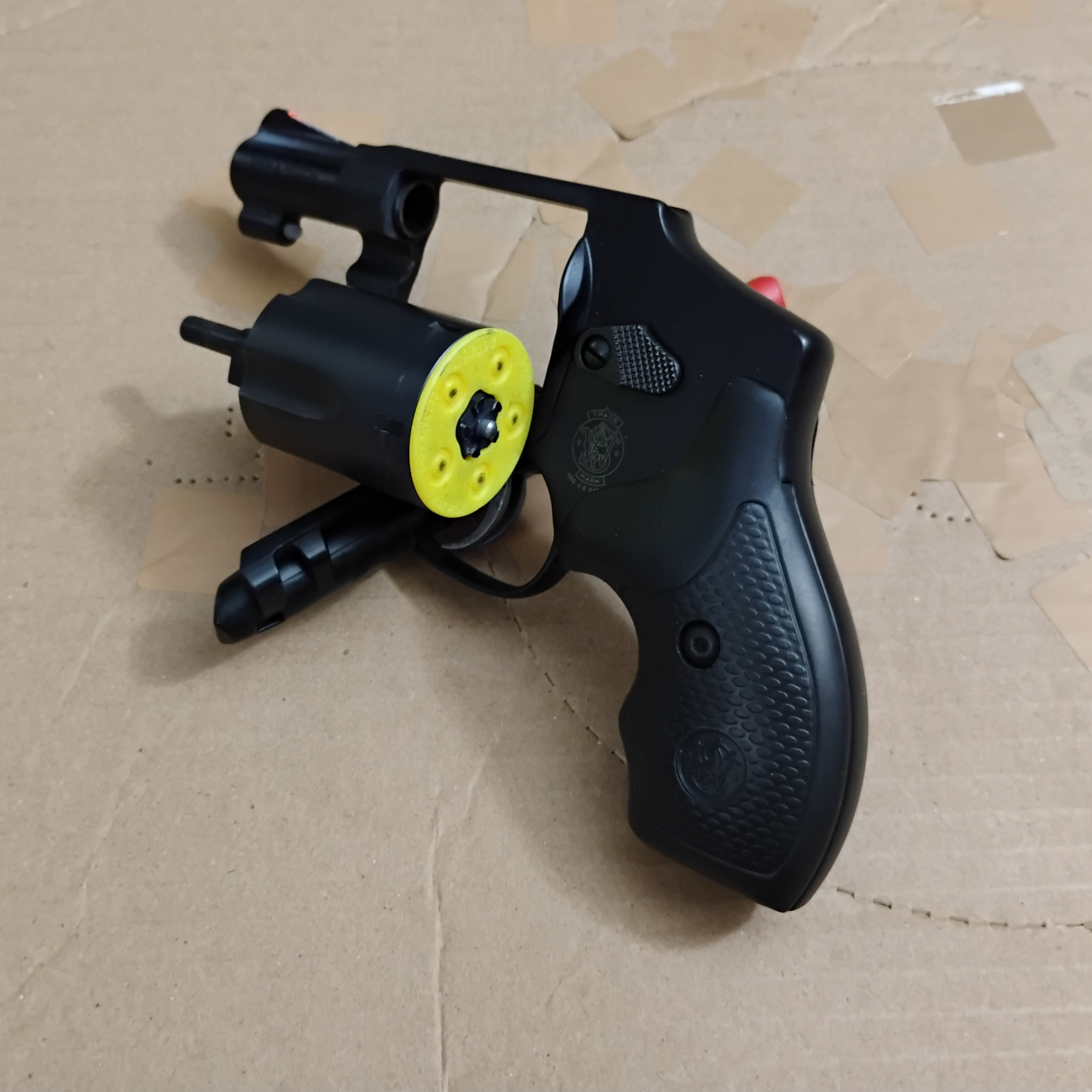
One image that didn’t make it in for space reasons was how the SafeSnap™ fits in a J frame. Since two bodies cannot occupy the same space at the same time (impenetrability), the SafeSnap™ makes it very difficult to have an Unintentional Discharge when it is installed. FTC Notice: I was involved in the development of the SafeSnap™ but I receive no compensation for mentioning it.
If you would like to read more in-depth information about shooting and personal protection, consider subscribing to my Patreon page.

Optimizing the J Frame EDC Revolver
#wheelgunwednesday
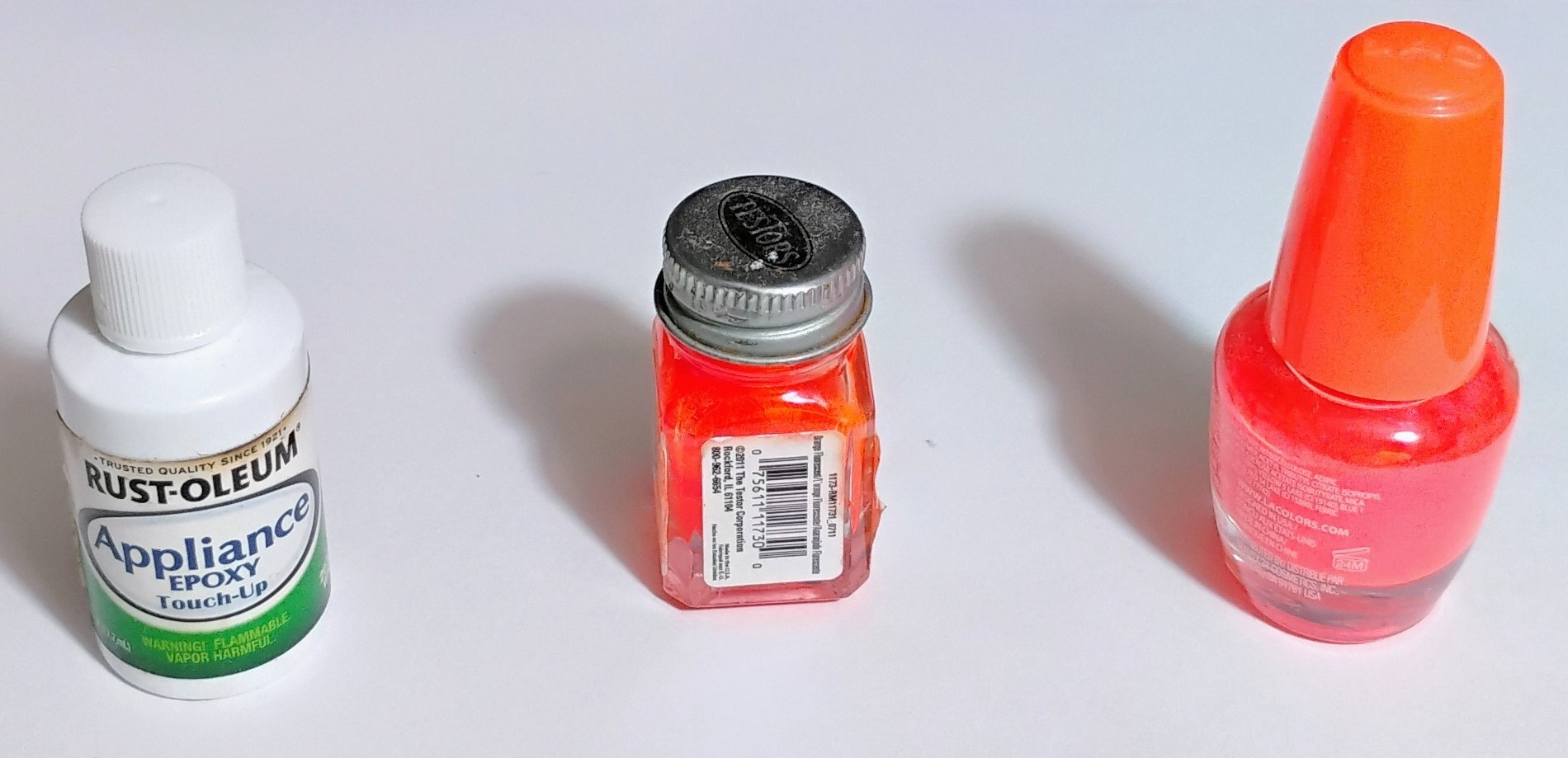
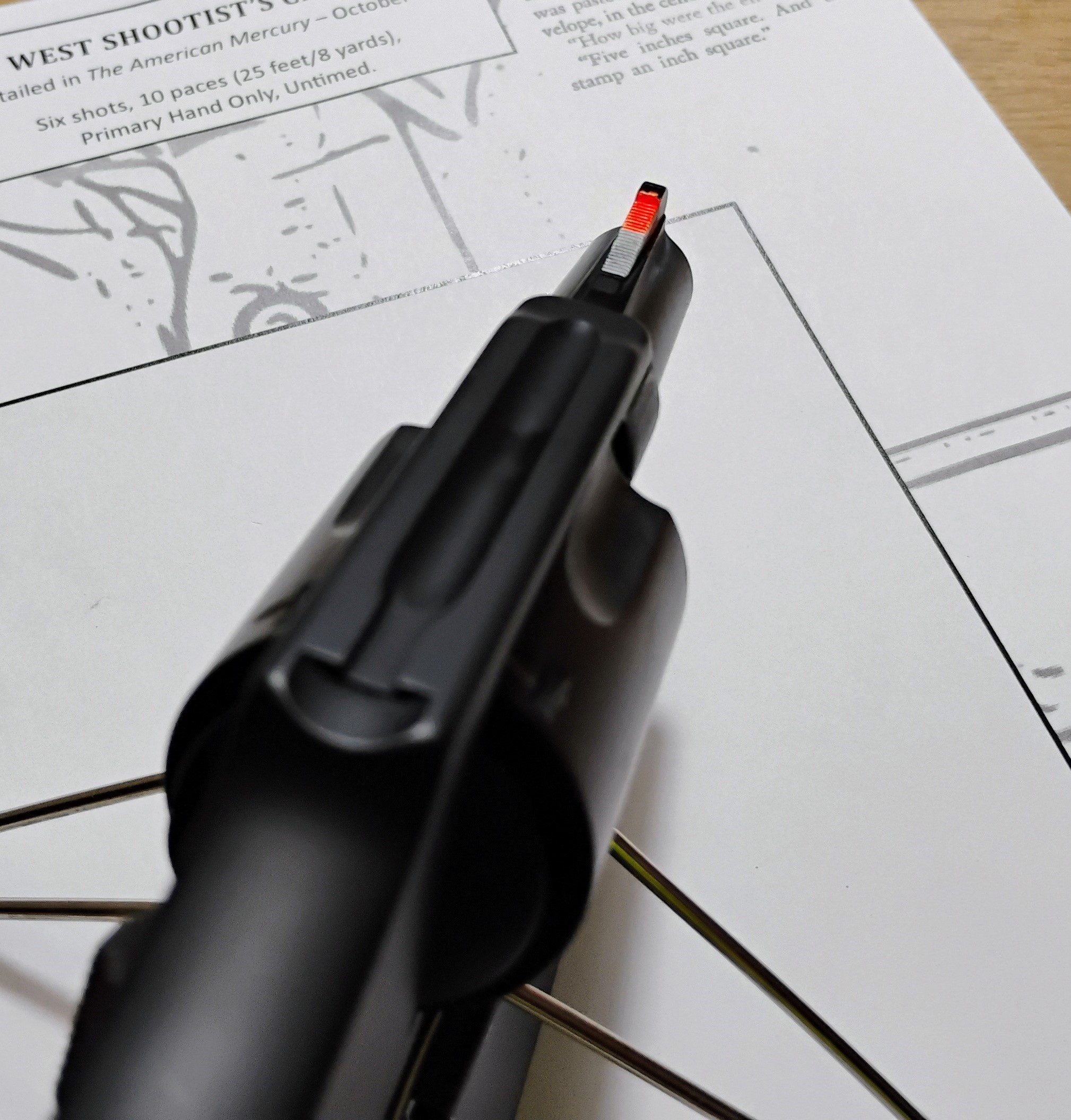
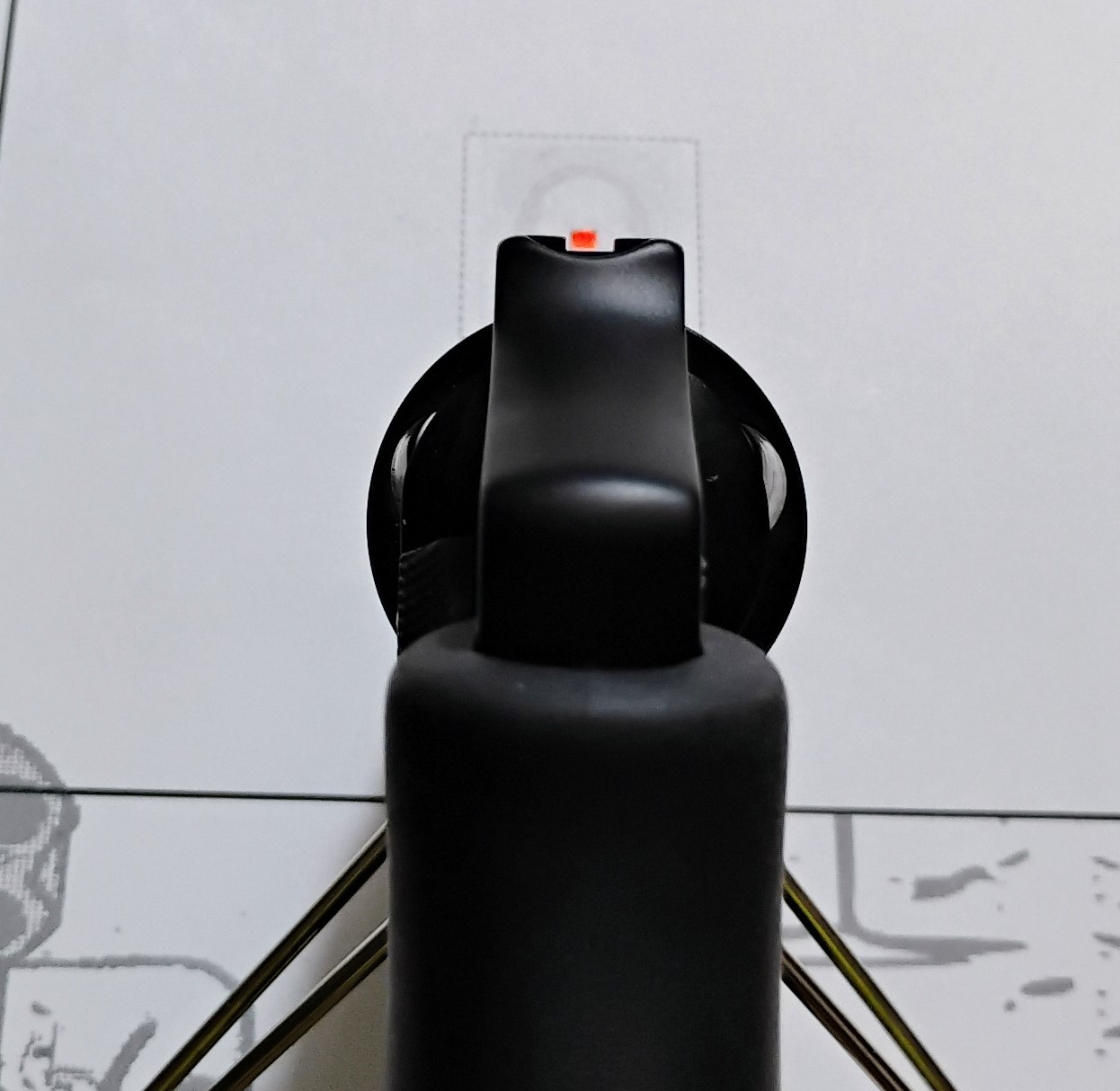
“The small-frame revolver has been a mainstay of everyday carry and personal protection in the U.S. for the better part of two centuries. They’re not the easiest of guns to shoot, but they have an uncomplicated manual of arms and are easy to carry, which is why they remain popular. Some simple improvement can be made to them to make them easier to shoot. Main among those improvements are improving the visibility of the sights and using stocks that properly fit the shooter’s hands.”
https://www.shootingillustrated.com/content/upgrading-the-small-frame-edc-revolver/
Here are a few illustrations that didn’t make it into the online article.
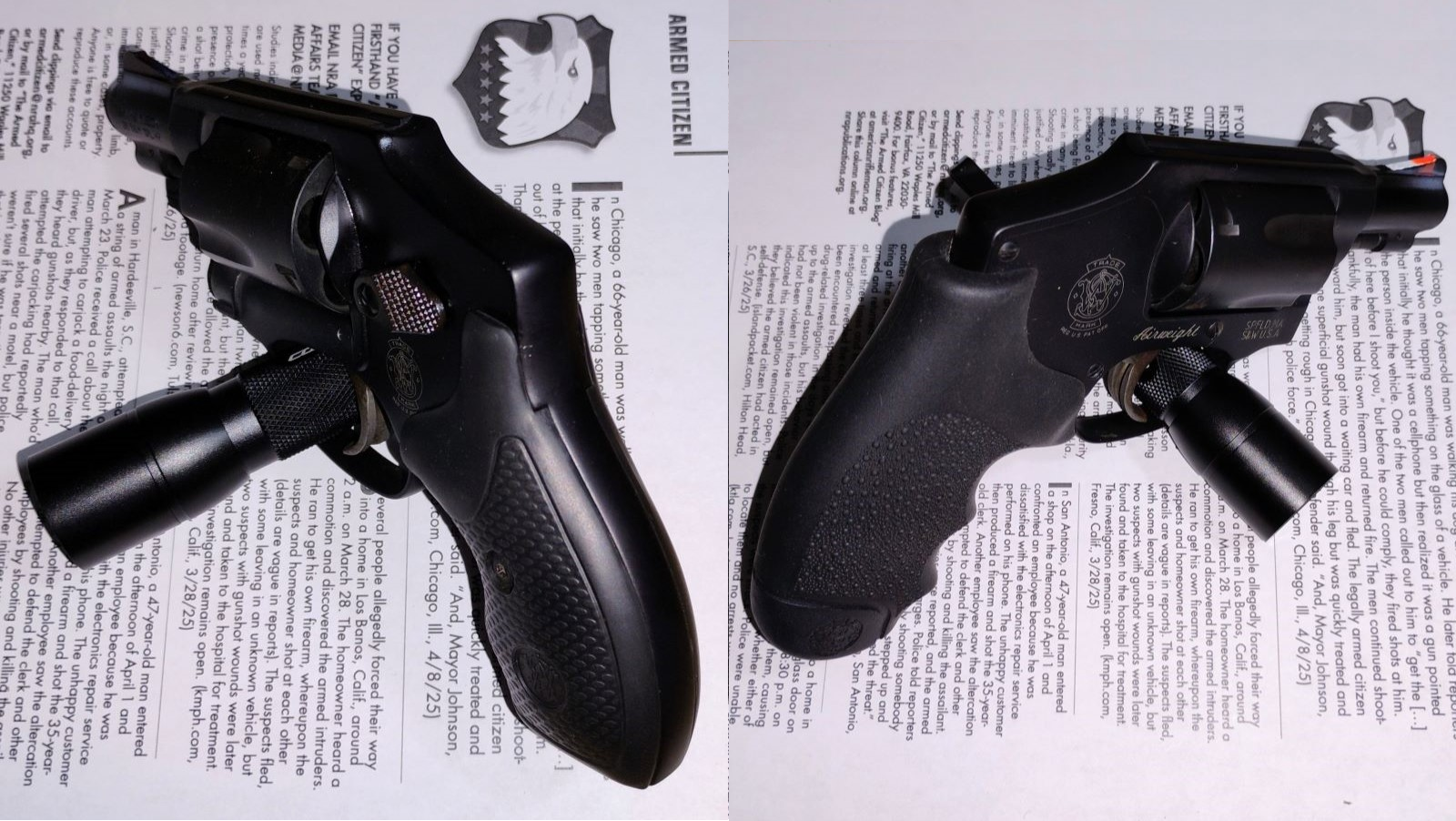
I know everyone likes fancy wood boot stocks on their revolver but shooting 5^5 https://www.luckygunner.com/lounge/start-shooting-better-5×5-drill/ with them shows how hard they are to hold onto. Except for an ankle, pocket, or barbecue gun, they’re not very useful.
A decent set of larger rubber stocks is a huge improvement. On a belt gun or for FlexCarry https://www.flexccarrysolutions.com/ , they’re no more difficult to conceal. Even rubber boot stocks are better than wood ones.
If you would like to read more in-depth information about shooting and personal protection, consider subscribing to my Patreon page.
Preserving the Heritage and Legacy
#wheelgunwednesday
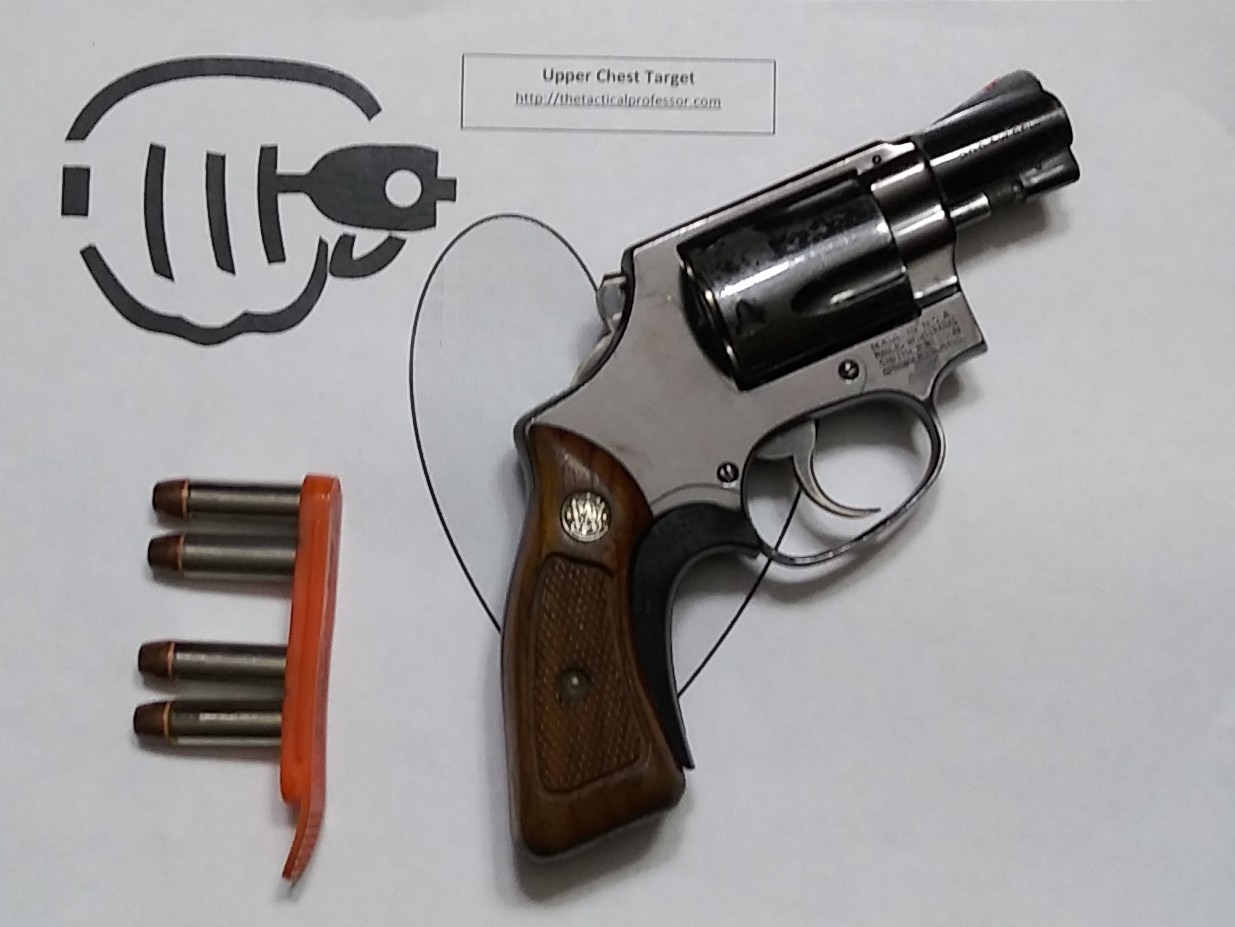
Wheelguns (revolvers) and snub revolvers are part of our American Heritage. I’ve been shooting them and teaching them for decades so they’re part of my Legacy to the shooting community. In an effort to preserve both of those, I’m going to post a link to an unlocked article from my Patreon Snubby Tier every month. I hope you’ll find it useful and enjoyable.
Safety Protocols to Avoid Negative Outcomes
https://www.patreon.com/posts/safety-protocols-69957175
Practicing With Small Handguns
My latest article for Shooting Illustrated is up. This one has a good 50 round practice session for small guns such as the LCP and J frames.

https://www.shootingillustrated.com/content/practicing-with-small-handguns/
If you like my work, join me on Patreon where I post more in-depth articles about shooting, marksmanship, and incident analysis.
Tightening Your Accuracy and Performance Standards
My latest Shooting Illustrated article is up.
https://www.shootingillustrated.com/content/tightening-your-accuracy-and-performance-standards
The New Mexico Competency Demonstration was the final exercise in my Revolver Operator Course. Those who had snubs were encouraged to shoot it with their little guns. Shooters can put variations in it to make it even more relevant for Personal Protection practice. In ROC, I made it simple; five shots with two hands, five shots with the Primary Hand Only, and five shots with the Support Hand Only. For the article, I put a little different spin on it.
Here are the images that weren’t used.


Back to Basics WheelgunWednesday
#wheelgunwednesday
Going back to basics occasionally helps me get back in the groove. Two basic exercises I like for the snub revolver are the LAPD Retired Officer Qualification Course and the NRA Basics of Pistol Shooting Level 1 test.
The LAPD course is described in the LAPD Manual.
“The starting position for this qualifying course of fire will begin at the 7 Yard Line. When the target faces, the shooter will draw and fire 10 rounds at a single silhouette target. A score of 70 percent is required to pass the qualification. All rounds impacting anywhere on the body and head will receive full value and rounds impacting upon the arms are half value.”
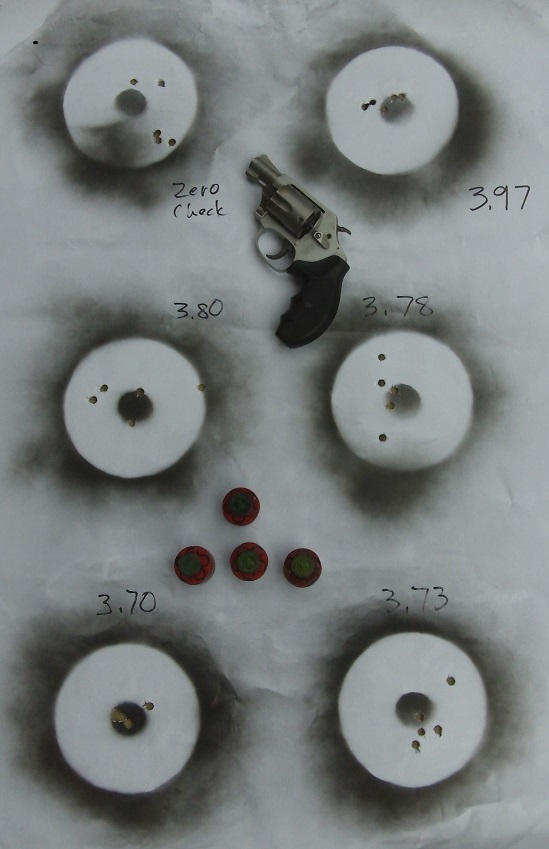
Basics of Pistol Shooting Level 1 test consists of shooting five shots into a circle that is four inches in diameter at a distance of 10 feet. All five shots must hit or cut the circle. It must be done four time, not necessarily consecutively, to pass BOPS.

For both tests, I include opening and spinning the cylinder periodically to create ball and dummy practice. In the LAPD Course, I also include a few initial dry practice draws, a la the NY State CCL Qualification, staggered loading with loose rounds during the first five shots, presenting from Low Ready, firing different numbers of rounds, and a reload with a loading device for the second five.
During my initial run of LAPD (I did four), I noticed that a couple of my shots went high. Upon repeating it, I realized that I was ‘hammering’ instead of firing a ‘controlled pair.’ That was probably the reason I had a couple of high hits during the Rangemaster Pistol Match https://thetacticalprofessor.net/2024/04/10/tactical-conference-2024-pistol-match/.
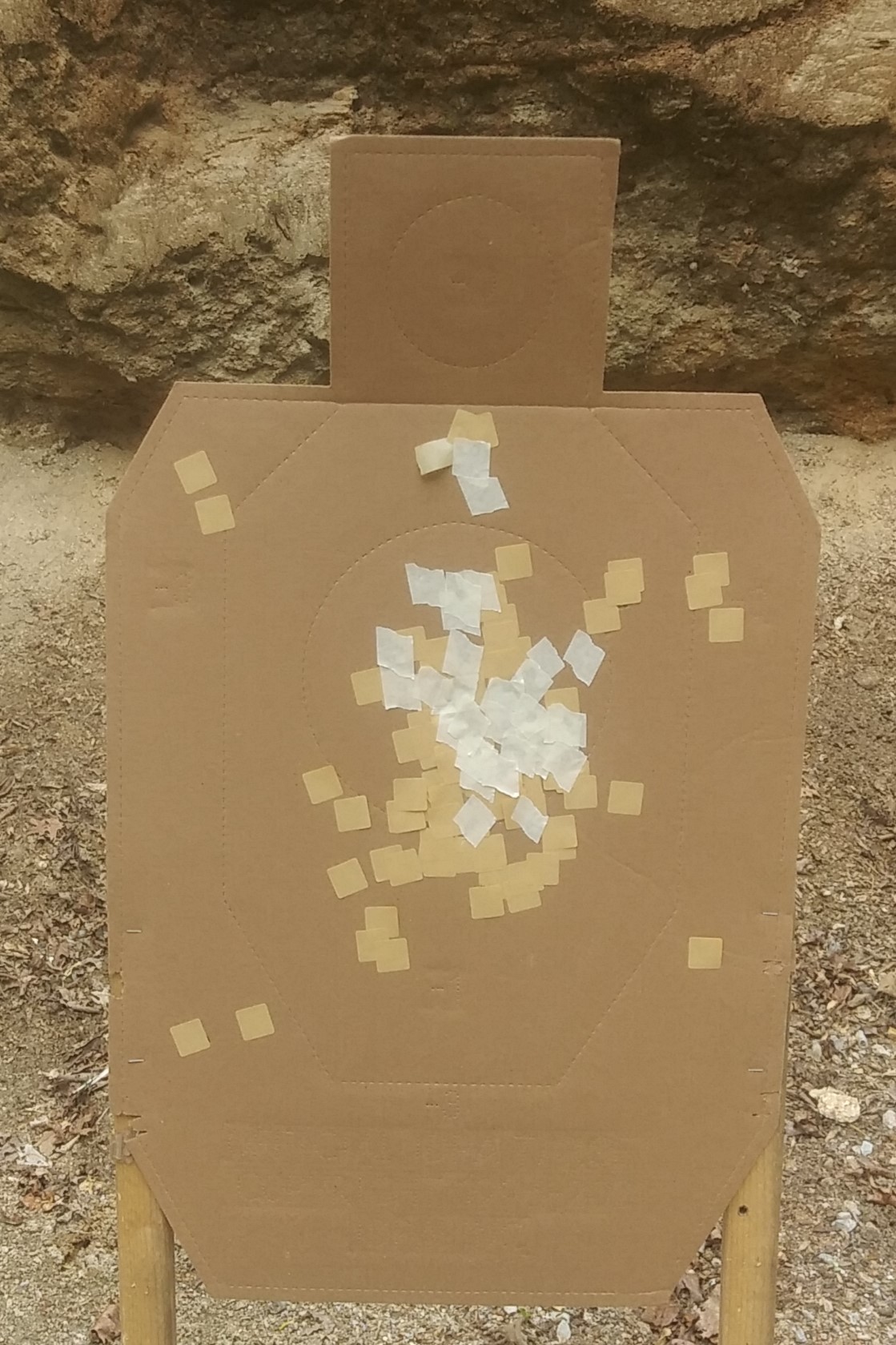
I used a target that I found on the range. The hits covered with masking tape are mine. The ones with pasters are from the previous and unknown shooter. The two hits just below the neck line were the ones probably the result of hammering.
Since BOPS has four strings, I used the opportunity to tune up with several different loading devices. One was an HKS speedloader and the others were various tools from Zeta6 that I like. All the Zeta6 devices are modified with Retention Rings. I find the Retention Ring is a handy addition for getting the device out of my pocket.

It was a nice little tuneup. The day was nice and the results were satisfying.
Improving Snub Sight Visibility, Again
#wheelgunwednesday
The new Lipsey’s 642 UC (Ultra Carry) is the latest hotness in the revolver community. Its single biggest feature is an upgraded set of sights on it. The sights are a worthy improvement.

Not everyone who owns one of the millions of snub revolvers out there is going to buy something new to get a better set of sights though. I’ve written previously about how to improve the sight visibility of a snub revolver. https://thetacticalprofessor.net/2019/07/10/getting-more-out-of-your-snubs-sights/
The bottom line is that if you can’t see the sights on your snub, you can’t use them.
Earlier this year, I purchased an Ameriglo tritium front sight for my Taurus 856. Although I had already painted the original front sight as outlined in the previous article, I wanted to try out the Ameriglo. Installing it was not difficult, only requiring a 1/16th inch pin punch. Some kind of bench block is helpful. The process is easier if the cylinder is removed so the gun lies flatter on the bench.
A word of warning; the screw that holds the yoke on the Taurus is not one piece assembly like a Smith & Wesson. There’s a small plunger and spring that fits inside the Taurus screw and is a separate assembly. It will come out when the screw is removed. Watch for it and don’t lose it, the screw will not hold the yoke in if the plunger assembly is lost.
The rear of the Ameriglo sight overhangs the barrel a bit and at first I thought that was a design flaw. Then I realized it’s actually very clever. The overhanging lip ensures that the hole for the roll pin holding the sight in place is always in the same spot. It works very well, the pin was easy to reinsert. A replacement pin is included with the sight but I reused the original.
When I took it to the range, I had an issue. While the sight is highly visible, bringing the whole orange area into the rear notch when sighting makes the gun shoot high. This is a common problem when folks paint the entire ramp of a revolver. The natural tendency is to bring the entire colored area visible in the rear notch. Inevitably, this means the top of the front sight is above the top of the rear notch and the gun will shoot high. As long as you’re just trying to hit the 8 ring of a B-27 at 3 yards, this doesn’t matter. However, if you’re trying to put a bullet in the face of the target at 5 yards or more, it becomes very problematic.
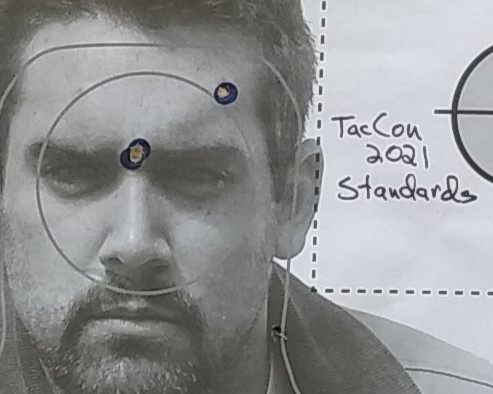
I had to consciously bring the top of the sight down into the notch for every shot. This reduced how much the high visibility of the sight contributed to my shooting. I was still able to make my par times but I was working at it.

To remedy this, I painted the lower part of the sight with white Appliance enamel. Fortunately, it was obvious that the tritium dot established the part needing white paint. I’m not concerned about the night sight, so I just painted over it. Masking the area I didn’t want paint on gave a good final result. The original sight with its paint is on the right.

When working on a snub’s sights, putting a large binder clip on the front of the frame will stabilize the revolver and position it properly so you can do your artistry. Put some tape or cloth around the frame if you are concerned about scratching it. Note also that the rear notch is blackened with an Ultra Fine Point Sharpie.

The system that inspired this method of painting sights is the Optical Landing System used by pilots landing on aircraft carriers. They learn to use the visual reference very quickly while landing and with some practice, using the sight paint on the front sight to achieve a good sight alignment becomes second nature too.
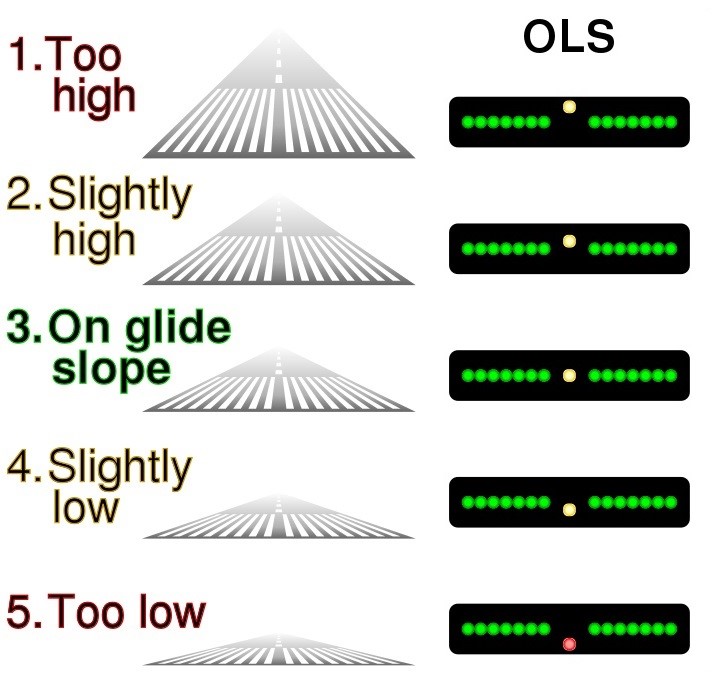
If I see the white, I know the sight is too high. If I don’t see the orange, I know to bring the front sight up. After doing it for a while, this becomes as instinctive as driving between the lines on the road, unless you drive a Honda Odyssey, in which case the lines probably aren’t important to you. 😊
I’ll find out how well this works at the 2024 Tactical Conference when I shoot the pistol match.
My ebooks about shooting and personal protection are available on Payloadz. https://store.payloadz.com/results/337896-tactical-professor
SixFerShur 2nd Day
The first day of SixFerShur sold out faster than I expected. My host, The Complete Combatant, has kindly offered to host a second class on the following Sunday. If you weren’t able to register for Saturday, now you still have a chance to learn how to spin your wheels.
Sunday, May 5, Dahlonega, Georgia – Home Range of The Complete Combatant
https://www.shootingclasses.com/thecompletecombatant/course/?courseId=4493
One Day – $199 plus $20 Range fee
Important: Although a few exercises will be shot with small (J Frame ish) revolvers, this is NOT a J Frame course. You will need a full size (K frame or equivalent) revolver to attend. Shooting 300 rounds in a day through an Airweight J Frame only teaches one thing; how to flinch.
I was asked if a Ruger SP101 would be workable for the course. My answer is:
“If you can shoot 300 rounds through it in a day without developing a flinch, that’s the object of the exercise.”
Please be sure you can do that. What I want to avoid is teaching someone how to massively flinch.
https://www.shootingclasses.com/thecompletecombatant/course/?courseId=4493
Snub Dry Practice Training Aids
#wheelgunwednesday
All discharges of a firearm by LAPD officers must be reported to the LAPD Force Investigation Division. Each discharge is thoroughly investigated, adjudicated by the Board of Police Commissioners (BOPC) for LAPD policy compliance, and a public report posted on the BOPC webpage.
https://www.lapdonline.org/police-commission/categorical-use-of-force
Of particular interest are the off-duty discharges. These usually involve one of two situations. First, situations of self-defense similar to what would be encountered by any non-sworn person who owns a firearm for personal protection. Or, second, Unintentional Discharges due to administrative gunhandling such as: placing or removing the firearm in a storage location, cleaning the firearm, or dry practice “to improve accuracy.” In one rare instance, both situations were involved; a firearm was discharged while being retrieved during a ‘tactical situation.’
In adjudicating Unintentional Discharges cases, the LAPD BOPC subdivides them into two categories.
A. Unintentional Discharge
The definitions for an Unintentional Discharge, both Accidental and Negligent, are as follows:
Accidental Discharge: The unintentional discharge of a firearm as a result of an accident such as a firearm malfunction or other mechanical failure, not the result of operator error.
Negligent Discharge: Finding where it was determined that the unintentional discharge of a firearm resulted from operator error, such as the violation of firearm safety rules.
Administrative Disapproval – Negligent Discharge. Finding where it was determined that the unintentional discharge of a firearm resulted from operator error, such as the violation of a firearm safety rule (Los Angeles Police Department Manual, Volume 3, Section 792.05).
From 2005 to 2023, five Unintentional Discharges of five shot revolvers, which are authorized for backup and off-duty carry, occurred. All five were adjudicated as Negligent Discharges and received Administrative Disapproval. Negligent Discharges are one category of Negative Outcomes https://store.payloadz.com/details/2617872-ebooks-true-crime-serious-mistakes-gunowners-make.html and we obviously want to avoid them.
Four of the five involved preparation for dry practice. The cause of all four was the same. Not all five rounds were ejected from the cylinder when the revolver was unloaded. One round remained in the cylinder when the other four ejected. At some point during the dry practice, a loud noise occurred when a click was expected. That universal cause reinforces my concept of how to prepare for dry practice with a revolver.
https://thetacticalprofessor.net/2020/08/21/dry-practice-safety-part-ii/
Since that article was posted, Zeta6 and I teamed up to create the SafeSnap Training Disc.
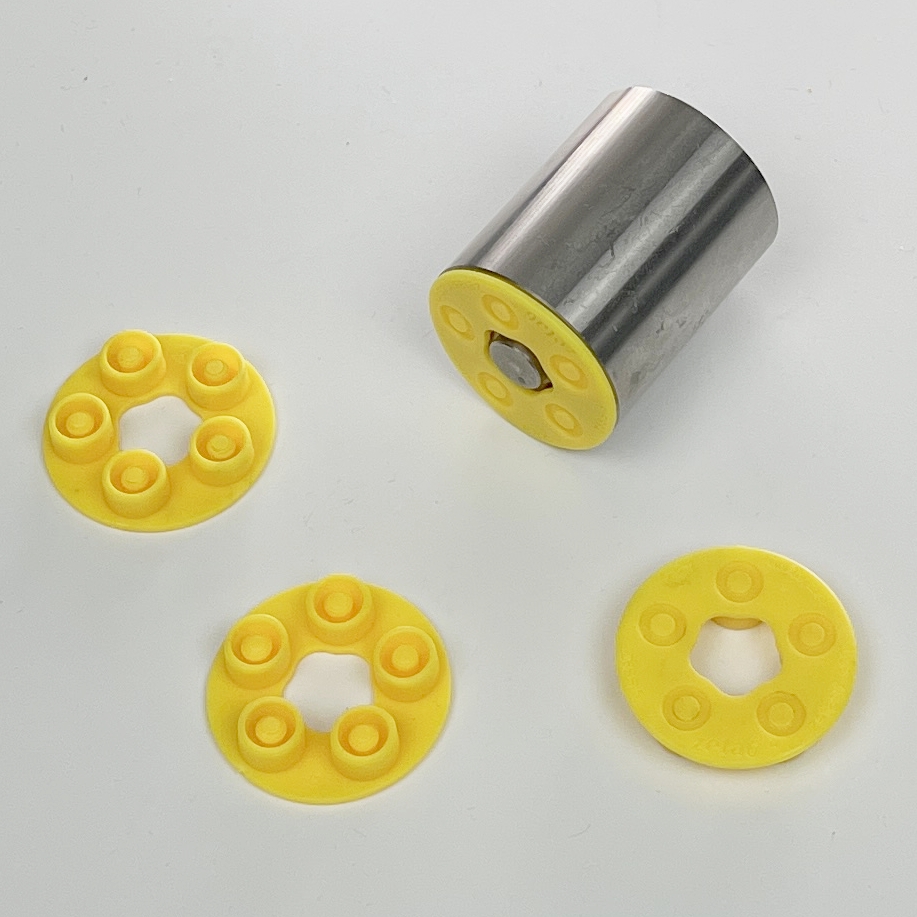
https://zetasix.com/product-category/safesnap
I now keep a SafeSnap Disc in my storage box, along with an empty HKS speedloader, to make my dry practice even safer. Although I don’t carry an HKS, I find it’s the easiest of all speedloaders to put ammunition in.

I rotate the revolver so the muzzle is pointing straight up, eject the live rounds from the snub, place them in the speedloader, and then put the SnapSafe in the revolver. Holding the revolver completely vertical is an important aspect of ejecting the live ammunition. Holding it at angle and catching the rounds in the palm of the other hand is a dangerous technique and is “cruisin’ for a bruisin’.” Sooner or later, doing that will bite you in the ass; hard.
This procedure makes the possibility of having a Negligent Discharge during dry practice fairly remote. I also have a Zeta6 K-PAK2 https://zetasix.com/product/k-pak2/ with dummy rounds for reloading practice in the box. It is set up with a Retention Ring https://retentionring.com/ to mimic my EDC reload.
All the live ammunition stays in the box and the box gets closed while I’m practicing. When I’m finished practicing, I rigidly follow the post-practice safety protocols described in the above linked article.
Dry practice is a key component of learning how to shoot well. When doing it, we want to avoid having the Negative Outcome of “causing damage to equipment or injury to personnel,” which was a graded aspect required to pass the Special Forces Weapons Qualification Course that has stuck with me for the past 44 years. Having the right training aids and following safety protocols in a disciplined manner is how we can avoid those Negative Outcomes.
FTC Note: I have a relationship with Zeta6 and Retention Ring but receive no compensation for mentioning their products.
A Way of the Wheelgun
#wheelgunwednesday
In 2022, I created a four month Patreon series for developing shooting and gunhandling skills with snub nosed revolvers. There are a total of 65 articles in the series and it is the online equivalent of a book. All the articles are now available as a Collection on my Patreon page. Unlike a book, you can read it at your leisure on your Smartphone.
The basis for the Series is the principles and techniques of the Snub Nose classes I taught for decades and the two DVDs I made about snubs. Also included are examples of what went right and wrong in several real life incidents involving snubs.
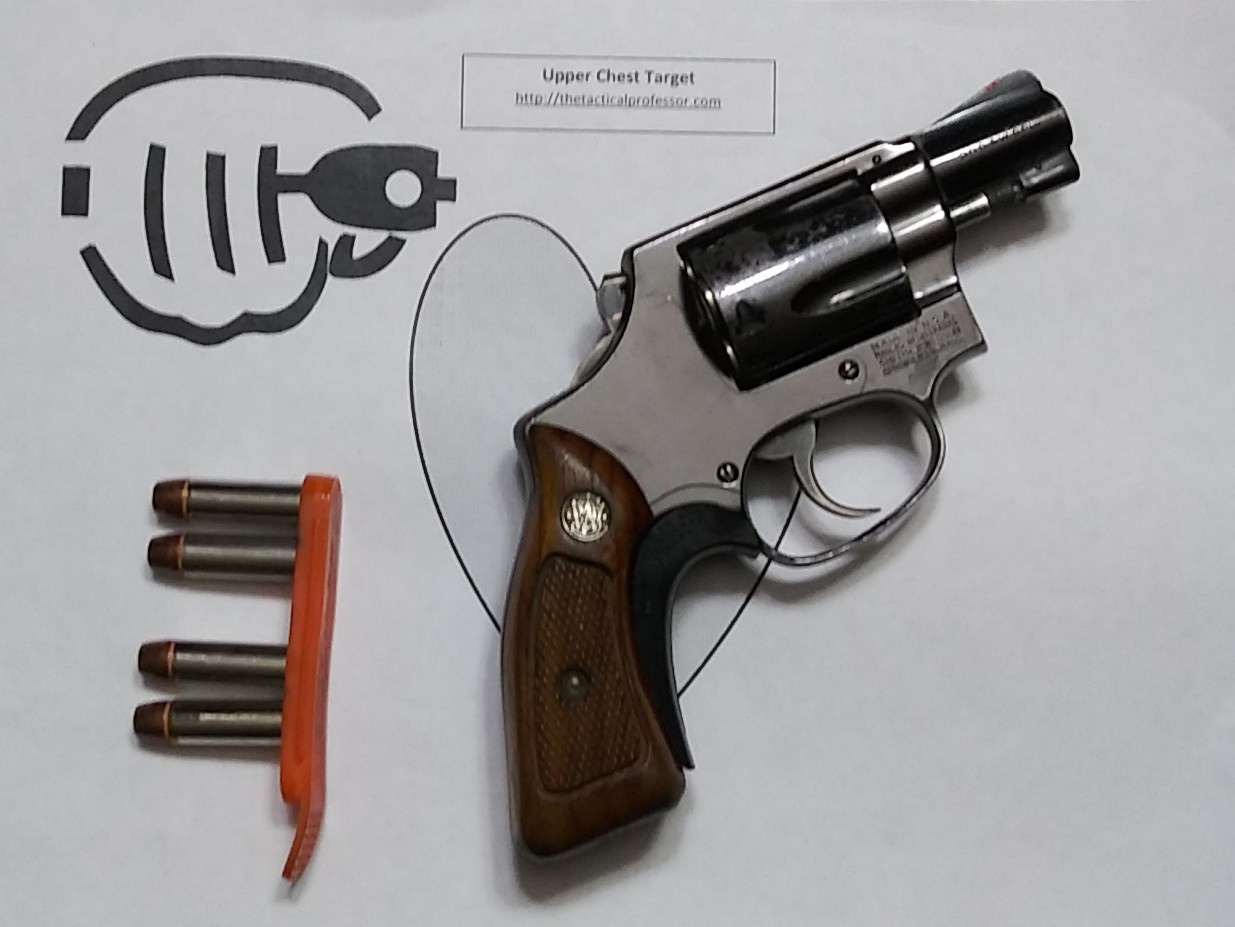
There is a great deal of emphasis in the Series on ‘dry practice,’ i.e., practice without ammunition. There is also periodic live fire (originally monthly) of no more than 50 rounds. The live fire is compatible with either indoor or outdoor ranges because the vast majority (999/1000 by my calculation) of gunowners only have access to indoor ranges.
The first three posts in the Collection are unlocked and available for anyone to read. These initial posts describe Safety Protocols during dry practice to avoid putting bullet holes in people, places, and things where they are undesirable. Tragedies can and do take place during dry practice and we want to avoid those at all costs.
For anyone who owns and/or carries a snub, this is a good program. Anyone who does any dry practice, whether with a revolver or autoloader, will benefit from at least reading the first three posts about Safety Protocols.
https://www.patreon.com/posts/snub-revolver-97045992
Subscribers to my Concealed Carry Skills Tier ($3/month) https://www.patreon.com/TacticalProfessor have access to all the articles in the Collection plus all the articles I write on Patreon about marksmanship and gunhandling. In the financial industry, we’d say the Return On Investment (ROI) is very high.
 tacticalprofessor
You must be logged in to post a comment.