Better Aim – Shooting From a Vehicle
#fridayfundamentals
Let’s learn something from the recent Yahoo story about “Chicago rideshare driver with concealed carry license shoots 2 robbers who stole his cellphone, fired at him” https://thetacticalprofessor.net/2023/08/13/needs-to-have-better-aim-redux/
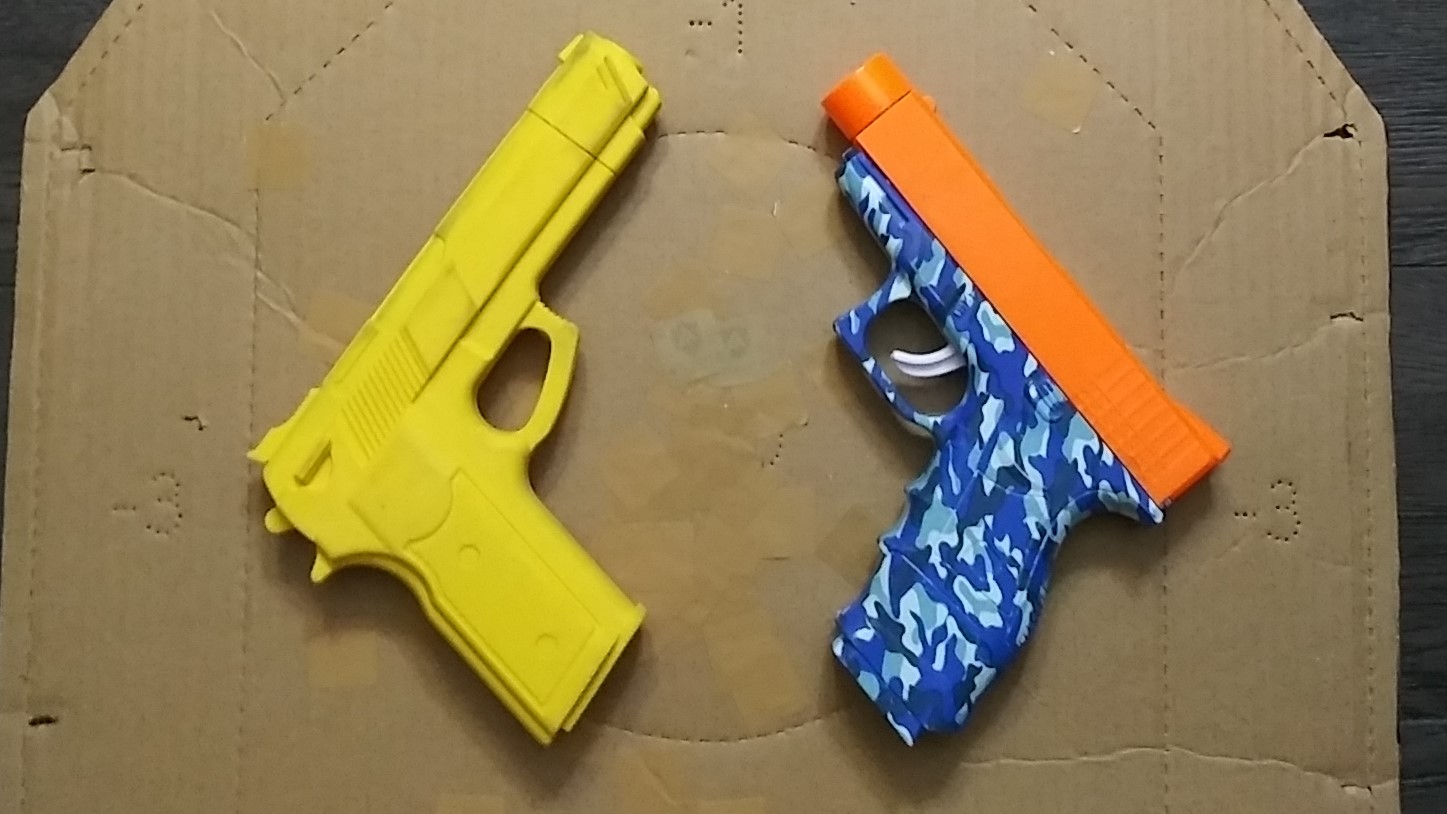
Shooting from the driver’s seat of a vehicle at a carjacker less than two yards away requires a different technique to be successful at making good hits. Using an inert pistol is a good way to try it out. They’re available for $20 or less at martial arts stores or online. Even if it doesn’t fit your holster, you can just put it on your lap.
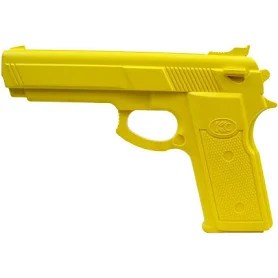
Using the inert gun, you can practice indexing on a target. You’ll probably see that one handed and two handed presentations yield different forms of target index. Neither of them will look like either a usual sight picture or classic point shooting.
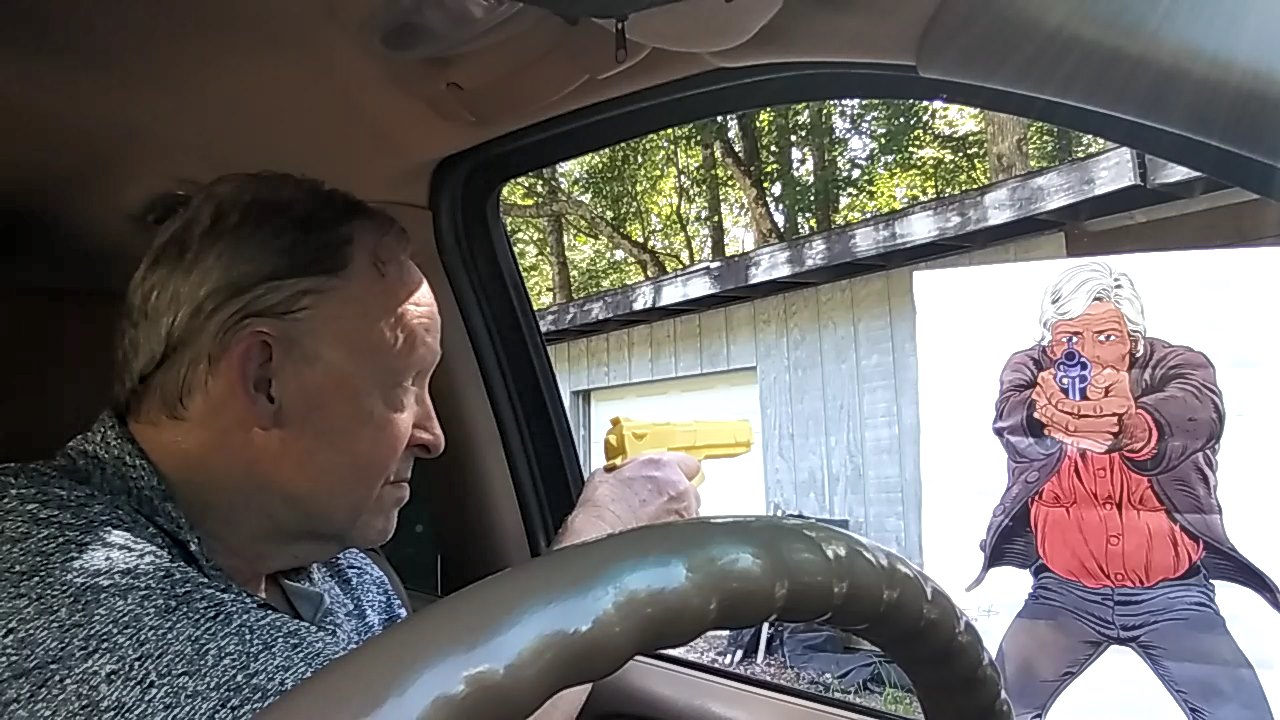
One handed presents almost vertical.
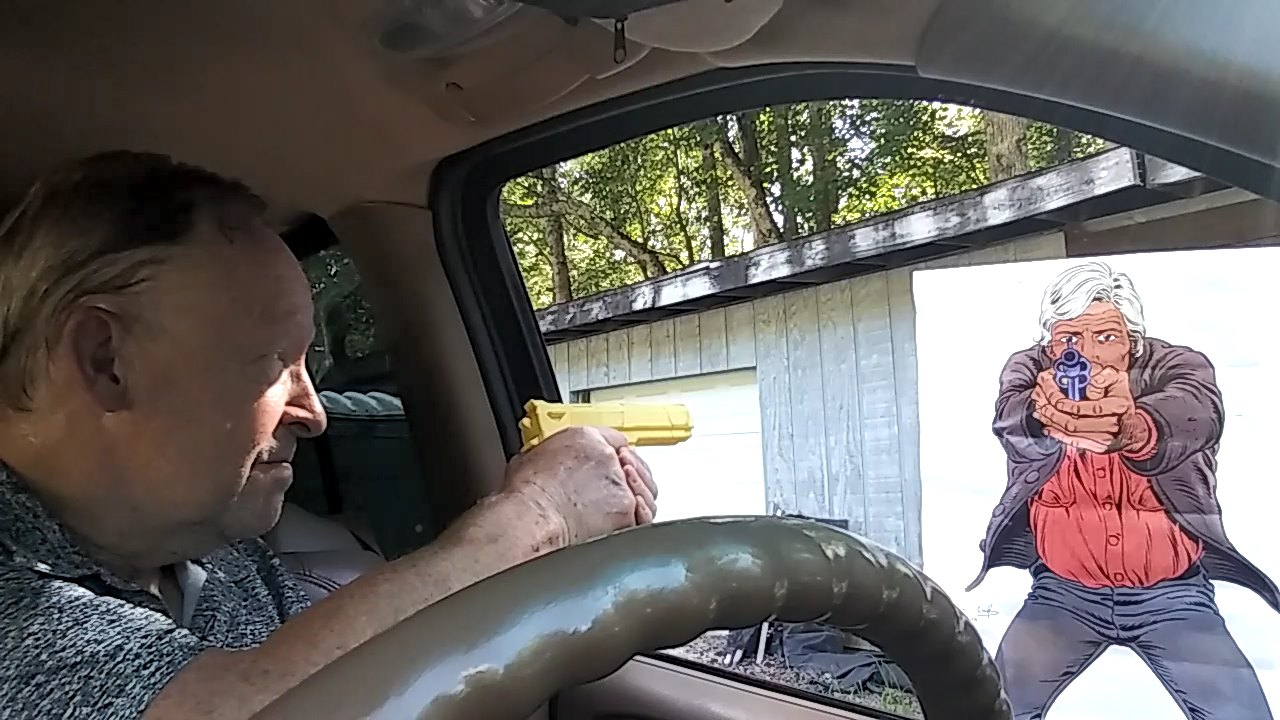
A two handed presentation will produce an index much more canted to the side than one handed. It takes a little getting used to place the muzzle accurately on the target.
Anyone who considers themselves a serious student of the Art should have an inert pistol of some sort. You can use it to practice things you can’t safely do with a real pistol. A SIRT gun is an ideal tool for this but not everyone is willing to spring that kind of cash. For less than the cost of a box of ammo, you can get a training aid that can be used in many different ways.
Needs to have better aim – Redux
A recent Yahoo story was about “Chicago rideshare driver with concealed carry license shoots 2 robbers who stole his cellphone, fired at him” https://news.yahoo.com/chicago-rideshare-driver-concealed-carry-012004396.html . Some of the comments were simply congratulatory or expressed relief the driver wasn’t injured.
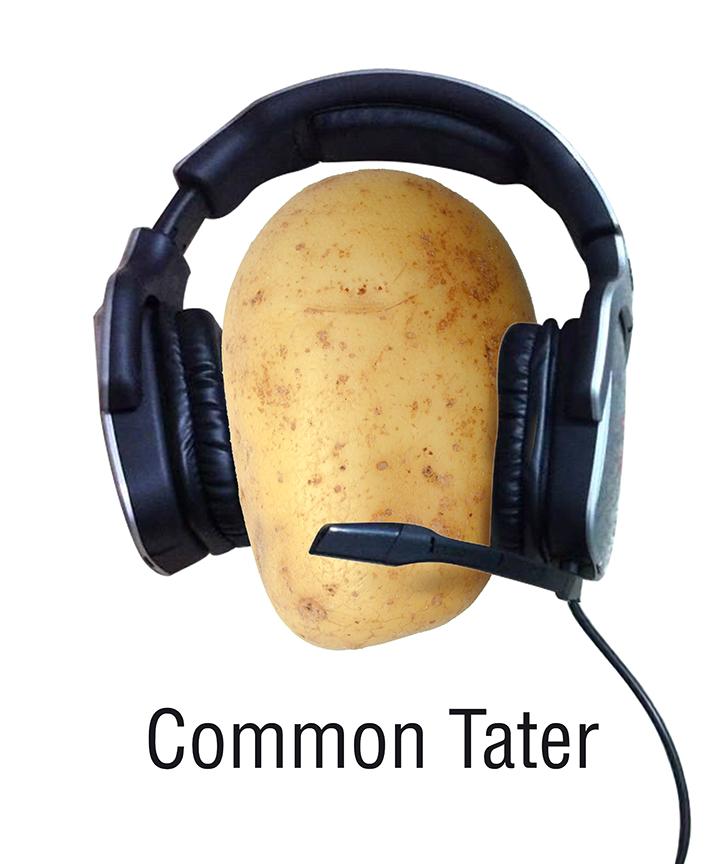
But being a story posted on Yahoo, it naturally included many responses by simple-minded Internet Common Taters to the effect of :
“He needs to improve his aim. Two cons could have been taken out.”
I’ve written about this before. https://thetacticalprofessor.net/2016/07/24/the-cost-of-killing/
There are three aspects of this incident worth mentioning; sociological, tactical, and marksmanship. The sociological aspect is covered more than adequately in the post linked above. The tactical aspect relates to the object of the exercise of Personal Protection. What we are trying to achieve is covered in my series about Breaking Contact. https://thetacticalprofessor.net/2021/10/27/breaking-contact-part-6/
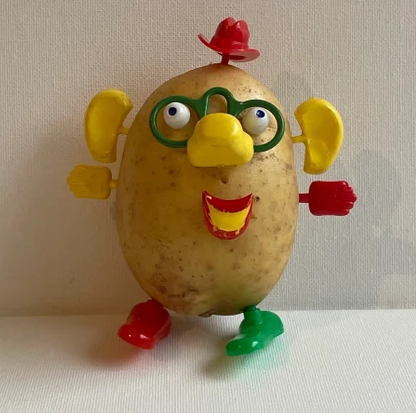
The marksmanship aspect is something that clearly these potato heads have never considered past ‘maybe’ popping off a box of ammo at an indoor range.
Trying to get even a decent sight picture on a criminal who is threatening you near your driver’s side car door is almost impossible. Try it sometime with your inert gun and the difficulty becomes immediately obvious.
The only really good way to learn it is by using a SIRT pistol and a cardboard target on a stand outside the door. Those are resources very few people have. Even if they did, finding a place to practice it is difficult. Your neighbors and the POlice will not be very enthusiastic about you practicing this way in public. Nor will the Board of Directors of your gun club be happy about such a useful exercise at the club.
So I wish the potato heads would cut the Ride Share Driver some slack. He forced a Break In Contact, wasn’t injured, and didn’t have to interact with the Criminal Justice system excessively. That’s a win.
FBI Double Action Course
#wheelgunwednesday
Prior to the FBI adoption of the Wheaties cereal box sized S&W Model 1076 in 1990, revolvers were the Bureau’s sidearm for well over half a century. After the FBI switched to the S&W Model 13 revolver in 1981, it created a publication, FBI Revolver Courses and Techniques, for using the gun with the Weaver technique.

“Sight Alignment: During close-in shooting (five to seven yards), the shooter does not have time to acquire perfect sight alignment. The shooter is, therefore, instructed to fire with both eyes open and to bring the sights up to eye level, seeing the front sight in the secondary vision. As distances increase, the need for better sight alignment increases and trigger pull should be slower.”
One of the Courses in the publication is the Double Action Course. It is intended as a practice regimen for double action shooting. The par times are short as is the allotted time for the one reload included. All strings are fired from the holster except one string at 15 yards.
DOUBLE ACTION COURSE (DAC)
The entire course is fired using the Weaver Position.
5 Yards
6 rounds -2 rounds on each whistle (in 3 seconds)
4 rounds -2 rounds on each whistle (in 3 seconds)
7 Yards
6 rounds -2 rounds on each whistle (in 3 seconds)
4 rounds -2 rounds on each whistle (in 3 seconds)
10 rounds -Load 6 rounds, on whistle, fire 6, reload 4 rounds, fire 4, all in 20 seconds.
15 Yards
6 rounds -2 rounds on each whistle (in 3 seconds). Fired from Weaver Ready.

4 rounds -All 4 rounds in 6 seconds
25 Yards
5 rounds -All 5 rounds in 10 seconds kneeling position
5 rounds -Repeat
Scoring: 2 points each for hits in either the KS or K4 area.
100 points possible.
Firing at an indoor range where drawing from the holster isn’t permitted can be done by using a table start.

Par times can be used via ear buds underneath hearing protection muffs and a par timer app on one’s cell phone. The phone’s Bluetooth connection will transmit the start and stop beeps to the ear buds.

Although it was shot by FBI Agents on the huge B-21 target, any silhouette will do.

It’s a fun course and very practical for those who carry a weapon.

Note to indoor range owners and operators. Granted that OSHA regulations can be onerous to work downrange maintenance with. But having inoperative carriers, targets left downrange on carriers and on the floor, thousands of fired brass cases in front of the booths, etc. presents a very unappealing scenario to the public. This is not a new phenomenon. In 1919, Walter Winans devoted an entire chapter WHY PISTOL SHOOTING IS UNPOPULAR in his book The Modern Pistol and How to Shoot It about the unpleasantness of this experience.
The Value of Historical Methods
A viewer of my Shooting to Live Advanced Methods demo YouTube video asked an interesting question.
“Do you think that there is any value added by practicing the WWII Combatives shooting methods beyond learning historical training firsthand?”
In a conversation with him, he further elaborated that he was asking from his perspective as a competent shooter who practices regularly using demanding time and accuracy standards. From that perspective, my answer was NO. The only value to him would be for historical academic interest. There is nothing that will be learned of practical value for someone with his level of proficiency.
However, I continued on by saying that to the millions of first time gun buyers of the past few years, MAYBE. Only a miniscule fraction of those people will ever take a class on gun safety and learn how to shoot to some standard, whatever that standard might be.
For those millions of first time gun buyers, studying actual WWII shooting combatives, such as Shooting to Live and Field Manual 23-35 Pistols and Revolvers (1946), could have some value. Shooting to Live and its immediately successor, US Army Combat Firing, at least provide some structure and standards for brand new pistol shooters. Any system based on real combat is preferable to going to an indoor range and randomly blasting away based on what’s shown on TV.
I began the long term series about ‘Unsighted Fire’ aka Point Shooting on Patreon for a very specific reason. It is that obviously the vast majority of people who write about point shooting or make YouTube videos on “Fairbairn Method” shooting have never really read or studied any of the literature about it, including Shooting to Live. From the perspective of an historian and researcher, this lack of fact based information is both annoying and disturbing.
The gunhandling and safety aspects of WWII pistol combatives alone have a great deal of merit. Gripping the pistol properly. A strong emphasis on practical gunhandling in addition to marksmanship. Including malfunction clearance in early stages of Live Fire. Equal weight on Dry Practice as Live Fire, especially prior to the initial firing practice. Highlighting the concept of treating a pistol as always loaded. Emphasizing the importance of muzzle direction when handling a pistol. Practicing clearing and making the pistol safe when less than a magazine has been fired. Those are all highly useful skills, probably even more so than the marksmanship standards, which were not very high.
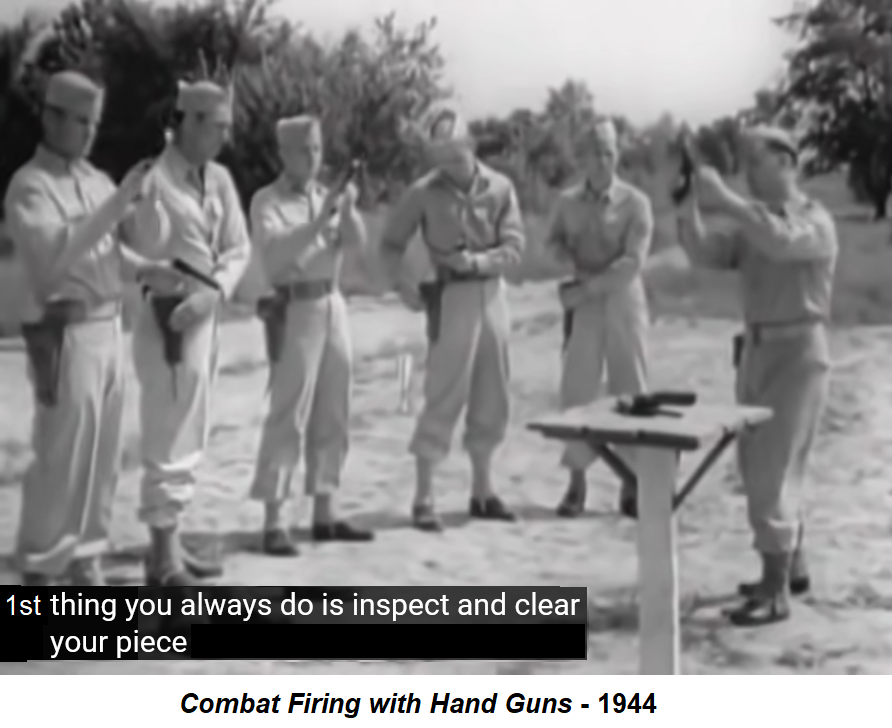
But please avoid muzzling your instructors. We won’t be happy about that. We will try to keep away from putting ourselves in a position where you can.
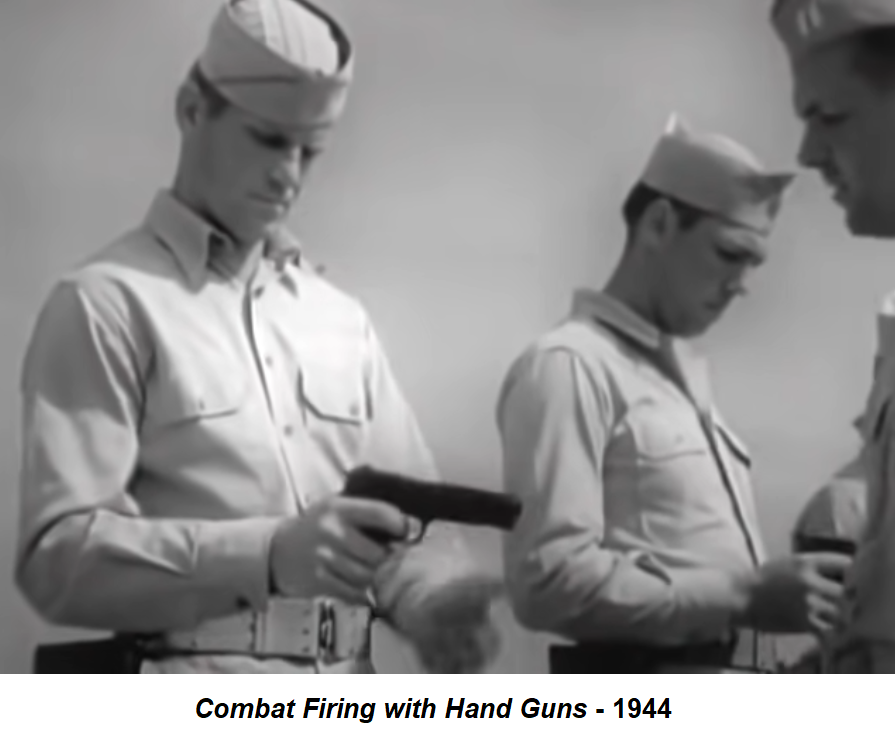
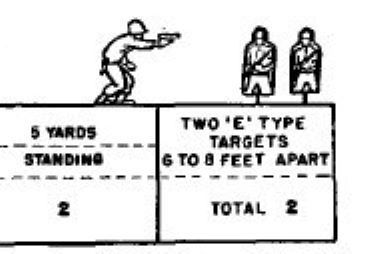
While the hit standards Shooting to Live and Field Manual 23-35 Pistols and Revolvers (1946) establish are rudimentary, they do give new shooters an idea that they’re supposed to actually hit something when shooting. The standard in Shooting to Live is 50 percent hits on a silhouette for single presentations within Social Space (4 yards). The 1946 US Army standard was 100 percent hits for single presentations on an E Silhouette at 5 yards.
Although most proficient shooters today would consider the techniques obsolete and the standards mediocre, at best, they’re still better than practicing what’s seen on TV and in movies. TV and movies are where most gunowners’ training takes place and that’s bad news.
If you would like to follow my Patreon page to go into more depth about point shooting and personal protection incidents, click on the image below.
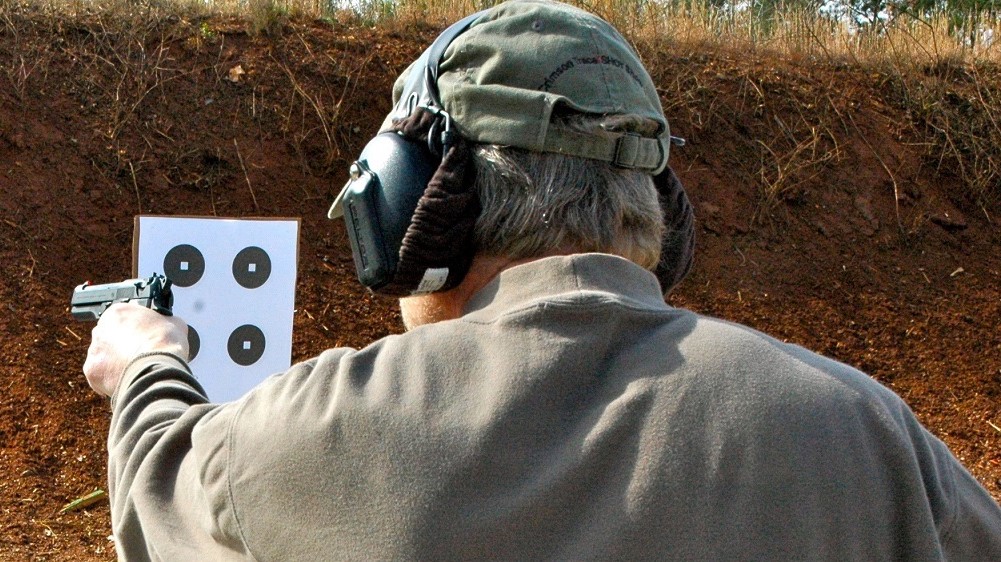
LAPD Shooting Re-enactment
An LAPD officer, using a Red Dot Sighted pistol, was forced to shoot a hostage taker at a range of five feet in July of 2021. The Board of Police Commissioners number for the incident is Categorical Use Of Force number 041-21. Tactics, Drawing and Exhibiting, and Use of Deadly Force by Officer A in the incident were all adjudicated as In Policy by the BOPC.
This video re-creates the marksmanship problem faced by the officer. The target was moving for the officer, which this video does not re-create. The pistol used in the video is a Glock 42 supplied by Glock for my Subcompact Pistol Training Tier on Patreon.
In keeping with the LAPD theme of the video, the second part of the video contains a demonstration of a permissible variation of the LAPD Retired Officer Qualification Course, also shot with the Glock 42. This Course has value to the Armed Private Citizen as a self-evaluation of some good to have marksmanship skills for concealed carry.
The Top 5 Missed Shots in Handgun Shooting

- The first shot.
- The last shot.
- The first shot after reducing a stoppage (which includes a reload).
- The shot after an Unintentional Discharge (it’s missed because it’s not fired).
- The first shot after the transition to another target.
The first shot is easily the most missed shot of all. Walking rounds into the target is a very common exercise. However, as Theodore Roosevelt wrote in his 1893 book Ranch Life and the Hunting Trail https://www.amazon.com/Ranch-Hunting-Trail-Theodore-Roosevelt/dp/1414505108 :
No possible rapidity of fire can atone for habitual carelessness of aim with the first shot.
If the gun isn’t indexed into the eye-target line with adequate precision, relative to the distance involved, the first shot is likely to miss. Brian Enos called the necessary personal characteristic “visual patience.” Get the gun adequately aligned prior to pressing the trigger.
The last shot is often missed due to lack of follow-through. There always needs to be one more sight picture than rounds fired. Follow-through may be the least understood of all the Fundamentals of Pistol Shooting. https://thetacticalprofessor.net/2021/11/05/fundamentals-of-pistol-shooting-part-1/
A stoppage is any unintended interruption in the cycle of operation. Whether that’s a malfunction or simply running out of ammo is irrelevant. Any stoppage reduction is a complex motor skill. That means a combination of gross and fine motor skills. Once the stoppage is reduced, we need to transition back into the fine motor skill only (trigger manipulation) mode before we fire the next shot.
After an Unintentional Discharge, the next shot is frequently not fired at all, which is why it’s missed. Periodically, a POlice dashcam or badgecam will record an officer firing one shot, then clearly displaying some type of startle response, and then immediately reholstering. That means it was an Unintentional Discharge, even if shooting was Justifiable under the circumstances. In competition, shooters will occasionally have a UD and then look at the pistol in a dumbfounded way. If they’re not Disqualified by the Range Officer, they will eventually get back to shooting but it’s often several seconds later.
Transitioning from one target to another and then making a good hit with the first shot is difficult. Very few people ever practice it, which increases the difficulty. It’s a sacrilegious view, but my observation is that when someone who isn’t a highly experienced and capable shooter (GM, M, A, Expert) moves their eyes to another target ahead of the sights, the first shot is going to be a miss. If the target is in an unexpected location, this is even more true.
Understanding the Top 5 Missed Shots makes them easier to avoid and shoot gooder.
The following isn’t related to the 5, but it’s an interesting comment from a previous post on my blog.
If you can’t be bothered to expend fifteen minutes a week in dry practice, two extra magazines on your person are most likely meaningless.
Surgical Speed Shooting Summit 2022 – An Overview
Twenty-one years ago, Andy Stanford researched and wrote the book Surgical Speed Shooting https://www.amazon.com/Surgical-Speed-Shooting-High-Speed-Marksmanship/dp/1581601433 about combat shooting technique. He began teaching classes based on what his research had found. A number of people in the industry, myself included, became part of a group Andy formed to spread his knowledge.

Fast forward to June 2022. Andy organized a four day event, the Surgical Speed Shooting Summit, https://www.tacticalresponse.com/products/surgical-speed-shooting-summit to further update what he learned subsequent to writing his book. The event was held at the classroom and range of Tactical Response https://www.tacticalresponse.com/ in Western Tennessee. The purpose of the Summit was not only to update Surgical Speed Shooting but also to bring together a group of some of the top trainers in the industry, many of whom were not SSS related, to add their expertise to the knowledgebase. The final group of instructors was:
- John Holschen
- John Hearne
- Greg Ellifritz
- Michael Green
- Claude Werner
- Michael DeBethencourt
- Allan McBee
- John Johnston
- Karl Rehn
- Don Redl
- Lee Weems
- Melody Lauer
The first day started with a half day update of what Andy has gleaned about combat pistol shooting since the book’s publication. For the second half of the day, the group went to the range to shoot a few drills and see some targets Andy has developed for Surefire https://www.surefire.com/.
Day Two was spent at the Tactical Response classroom with each trainer giving a presentation of his or her own choosing. The topics all related to personal defense but did not have to be specifically on Surgical Speed Shooting.
On the third day, 47 students arrived at the Tactical Response range to begin training with the 12 instructors who had been divided into three different groups of four instructors each. The students were divided into equal sized groups based on an initial skill evaluation by shooting one of the Surefire drills. The student groups received 2 hours of training each by each instructor group. The instructors divided their two hour time frames among themselves to that the students received 12 total short blocks of instruction.
The final day’s range activities for the students were similar to the third day’s but the instructor groups were reorganized and the instructors had the option to present different material than they had on the previous day.
Finally, everyone returned to the Tactical Response classroom for a wrap-up of the Summit’s events. The instructors and students invidually gave examples of two things that they had personally taken away from the Summit’s training and presentations. As each person gave their take-aways, they were presented with a certificate testifying to their attendance at this historic event.
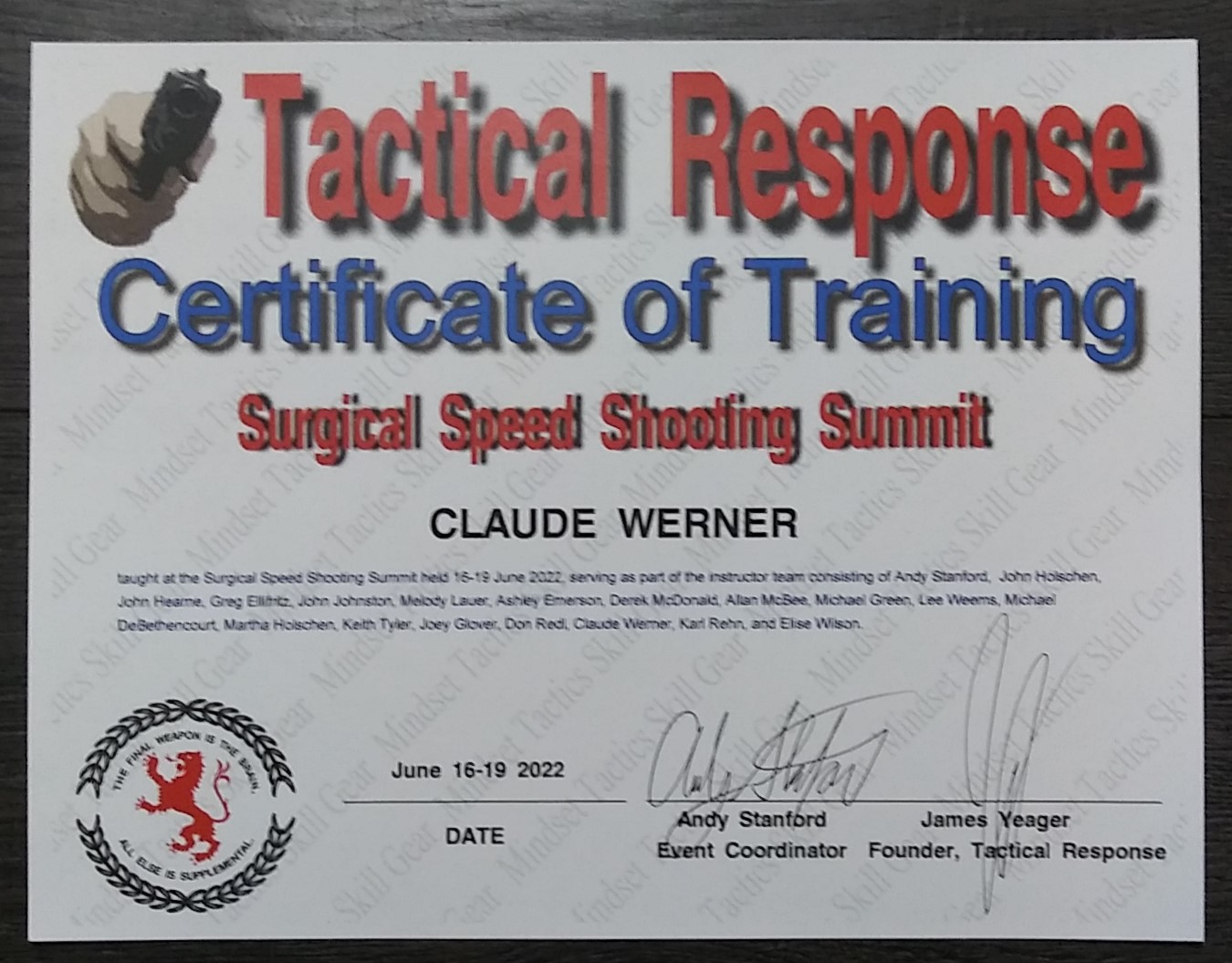
More about each day’s activities in the next few posts.
Why we shoot pistols one-handed
A very interesting article is available on the NRA Sporting Sports USA website. There are some relevant historical details about the development of pistol technique in it.
https://www.ssusa.org/content/a-short-history-of-american-target-development-and-evolution/
U.S. Cavalry troops were required to shoot dismounted on the Army Target “L”. Even though they carried sabers and carbines, revolvers and pistols were the primary arms of the cavalry. Just as foretop men aloft in the rigging during the days of sail was [sic] admonished, “One hand for yourself and one for the ship,” so it was with the cavalryman, one hand for the horse and one for the pistol and that is why conventional pistol shooting is a one handed affair. After qualifying on foot, troops were required to repeat the course of fire while on their horse.
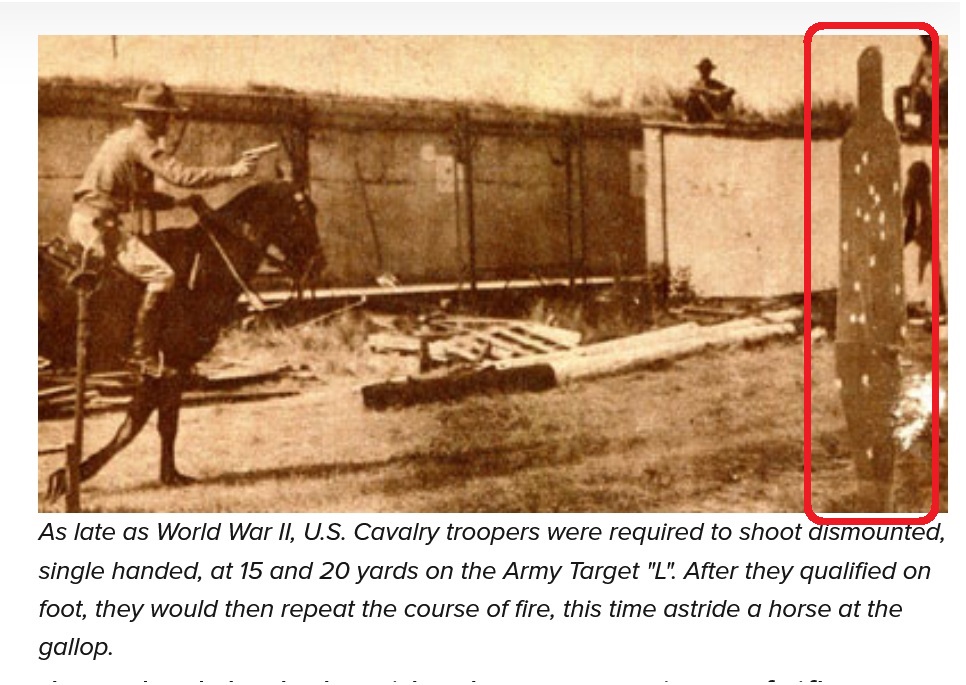
The Army Target “L” was pretty big, six feet tall and four feet wide. A five-inch aiming black, worth ten points was surrounded by seven concentric circles at intervals of 8.5 inches, 12 inches, 15.5 inches, 19 inches, 22.5 inches, 26 inches, and 46 inches and of descending value nine through three points. Any hits on the remainder of the frame were worth two points. On the left side were large numbers, five through two, from top to bottom, and six through nine on the right for scoring purposes.

The influence of the US Army Cavalry on the use of the handgun in our country cannot be underestimated, although mostly forgotten a century later. The Cavalry was the branch of the Army that led the development effort for the 1911 pistol. Cavalry doctrine of that time is the reason the 1911 has a spur hammer, manual safety, and grip safety. Those are details for another time, though. Teaser: the 1911 was NOT designed to be carried ‘cocked and locked,’ contrary to popular opinion.
Why I Like to Measure Things
#measurementmonday
Why do I like to measure things? Because until I do, I don’t really know what’s inside.

I dislike soupy oatmeal. Although I followed the package instructions, it still turned out like soup. When I used the package measurement, it didn’t. Measuring the actual amount of water from the package’s marker doesn’t hold as much water as it says and which the directions specify. One half a cup is quite a bit less than two-thirds of a cup.
What does soupy oatmeal have to do with personal protection? How would we know whether we’re “good shooters” https://youtu.be/qB7NKXEKewM?t=599 unless we measure our own level of competency?
There has been debate within the training community for a long time about standards of competency. Those arguments will probably never be settled. One possible starting point could be the level of marksmanship necessary to pass the NRA Basics of Pistol Shooting Course. To pass the Course, a shooter needs to be able to make five hits inside a 4 inch circle four times at 10 feet, no time limit.
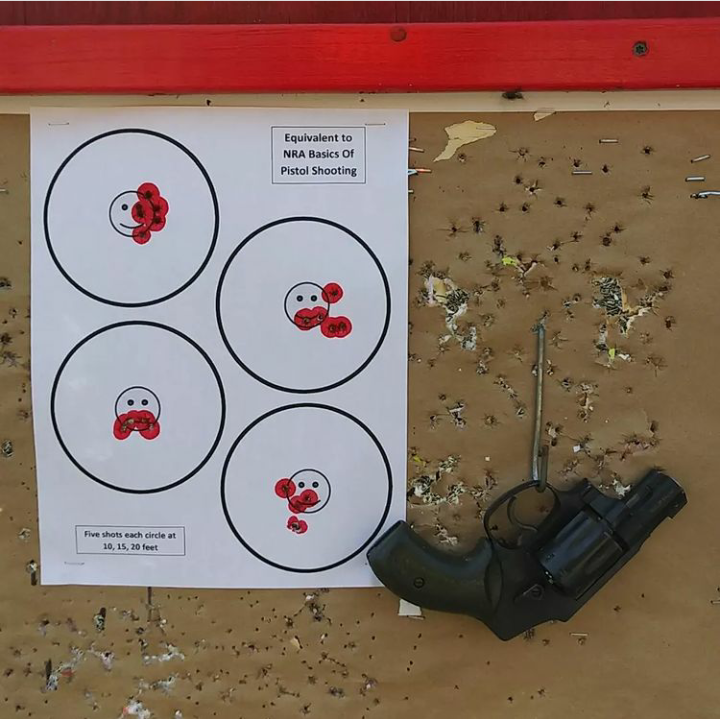
The NRA doesn’t require that a shooter make the standard in four consecutive attempts. Someone keeping or carrying a pistol for personal protection probably should consider being able to do it every single time. Shooting the BOPS test would at least give you an idea of where your competency is. Here is a target for you to use.
My Fundamentals of Pistol Shooting Tier https://www.patreon.com/TacticalProfessor?fan_landing=true is $1 a month on Patreon. The kickoff post, Dry Practice Circle Drill, is available to the public without subscribing. https://www.patreon.com/posts/64582173


You must be logged in to post a comment.