Why re-enact the losing gunfight?
#wheelgunwednesday
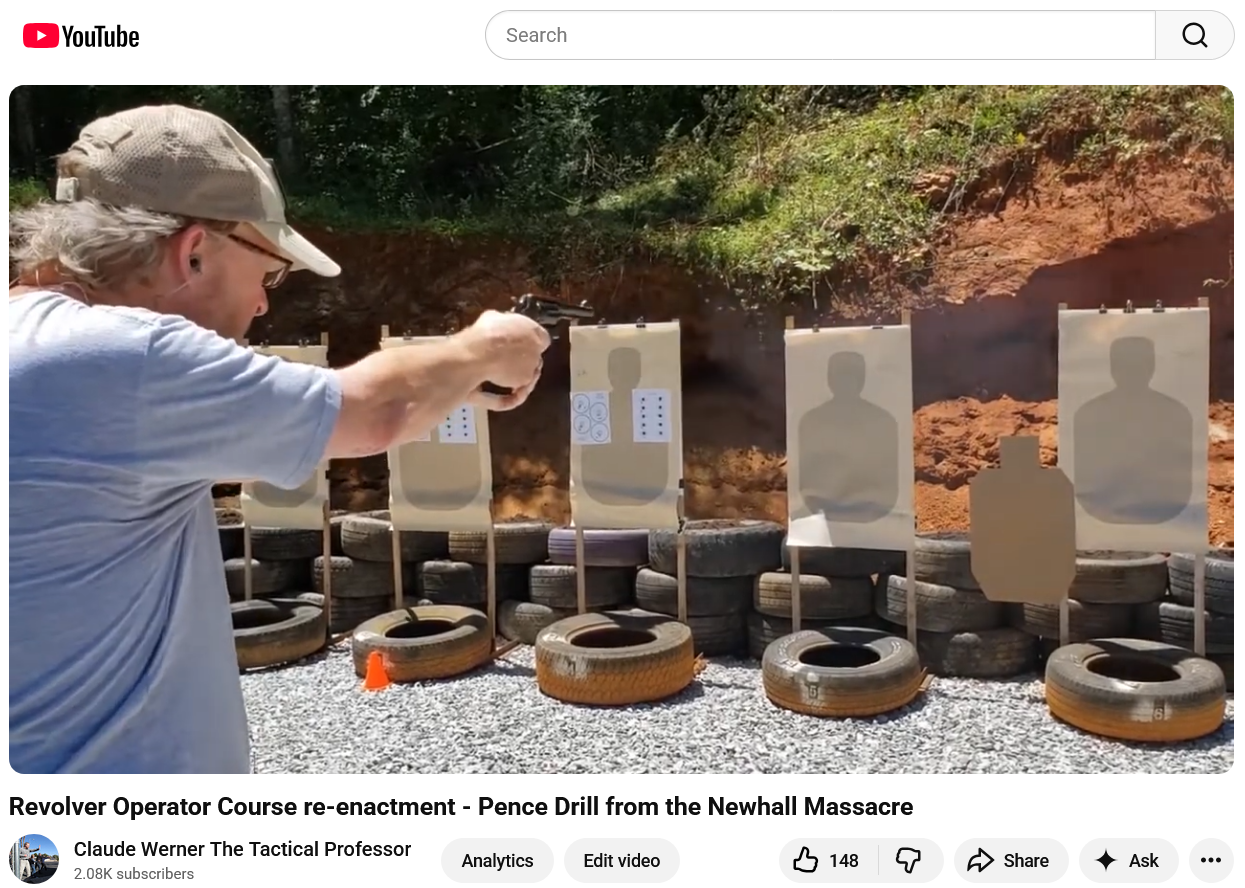
The subject of ‘The Pence Drill’ came up today in the context of reloading a revolver during an incident. I posted a video explanation of what ‘The Pence Drill’ is on my Tactical Professor https://www.facebook.com/ATLFirearms/ Facebook page.
Someone asked, “Why re-enact the losing gunfight?” That’s actually a meaningful question. Two of my friends posted the answers that I would have.
“He is showing a solution that may have saved the officer. Why waste time loading all 6 when two will do?
It’s the teachable moment. Learning from the mistakes of others.”
As my colleague Michael de Bethencourt of Snub Noir https://snubnoir.com/ says, “when you’ve got at least one live round back in the gun, it’s loaded.”
It’s good to hear a meaningful question asked rather than just expressing a criticism.
The 1950 Assassination Attempt on President Truman
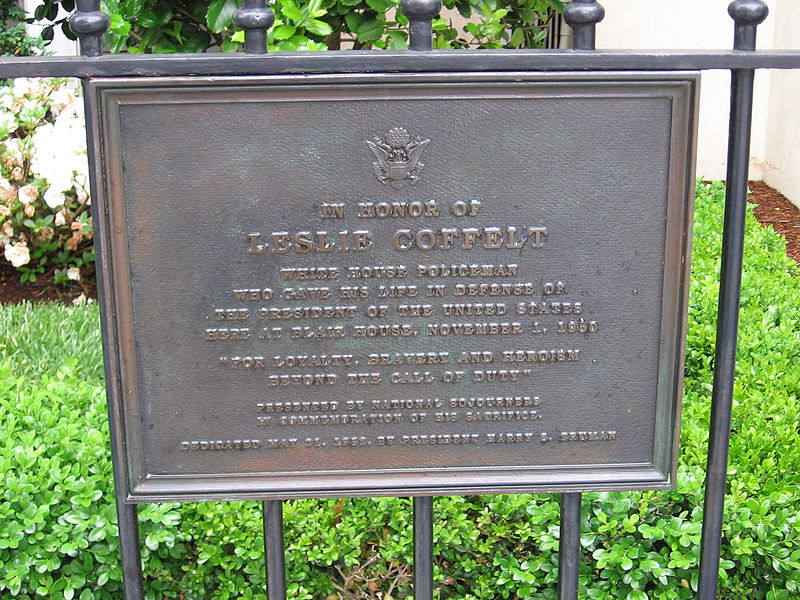
This post and article are dedicated to the memories and heroics of Officer Leslie Coffelt, who made the ultimate sacrifice, and Special Agent Floyd Boring, who kept his cool under fire.
In the afternoon of November 1, 1950, two Puerto Rican Nationalists made an assassination attempt on President Truman. It’s been described as the biggest gunfight in Secret Service history. Before the assassins were able to enter Truman’s temporary residence on Pennsylvania Avenue across from the White House, their attack was stopped by the White House Police and the Secret Service.
https://www.thetacticalwire.com/features/546e4b74-c821-4f5c-a59d-8ddbbb64aba7
It’s worth noting that the assassins were stopped by two shots by two men armed with revolvers, who knew how to shoot them well.
If you would like to read more in-depth information about shooting and personal protection, consider subscribing to my Patreon page.
Optimizing the J Frame EDC Revolver
#wheelgunwednesday
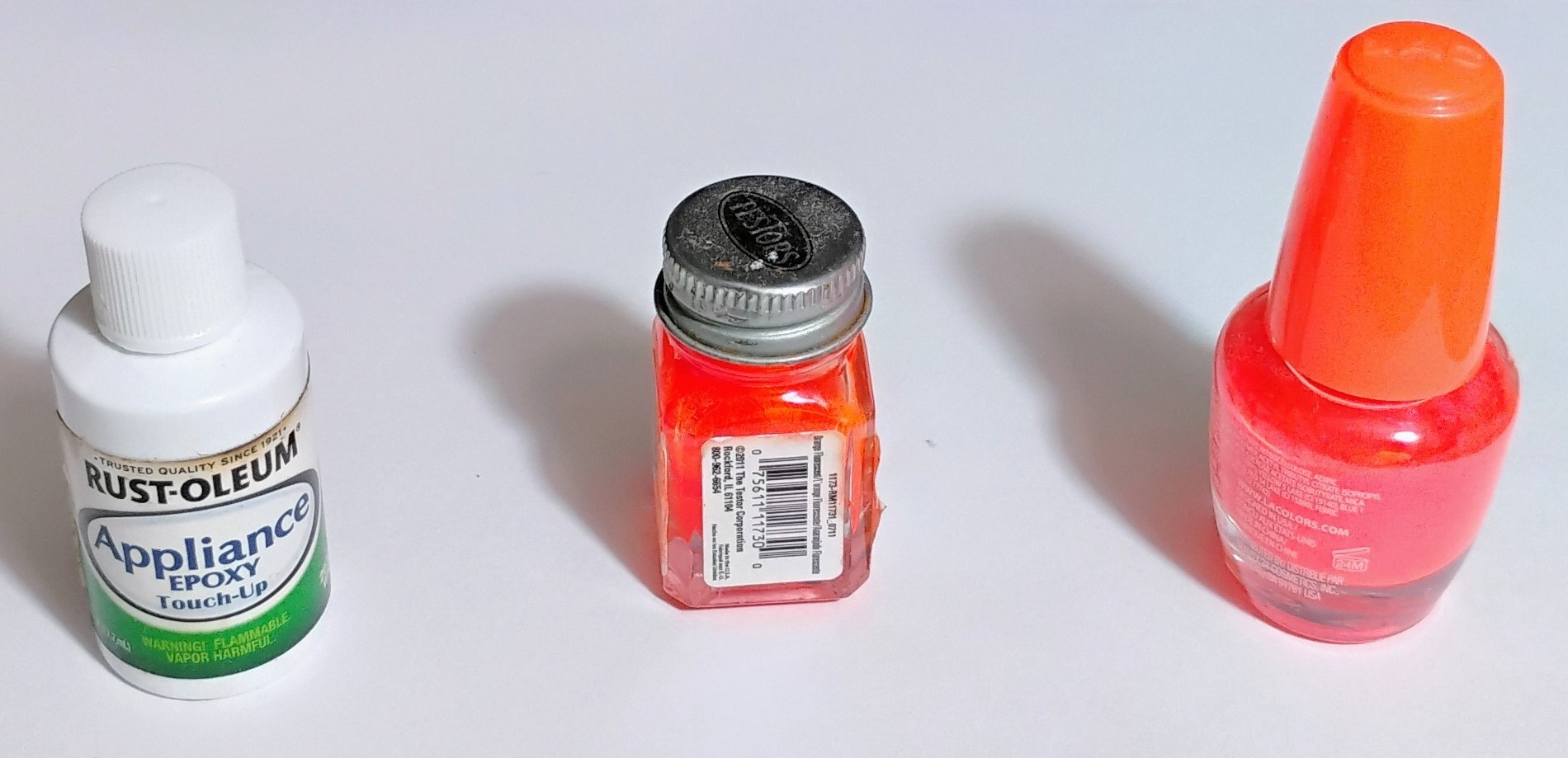
“The small-frame revolver has been a mainstay of everyday carry and personal protection in the U.S. for the better part of two centuries. They’re not the easiest of guns to shoot, but they have an uncomplicated manual of arms and are easy to carry, which is why they remain popular. Some simple improvement can be made to them to make them easier to shoot. Main among those improvements are improving the visibility of the sights and using stocks that properly fit the shooter’s hands.”
https://www.shootingillustrated.com/content/upgrading-the-small-frame-edc-revolver/
Here are a few illustrations that didn’t make it into the online article.
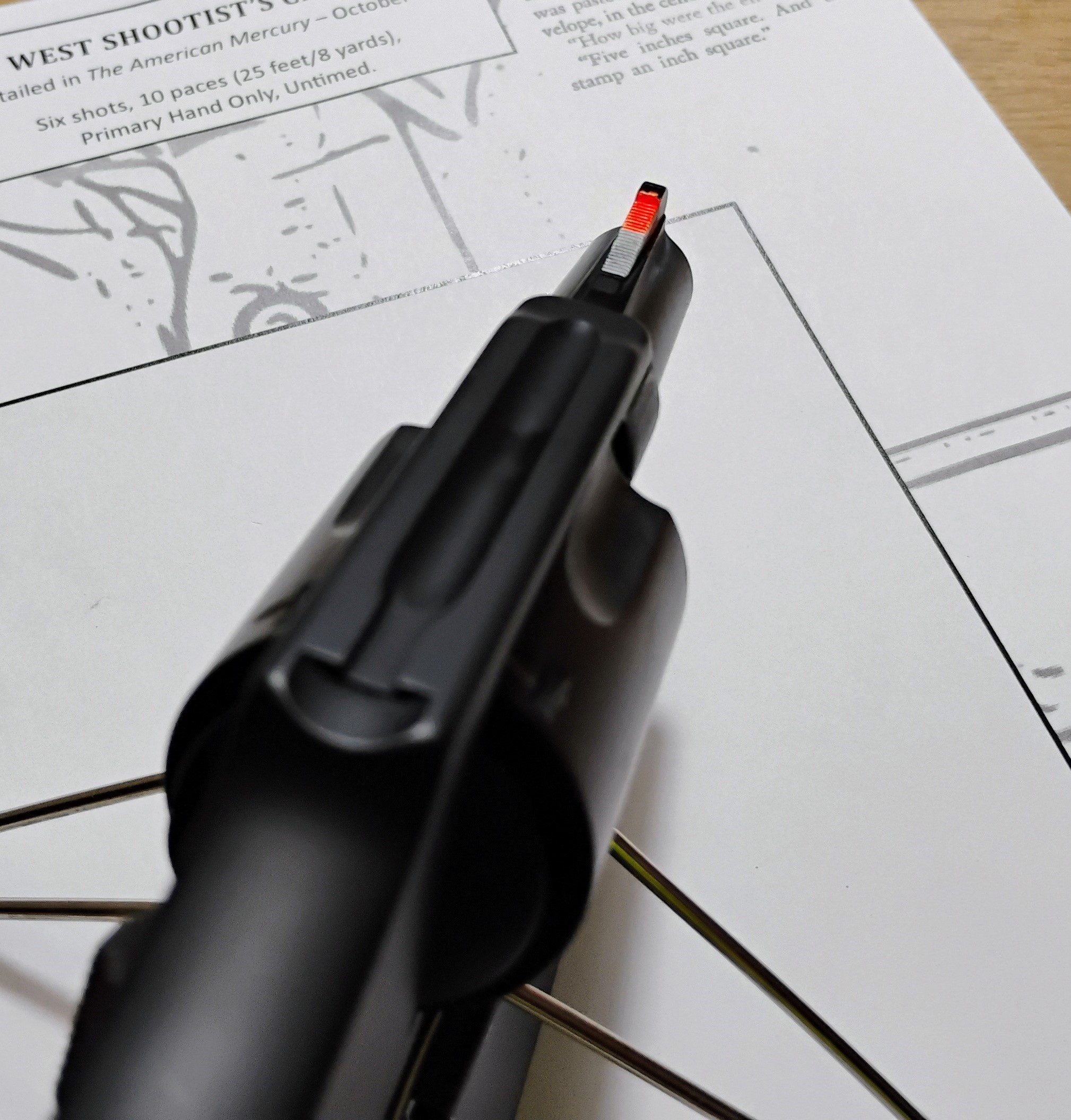
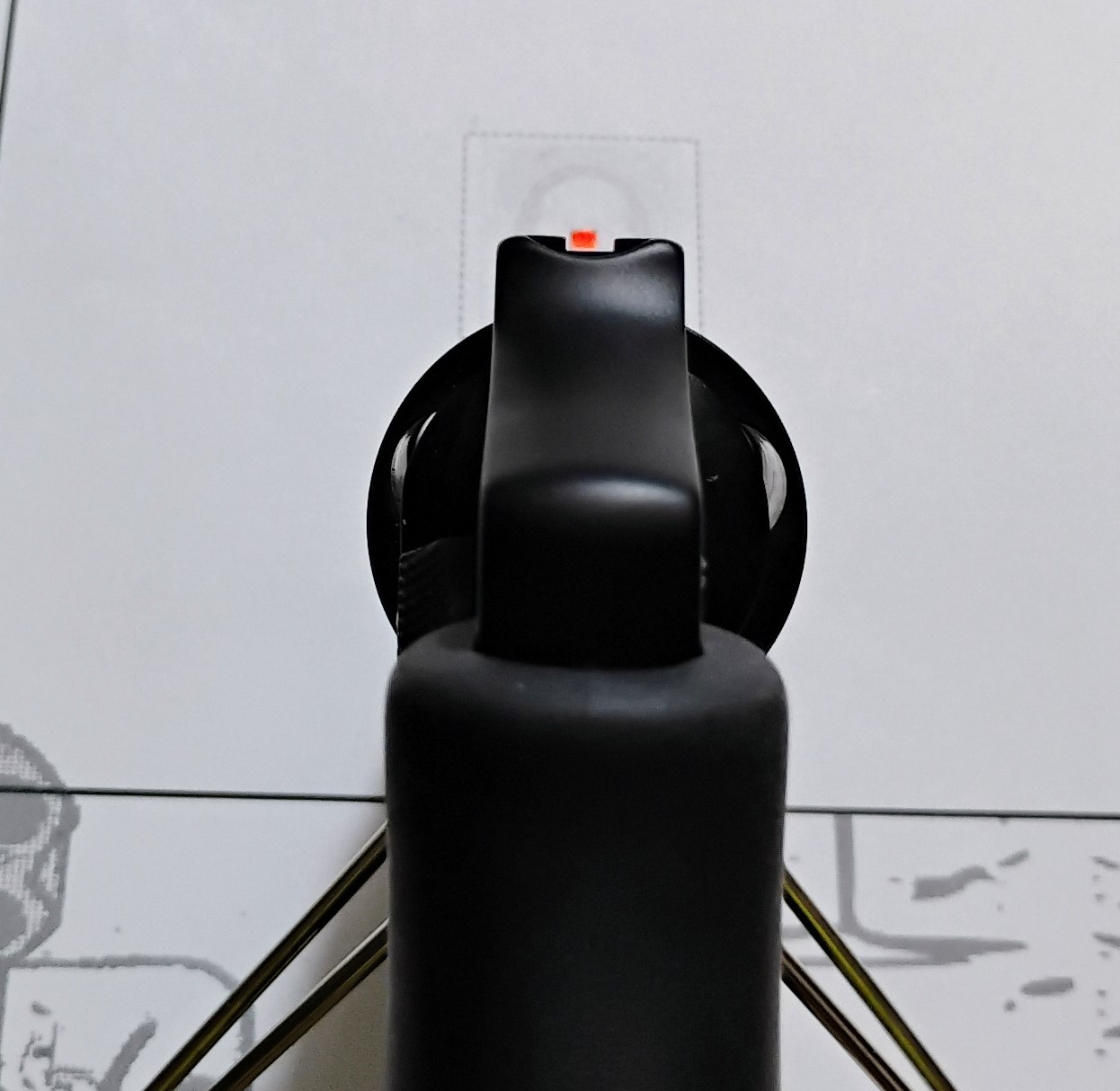
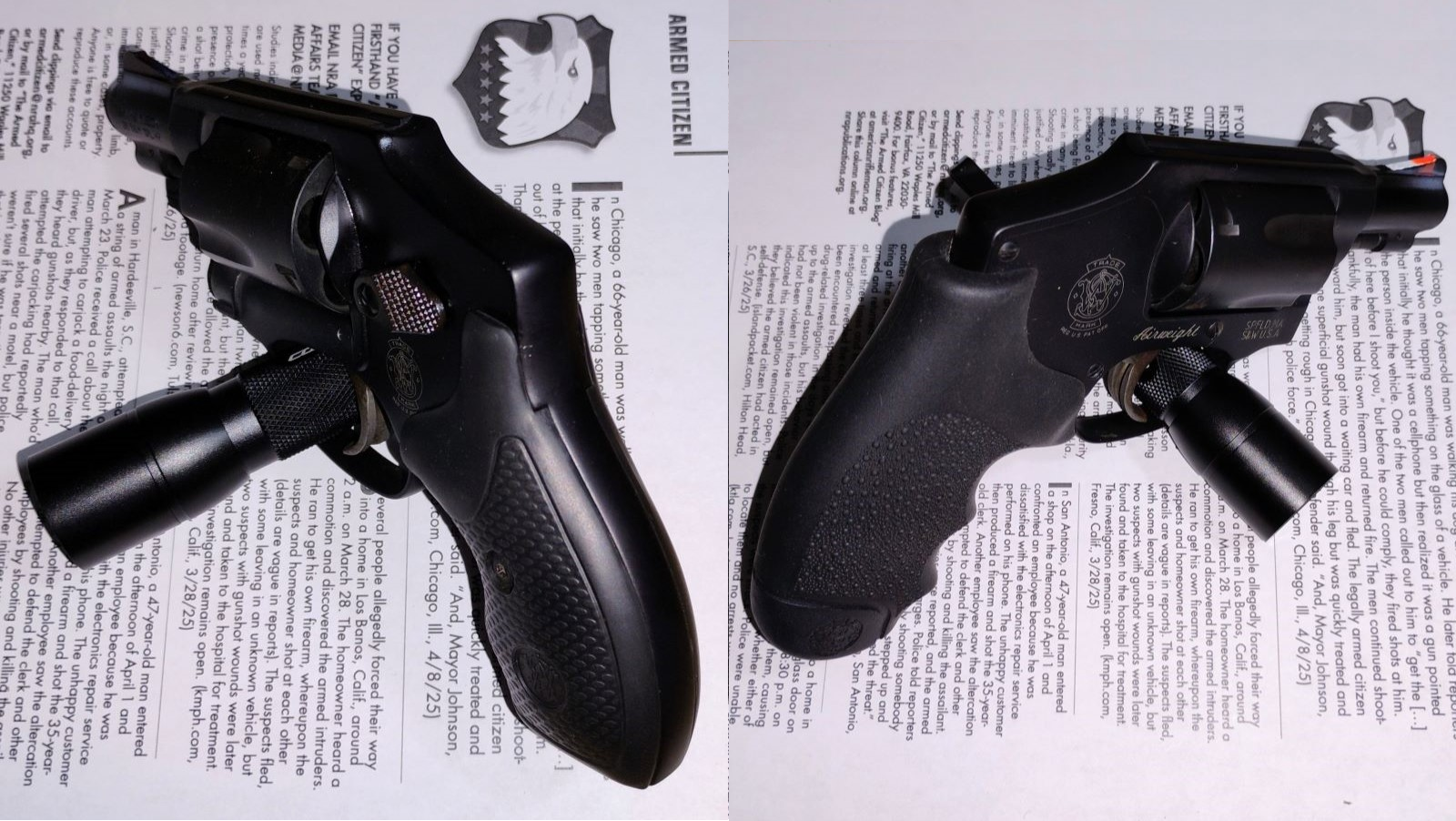
I know everyone likes fancy wood boot stocks on their revolver but shooting 5^5 https://www.luckygunner.com/lounge/start-shooting-better-5×5-drill/ with them shows how hard they are to hold onto. Except for an ankle, pocket, or barbecue gun, they’re not very useful.
A decent set of larger rubber stocks is a huge improvement. On a belt gun or for FlexCarry https://www.flexccarrysolutions.com/ , they’re no more difficult to conceal. Even rubber boot stocks are better than wood ones.
If you would like to read more in-depth information about shooting and personal protection, consider subscribing to my Patreon page.
Testing A New Gun
#wheelgunwednesday
As I work on the updated Second Edition of Serious Mistakes Gunowners Make, a chapter I’m adding is ‘Not Testing Your Gun.’ Several industry surveys indicate that the average gun purchaser fires less than a box of ammunition through it, perhaps only a cylinder or magazine. However, this is an average and many people never fire their guns at all. Legacy guns, i.e., inheritances and passed down guns, are probably even worse. Not knowing if your gun works or if you can make it work is a Serious Mistake.
One client of mine thought her gun, a S&W revolver, was broken because she couldn’t pull the trigger. When I examined it, there was nothing wrong with it. She just didn’t have the hand strength to pull the trigger. This was fortunate because she found out when she tried to do some shooting that would have been unlawful. Not knowing the laws about shooting is another Serious Mistake but that’s for another post.
Two other clients had revolvers, one cheap and one a nice S&W snub, that wouldn’t fire when they came to the range with me. This was a bit of a shock to them. They shot my revolver adequately but both had to get their revolvers repaired before they were serviceable. Yet another client had a nice S&W Model 36 but had never gotten around in four years to purchasing any ammunition for it. After an attempted burglary, her boyfriend called me to ask if I ‘had any spare bullets.’
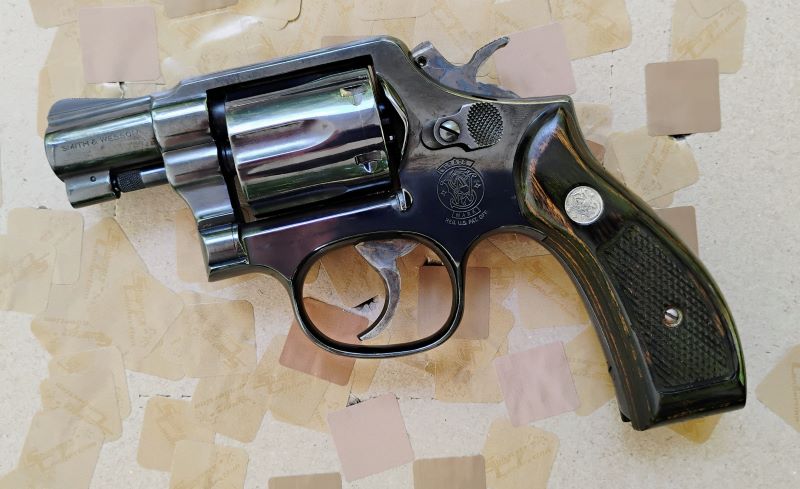
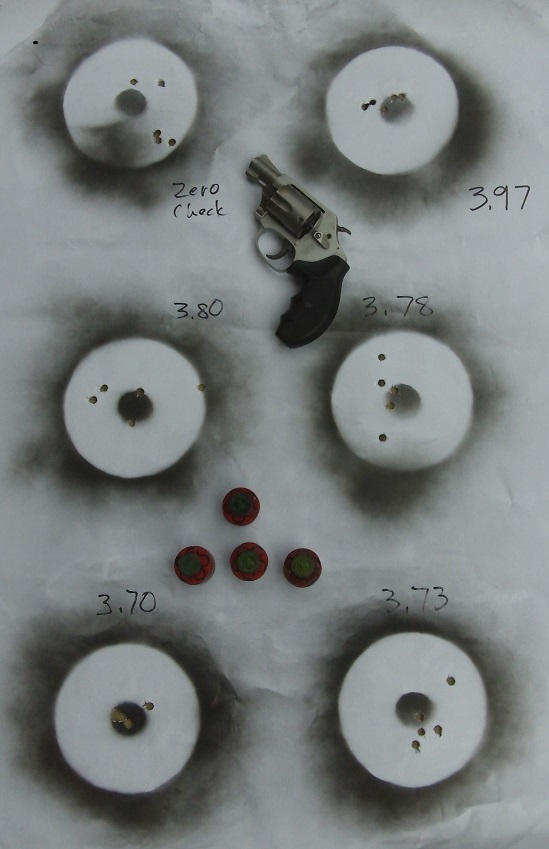
Yesterday, I was able to acquire in a trade a nice S&W Model 10-7 snub. The first thing I did was to head to my gun club to test it. Not only for functionality but also to find where various loads hit because it is a fixed sighted gun. Different bullet weights and velocities can result in a gun hitting at very different points of impact. If the only thing someone is concerned with is hitting a full size Q target at four yards, e.g., the New York State Concealed Carry License Live Fire Proficiency Assessment, https://troopers.ny.gov/minimum-standards-new-york-state-concealed-carry-firearm-safety-training it’s not a big deal. If the target is obscured behind a car 17 yards away and is shooting at you https://www.patreon.com/posts/armed-citizen-132185205, where the bullets hit becomes more important.
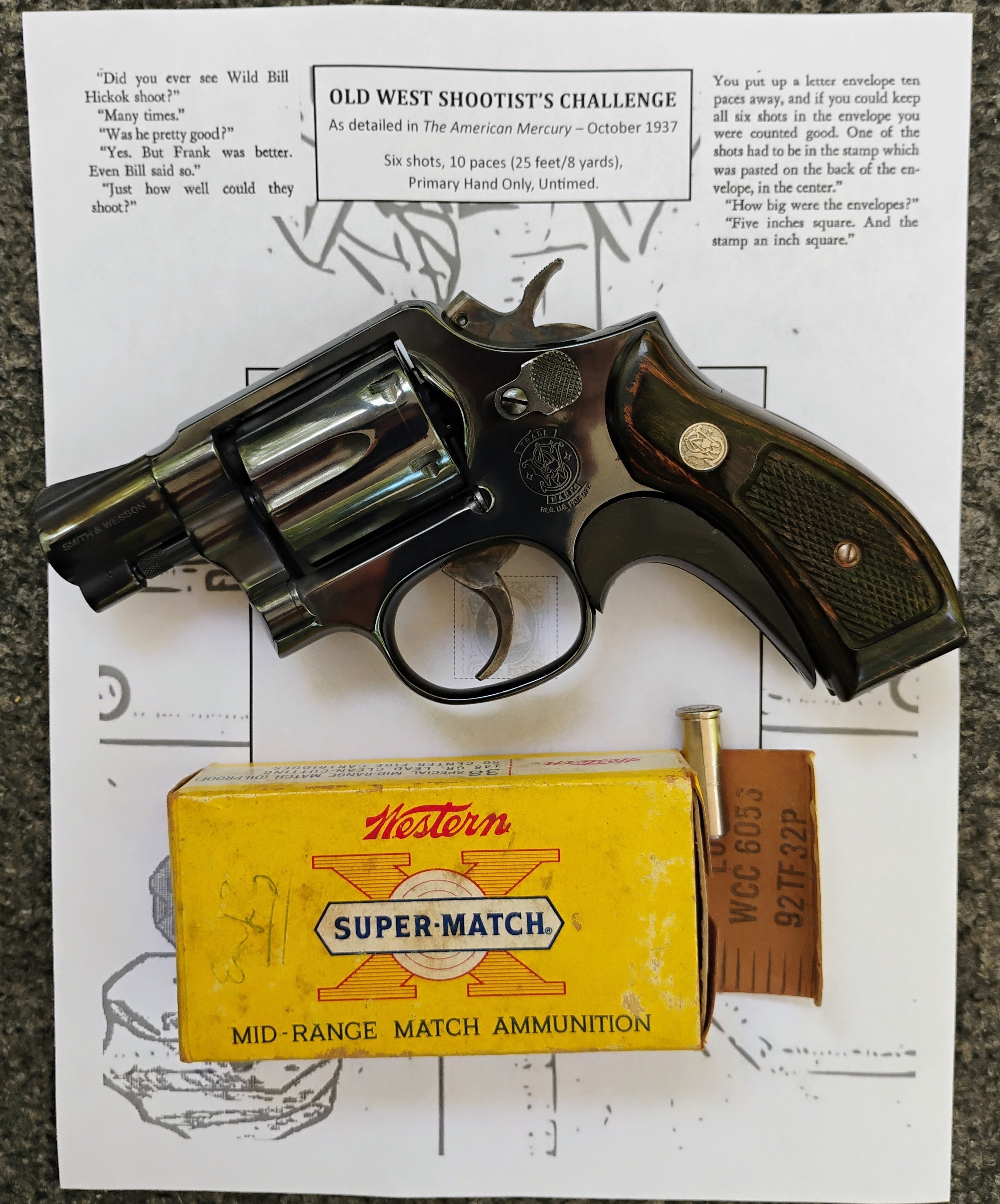
There were three loads that I tested; 158 grain Fiocchi FMJ, 130 grain Remington UMC FMJ, and the last of my 148 grain lead Winchester SuperMatch wadcutters. The test protocol was my Old West Shootist’s Challenge. https://thetacticalprofessor.net/2025/02/05/shootists-challenge-the-final-word/ To it, I’ve added a second string inspired by Marty Robbins’ song Big Iron. “There was 40 feet between them when they stopped to make their play.”
The Shootist’s Challenge now consist of two strings, one at 25 feet and the other at 40 feet.
1) Six shots, 10 paces (25 feet/8 yards), Primary Hand Only, Untimed.
2) Six shots, 40 feet/13 yards, Two Hands, Untimed.
All shots must hit in the large (5 inch) square, one must hit the center (1 inch) stamp.
The Remington 130 FMJ seemed to give the best results.
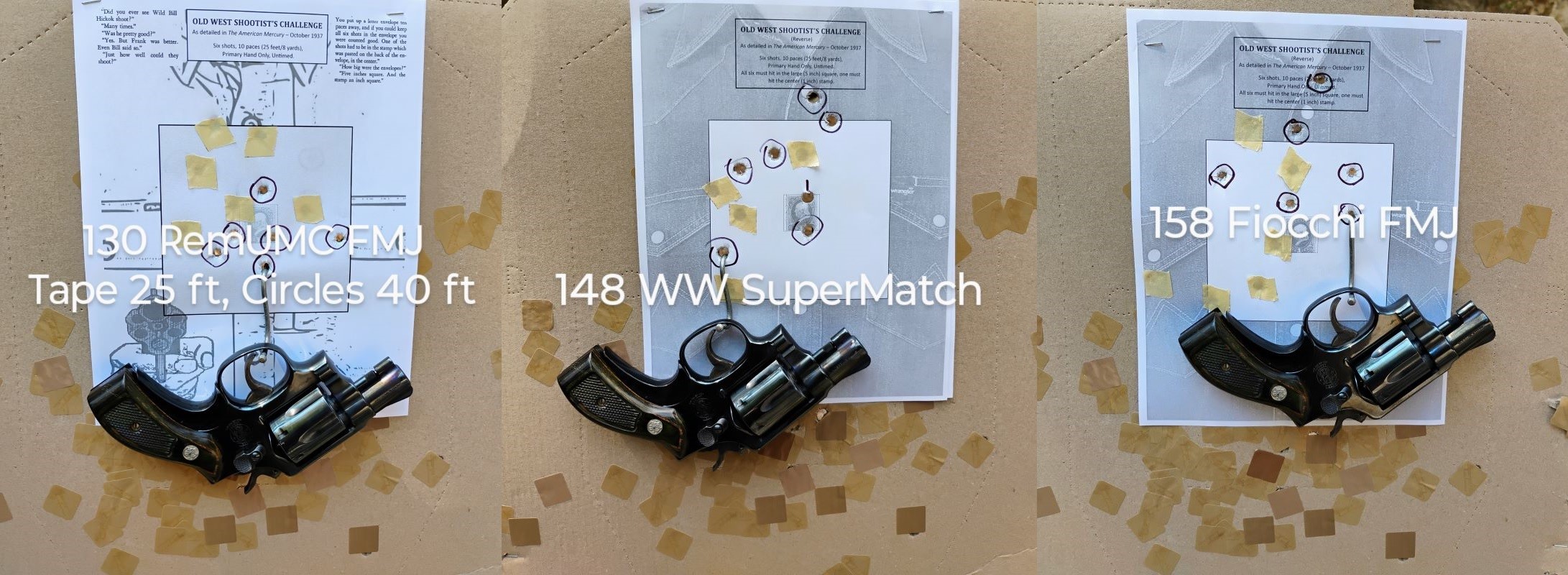
As I texted to my colleague Chuck Haggard https://agiletactical.com/, “I care a lot less about Magic Bullets than I do about hitting right.”
An interesting thing occurred while shooting the Winchester SuperMatch. One of the rounds had a high primer and simply would not come under the recoil shield. This is why czeching ammo that’s intended for serious social purposes is so important. SuperMatch was considered to be a very high quality ammo in its day but here was a round that couldn’t be made to fire.
The next test was the Washington State Basic Covert Carry/Off-Duty Proficiency Course.
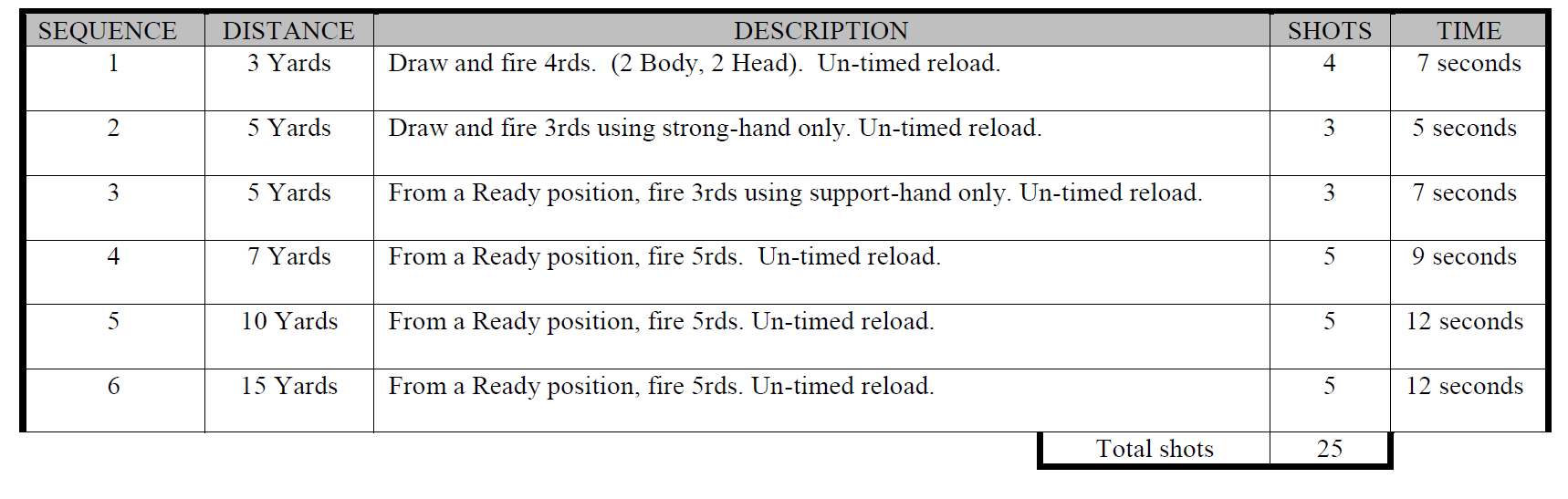
This is a good course for carry revolvers and is 5 shot friendly. The times aren’t particularly demanding but they’re not a total piece of cake either. A good aspect is that it requires shooting with Primary Hand Only and Support Hand Only. I’ve had a client who couldn’t pull the trigger of her revolver with her Support Hand. That’s a problem.
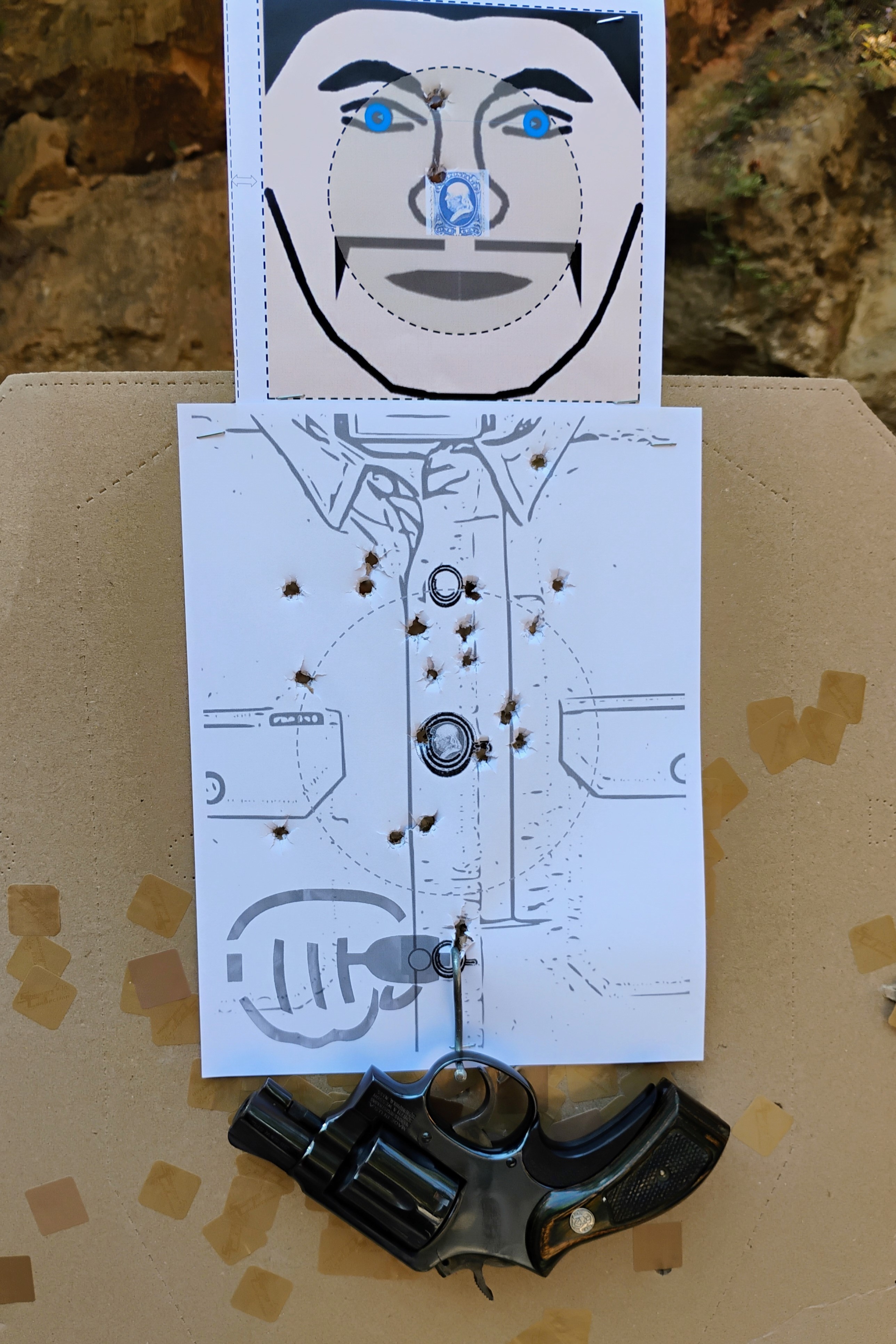
Finally, I shot the IDPA 5X5 Classifier.
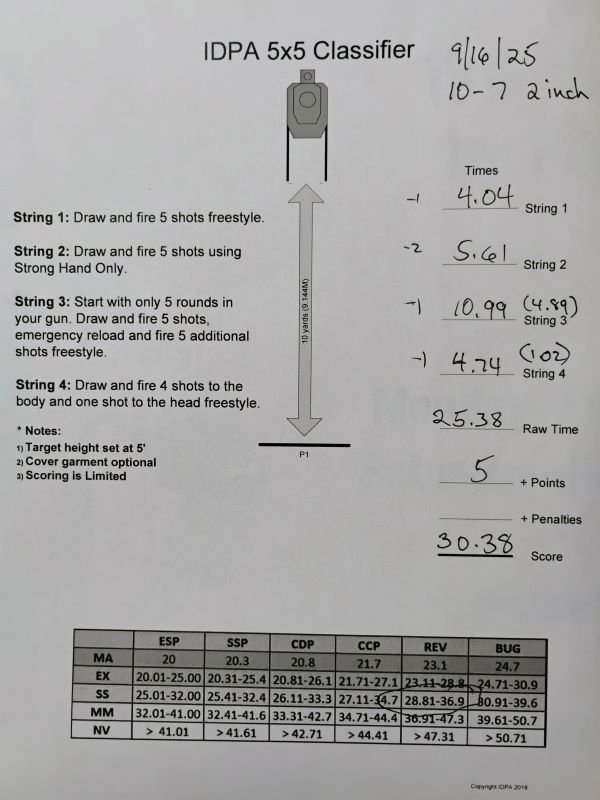
The light was changing and as can happen, it affected where my rounds impacted. This is because it changes the sight picture.
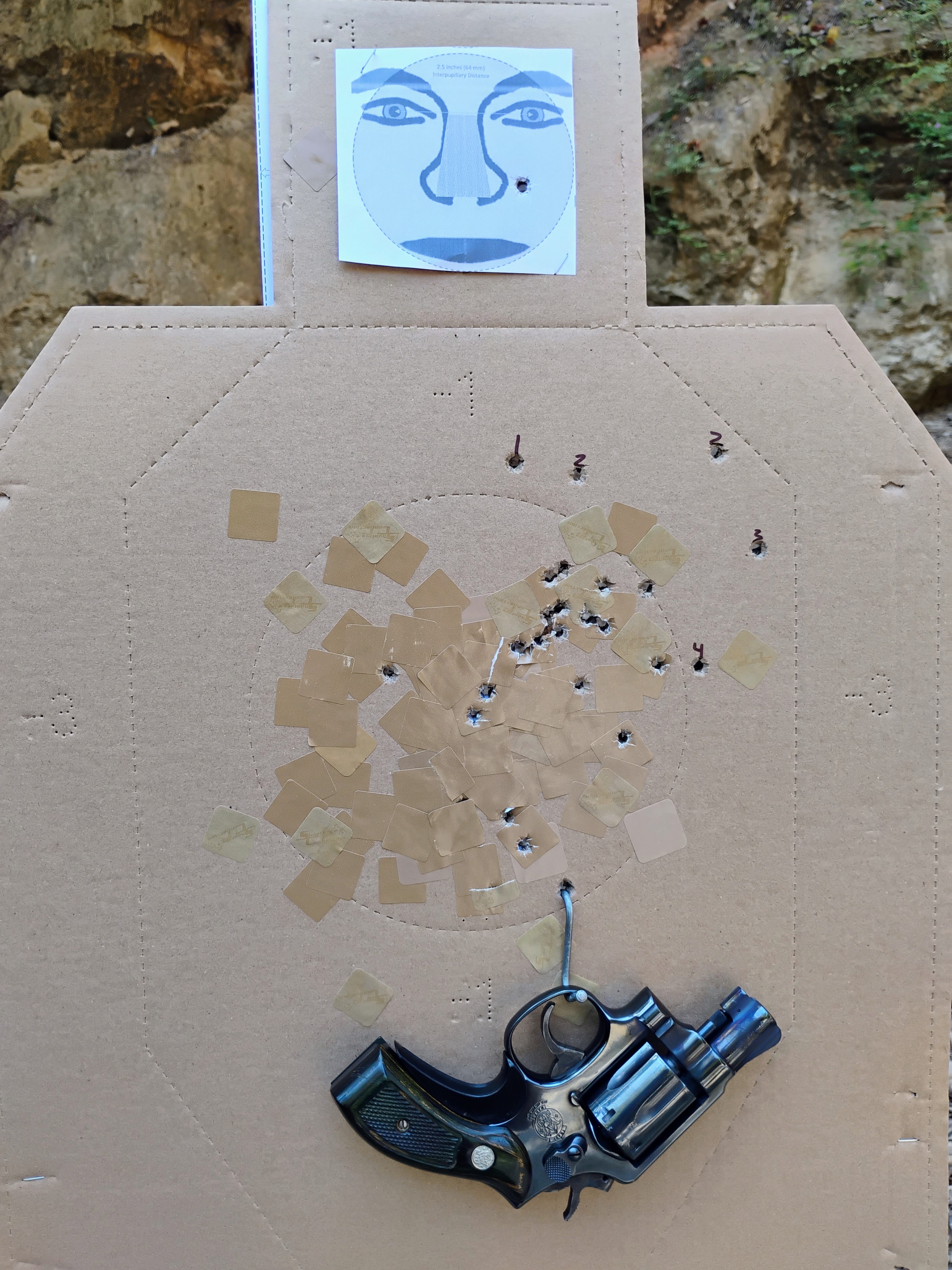
It’s probably not necessary to test fire a gun to this extent but at least knowing it will fire is a worthwhile exercise. It’s also important to know what the recoil is like. An incident occurred in Florida years ago in which a woman had a revolver she had never fired. When she fired it, it flew out of her hand. Things didn’t go that well for her after that. I’ve had a similar experience when a friend’s wife wanted to shoot my Charter Arms .44 Bulldog. It flew out of her hands and knocked her back. If I hadn’t caught her, she would have fallen flat on her back.
As the late Paul Gomez was fond of saying, “Shoot Yor Guns!”
If you would like to read more in-depth information about shooting and personal protection, consider subscribing to my Patreon page.

The Evolution of Police Revolver Training
#wheelgunwednesday
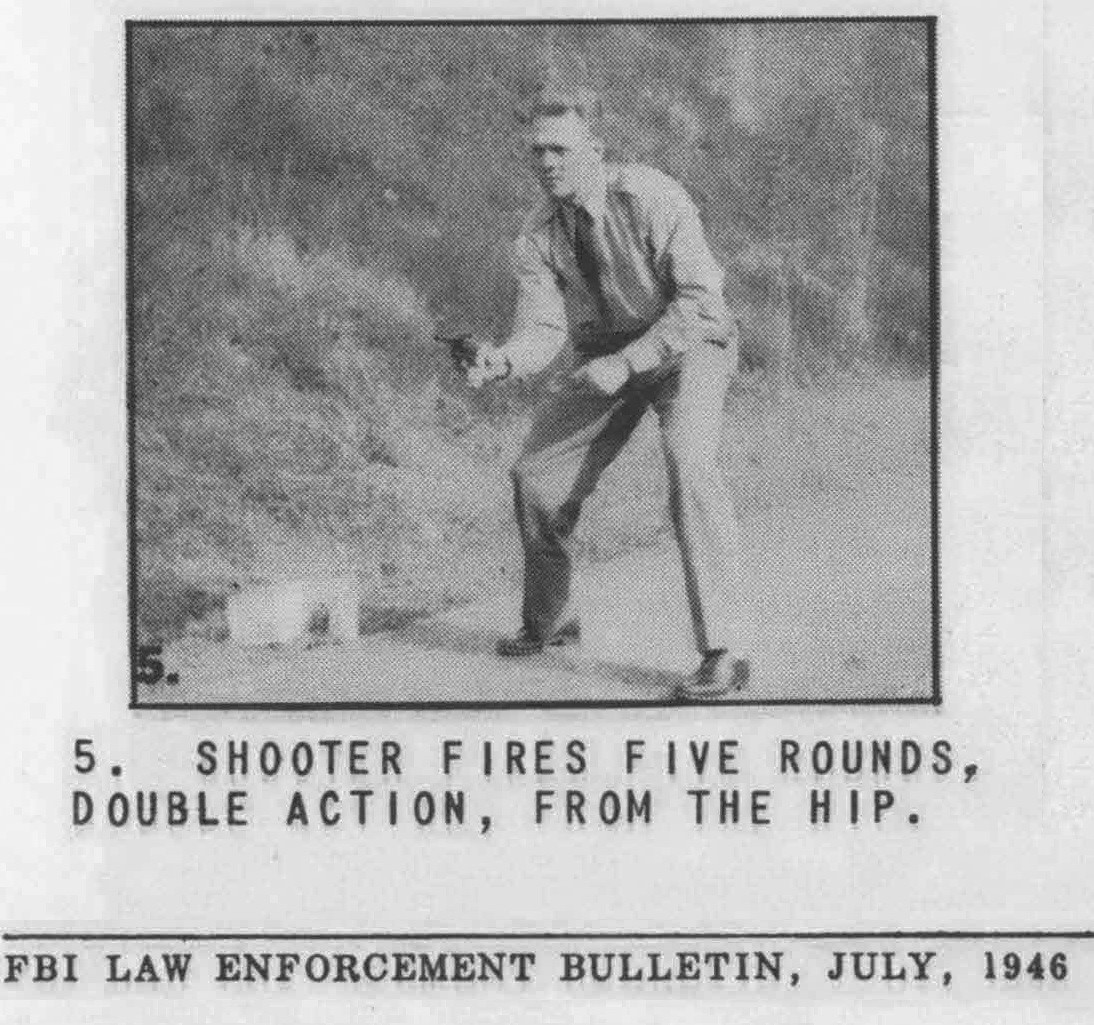
Looking at the history of POlice training and how it began ….
Police revolver training goes back to the 19th Century and President Theodore Roosevelt. Before he was President of the United States, he was President of the New York City Police Commission from 1895 to 1897. When he began that position, New York policemen furnished their own revolvers for duty. Roosevelt was impressed by the .32 Colt New Police revolver and ordered 4500 to be issued to the New York police. Being dismayed by the lack of proficiency of the officers, Roosevelt instituted a school of pistol practice. He required officers, or ‘roundsmen,’ as they were called, to practice and qualify with their issued revolvers.
https://www.shootingillustrated.com/content/the-evolution-of-law-enforcement-revolver-training/
Preventing Unintentional Discharges with a Revolver
#wheelgunwednesday
In my “Off-duty Shootouts of the LAPD” presentations, one section is devoted to Notable Incidents – Unintentional Discharges. The LAPD still authorizes snub revolvers for backup and off-duty carry. Unintentional Discharges occur to both revolvers and autoloaders, although there are no reported on-duty UDs with revolvers. Off-duty is when they occur. I’ve written about this before. https://thetacticalprofessor.net/2020/08/19/dry-practice-safety/
No doubt someone will comment that the correct term is Negligent Discharge. The LAPD uses the terms Unintentional Discharge, Negligent Discharge, and Accidental Discharge in very specific context, so I will use their terminology here.
A common cause of Unintentional Discharges is Impromptu Dry Practice and faulty unloading procedures. Another is attempting to clean/maintain loaded weapons. Upon conclusion of the investigation, such incidents will be adjudicated by the Board of Police Commissioners as Negligent.
NON-TACTICAL UNINTENTIONAL DISCHARGE – 040-19 UD at home
NON-TACTICAL UNINTENTIONAL DISCHARGE – 076-08 UD at hotel
NON-TACTICAL UNINTENTIONAL DISCHARGE – 014-23 UD at Rampart Station
Example Proximate Cause of UD
Officer A placed his left hand under the open cylinder and used his left index finger to depress the ejector rod, releasing the live rounds into his left hand. Officer A did not count the live rounds and placed them on top of the kitchen counter directly behind him. Officer A then closed the cylinder and pressed the trigger twice.
According to Officer A, believing his revolver was still unloaded, he placed his finger on the trigger and pressed it a third time, which caused the revolver to discharge a single round. No one was injured by the discharge.
Since my previous post, an even better solution and accompanying procedure has become available. The solution is the SafeSnap™ Training Disc for 5-Shot J-frame Size Revolvers. https://zetasix.com/product/safesnap-5/
Fair disclaimer: I was involved in the development of the SafeSnap™ but I receive no compensation for commenting about it.
The procedure works as follows. Have a SafeSnap and a twist knob speedloader such as HKS, 5 Star, or Lyman of the correct size for your revolver. Keep both of them readily available.
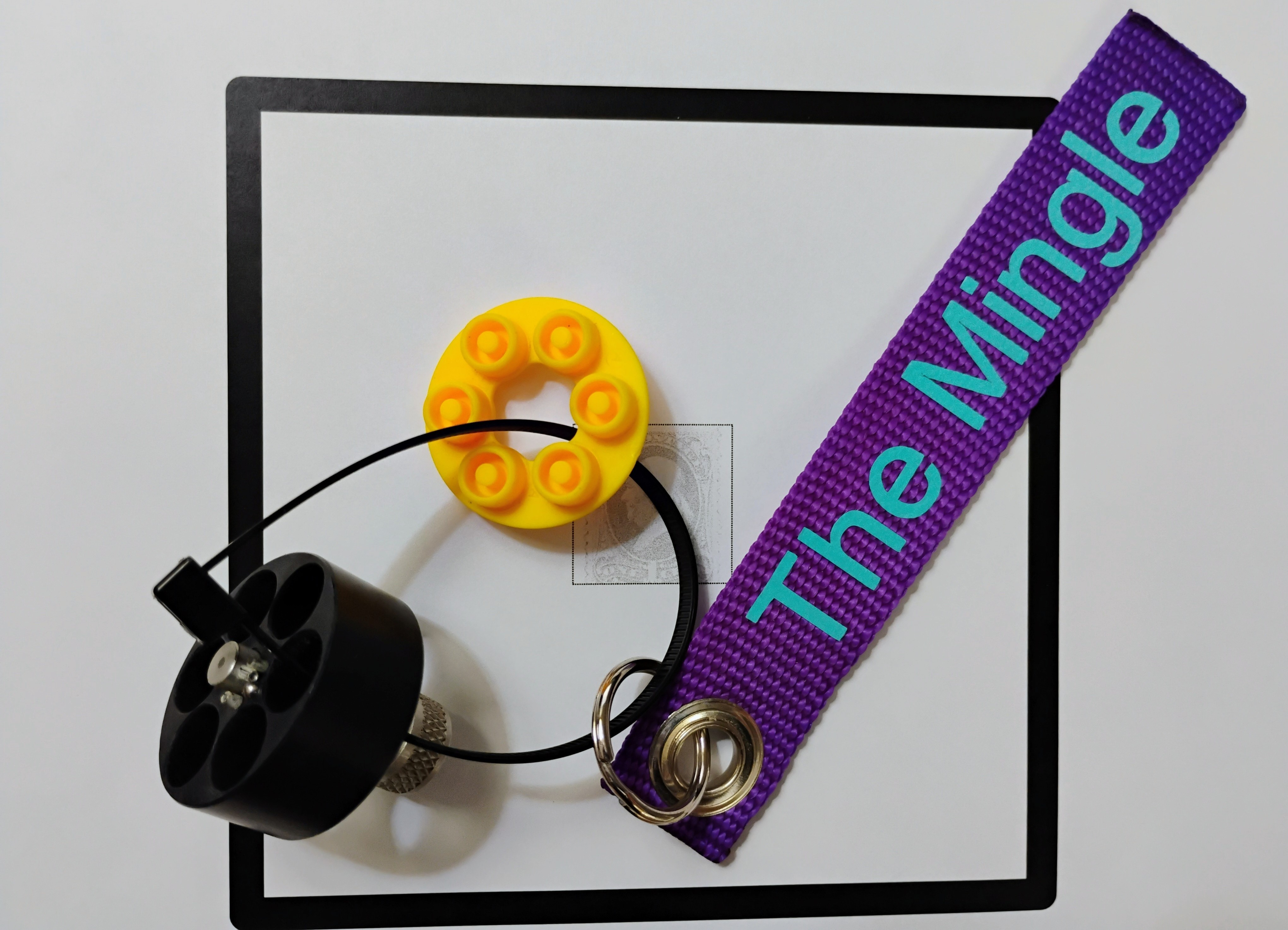
When you decide to dry practice or do maintenance on your revolver, get them before doing anything.
- Take the live cartridges out.
- Count and secure them in the twist knob Speedloader. If there are any empty holes left in the speedloader, the FBI calls that ‘a clue.’
- Put the SafeSnap™ Training Disc in the revolver.
- Do your dry practice or maintenance.
- When finished, don’t reload the gun.
- Do something else to occupy your mind and remove dry practice from your thoughts.
- When you do reload, say “This gun is loaded” out loud three times.
Using such a procedure will go a long way toward preventing Unintentional Discharges. Nevertheless, muzzle direction is still the Primary Safety; always has been, always will be.
The SafeSnap™ is also available for K frames and LCRs. There are other procedures appropriate for autoloaders but this post is specific to revolvers.
Other causes of Unintentional Discharges
- Administratively carrying or handling loaded handguns without a holster
- High stress tactical situations
- Drunkenness
Final note: It’s also inappropriate to dry practice using your girlfriend’s cat as a target.
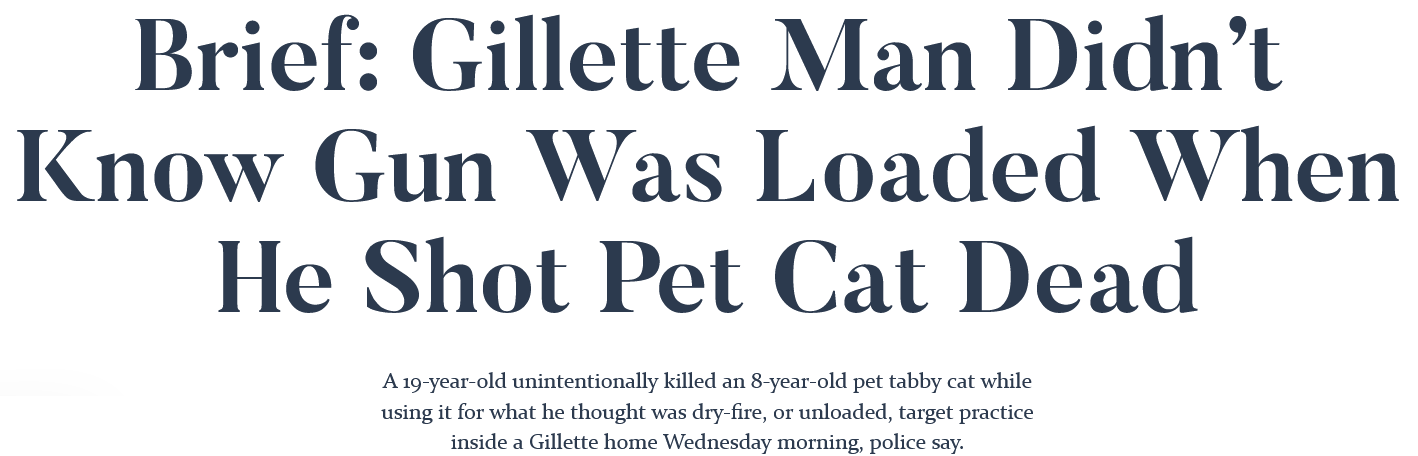
https://cowboystatedaily.com/2025/04/17/brief-gillette-man-didnt-know-gun-was-loaded-when-he-shot-pet-cat-dead/ Not only will it sour your relationship with her but could conceivably lead to Animal Cruelty charges, which are a Felony in most States.
If you are interested in more in-depth commentary about shooting and Personal Protection incident analysis, please consider subscribing to my Patreon page. https://www.patreon.com/TacticalProfessor
Practicing with a Snub Revolver
Favorite Five Shot Snub Revolver Courses of Fire
#wheelgunwednesday
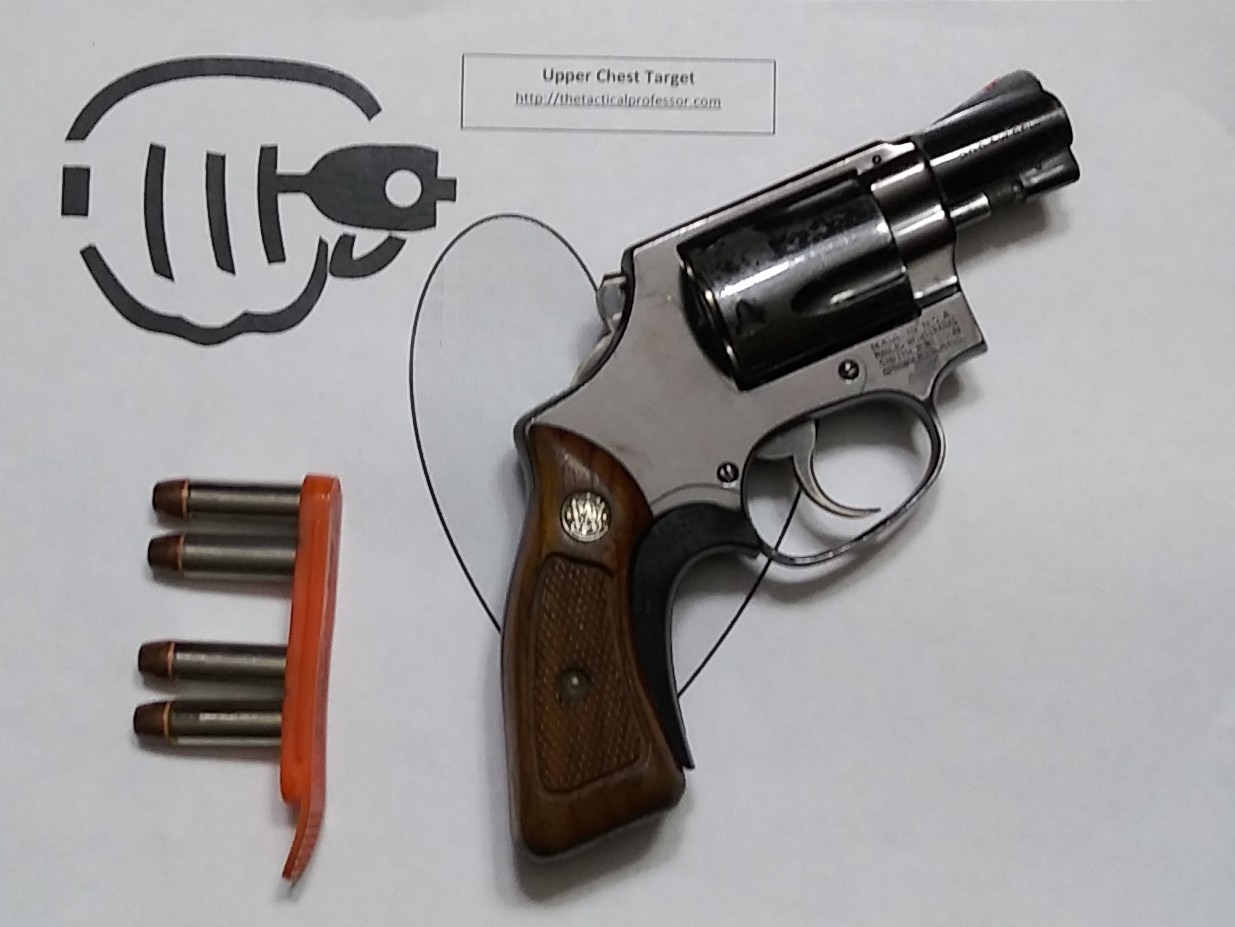
While some consider the five shot snub revolver passé, it is still a common self-defense tool and viable when used correctly. Using a snub correctly does require a bit of familiarity and practice, so here are some practice regimens that are appropriate for snubs and can be used at most indoor ranges. CCW Qualification Courses have value in that they provide structure for practice and a modest measure of skill determination. Note that simply shooting a CCW Qualification Course on your own DOES NOT mean you are authorized to carry a handgun in that area. Check the local laws for carry requirements.
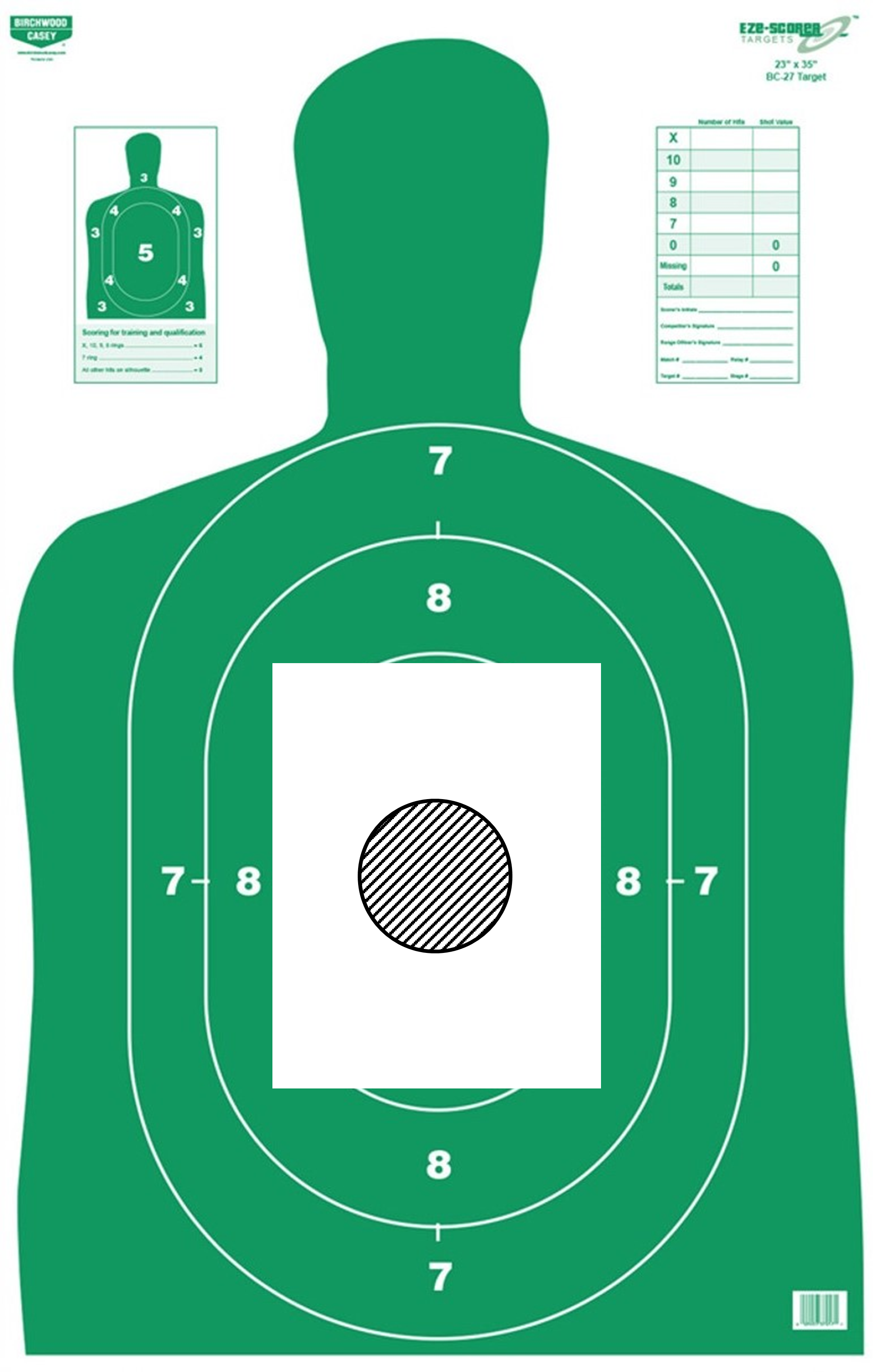
All Courses of Fire are untimed. Any silhouette target can be used. When using the B-27 target, only count hits inside the 8 ring. For those who feel confident of their marksmanship ability, put a sheet of paper on the silhouette and only count hits on it.
- New York State CCW Qualification Course – 5 rounds
- Silhouette at 4 yards.
- With an unloaded revolver, draw, snap at the target, and safely reholster. Draw the unloaded revolver, load with five rounds, and come to Low Ready. Fire five rounds at the target.
- Four of five rounds must hit the target to successfully qualify.
- Nevada CCW Qualification (5 shot revolver version) – 25 rounds
- Silhouette at 3 yards.
- Load with five rounds, and come to Low Ready. Fire five rounds at the target.
- Move Silhouette to 5 yards.
- Load with five rounds, and come to Low Ready. Fire five rounds at the target, reload, and fire five more rounds at the target.
- Move Silhouette to 7 yards.
- Load with five rounds, and come to Low Ready. Fire five rounds at the target, reload, and fire five more rounds at the target.
- Of the 25 rounds, 18 must hit the target to qualify.
- LAPD Retired Officer Qualification Course – 10 rounds
- Silhouette at 7 yards.
- Load with five rounds and reholster. Draw, shoot five rounds, reload, and shoot five more. If the range does not permit drawing from a holster, start from Low Ready.
- Seven of the 10 rounds must hit for a successful qualification.
- San Diego (California) Sheriff CCW Qualification Course – 15 rounds
- Silhouette at 7 yards.
- Load with five rounds, and come to Low Ready. Fire five rounds at the target.
- Move Silhouette to 5 yards.
- Load with five rounds, and come to Low Ready. Fire five rounds at the target.
- Move Silhouette to 3 yards.
- Load with five rounds, and come to Low Ready, holding the revolver in the Primary Hand Only. Fire three rounds at the target. Transfer the revolver to the Support Hand Only and fire two more rounds at the target.
- Of the 15 rounds, 13 must hit the target to qualify.
- Kansas Concealed Carry License Qualification Test – 25 rounds
- Silhouette at 3 yards.
- Load with five rounds, and come to Low Ready, holding the revolver in the Primary Hand Only. Fire five rounds at the target.
- Move Silhouette to 7 yards.
- Load with five rounds, and come to Low Ready with both hands. Fire five rounds at the target, reload, and fire five more rounds at the target.
- Move Silhouette to 10 yards.
- Load with five rounds, and come to Low Ready with both hands. Fire five rounds at the target, reload, and fire five more rounds at the target.
- Eighteen of the 25 rounds must hit the target to qualify.
Trigger manipulation practice is enhanced if after firing a shot, we open the cylinder, spin it, and then close it without looking at the round placement. Only fire one shot after closing the cylinder and then open and spin it again. As the rounds become fired, we will encounter fired cases as we press the trigger. By watching the sights carefully as we press the trigger, any jerking of the trigger will be obvious. These dummy snaps are where we learn to press the trigger smoothly.
Although reloading can be done with loose ammunition from a box of ammo, it’s more useful to have some kind of loading device. Using a loading device gives some practice at reloading the revolver under some conditions of stress. The snub shooting organization Snub Noir https://snubnoir.com/ uses three devices in their matches. They are looped ammunition carrier, flexible loading strip, and speed loader. Other possibilities are 2x2x2 ammo pouch and dump pouch for loose ammunition.
These Courses of Fire don’t have to be shot all at once. At the point of feeling fatigued or bruised from recoil, pack it up, and call it a day. Have fun with your practice and you’ll be more inclined to do it more often.
The Demi-Practical Event
#wheelgunwednesday
Caleb Giddings of Taurus inspired me to design a Course of Fire derived from the Bianchi Cup Practical Event. I wanted something that wouldn’t demoralize newer shooters by making them shoot a demanding par time course at a long distance though.
The Bianchi Cup https://thecmp.org/competitions/cmp-pistol-program/cmp-bianchi-cup/ is being shot now at the Green Valley Rifle & Pistol Club in Missouri. The Cup goes back to 1979 and it is one of the most prestigious and lucrative shooting contests in the world. There are four Events at Bianchi, The Practical being one of them. It consists of 48 shots. There are 4 stages, fired at 10, 15, 25, and 50 yards, with 3 series of 2, 4 and 6 shots in each stage. Two targets are set up 1 yard apart, each having a four inch X Ring and a 10 point scoring ring 8 inches in diameter. The target is much larger overall but a competitor who sends more than one or two hits of the 48 outside the 10 ring doesn’t have a chance. The X Ring is to break ties.
Three series are shot at each distance. One shot on each of the targets, two shot on each target, and three shots on each target. At 10 yards, the three shot series is fired with the Support hand after drawing and transferring the pistol from the Primary hand to the Support hand. A nice thing about Bianchi is that it is six shot revolver neutral and there is no reloading on the clock.
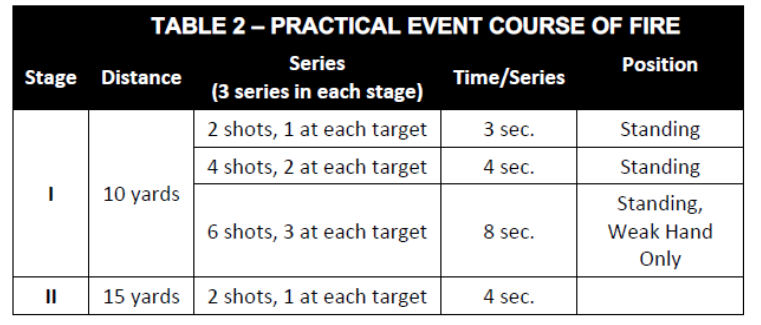
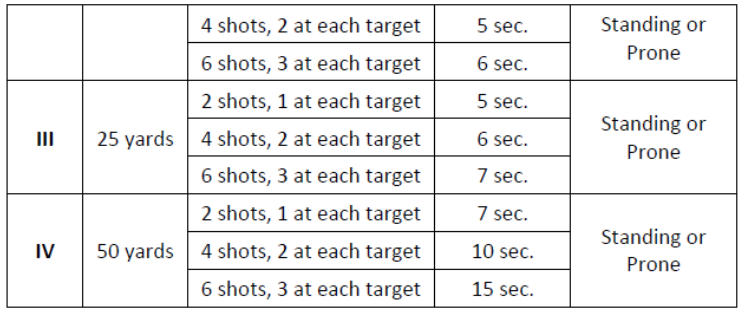
Since shooting a pistol at 50 yards would be soul crushing to most shooters, the Event I created is called the Demi-Practical, demi- meaning half https://www.merriam-webster.com/dictionary/demi-. The 50 yard stage is eliminated and the other distances are halved. This gives us a 36 round Event shot at 5 yards, 7 yards, and 12 yards. The Support hand shooting is changed to Primary hand only shooting with a time change to 6 seconds since there is no hand transfer. All shooting is done from the Standing position.
Since the AP1 is not a common target commercially, I substituted the IDPA target. Points down scoring works fine as a practical marksmanship metric. Par timing makes it easier to administer and score.
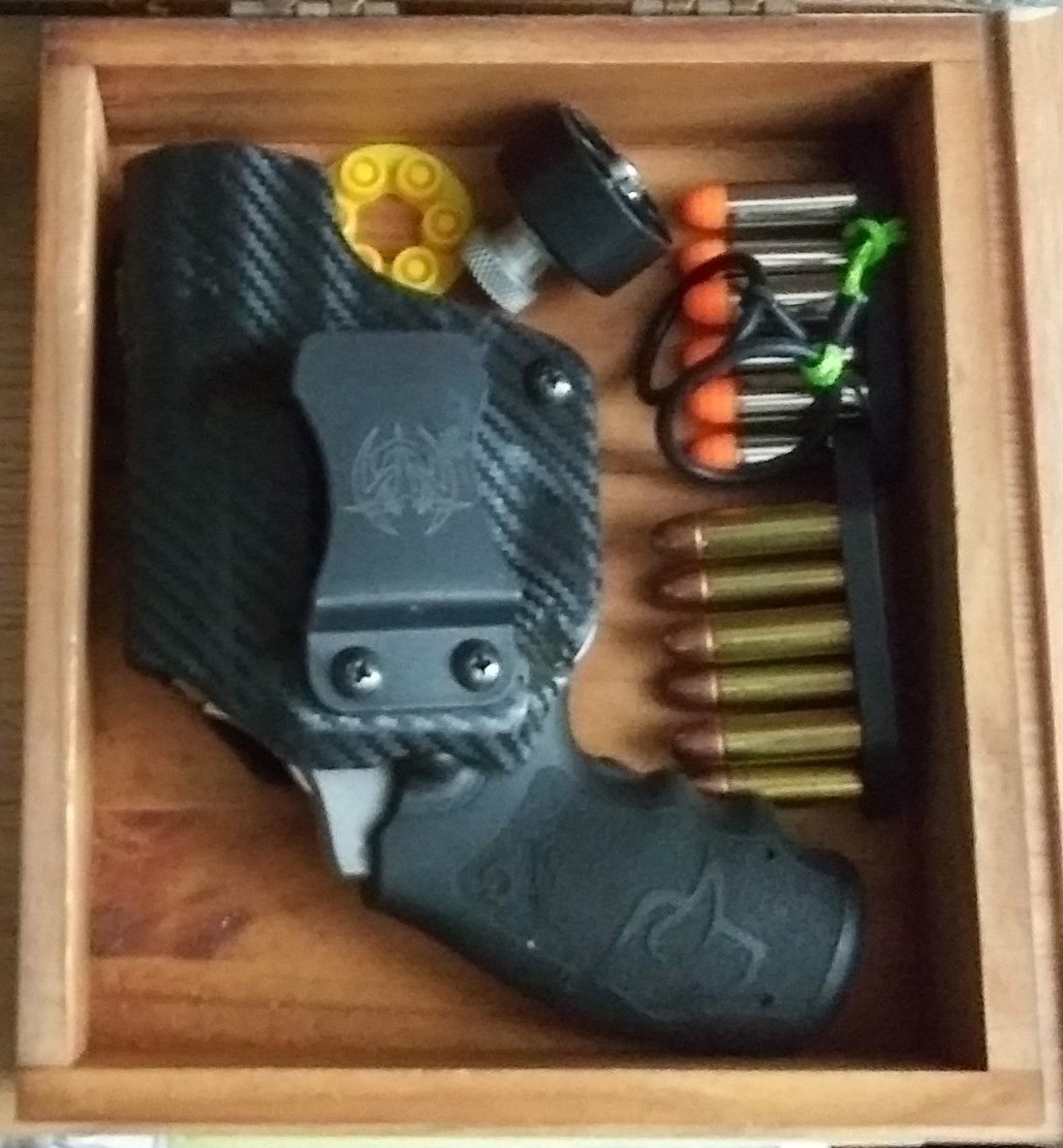
Today was a beautiful day so I took the opportunity to go shooting. My Taurus 856 snub was one of the test subjects.
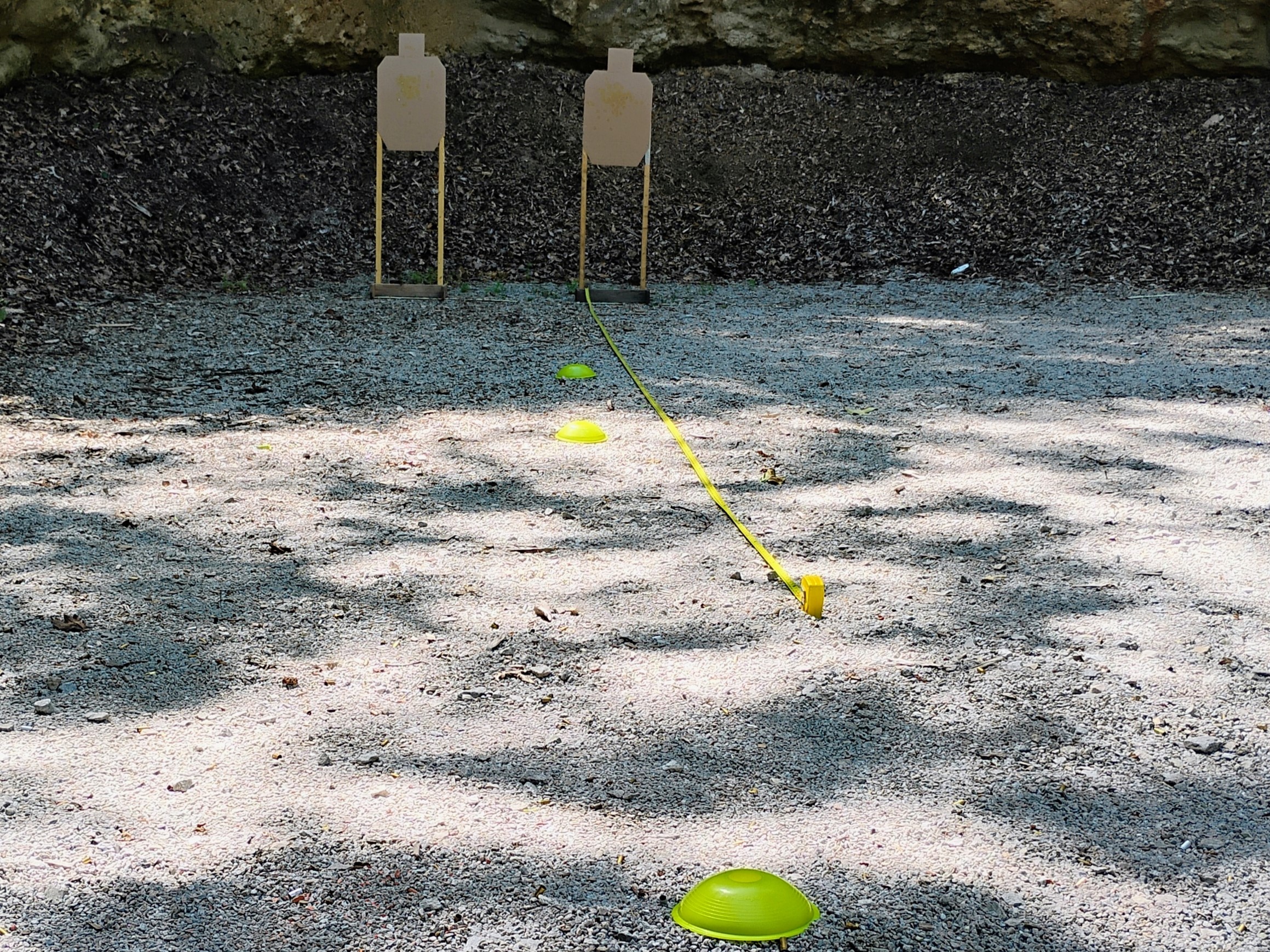
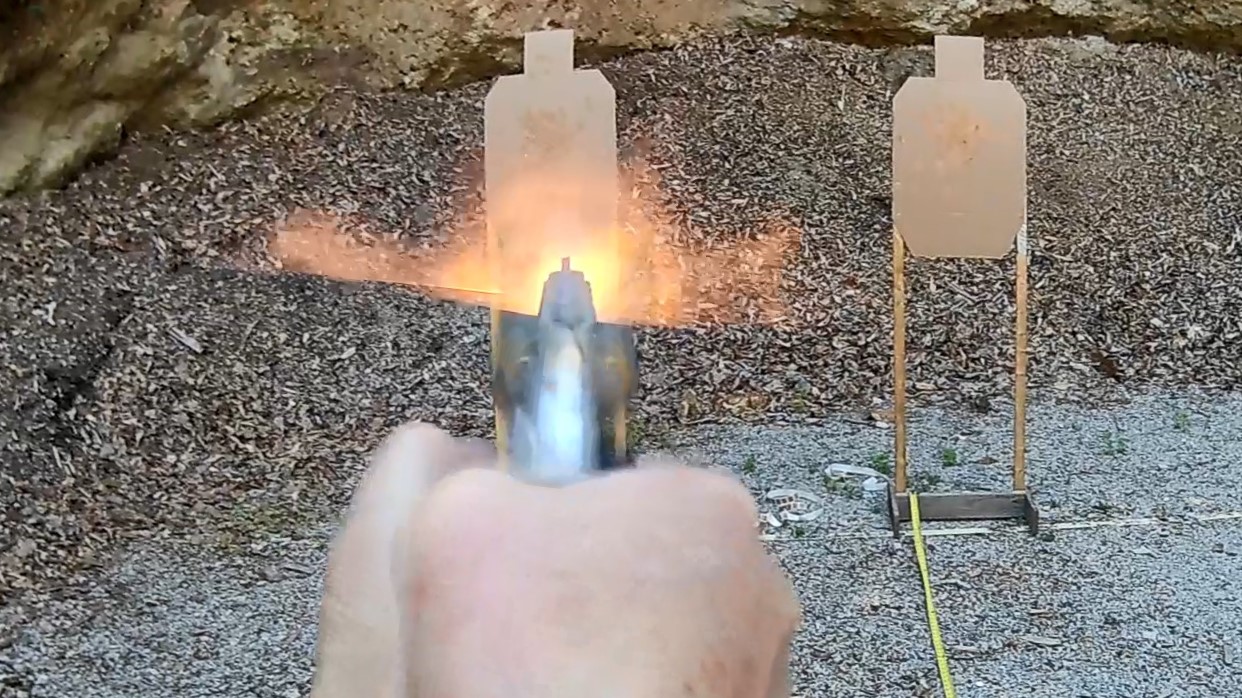
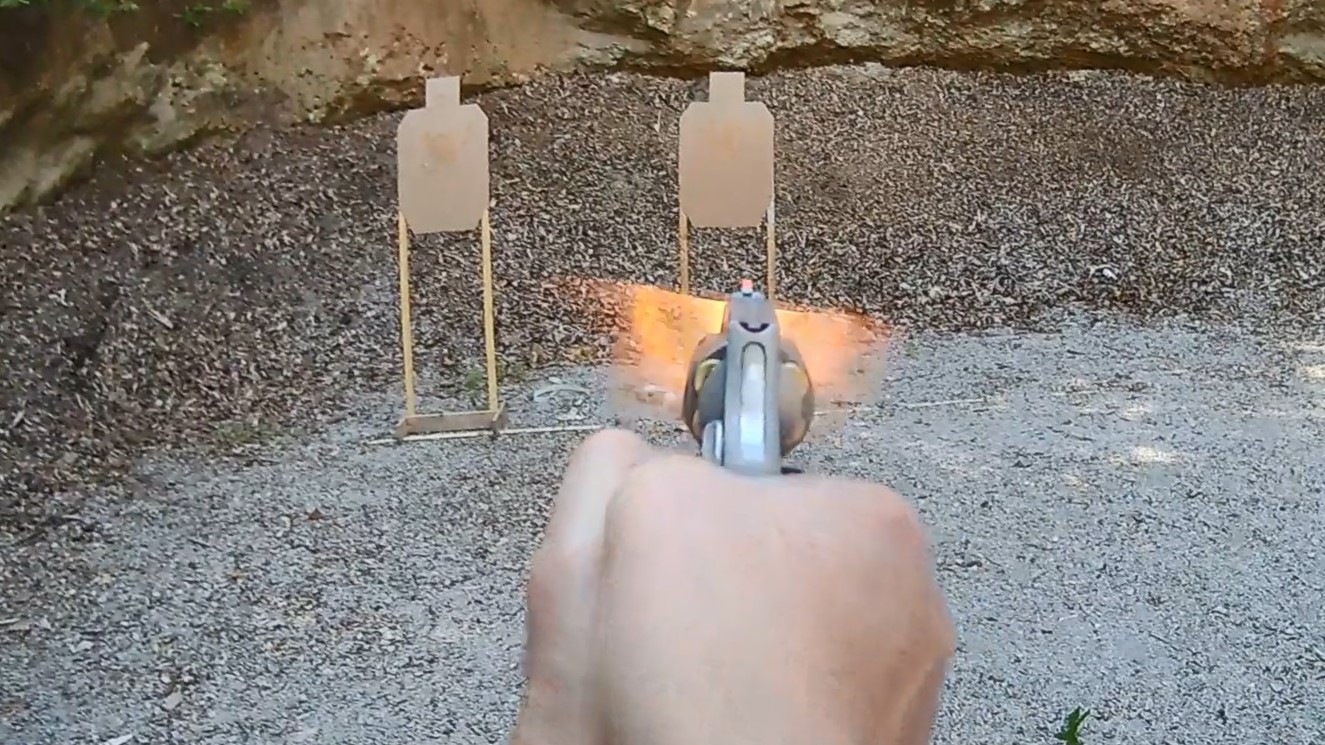
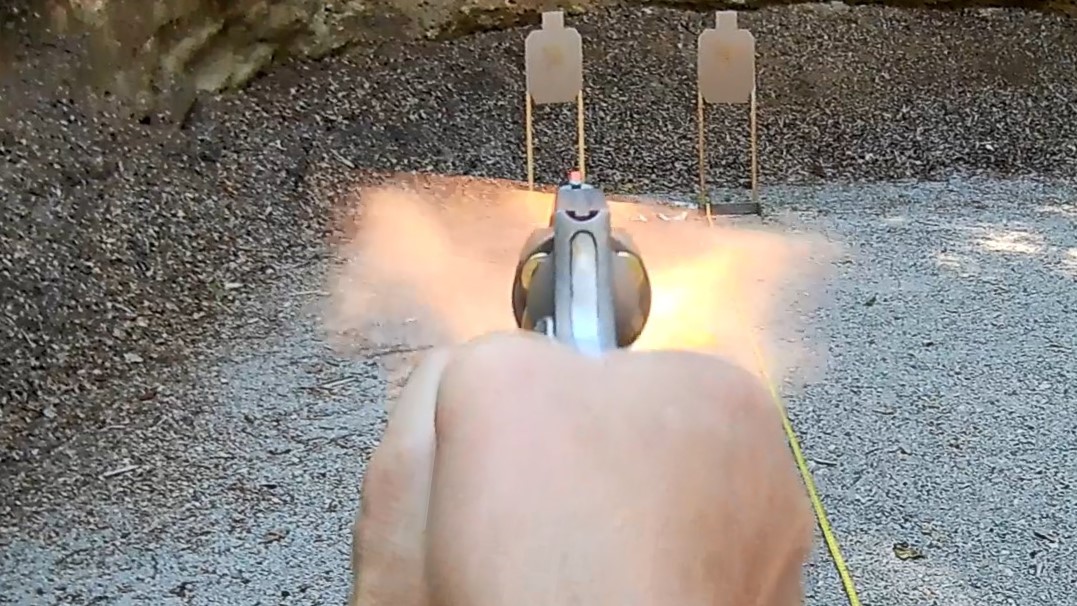
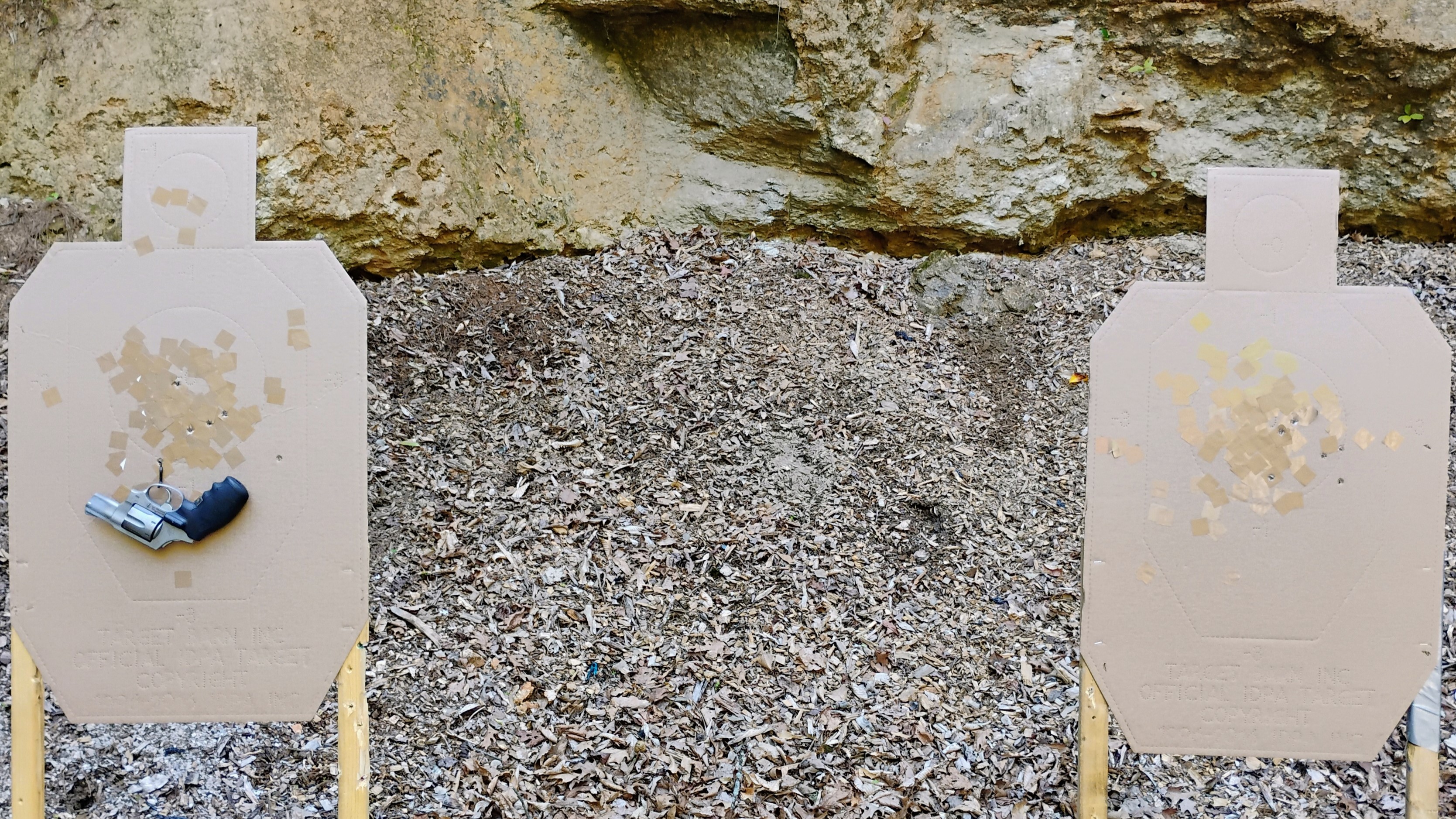
At 5 yards, I was 2 points down on the right target. At 7 yards, I was able to shoot both clean. At 12 yards, I was 1 point down on each target.
I had a good time shooting it. You might enjoy shooting it, too.
TacCon 2025 Match
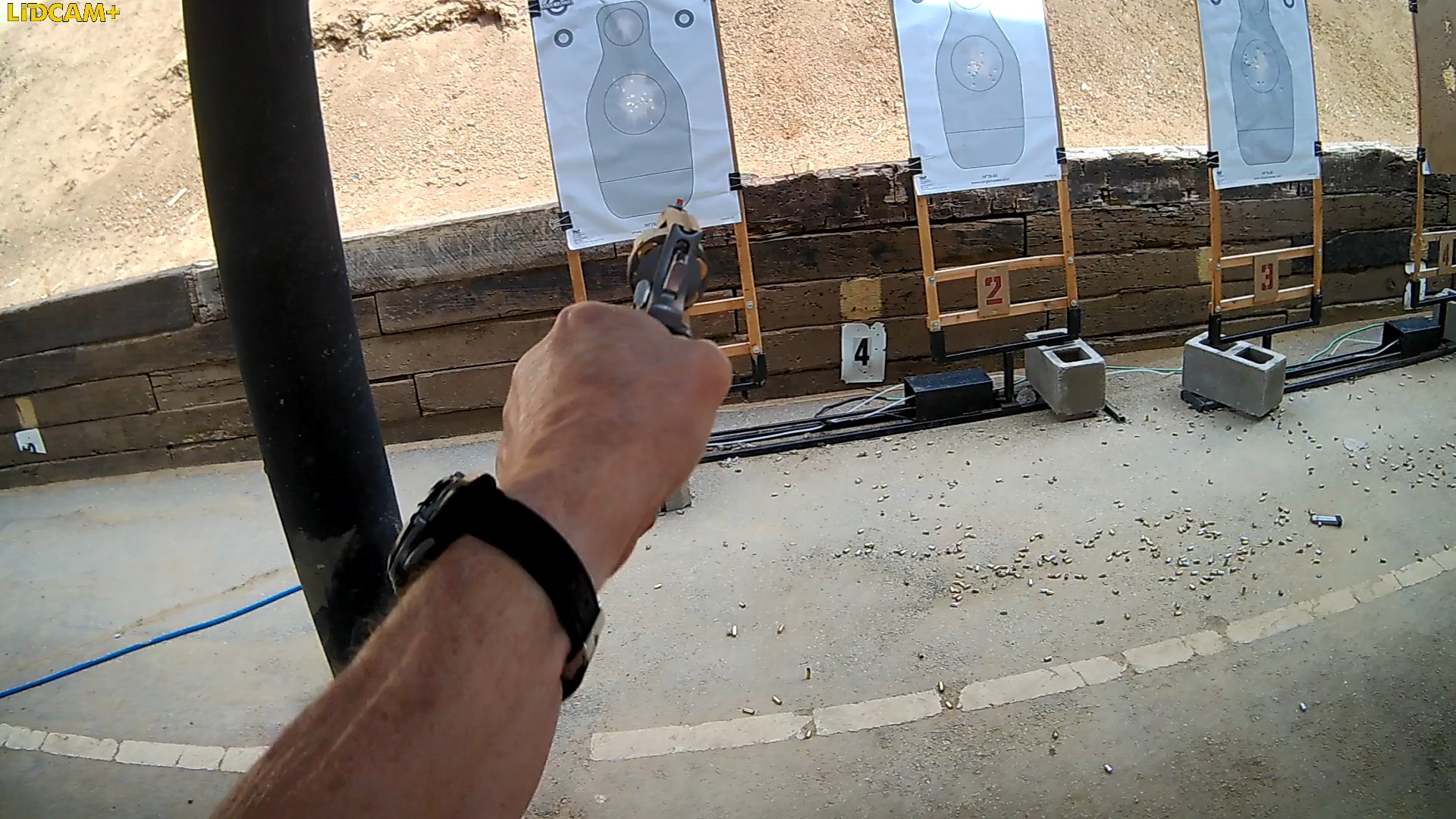
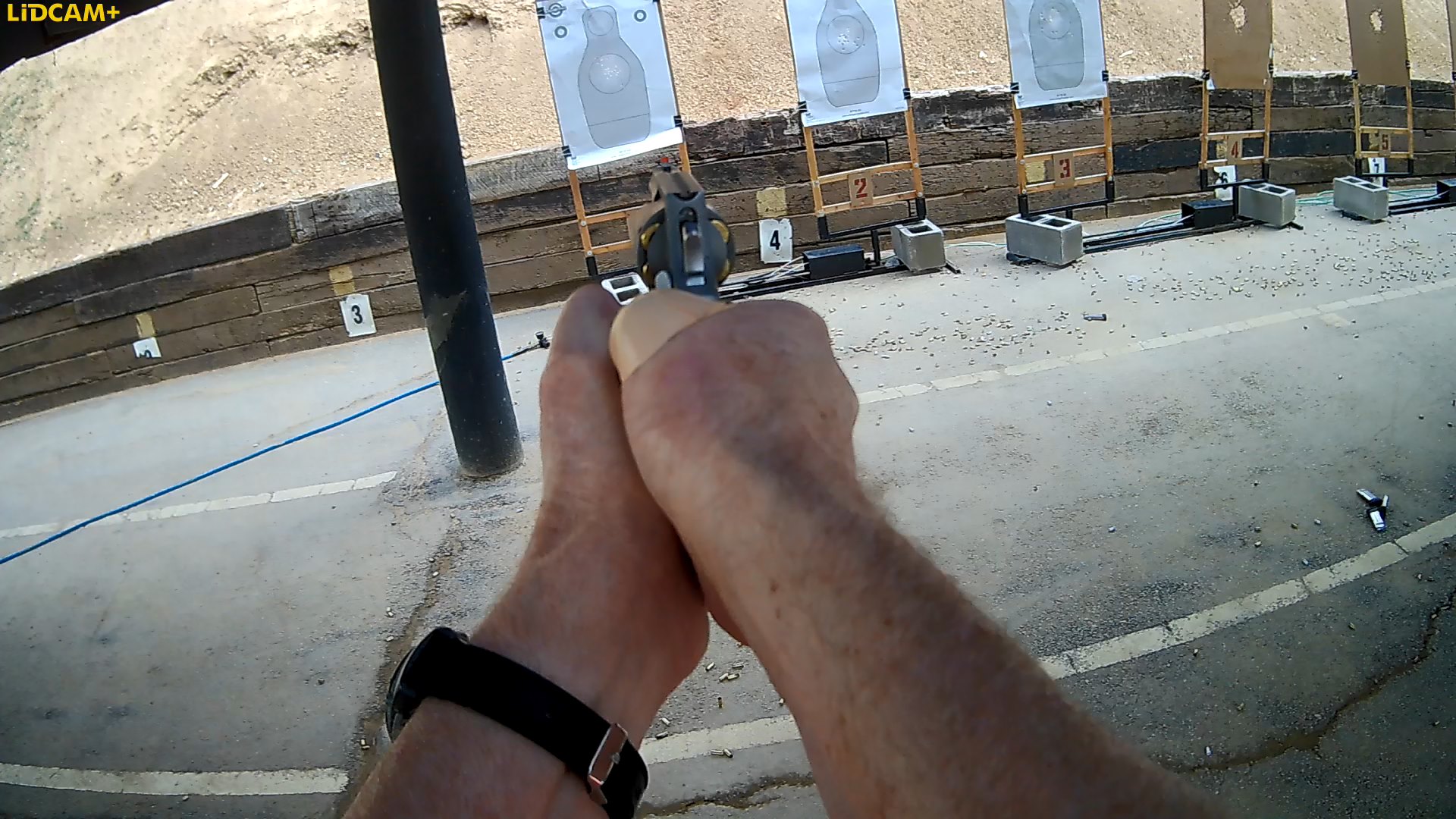
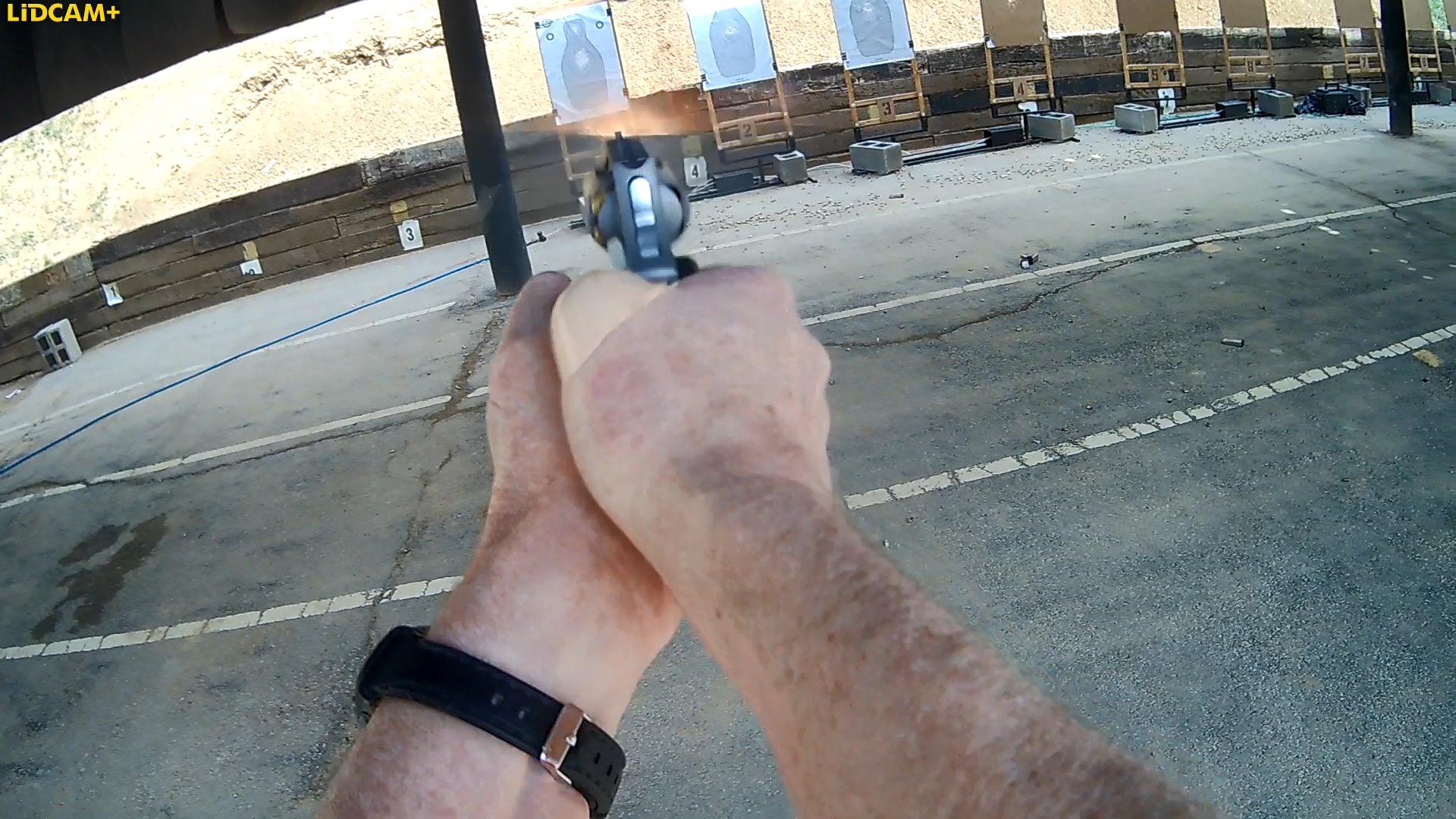
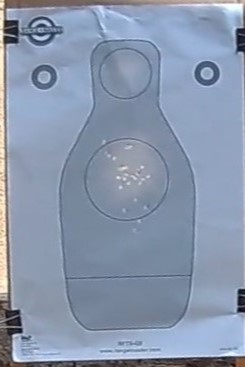
The Rangemaster 2025 Tactical Conference is a wrap. For the Match, 251 participants (63%) of approximately 400 shows for the Conference chose to shoot the Match. It consisted of 30 rounds for the Four Second Standards and five rounds for the Tiebreaker that was shot immediately after the Standards. The target was the Rangemaster Q and more specifically the eight inch circle in the upper chest. All equipment had to be completely concealed.
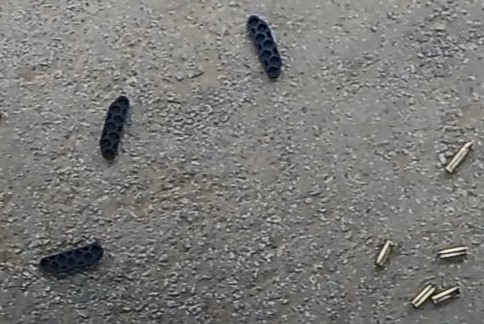
I chose to shoot it with my Taurus 856 snub with Viridian LaserGrips. The laser dot was visible at all distances involved. To reload, I used a pocket full of Zeta6 K Pak2 loading strips.
FOUR SECOND STANDARDS
- 3 yards – Draw and fire 6 shots
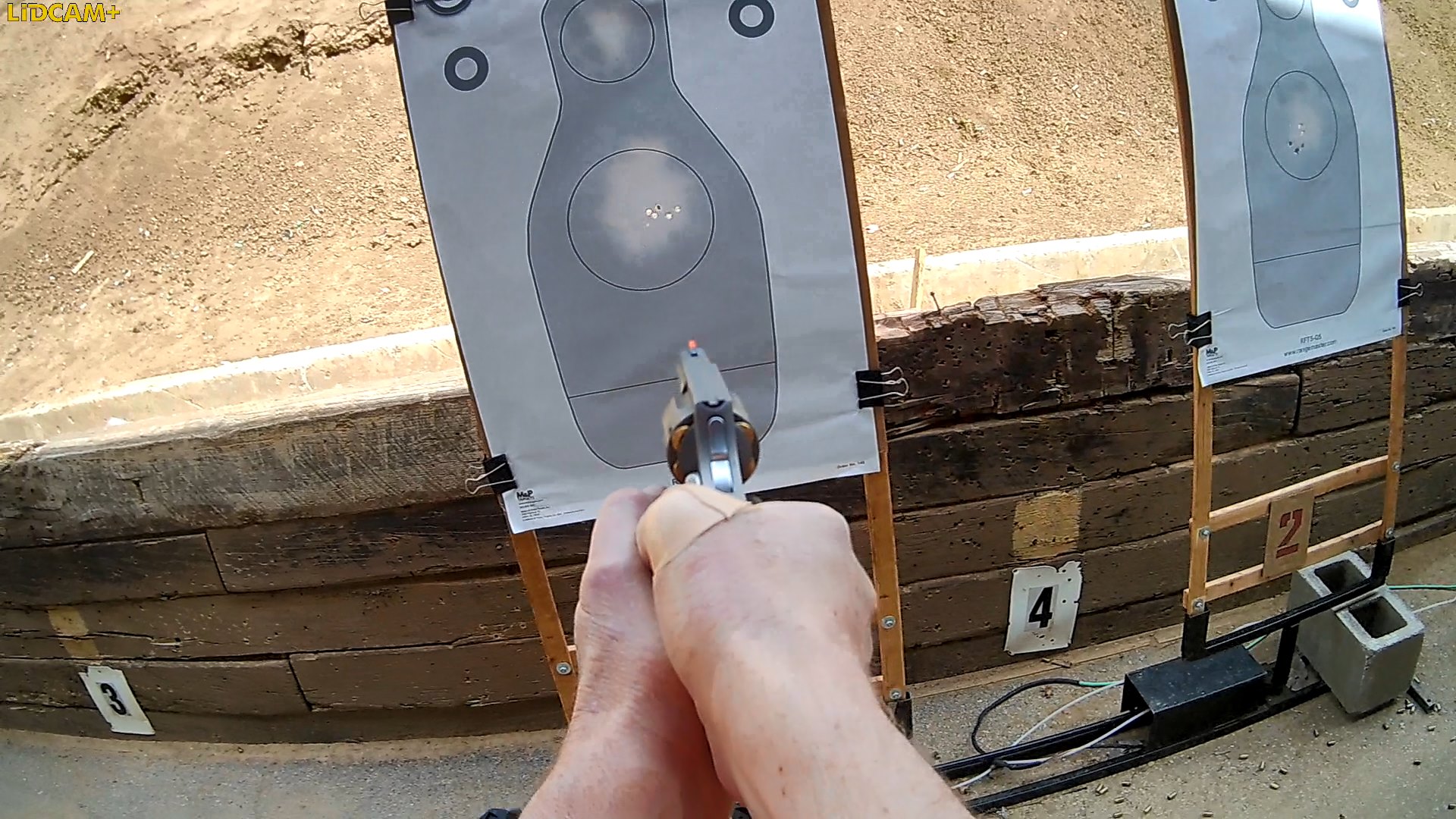
- 5 yards – Draw and fire 5 shots
- 5 yards – Draw and fire 5 shots
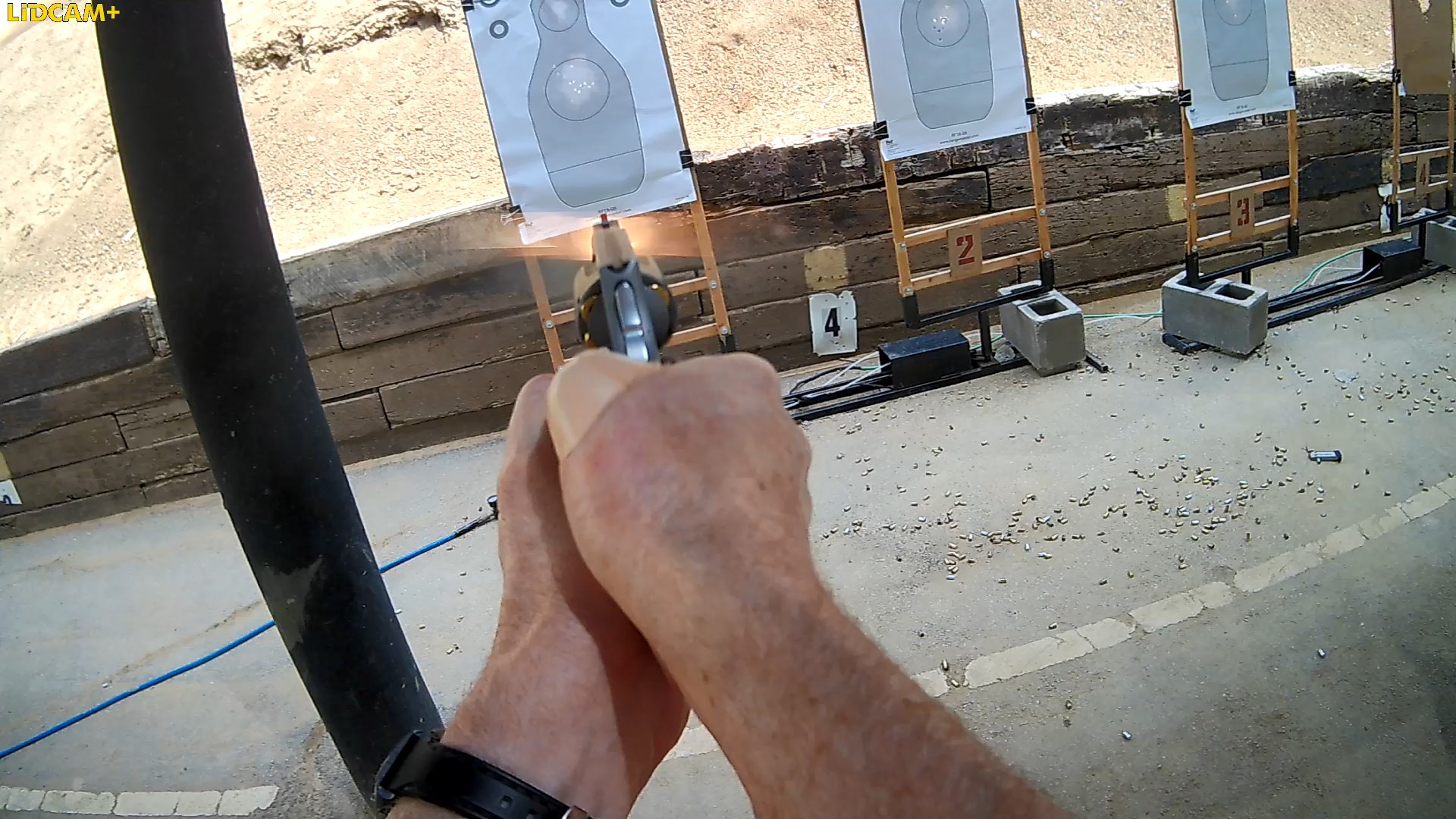
4. 5 yards – From Low Ready, Present and fire 4 shots, Primary Hand Only
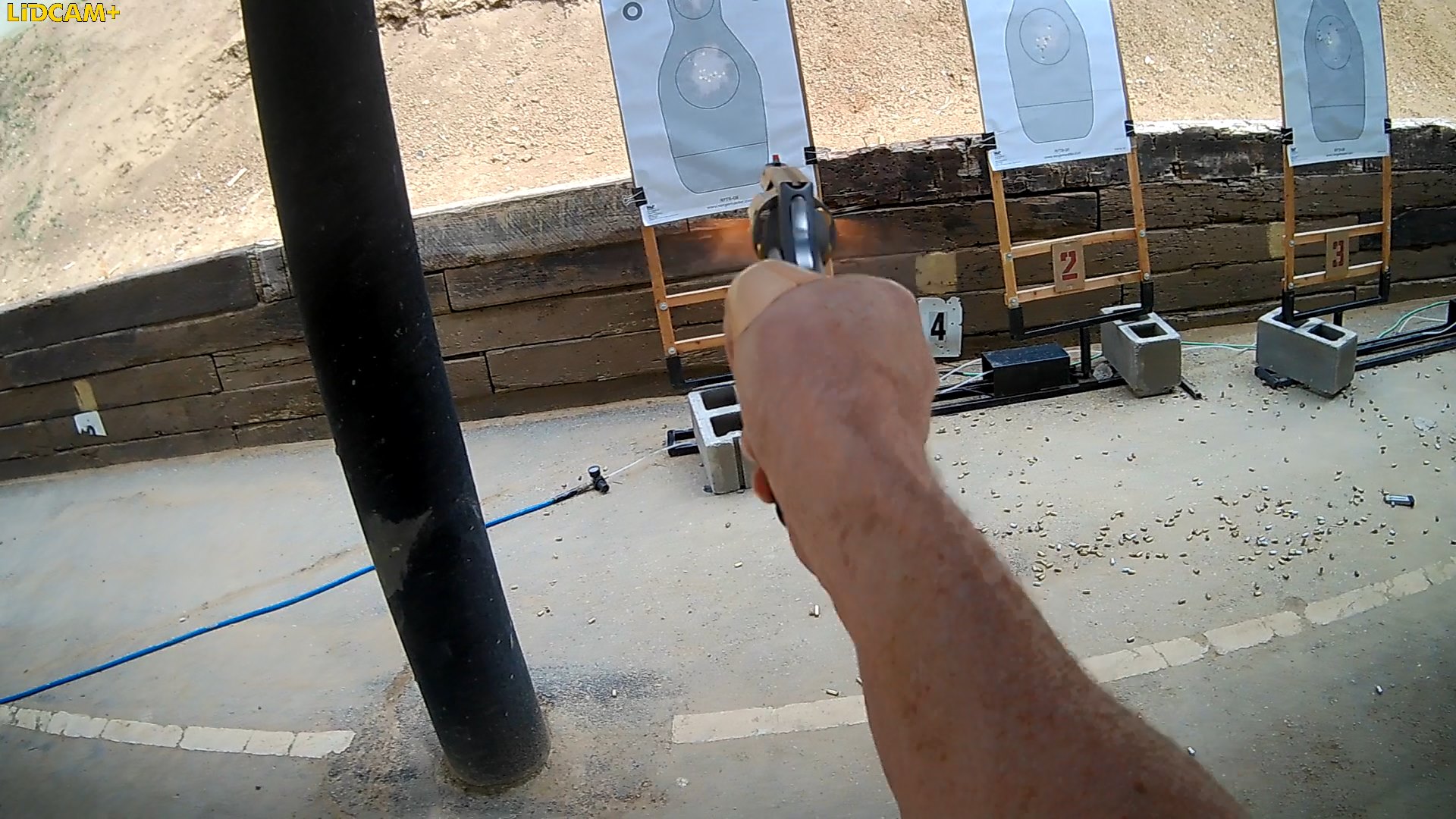
5. 5 yards – From Low Ready, Present and fire 3 shots, Support Hand Only
6. 7 yards – Draw and fire 4 shots
7. 10 yards – Draw and fire 3 shots
30 rounds subtotal for the Standards
TIEBREAKER
• 5 yards – From Low Ready, fire 5 shots to the head, individually timed and scored.
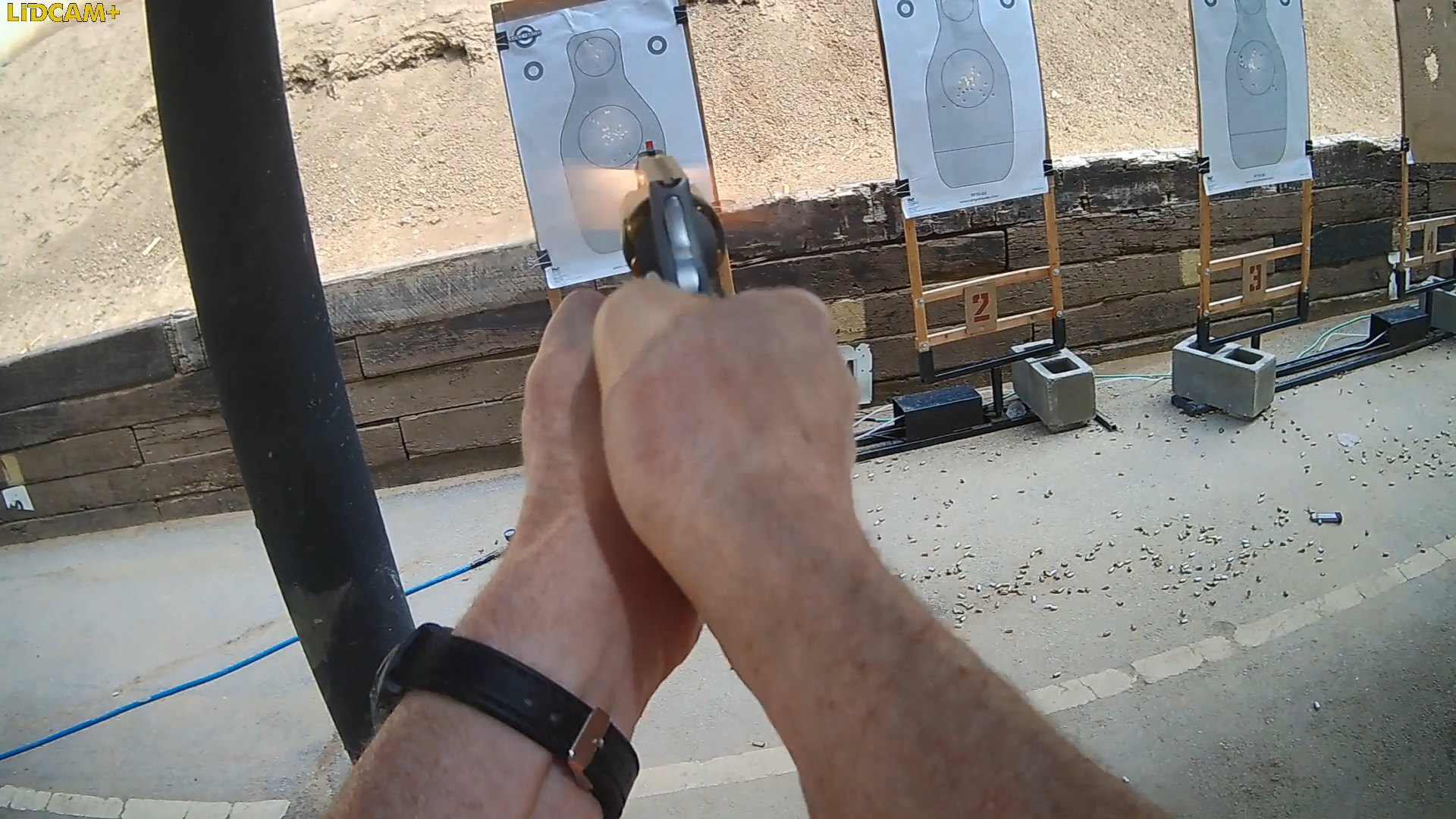
5 hits – 3.01 seconds
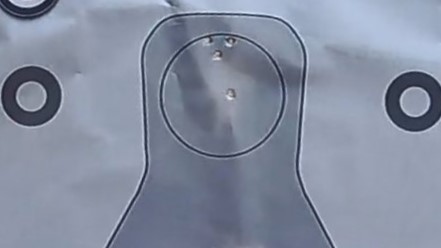
35 rounds total for the Match
My final place was 167 out of the 251 participants. Considering only one other shooter used a revolver and that was a 686 Plus, I’m happy with how I did.
Periodic Personal Evaluation
#saturdayskillsczech
My December article for Shooting Illustrated is entitled Near to Far Marksmanship Practice.
https://www.shootingillustrated.com/content/near-to-far-marksmanship-practice/
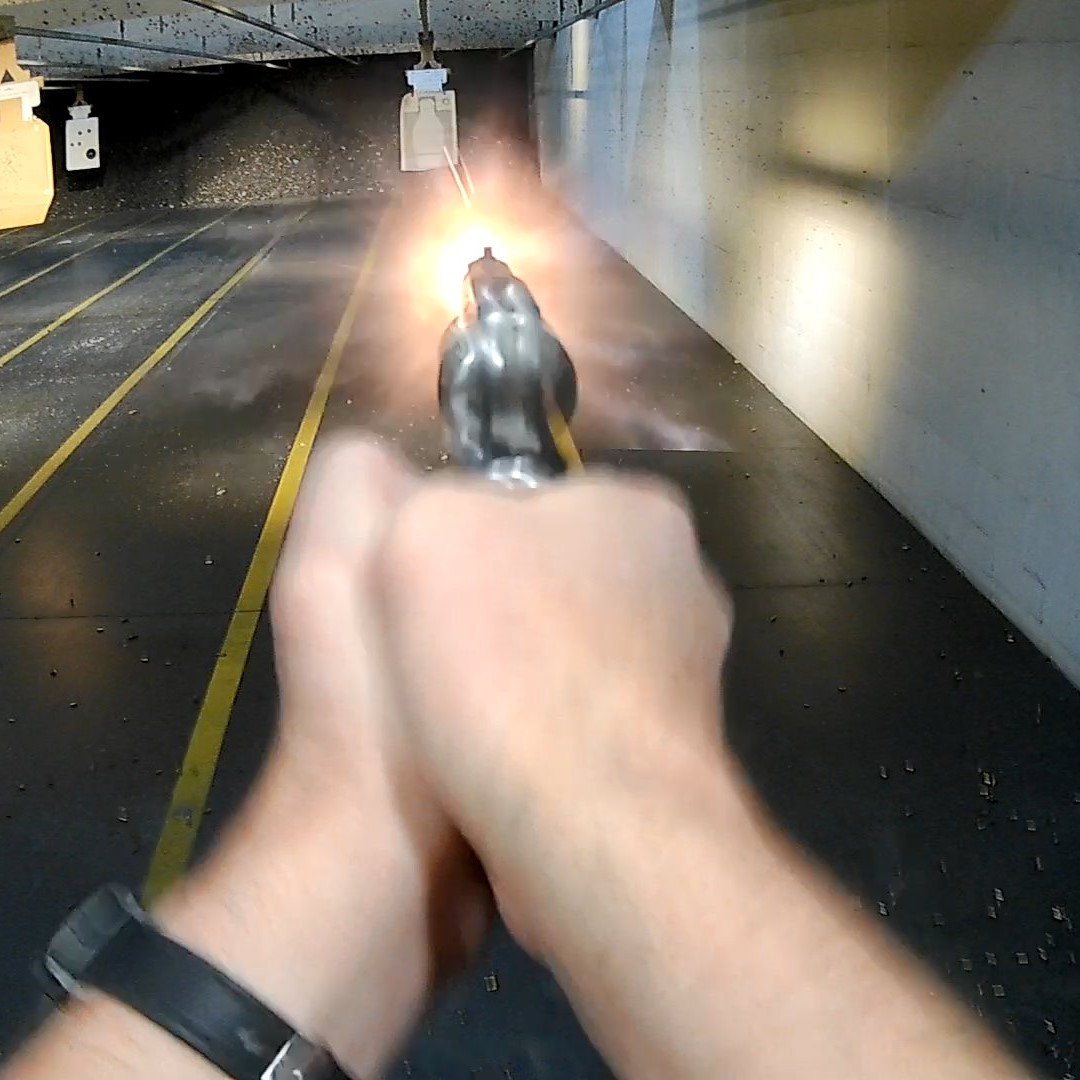
Although New Jersey made a strong try to keep people from getting their License To Carry, the qualification course itself is a decent practice regimen. It’s also a useful metric for measuring your skill periodically.
Try shooting it on an IALEFI-Q and score it by the rings. Center ring gets 5 points, next ring get 4 points, balance of the Q receives 3 points. Hits inside the face circle score 5 points. Anything outside the Q scores 0. A Possible would be 250 points (5 x50 shots). If you don’t have an IALEFI target, just trace around a paper plate in approximately the same place on your silhouette. Your scoring is then 5 points for the circle and 3 points for the rest of the silhouette.
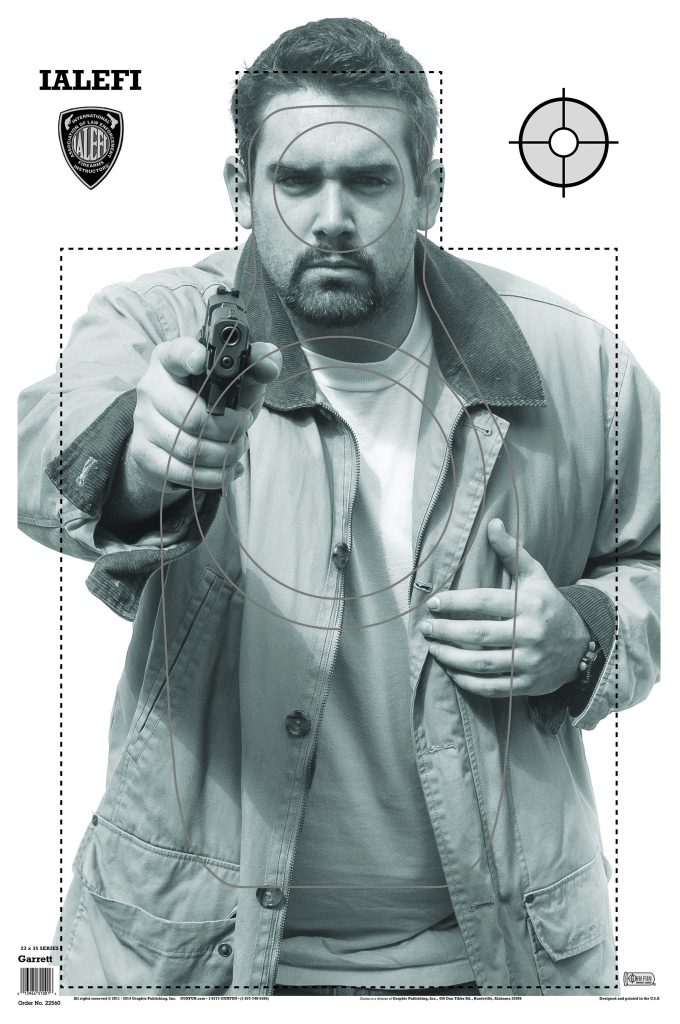
To make it a good tune-up and personal evaluation, shoot the course as a version of Jimmy Cirillo’s 1-2-3-6 drill. Instead of 6, fire 4 shots for the final string. Start loaded with 6 rounds only. Draw and fire 1 shot, reholster, draw and fire 2 shots, reholster, draw and fire 3 shots, reload, and immediately fire 4 shots. Bear in mind that the second most missed shot in shooting is the shot immediately following clearing a stoppage. The reality of transitioning back to trigger control after doing a gross motor manipulation can be tricky.
Since CCARE starts at 3 yards, at that distance shoot all face shots. Repeat the same sequence at 5 yards, 7 yards, 10 yards, and 15 yards but shoot for the 8 inch circle. After shooting each distance, tape your hits before moving to the next distance. At the end of the course of fire, place your pistol in whatever condition you wish to when you leave the range.
Although the CCARE is rather stringent for a CCW qualification, it has value as a practice regimen. It includes a minimum of 10 presentations to the target or 15 if you use the 1-2-3-4 sequence. There are multiple opportunities to practice reloading, and it’s highly manageable with wheelguns. Even J-Frames can work, just reload in a slightly different sequence. It’s a good use for a box of practice ammo.
 tacticalprofessor
You must be logged in to post a comment.