Small Gun Accuracy
#mousegunmonday
The Washington State Basic Covert Carry/Off-Duty Proficiency Course for Law Enforcement Officers includes shots out to 15 yards. This is perfectly workable with small guns like a Ruger LCP, even though it has a double action trigger.
Here’s my YouTube video of the Course of Fire.
If you would like to read more in-depth information about shooting and personal protection, consider subscribing to my Patreon page.

Close Quarters Handgun Training
My latest Shooting Illustrated article is posted.
https://www.shootingillustrated.com/content/close-quarters-handgun-training/
The topic is the ‘Close Quarters Handgun’ class I attended last month. It was taught by Chuck Haggard of Agile Training https://agiletactical.com/ and hosted by The Complete Combatant https://www.thecompletecombatant.com/.
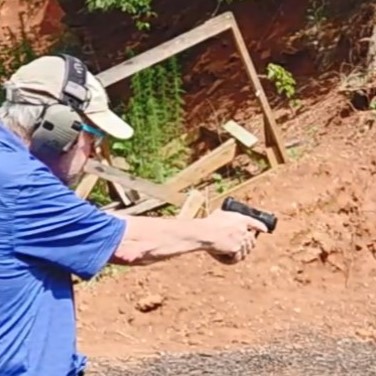
Fair disclaimers up front: Chuck, Shelley, and Brian are all dear friends of mine and I didn’t pay for the class; in fact, Chuck picked up my range fee. Furthermore, I shot the class with the HK CC9 https://hk-usa.com/cc9/ that HK gave me. Chuck called it my “stubby gun,” which it is. Almost everybody else was shooting full size service pistols, most with Red Dot Sights. That said, nobody is paying me for my comments.
If you are interested in more in-depth commentary about shooting and Personal Protection incident analysis, please consider subscribing to my Patreon page. https://www.patreon.com/c/TacticalProfessor
Practicing with a Snub Revolver
Favorite Five Shot Snub Revolver Courses of Fire
#wheelgunwednesday
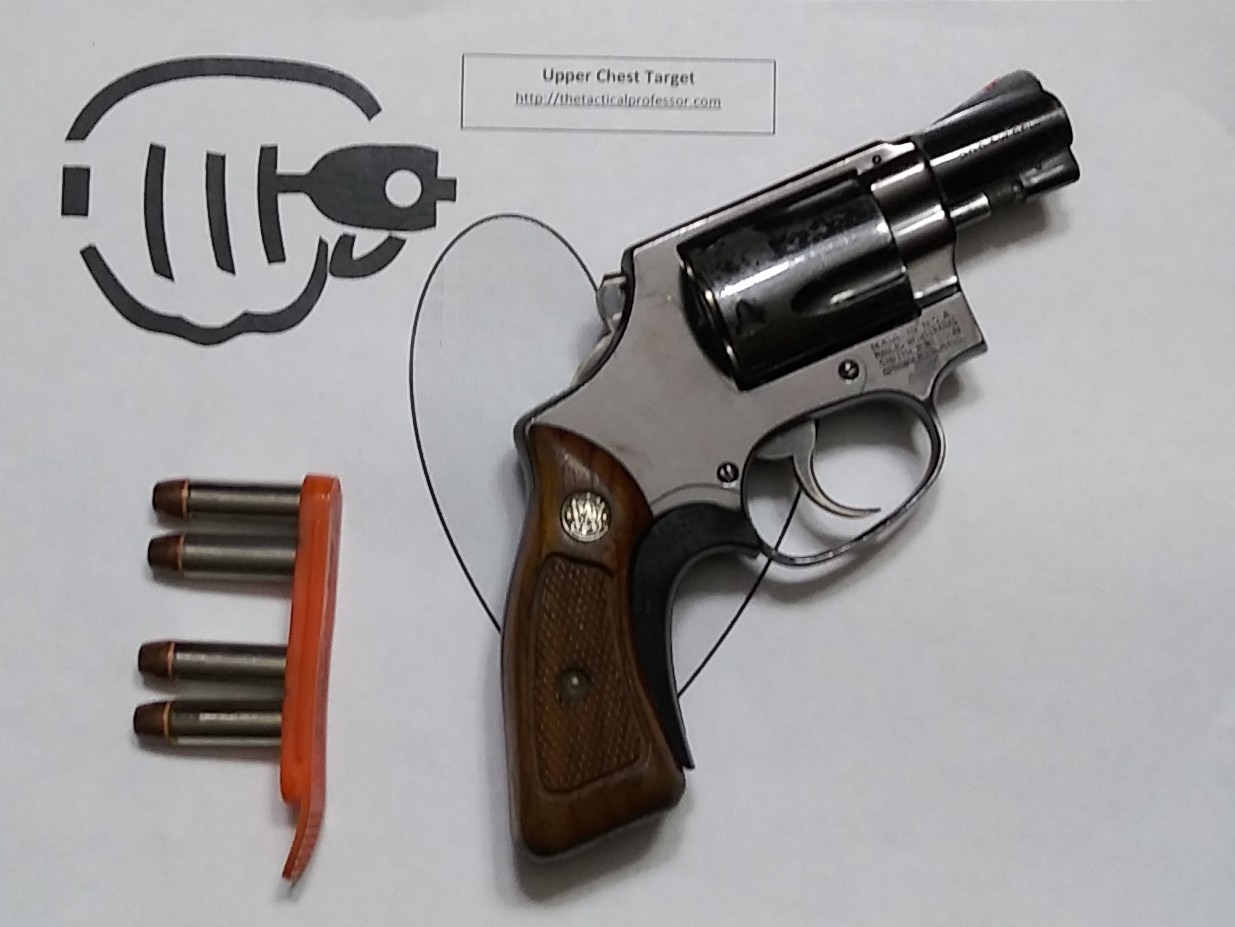
While some consider the five shot snub revolver passé, it is still a common self-defense tool and viable when used correctly. Using a snub correctly does require a bit of familiarity and practice, so here are some practice regimens that are appropriate for snubs and can be used at most indoor ranges. CCW Qualification Courses have value in that they provide structure for practice and a modest measure of skill determination. Note that simply shooting a CCW Qualification Course on your own DOES NOT mean you are authorized to carry a handgun in that area. Check the local laws for carry requirements.
All Courses of Fire are untimed. Any silhouette target can be used. When using the B-27 target, only count hits inside the 8 ring. For those who feel confident of their marksmanship ability, put a sheet of paper on the silhouette and only count hits on it.
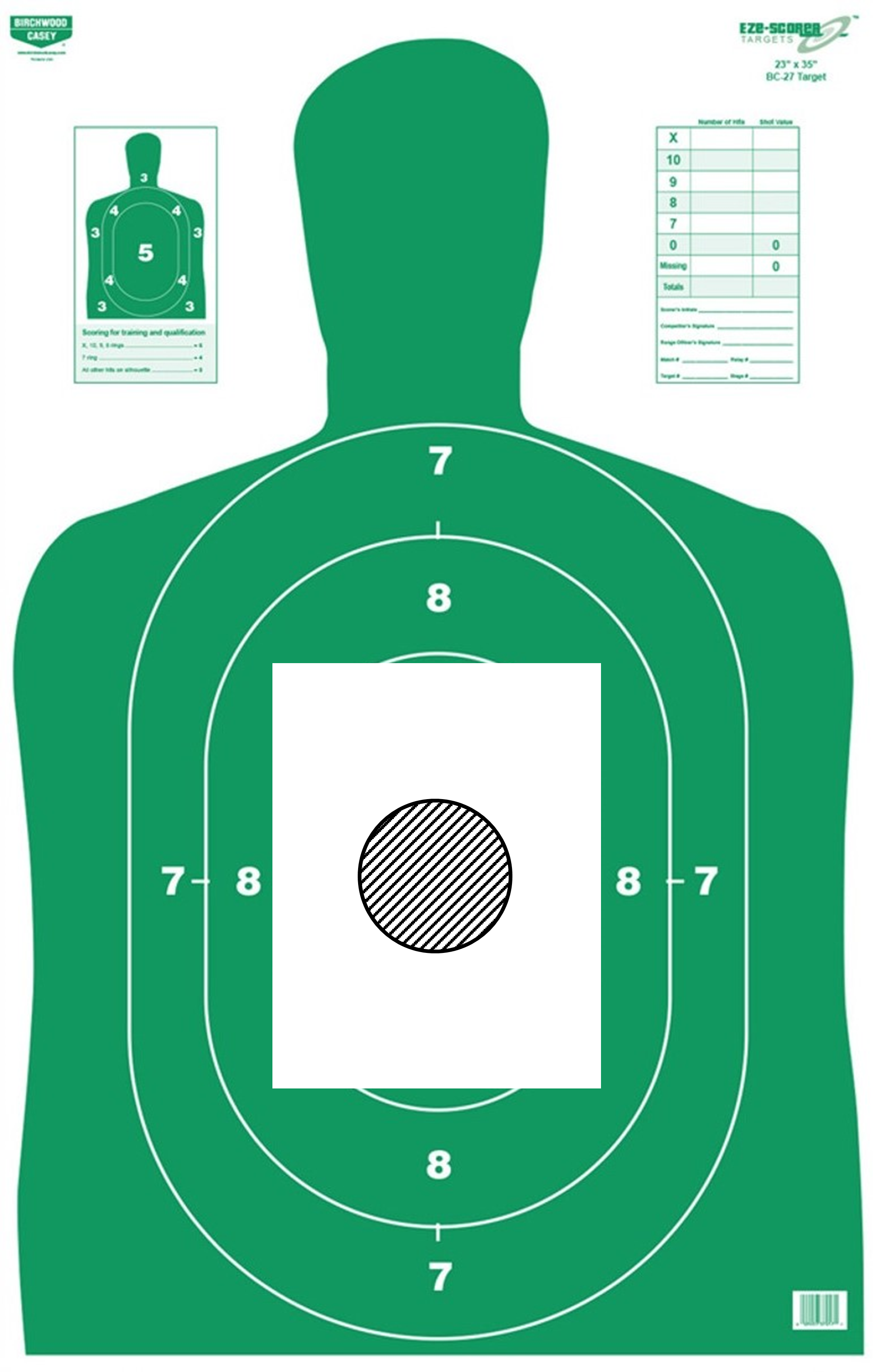
- New York State CCW Qualification Course – 5 rounds
- Silhouette at 4 yards.
- With an unloaded revolver, draw, snap at the target, and safely reholster. Draw the unloaded revolver, load with five rounds, and come to Low Ready. Fire five rounds at the target.
- Four of five rounds must hit the target to successfully qualify.
- Nevada CCW Qualification (5 shot revolver version) – 25 rounds
- Silhouette at 3 yards.
- Load with five rounds, and come to Low Ready. Fire five rounds at the target.
- Move Silhouette to 5 yards.
- Load with five rounds, and come to Low Ready. Fire five rounds at the target, reload, and fire five more rounds at the target.
- Move Silhouette to 7 yards.
- Load with five rounds, and come to Low Ready. Fire five rounds at the target, reload, and fire five more rounds at the target.
- Of the 25 rounds, 18 must hit the target to qualify.
- LAPD Retired Officer Qualification Course – 10 rounds
- Silhouette at 7 yards.
- Load with five rounds and reholster. Draw, shoot five rounds, reload, and shoot five more. If the range does not permit drawing from a holster, start from Low Ready.
- Seven of the 10 rounds must hit for a successful qualification.
- San Diego (California) Sheriff CCW Qualification Course – 15 rounds
- Silhouette at 7 yards.
- Load with five rounds, and come to Low Ready. Fire five rounds at the target.
- Move Silhouette to 5 yards.
- Load with five rounds, and come to Low Ready. Fire five rounds at the target.
- Move Silhouette to 3 yards.
- Load with five rounds, and come to Low Ready, holding the revolver in the Primary Hand Only. Fire three rounds at the target. Transfer the revolver to the Support Hand Only and fire two more rounds at the target.
- Of the 15 rounds, 13 must hit the target to qualify.
- Kansas Concealed Carry License Qualification Test – 25 rounds
- Silhouette at 3 yards.
- Load with five rounds, and come to Low Ready, holding the revolver in the Primary Hand Only. Fire five rounds at the target.
- Move Silhouette to 7 yards.
- Load with five rounds, and come to Low Ready with both hands. Fire five rounds at the target, reload, and fire five more rounds at the target.
- Move Silhouette to 10 yards.
- Load with five rounds, and come to Low Ready with both hands. Fire five rounds at the target, reload, and fire five more rounds at the target.
- Eighteen of the 25 rounds must hit the target to qualify.
Trigger manipulation practice is enhanced if after firing a shot, we open the cylinder, spin it, and then close it without looking at the round placement. Only fire one shot after closing the cylinder and then open and spin it again. As the rounds become fired, we will encounter fired cases as we press the trigger. By watching the sights carefully as we press the trigger, any jerking of the trigger will be obvious. These dummy snaps are where we learn to press the trigger smoothly.
Although reloading can be done with loose ammunition from a box of ammo, it’s more useful to have some kind of loading device. Using a loading device gives some practice at reloading the revolver under some conditions of stress. The snub shooting organization Snub Noir https://snubnoir.com/ uses three devices in their matches. They are looped ammunition carrier, flexible loading strip, and speed loader. Other possibilities are 2x2x2 ammo pouch and dump pouch for loose ammunition.
These Courses of Fire don’t have to be shot all at once. At the point of feeling fatigued or bruised from recoil, pack it up, and call it a day. Have fun with your practice and you’ll be more inclined to do it more often.
The Demi-Practical Event
#wheelgunwednesday
Caleb Giddings of Taurus inspired me to design a Course of Fire derived from the Bianchi Cup Practical Event. I wanted something that wouldn’t demoralize newer shooters by making them shoot a demanding par time course at a long distance though.
The Bianchi Cup https://thecmp.org/competitions/cmp-pistol-program/cmp-bianchi-cup/ is being shot now at the Green Valley Rifle & Pistol Club in Missouri. The Cup goes back to 1979 and it is one of the most prestigious and lucrative shooting contests in the world. There are four Events at Bianchi, The Practical being one of them. It consists of 48 shots. There are 4 stages, fired at 10, 15, 25, and 50 yards, with 3 series of 2, 4 and 6 shots in each stage. Two targets are set up 1 yard apart, each having a four inch X Ring and a 10 point scoring ring 8 inches in diameter. The target is much larger overall but a competitor who sends more than one or two hits of the 48 outside the 10 ring doesn’t have a chance. The X Ring is to break ties.
Three series are shot at each distance. One shot on each of the targets, two shot on each target, and three shots on each target. At 10 yards, the three shot series is fired with the Support hand after drawing and transferring the pistol from the Primary hand to the Support hand. A nice thing about Bianchi is that it is six shot revolver neutral and there is no reloading on the clock.
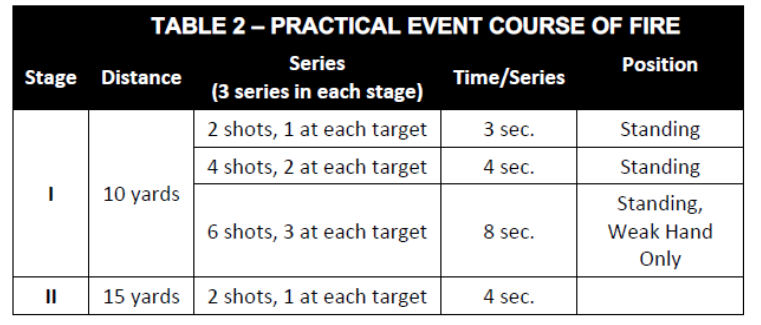
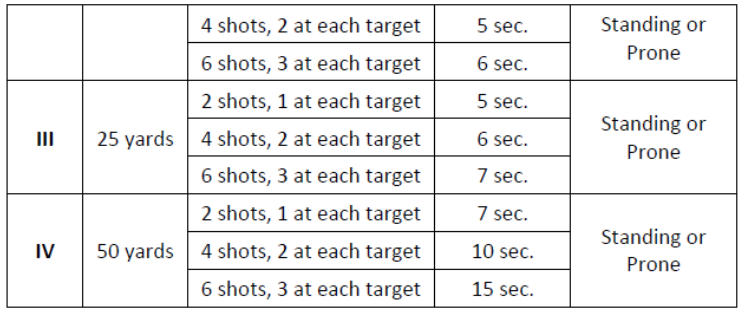
Since shooting a pistol at 50 yards would be soul crushing to most shooters, the Event I created is called the Demi-Practical, demi- meaning half https://www.merriam-webster.com/dictionary/demi-. The 50 yard stage is eliminated and the other distances are halved. This gives us a 36 round Event shot at 5 yards, 7 yards, and 12 yards. The Support hand shooting is changed to Primary hand only shooting with a time change to 6 seconds since there is no hand transfer. All shooting is done from the Standing position.
Since the AP1 is not a common target commercially, I substituted the IDPA target. Points down scoring works fine as a practical marksmanship metric. Par timing makes it easier to administer and score.
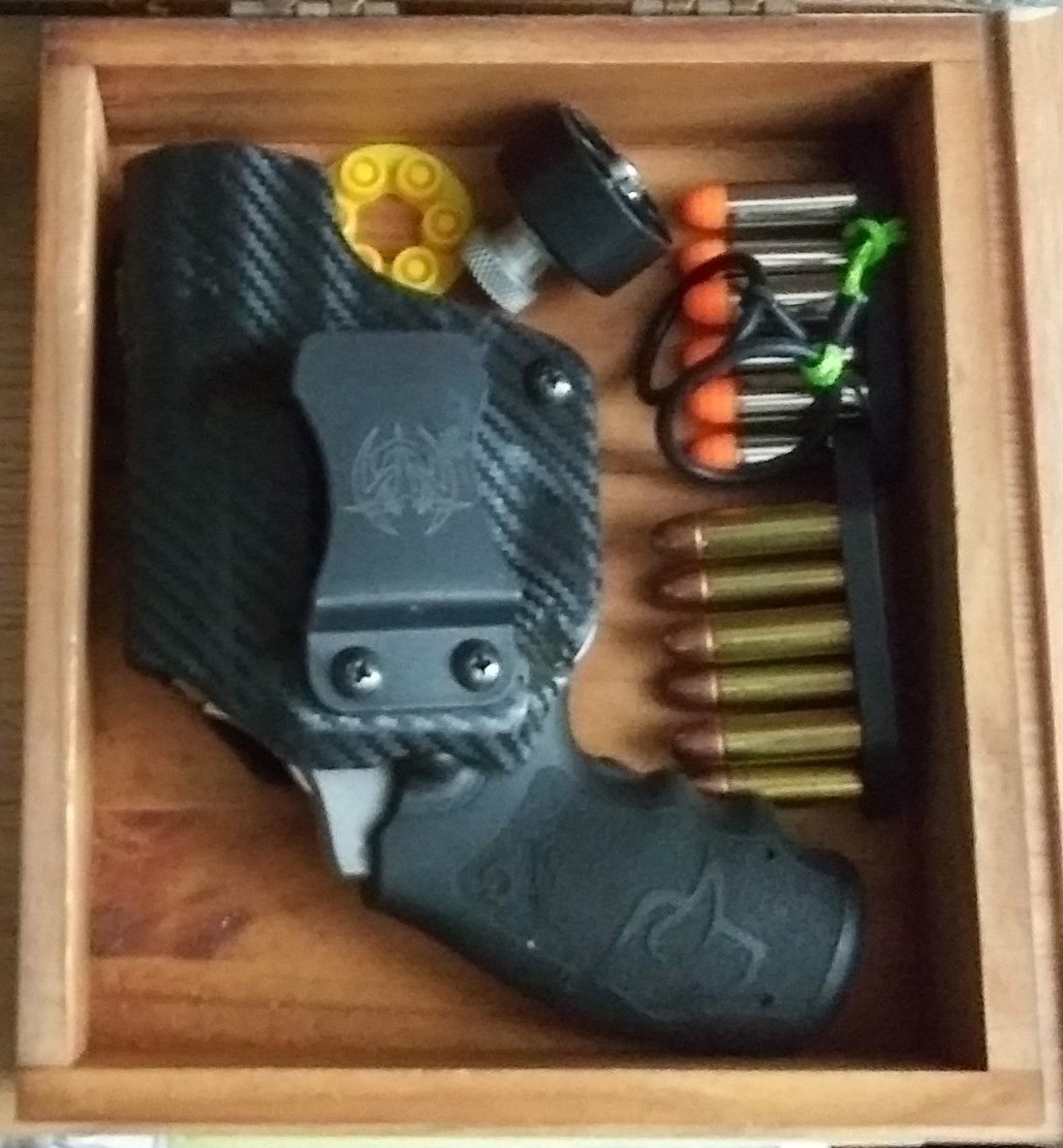
Today was a beautiful day so I took the opportunity to go shooting. My Taurus 856 snub was one of the test subjects.
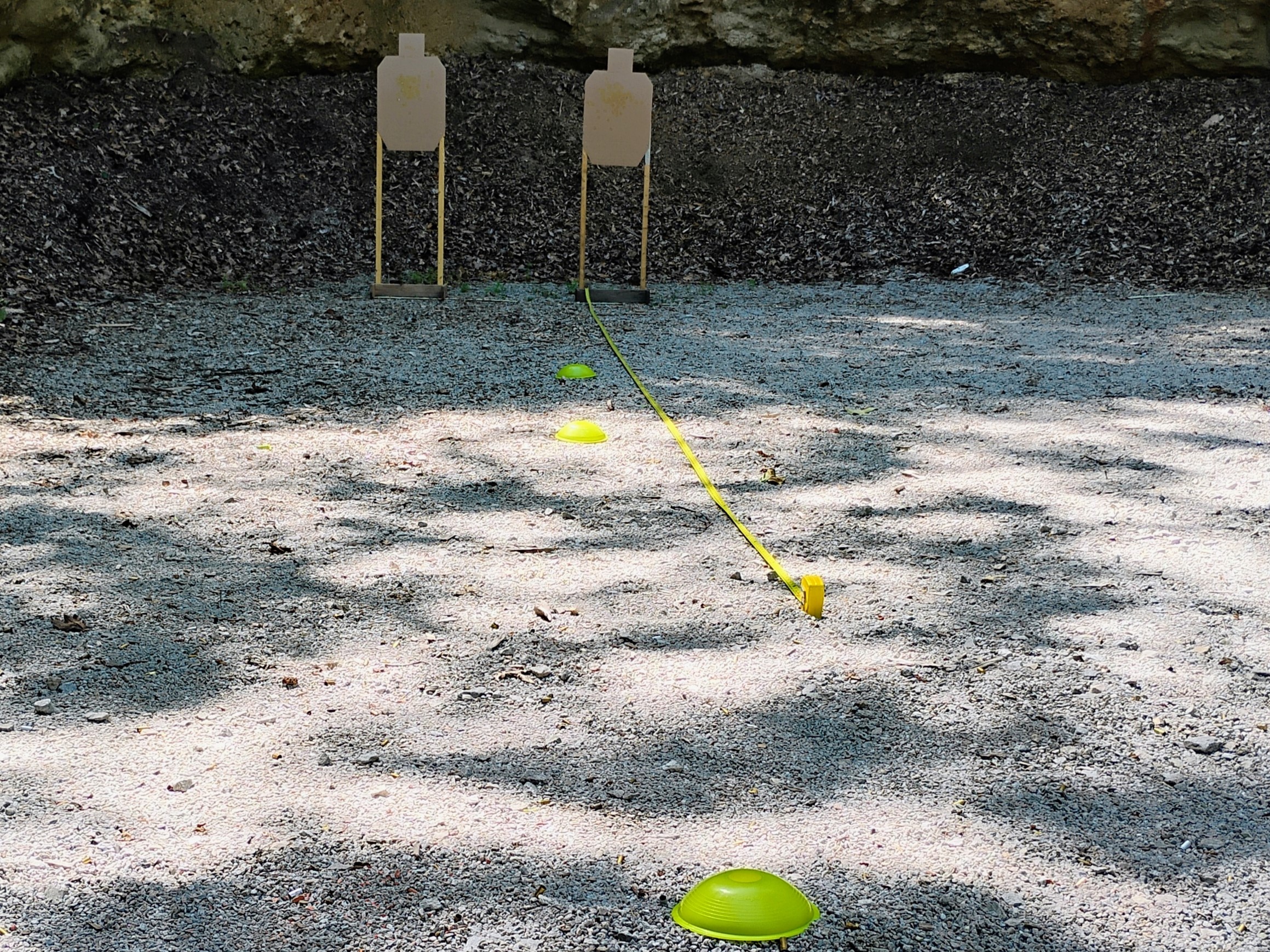
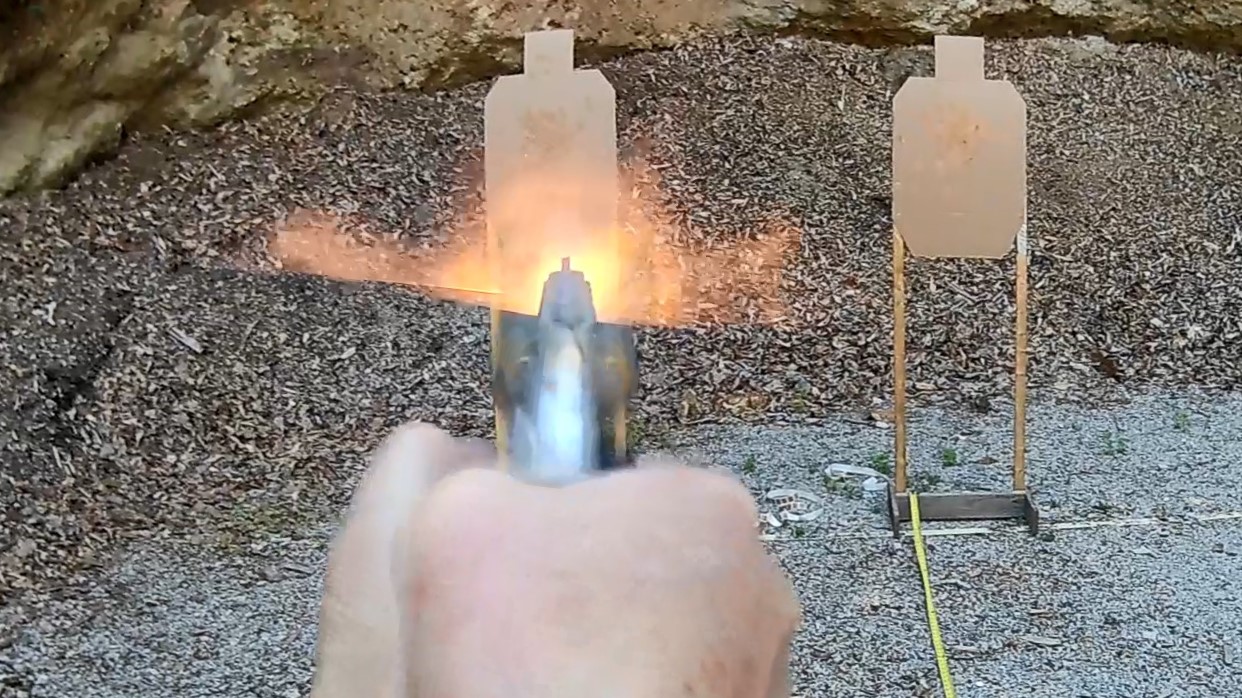
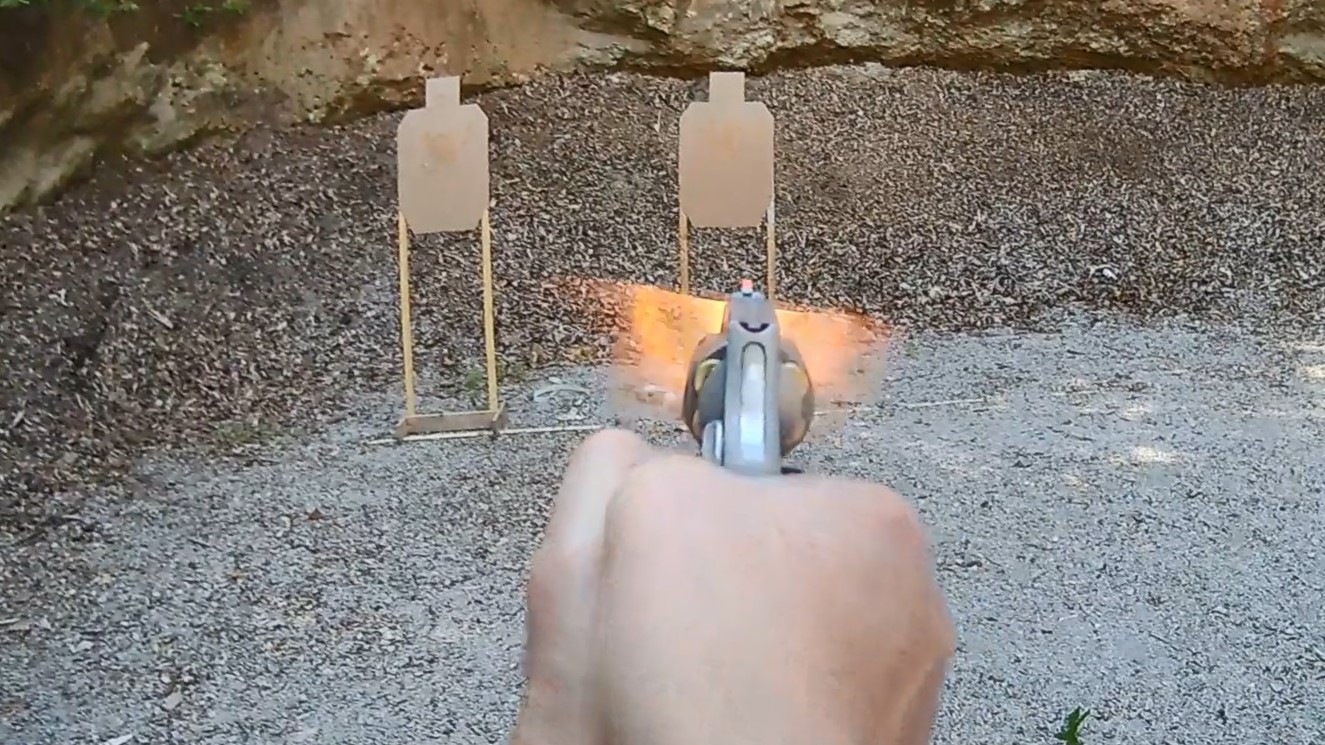
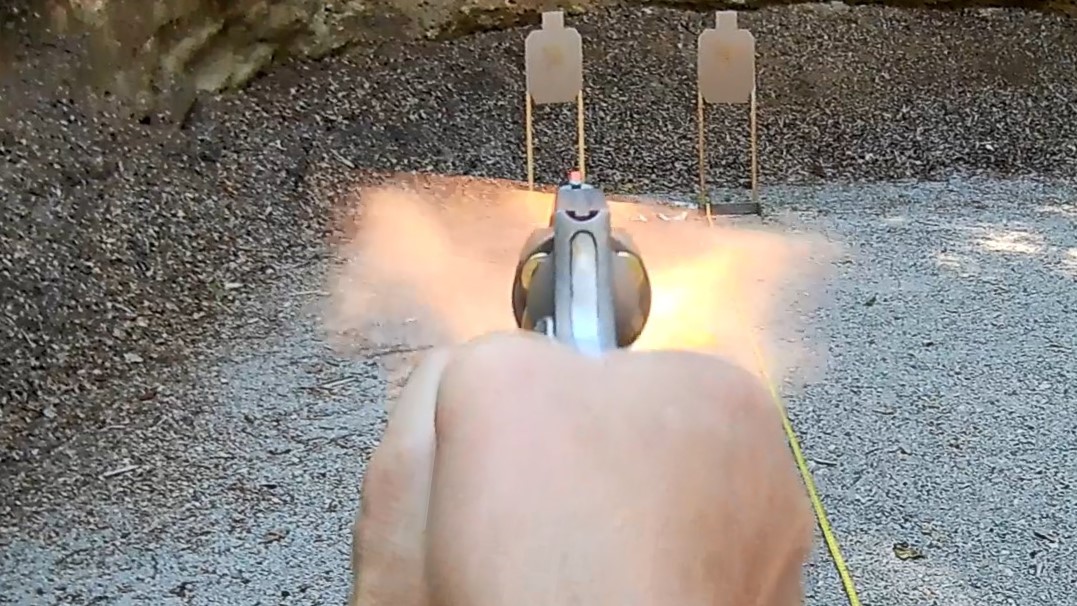
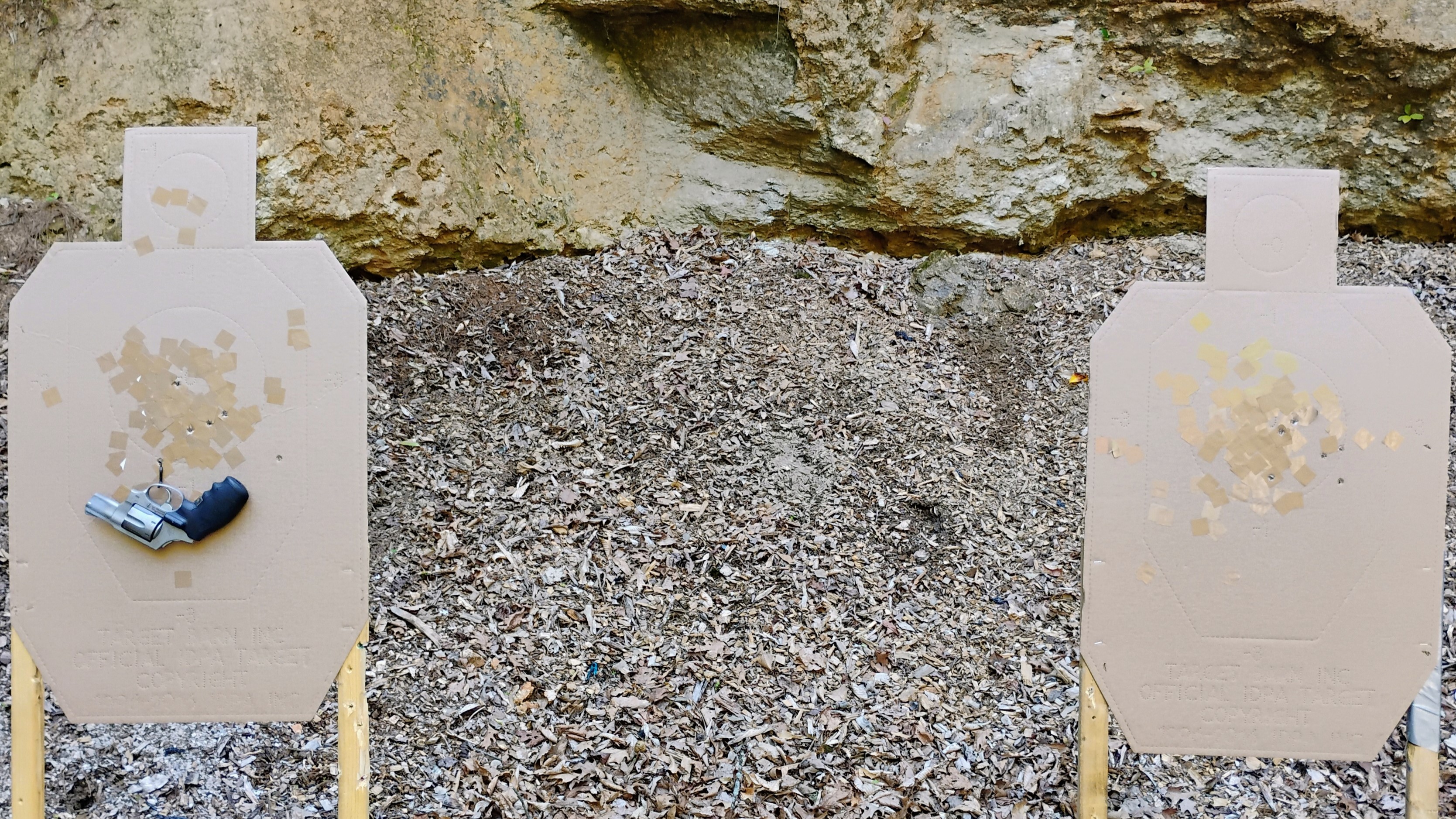
At 5 yards, I was 2 points down on the right target. At 7 yards, I was able to shoot both clean. At 12 yards, I was 1 point down on each target.
I had a good time shooting it. You might enjoy shooting it, too.
Taking the First Steps Pistol Orientation
My latest article on Shooting Illustrated is posted.
https://www.shootingillustrated.com/content/taking-the-first-steps/
Wisely, the NRA Education & Training Division resurrected the First Steps Pistol Orientation after dropping it for a few years. Most people who purchase their first gun aren’t particularly interested in learning a lot about guns in general. They want to know how to operate their gun. First Steps is an excellent format to learn about it.
First Steps isn’t a tactical course nor does it need to be. The phrase Crawl, Walk, Run is frequently forgotten in our community and it shouldn’t be.
Periodic Personal Evaluation
#saturdayskillsczech
My December article for Shooting Illustrated is entitled Near to Far Marksmanship Practice.
https://www.shootingillustrated.com/content/near-to-far-marksmanship-practice/
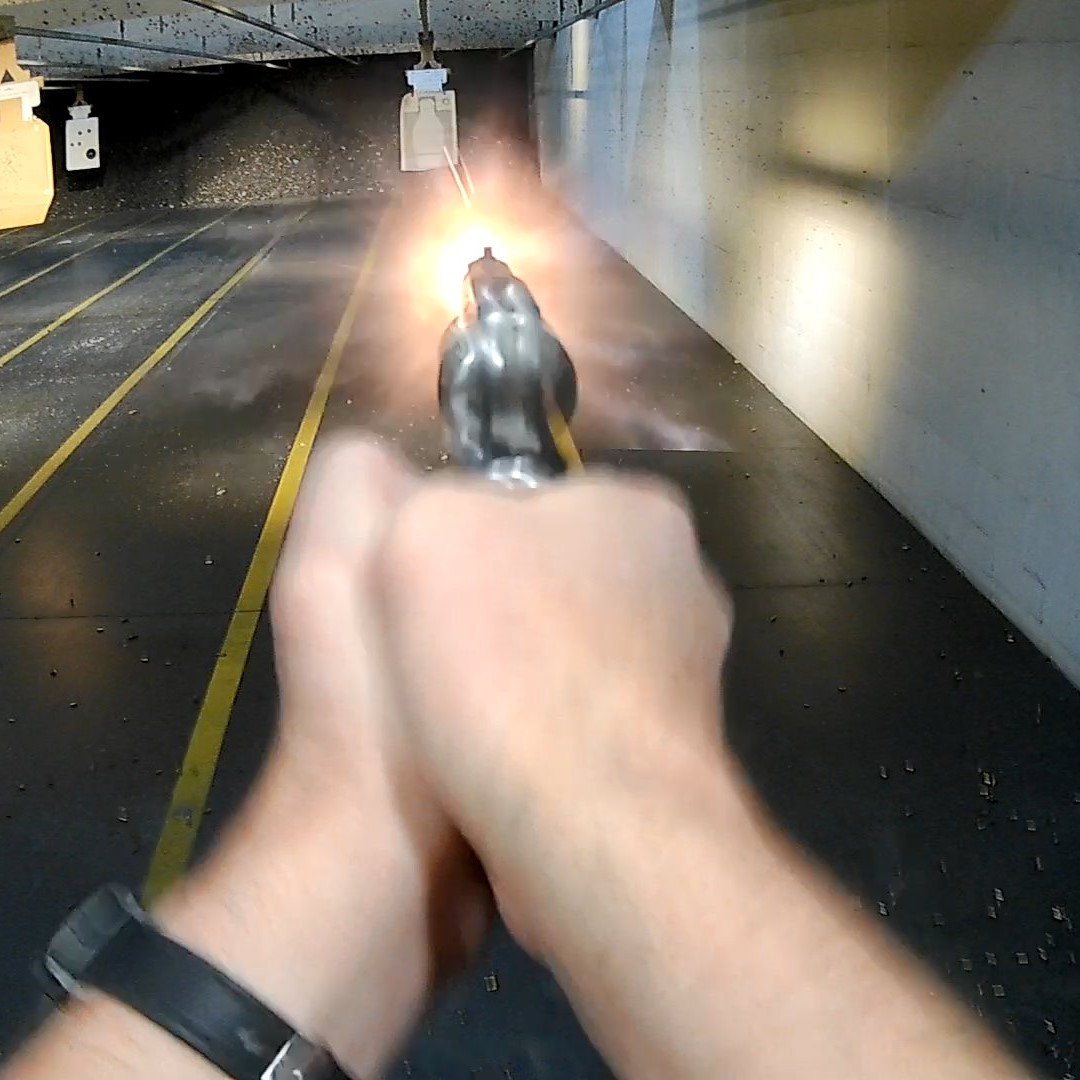
Although New Jersey made a strong try to keep people from getting their License To Carry, the qualification course itself is a decent practice regimen. It’s also a useful metric for measuring your skill periodically.
Try shooting it on an IALEFI-Q and score it by the rings. Center ring gets 5 points, next ring get 4 points, balance of the Q receives 3 points. Hits inside the face circle score 5 points. Anything outside the Q scores 0. A Possible would be 250 points (5 x50 shots). If you don’t have an IALEFI target, just trace around a paper plate in approximately the same place on your silhouette. Your scoring is then 5 points for the circle and 3 points for the rest of the silhouette.
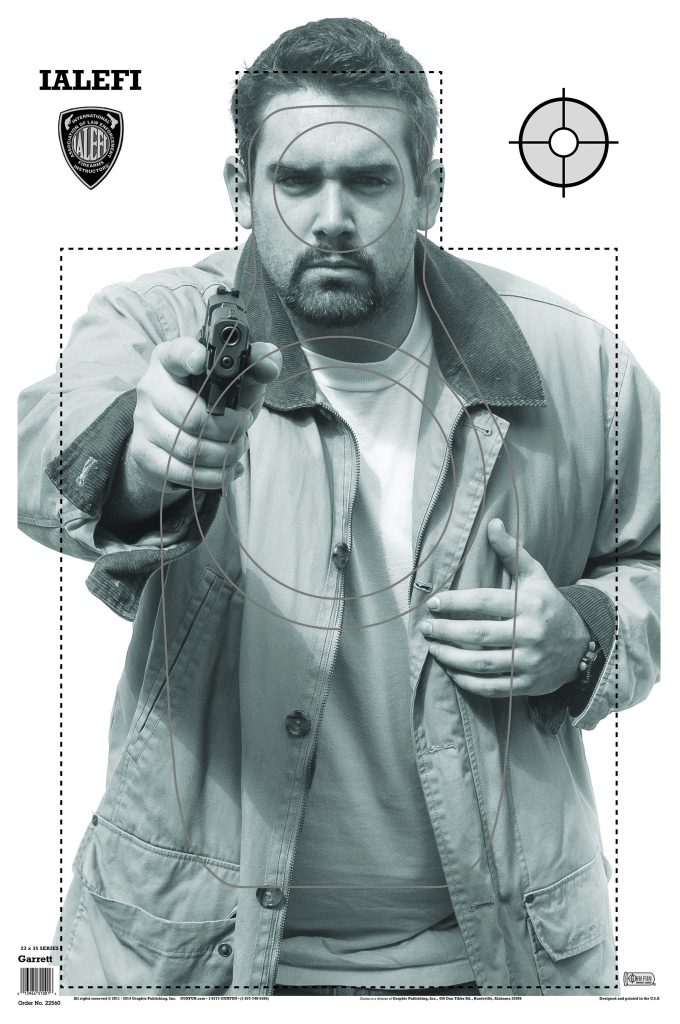
To make it a good tune-up and personal evaluation, shoot the course as a version of Jimmy Cirillo’s 1-2-3-6 drill. Instead of 6, fire 4 shots for the final string. Start loaded with 6 rounds only. Draw and fire 1 shot, reholster, draw and fire 2 shots, reholster, draw and fire 3 shots, reload, and immediately fire 4 shots. Bear in mind that the second most missed shot in shooting is the shot immediately following clearing a stoppage. The reality of transitioning back to trigger control after doing a gross motor manipulation can be tricky.
Since CCARE starts at 3 yards, at that distance shoot all face shots. Repeat the same sequence at 5 yards, 7 yards, 10 yards, and 15 yards but shoot for the 8 inch circle. After shooting each distance, tape your hits before moving to the next distance. At the end of the course of fire, place your pistol in whatever condition you wish to when you leave the range.
Although the CCARE is rather stringent for a CCW qualification, it has value as a practice regimen. It includes a minimum of 10 presentations to the target or 15 if you use the 1-2-3-4 sequence. There are multiple opportunities to practice reloading, and it’s highly manageable with wheelguns. Even J-Frames can work, just reload in a slightly different sequence. It’s a good use for a box of practice ammo.
Pushing The Limits of Smaller Guns
#LCPproject
Pushing The Limits of Smaller Guns is my October 2024 article in Shooting Illustrated.
https://www.shootingillustrated.com/content/pushing-the-limits-of-smaller-guns/
I shot the entire program with my Ruger LCP Max, which I bought with my own money. The gun is stock out of the box.

The results contradict the myth that smaller guns as being suitable for only “arm’s length” encounters. Pictures tell the story of the results of the three courses that were shot.
Kansas Concealed Carry License Qualification
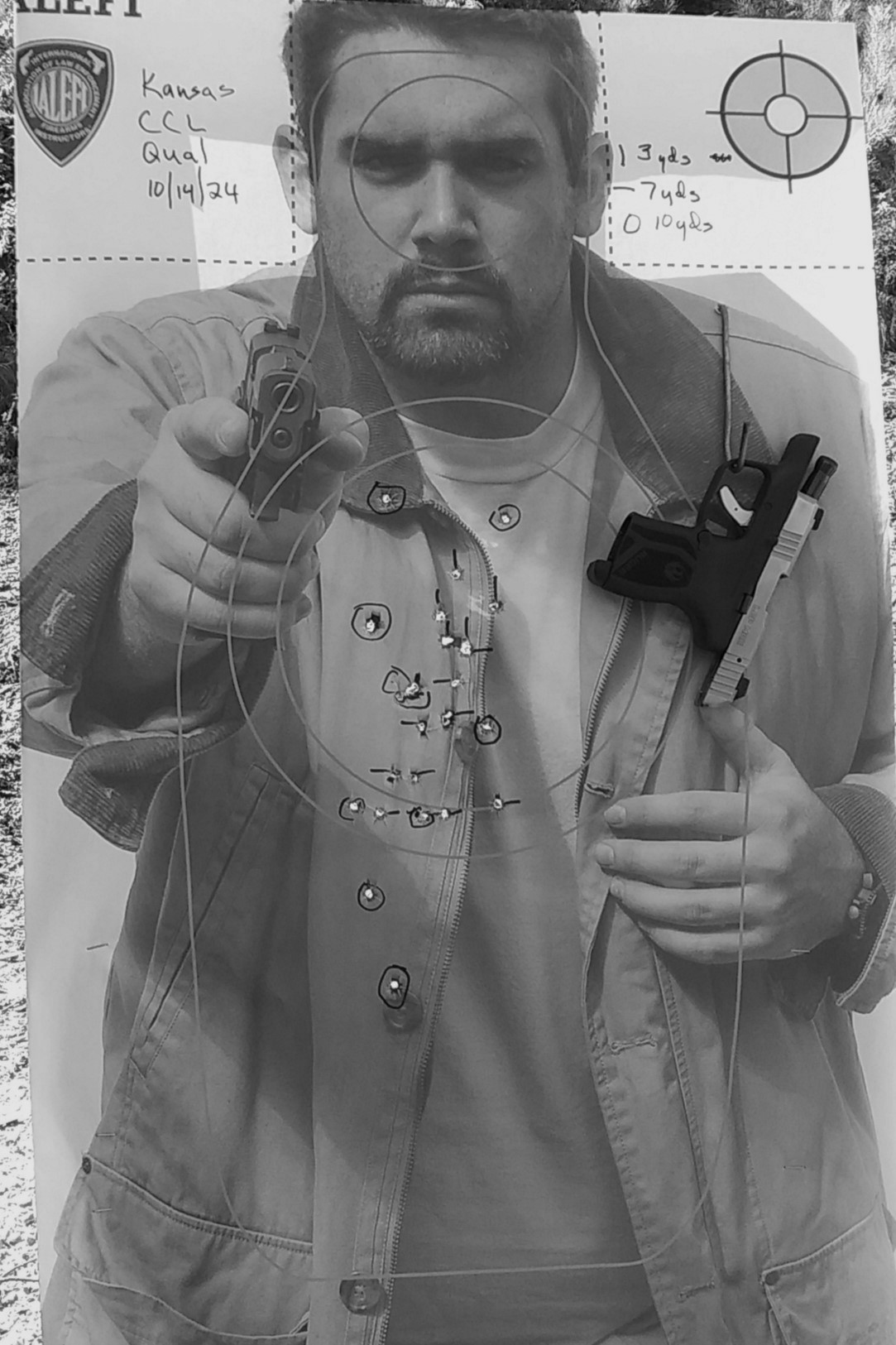
Twenty-five hits out of 25 shots. Pass.
Shootist’s Challenge

All hits inside the square, two hits on the stamp. ‘Good’ by Wild Bill and fellow Shootists’ standard.
Bakersfield Police Qualification

Bakersfield Stage Times
- 2.01
- 2.27
- 6.96
- 2.78
Bakersfield Scores
- 10 point (A) zone – 7 70 points
- 9 point (C) zone – 2 18 points
- 6 point (D) zone – 1 6 points
94 points total – Pass
It’s only an “arm’s length gun” if you’re don’t know how to shoot it.
If you like my work, join me on Patreon where I post more in-depth articles about shooting, marksmanship, and incident analysis.
Practicing With Small Handguns
My latest article for Shooting Illustrated is up. This one has a good 50 round practice session for small guns such as the LCP and J frames.

https://www.shootingillustrated.com/content/practicing-with-small-handguns/
If you like my work, join me on Patreon where I post more in-depth articles about shooting, marksmanship, and incident analysis.
Gunfighter Challenge
#fridayfundamentals
James Butler Hickok, better known as ‘Wild Bill’ Hickok, https://en.wikipedia.org/wiki/Wild_Bill_Hickok# was murdered on August 2, 1876. https://www.legendsofamerica.com/we-jackmccall/ He was one of the best known of the Old West gunfighters and his shooting prowess was well recognized. But what did being a ‘good shot’ exactly mean in those days?
The American Mercury, a now defunct magazine, published an article in October 1937 titled “The Myth of the Two-Gun Man.” In it was a first hand account of what the Old West gunfighters actually considered ‘good’ shooting. The account came from Luther North, a contemporary of Wild Bill’s, and it is a far cry from hip shooting and unsighted fire.
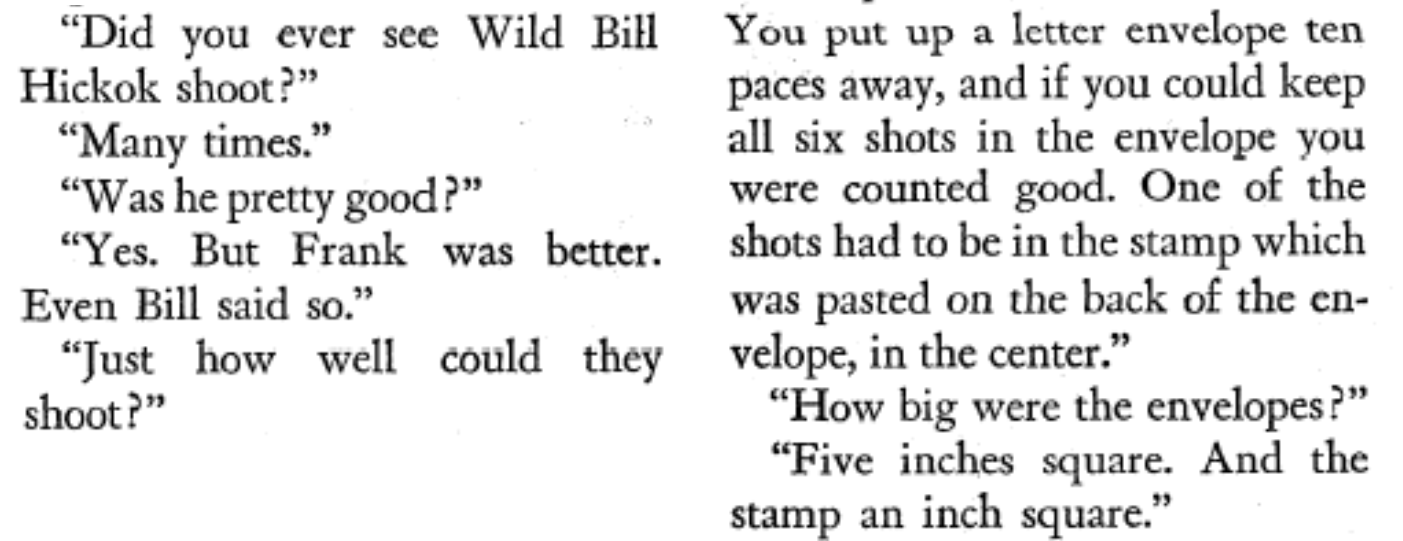
Frank was Luther’s brother Major Frank North, https://en.wikipedia.org/wiki/Frank_North another contemporary of Wild Bill’s. So the gunfighters’ test was six shots at 10 yards using the Primary Hand Only, untimed. To be considered ‘good,’ the gunman had to hit all six shots in a 5 inch square target. At least one of the six had to hit an unseen one inch square dead center of the target. That’s an interesting contrast to the mythology of the Wild West gunfight.
Put on a sheet of paper, it would look like this.

A PDF of the target is attached. This short challenge is easily shot at almost any indoor range. Try it out and see how your marksmanship compares to an Old West gunfighter like Wild Bill.
If you like my work, please join me on Patreon where I post more in-depth articles about shooting, marksmanship, and incident analysis.
Recoil Management and Trigger Manipulation
#fridayfundamentals
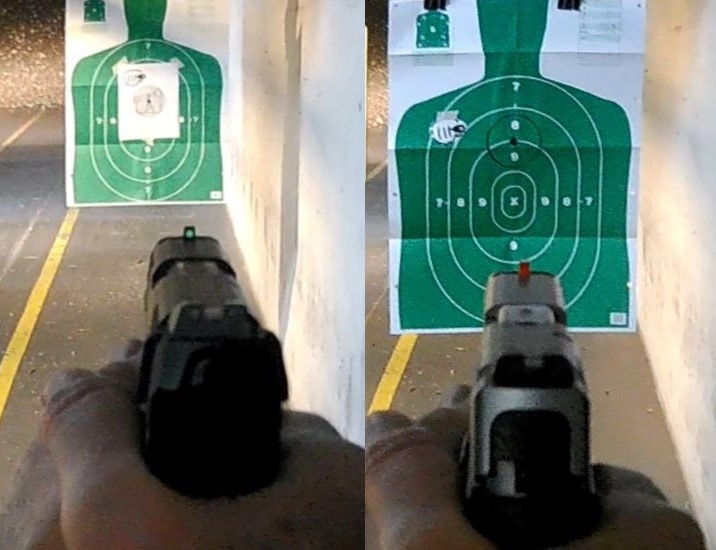
“The purpose of the drill is to practice recoil management and trigger manipulation.”
https://www.shootingillustrated.com/content/jim-cirillo-s-1-2-3-6-drill/
Sometimes we take things for granted. A more thorough explanation would have been that for each shot, the shooter does four things in sequence.
- Acquire an acceptable sight picture
- Press the trigger smoothly and fire
- Reset the trigger in recoil while the sights are returning to the target
- Take up the slack in the trigger as the sights settle on the target, and finally
- When an acceptable sight picture is acquired, smoothly press the trigger to fire again
If you like my work, join me on Patreon where I post more in-depth articles about shooting, marksmanship, and incident analysis.


You must be logged in to post a comment.