Serious Mistakes – Unintentional Discharges (Part II)
The Unintentional Discharge (UD) into the Florida Representative’s office Bullet fired into Representative’s district office, which caused six people to UNsubscribe from my blog, provides a good backdrop for further exploration of the topic of Unintentional Discharges. Part I Serious Gunowner Mistakes – Unintentional Discharges (Part I) began the discussion of definitional issues. This post will explore the categories of UDs in Serious Mistakes and make some observations about preventing this undesirable phenomenon.
Serious Mistakes Gunowners Make divides Unintentional Discharges into three categories. There’s a fourth category that needs to be added because of its implications and long term effects. The first category in Serious Mistakes is UDs that cause some kind of property damage. The shot into the Representative’s office is an example of this. No one was physically injured but there was obvious property damage. Coming into your office and finding a bullet hole in the wall is not how anyone wants to start their day. Such a discharge can occur in tactical situations with undesirable results. The LAPD Board of Police Commissioners refers to these as “Tactical Unintentional Discharges (TUD).”
http://lapd-assets.lapdonline.org/assets/pdf/032-20%20PR%20(TUD).pdf
According to Officer A, after stopping his/her police vehicle near the location of the call, he/she utilized his/her left hand to open his/her door and remove his/her safety belt while simultaneously utilizing his/her right hand to unholster his/her handgun. Once the handgun was out of its holster, he/she held it in front of his/her body in a close-contact position, while simultaneously using his/her left hand to grab the top of the pistol’s slide. He/she did this in order to safely control the handgun with his/her left hand while freeing his/her right hand to place the vehicle in park and turn off the ignition. After turning off the ignition, Officer A began exiting the vehicle while simultaneously transitioning the handgun back into his/her right hand. As he/she did so, he/she unintentionally placed his/her finger on the trigger, causing the handgun to discharge a single round into the driver’s door.
LAPD Board of Police Commissioners
Don’t think that TUDs are limited to POlice service only. The recent episode of the attempted home invasion in California where the assailant peed his pants is a good example. While narrating the video of the incident, the homeowner stated “That was a misfire” when referring to the first shot of the gunfight. It wasn’t a ‘misfire,’ it was an Unintentional Discharge and it escalated what had been a verbal confrontation into a gunfight.
The second category is self-inflicted gunshot wounds. The pictures and videos of such unfortunate incidents are so numerous that they can’t even be listed adequately. This article https://theweek.com/articles/467814/8-famous-people-who-accidentally-shot-themselves lists nine celebrities who unintentionally gave themselves lead injections. Within the gun community, Tex Grebner is one of the most famous self-shooters. Tex deserves credit for admitting his mistake and posting a cautionary video about it.
The worst of these three categories is Unintentional Shootings. This doesn’t mean Mistaken Identity Shootings but rather when an Unintentional Discharge results in injury or death to another person. The repercussions of such an incident can be severe. A very sad incident recently occurred in Oklahoma in which a boy was ‘playing with a pistol’ in his living room and had a UD. The bullet travelled through the wall to the adjacent room and struck his mother in the head, killing her instantly. The boy was so distraught that he then went outside and killed himself with the same pistol. https://people.com/crime/oklahoma-teen-accidentally-killed-mother-playing-with-gun-then-died-suicide/ Interior walls in most homes are as bullet resistant as a sheet of paper, which is to say, not at all.
A fourth category needs to be added to the Second Edition. It is UDs that cause no reportable property damage. For instance, at a range into the walls, ceiling, backstop, or off into the sunset. This is probably the most common UD of them all, occurring thousands of times EACH DAY. The major problem with these non-reportable UDs is that they insidiously create a ‘practice scar.’ That scar is the subconscious thought that UDs don’t have consequences. The scar is a bigger problem than is generally realized.
Best Practices to prevent Unintentional Discharges and minimize damage
Practice keeping the finger outside and above the trigger guard whenever you’re not prepared for the gun to fire. Rule 3, keep your trigger finger above the trigger guard as a default position. Placing the finger on the front of the trigger guard used to be considered acceptable but we have come to understand that it’s not much better than being in the trigger guard.
“That was a misfire” from the California ‘Home Invader Pees His Pants’ incident most likely resulted from having his finger in the trigger guard while chambering a round.
For guns that are not carried in a holster, some form of tactile indicator, e.g., Velcro, is worthwhile as an aid to keeping the finger in the proper position.
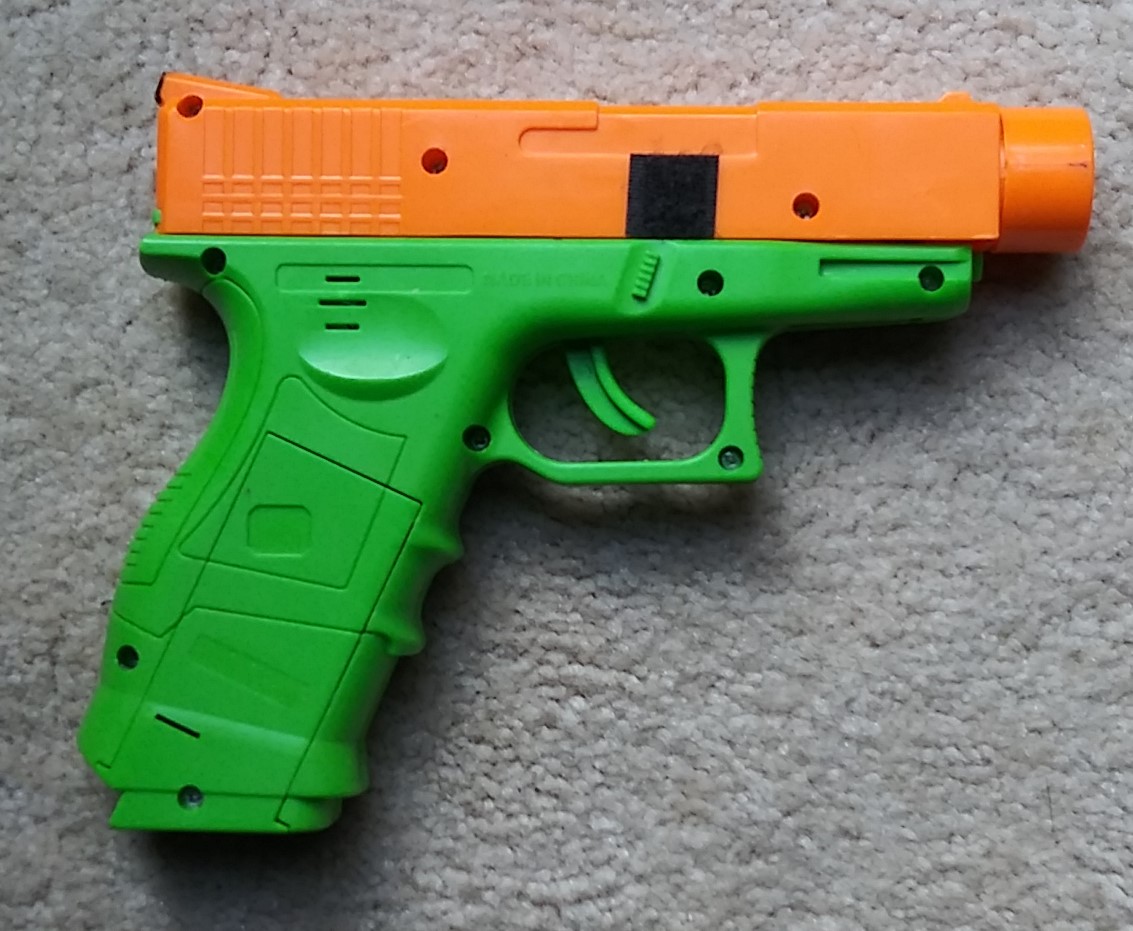
Smith & Wesson’s SD9VE is factory equipped with a tactile indicator above the trigger guard. This is a feature more manufacturers should emulate.

Muzzle direction is the primary safety. Always has been, always will be.
–Bill Rogers
Practice muzzle awareness at all times. Rule Two, keep guns pointed in the safest possible direction. Parts of your body or other people’s bodies are not on the list.
Complacency injures and kills. Many otherwise good and informative videos are ruined by lack of muzzle awareness.


The recent video of a Fourth World person shooting his hand during a wedding is an excellent example of why keeping the muzzle away from our hands is a best practice. The aftermath shown in the video is gory but this is the moment that immediately precedes the UD.

He removed the pistol from the holster, chambered a round, and then fired a shot in the air immediately before this. Most likely because he uses chamber empty carry, he forgot that removing the magazine after firing a round does not clear the chamber. As a consequence, his left hand will never be the same again.
Firearms are relentlessly unforgiving of carelessness, just like electricity. We don’t stick our fingers in electrical sockets “even when it’s not plugged in” because we learn at any early age that electricity, while a useful servant, can also kill. Firearms need to be given the same respect for the same reason.
Tactical Professor books (all PDF)
- Thinking Clearly about Self-defense and Personal Protection https://www.payloadz.com/go?id=3377208
- Real Shootouts of the LAPD https://realshootoutsofthelapd.com/
- Serious Mistakes Gunowners Make http://seriousgunownermistakes.com
- Indoor Range Practice Sessions http://indoorrangepracticesessions.com
- Concealed Carry Skills and Drills http://concealedcarryskillsanddrills.com
- Advanced Pistol Practice http://bit.ly/advancedpistolpractice
- Shooting Your Black Rifle http://shootingyourblackrifle.com
- Package deal of Thinking Clearly about Self-defense and Personal Protection, Serious Mistakes, Indoor Sessions, Concealed Carry, and Shooting Your Black Rifle (50% off) https://store.payloadz.com/details/2644448-ebooks-sports-shooting-drills-package.html
Note that Serious Mistakes Gunowners Make is included with the purchase of any other book.
Bullet fired into Representative’s district office
Rep. Spencer Roach’s district office staff returned to work Monday to find a bullet hole in the building.
The shot entered the office feet from Roach’s desk.
https://floridapolitics.com/archives/445238-bullet-hole-found-at-spencer-roachs-district-office/
Negative Outcome.
Bloody Violent Battle in Barbershop
From the ARMED CITIZEN AUGUST 2021 page of the NRA Official Journals:
On the evening of May 21, a 33-year-old man walked into a barber shop in Riverside, Calif., apparently intent on causing harm. According to the Riverside Police Department, the suspect, an ex-employee, started a fight with a former co-worker. During the fight, the suspect stabbed one of the male barbers, and, when a second employee tried to intervene, he was also stabbed. However, one of the victims was able to retrieve his firearm and shoot the attacker. The suspect was taken to the hospital, where he was pronounced dead by the coroner. The two stabbing victims’ injuries reportedly were not life-threatening and deputies said they considered the shooting to be a case of self-defense. (losangeles.cbslocal.com and pe.com, Riverside, Calif., 5/21/21)
The original story is here.
https://www.pe.com/2021/05/22/man-stabs-2-barbers-in-riverside-before-victim-shoots-him-to-death/
Armed Citizen Task Analysis
- Retrieve from Storage (handgun)
- Implied task – avoid menacing others with your handgun as you retrieve it and bring it to bear on the attacker (Rule 2). “Muzzle direction is the primary safety. Always has been and always will be.” –Bill Rogers
- Implied task – maintain trigger finger in register position until indexed on the attacker (Rule 3). “An Unintentional Discharge during an incident can become a disaster.” –John Farnam
- Shoot with handgun (Proxemic Distance – Social Space) https://en.wikipedia.org/wiki/Proxemics
- Shoot in midst of others, some possibly downrange.
- Implied situational task – don’t send rounds flying out into the parking lot.
- “One motorist snapped a photo of the shop… A window that had been pierced by a bullet was boarded up.” -Press-Enterprise
- Implied situational task – don’t send rounds flying into adjacent businesses.
- “as you can see, we got a grocery store here, some fast food places, other businesses” – POlice spokesman

Here’s a more lurid description of the incident with an “Example of a knife.” Perhaps it’s Jason’s knife.

The Armed Citizen is a good resource for starting a task analysis of incidents from The Real World™.
Tactical Professor books (all PDF)
- Thinking Clearly about Self-defense and Personal Protection https://www.payloadz.com/go?id=3377208
- Real Shootouts of the LAPD https://realshootoutsofthelapd.com/
- Serious Mistakes Gunowners Make http://seriousgunownermistakes.com
- Indoor Range Practice Sessions http://indoorrangepracticesessions.com
- Concealed Carry Skills and Drills http://concealedcarryskillsanddrills.com
- Advanced Pistol Practice http://bit.ly/advancedpistolpractice
- Shooting Your Black Rifle http://shootingyourblackrifle.com
- Package deal of Thinking Clearly about Self-defense and Personal Protection, Serious Mistakes, Indoor Sessions, Concealed Carry, and Shooting Your Black Rifle (50% off) https://store.payloadz.com/details/2644448-ebooks-sports-shooting-drills-package.html
Recognition Primed Decision-making (part IV)
RPD in the context of Personal Protection has two components. The first is Recognizing what is happening. The second is making a Decision about what to do about it. That Decision is the result of overlaying our ‘Options’ on ‘People’ and ‘Situations’ to achieve an appropriate response. Our response represents the Confront and Resist components of the Avoid, Escape, Confront, Resist model. The best decisions are made in advance and then implemented in the moment of need.
Part I of the series Recognition Primed Decision-making (part I) discussed the types of people we might encounter.
- Benign person
- Angry person
- Predator or angry person with personal weapons (fists, shod feet, etc.)
- Angry person or predator with a contact weapon
- Predator or angry person with a projectile weapon(s)
Examples of situations were also discussed.
- Area of limited visibility such as a parking deck
- Walking alone in unfamiliar territory
- Being in the presence of a person who makes us uncomfortable
- Having an unknown person approach us
- Being home in a state of Unawareness or Unfocused on personal protection
- Etc.
Part II Recognition Primed Decision-making (part II) listed our Reactions or Options to an attempted predation.
- Freeze
- Submit (at least temporarily)
- Negotiate
- Posture
- Flight
- Fight
- Unarmed
- Non-Lethal
- Lethal
Our Confront and Resist Options are based on our personal situation and value choices. These can change over time or rapidly, even second to second. A person may not be initially comfortable with carrying potentially lethal tools but be perfectly comfortable with unarmed combat or non-lethal tools. As time goes on, they may become more comfortable with a wider range of Options or they may not.
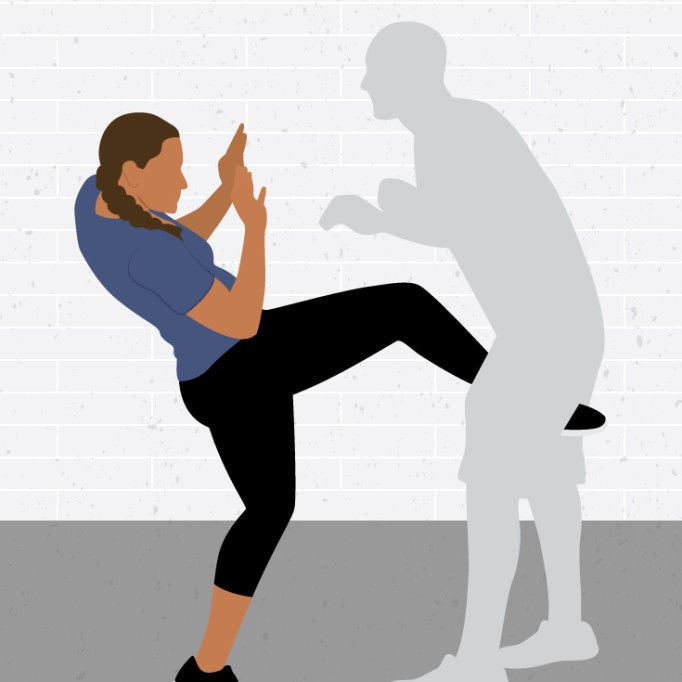
Changes in available tools varies with the situation. For instance, a person may not choose to carry a firearm in their place of employment but instead to lock it in their vehicle while working. During the walk from the business place to the vehicle, they might only be equipped with pepper spray and a flashlight. Immediately upon entering and locking the vehicle, the person may don a handgun and impact tool. During the walk, the person may choose a previously developed response tactic that only involves using the tools on their person. While this may not be the optimal solution, it is the one available at the time. Upon upgrading their Defense Condition https://en.wikipedia.org/wiki/DEFCON with a handgun, the chosen tactic may be different.
It’s useful to view the context of Boyd’s Process as an iterative and interactive model between two parties rather than the single party static model usually described. In a predation, the predator will make the first move, the intended victim will respond with a Reaction or Option, and then the predator will choose or react from his/her range of Options.
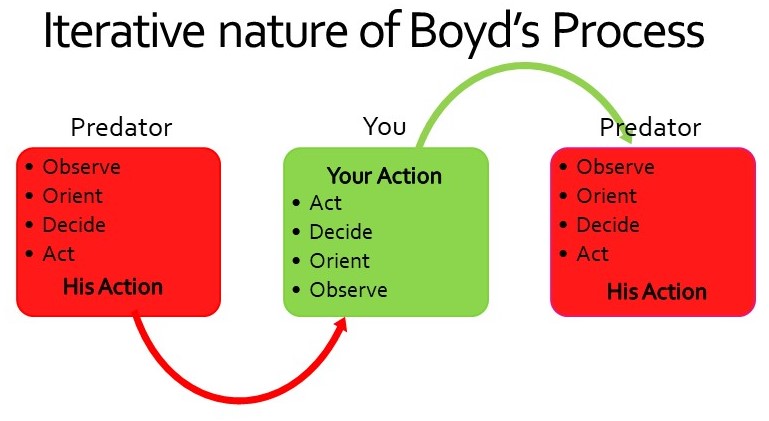
A predator also has a group of Options/Reactions when the intended victim begins to Confront or Resist rather than being caught up in the Victim Mix. Part V will explore what these are and how they affect our Decisions.
Tactical Professor books (all PDF)
- Thinking Clearly about Self-defense and Personal Protection https://www.payloadz.com/go?id=3377208
- Real Shootouts of the LAPD https://realshootoutsofthelapd.com/
- Serious Mistakes Gunowners Make http://seriousgunownermistakes.com
- Indoor Range Practice Sessions http://indoorrangepracticesessions.com
- Concealed Carry Skills and Drills http://concealedcarryskillsanddrills.com
- Advanced Pistol Practice http://bit.ly/advancedpistolpractice
- Shooting Your Black Rifle http://shootingyourblackrifle.com
- Package deal of Thinking Clearly about Self-defense and Personal Protection, Serious Mistakes, Indoor Sessions, Concealed Carry, and Shooting Your Black Rifle (50% off) https://store.payloadz.com/details/2644448-ebooks-sports-shooting-drills-package.html
Low Light Indoor Match
#flashlightfriday
I had the opportunity to attend a low light shooting match at a local indoor range yesterday evening. My goal for the evening was to observe closely so I didn’t shoot it. The format consisted of clearing three rooms and a hallway constructed of plastic sheets. It was done three times with targets moved around each time. The shooters had a look at the layout lighted the first time but subsequent stages were not.
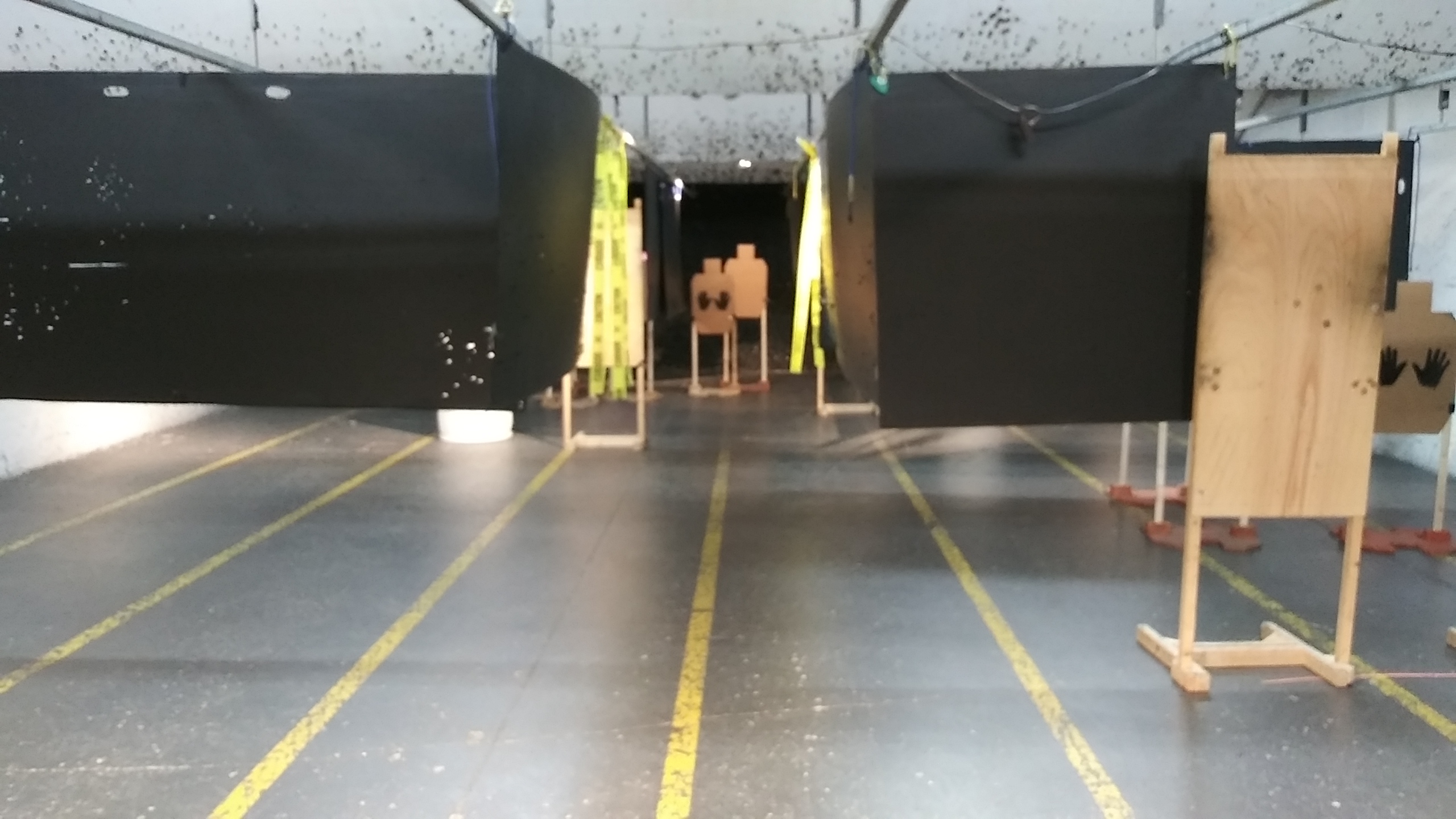
Non-threat targets (Don’t Shoots) were designated with hands painted on them.
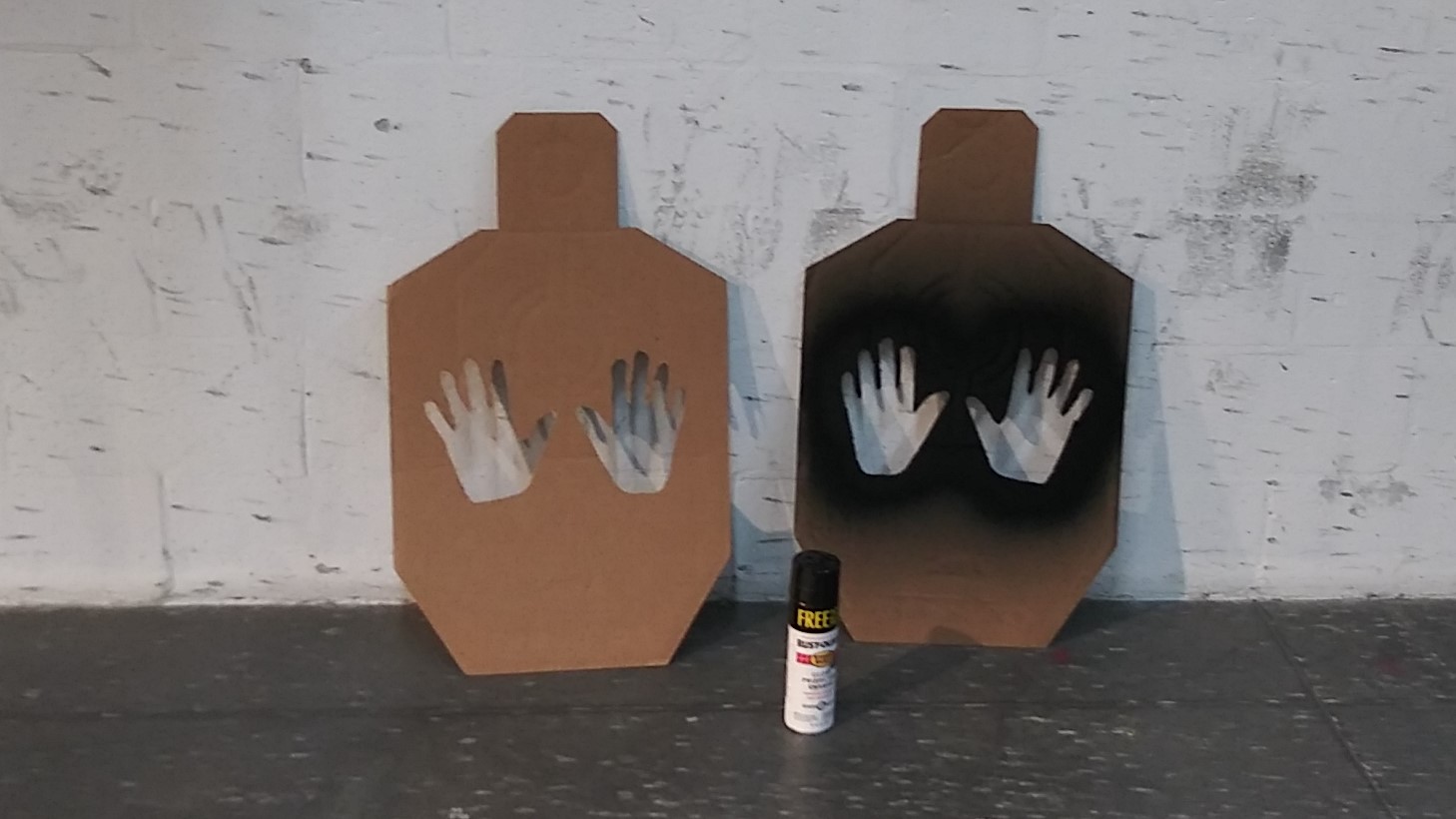
These non-threat targets were interspersed among the threat targets.
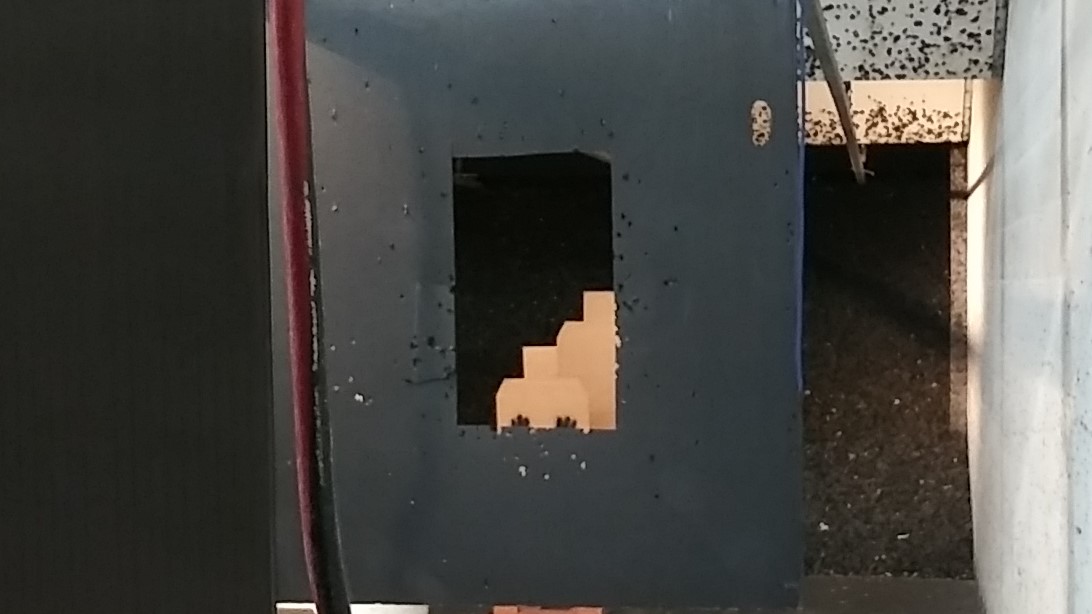
Some of the shooters had weapon mounted lights but many did not.
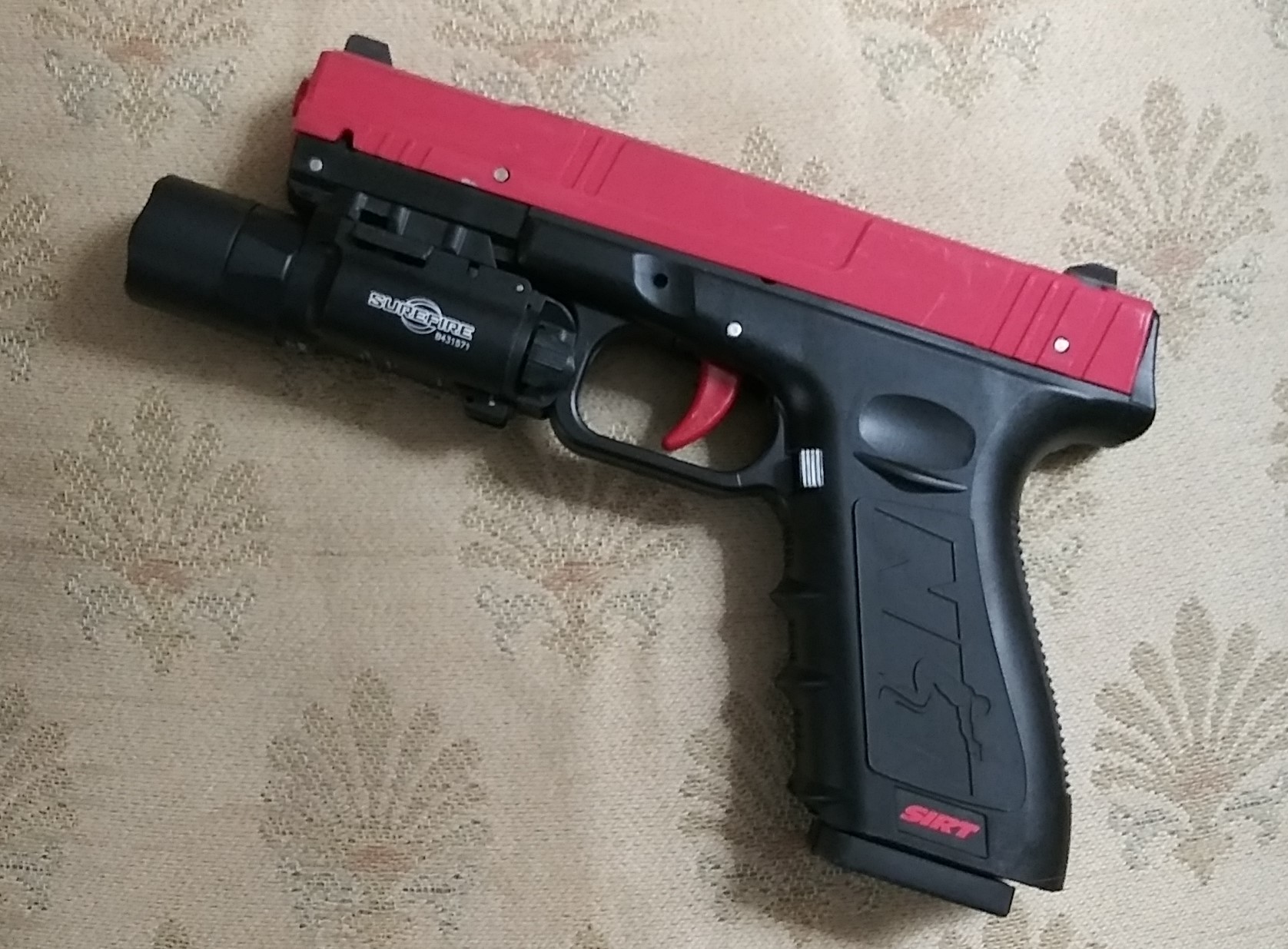
A few observations:
- Some attendees, although regular shooters, had never shot while using a flashlight.
- Most of the shooters had some familiarity with flashlight technique but mostly on a theoretical basis.
- The cadence of shooting, in terms of splits, transitions, and moving from position to position, really slows down when using a flashlight in low light.
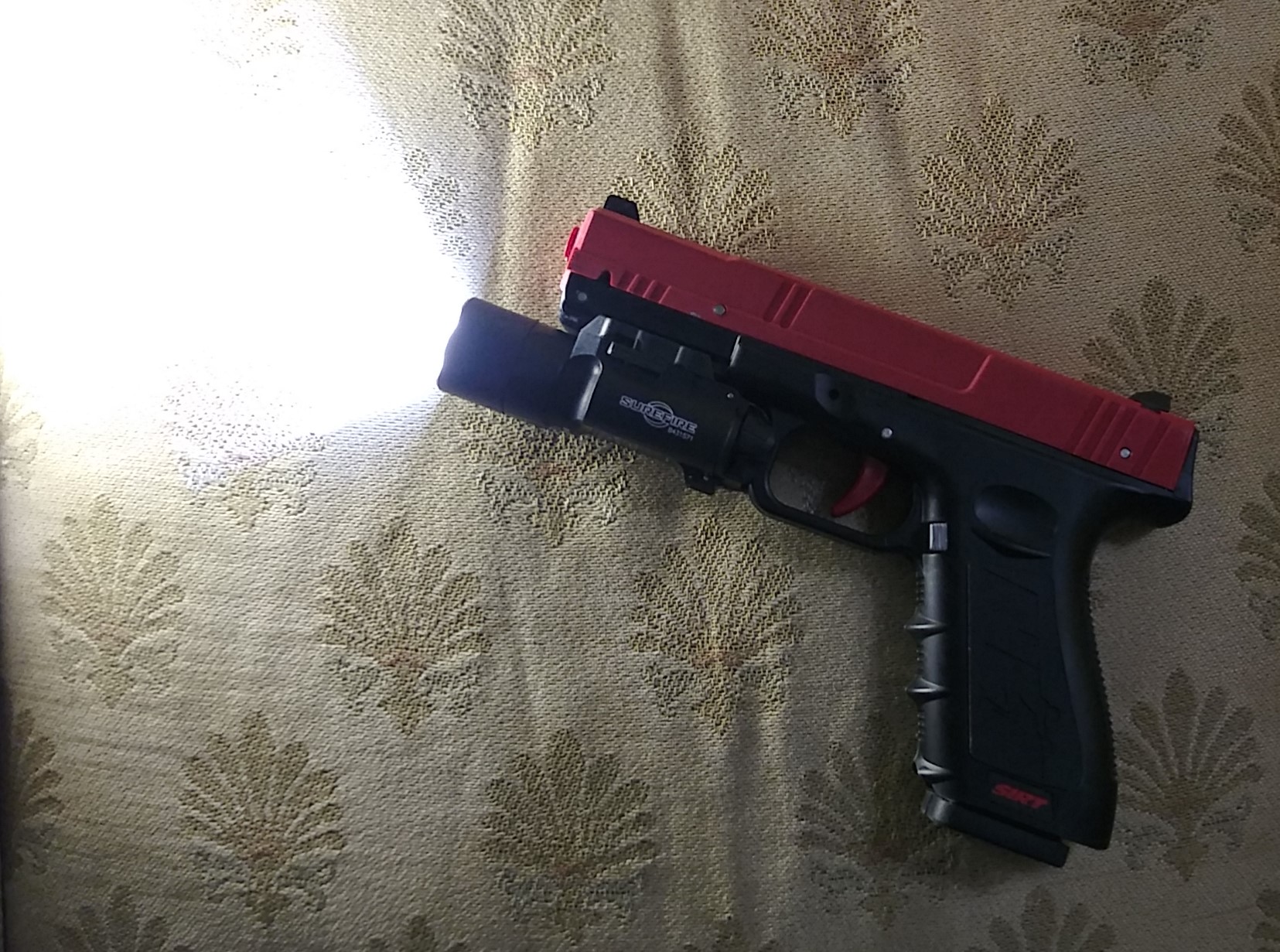
- The difference in light intensity when going from almost no light,
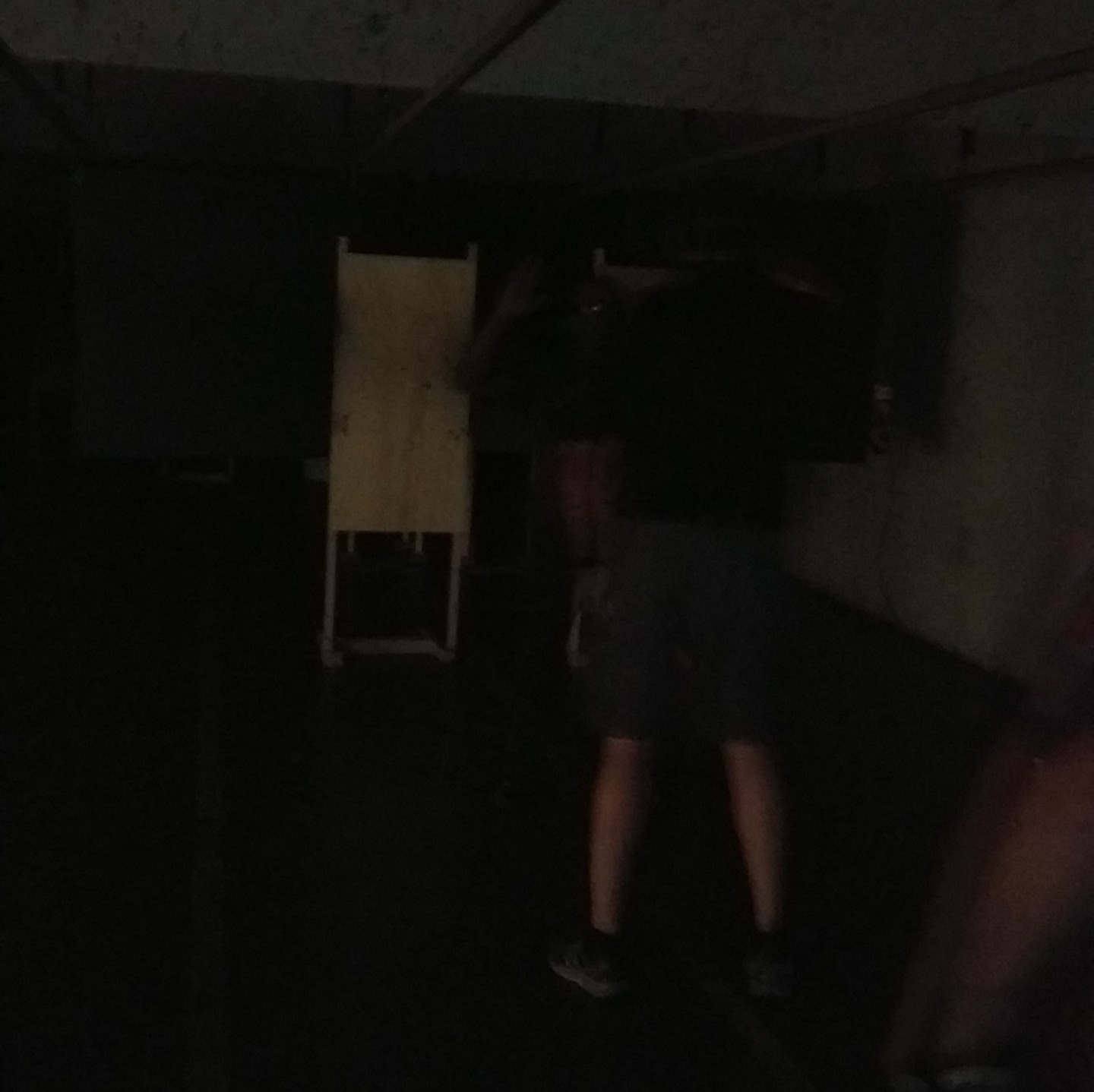
to illuminating with a high intensity light
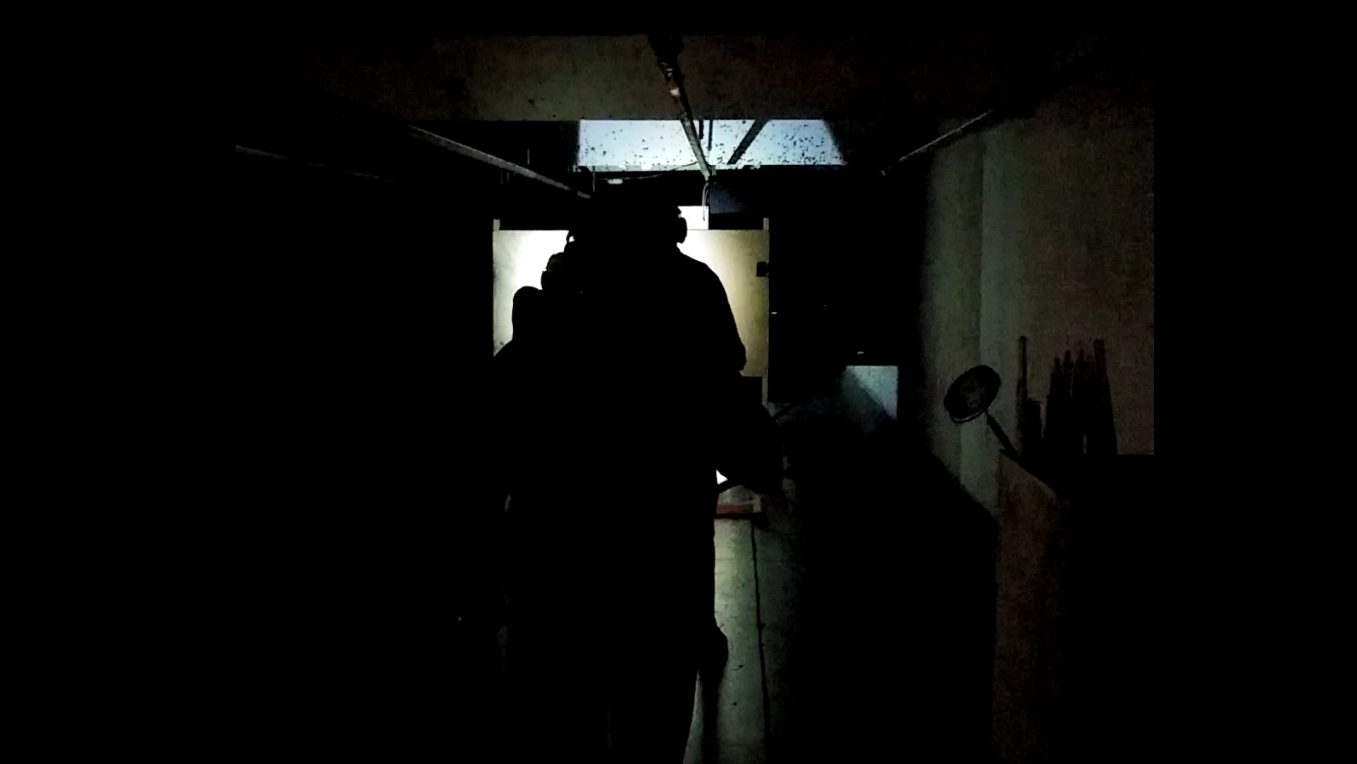
can be momentarily disconcerting, even to the person holding the light.
Matches like these represent the practical application of theoretical techniques. They are a valuable exercise for everyone who participates.
Tactical Professor books (all PDF)
- Thinking Clearly about Self-defense and Personal Protection https://www.payloadz.com/go?id=3377208
- Real Shootouts of the LAPD https://realshootoutsofthelapd.com/
- Serious Mistakes Gunowners Make http://seriousgunownermistakes.com
- Indoor Range Practice Sessions http://indoorrangepracticesessions.com
- Concealed Carry Skills and Drills http://concealedcarryskillsanddrills.com
- Advanced Pistol Practice http://bit.ly/advancedpistolpractice
- Shooting Your Black Rifle http://shootingyourblackrifle.com
- Package deal of Thinking Clearly about Self-defense and Personal Protection, Serious Mistakes, Indoor Sessions, Concealed Carry, and Shooting Your Black Rifle (50% off) https://store.payloadz.com/details/2644448-ebooks-sports-shooting-drills-package.html
Recognition Primed Decision-making (part III)
The Victim Mix

Elements of The Victim Mix
- Lack of Awareness
- Lack of Preparation
- Failure to React

In 2007, the FBI’s Law Enforcement Bulletin described a series of inputs to what the authors called “The Deadly Mix.” https://leb.fbi.gov/file-repository/archives/jan07leb.pdf/view While this article and concept pertains principally to law enforcement officers, it also provides a model for how we can think about enhancing our own safety.
Altering just one element of the deadly mix can provide a multitude of changing circumstances and outcomes with which to challenge each officer.
The Deadly Mix
Our end goal for the Recognition Primed Decision-making process in the context of Personal Protection is to avoid becoming victims. RPD allows us to set ourselves up for SUCCESS instead of FAILURE.
Awareness = Recognition
Preparation = Primed
Decision-making = Action
A key part of that process is to understand our internal processes that lead to failure. The Victim Mix uses the concept of ‘tolerance stackup.’ In that way, it is akin to the Four Rules of Gun Safety. Violating one Rule or Element will rarely lead to problems. Breaking two or more can, and often does, result in failure.
On the other hand, a person who is Aware, Prepared, and Ready to React is very difficult to victimize. The article illustrates its point by summarizing two actual incidents. Part of the analysis of the incidents described the impact of perceptions and assumptions in the encounters.
In the two incidents presented, it was the offender’s perception of both officers’ behaviors and the assumptions that he made that significantly altered his actions and resulted in the attack on the one officer and not on the other.
The Deadly Mix
Understanding the inputs to The Victim Mix allows us to reduce our vulnerabilities. Reducing our vulnerabilities allows us to Avoid and Escape undesirable situation before it becomes necessary to Confront and Resist predators. That is key to setting ourselves up for SUCCESS.
A fight avoided is better than a fight won.
John Farnam
Tactical Professor books (all PDF)
- Thinking Clearly about Self-defense and Personal Protection https://www.payloadz.com/go?id=3377208
- Real Shootouts of the LAPD https://realshootoutsofthelapd.com/
- Serious Mistakes Gunowners Make http://seriousgunownermistakes.com
- Indoor Range Practice Sessions http://indoorrangepracticesessions.com
- Concealed Carry Skills and Drills http://concealedcarryskillsanddrills.com
- Advanced Pistol Practice http://bit.ly/advancedpistolpractice
- Shooting Your Black Rifle http://shootingyourblackrifle.com
- Package deal of Thinking Clearly about Self-defense and Personal Protection, Serious Mistakes, Indoor Sessions, Concealed Carry, and Shooting Your Black Rifle (50% off) https://store.payloadz.com/details/2644448-ebooks-sports-shooting-drills-package.html
Serious Gunowner Mistakes – Unintentional Discharges (Part I)
One of the categories of Serious Mistakes Gunowners Make http://seriousgunownermistakes.com is ‘Unintentional Discharges.’ A colleague texted me this question.
Would it be fair to say that most of the negligent shootings on ranges are when people are re‑holstering too quickly?
There are some definitional issues involved in answering the question. First, are we talking about ‘Shootings,’ i.e., an injury occurs, or ‘Discharges,’ where an unplanned discharge occurs that may or may not involve injury?
So far, I haven’t done a statistical analysis about Shootings, per se. However, my collection of images of extremity (hands and feet) injuries that are the result of self-inflicted gun shot wounds is many times larger than my collection of images relating to holster related injuries. It is worthy of note how gory the shotgun wounds through the foot are as a result of using those toe popper shoe attachments that are popular in the clay target sports. The injuries are similar to those caused by the M14 Toepopper Anti-Personnel Mine.
It’s sometimes difficult to tell in either case whether the injury occurred at the range or somewhere else. Whether the discharge occurred at the range or elsewhere may or may not be important, depending on your point of view.
My opinion is that, regardless of where they occur, holster related injuries are not the majority but they are the most publicized. The reasons are simple. First, they tend to be graphic injuries that lend themselves well to being posted and viralized on social media. Second, they are the most likely to occur where someone will capture an image or video. However, a video recently surfaced of a party in an underdeveloped part of the world at which an attendee shot himself in the hand. Nothing good comes of placing the muzzle of a pistol against the palm of your hand and pulling the trigger. His friend was very angry about the copious amount of blood that went all over his sandals.
Another definitional issue is the distinction between Unintentional Discharges (UD), Accidental Discharges (AD), and Negligent Discharges (ND). The Los Angeles Police Department Board of Police Commissioners https://www.lapdonline.org/police_commission draws a distinction between AD and ND as concerns LAPD Officers and considers each type to be a separate subset of UD. AD are caused by equipment failure, i.e., the mechanism of the firearm itself malfunctioned, which caused the Discharge. While this is rare, it does occur. By contrast, the BOPC defines ND as the result an operator error of a fully functional firearm. This distinction was made explicit in Categorical Use of Force Report 045-09 NON-TACTICAL UNINTENTIONAL DISCHARGE https://www.lapdonline.org/assets/pdf/045-09_Outside%20City-NTUD.pdf. This report was in regard to an Unintentional Discharge by an officer while Outside the City.
A. Unintentional Discharge
The definitions for an Unintentional Discharge, both Accidental and Negligent, are as follows:
Accidental Discharge: The unintentional discharge of a firearm as a result of an accident such as a firearm malfunction or other mechanical failure, not the result of operator error.
Negligent Discharge: Finding where it was determined that the unintentional discharge of a firearm resulted from operator error, such as the violation of firearm safety rules.
LAPD Board of Police Commissioners
A third definitional issue has been raised by Marty Hayes, President of the Armed Citizens’ Legal Defense Network. https://armedcitizensnetwork.org/ He commented that the circumstances of most Unintentional Discharges do not fit the legal definition of ‘Negligent.’ Given the firearms community’s preoccupation with the distinction between ‘clip’ and ‘magazine,’ his comment is particularly cogent. The possibility exists that a ‘Negligent’ Discharge might have to be defined in the context of Intentional but Undesirable Discharges (resulting in a Negative Outcome) rather than Unintentional Discharges.
Getting back to the original question, it is easy to make a simple numerical contrast relating to ‘Discharges.’ Observe the number of bullet impacts on the ceiling and floor of an indoor range. Almost every one of those was a Discharge that was unplanned and went somewhere other than it was intended.
I say ‘almost,’ because I was once asked to give a private lesson to a lady who literally shot her revolver like Antonio Banderas in Desperado. Most likely several rounds of each cylinder hit the ceiling. While the shots were Planned, they did not impact anywhere near the target.
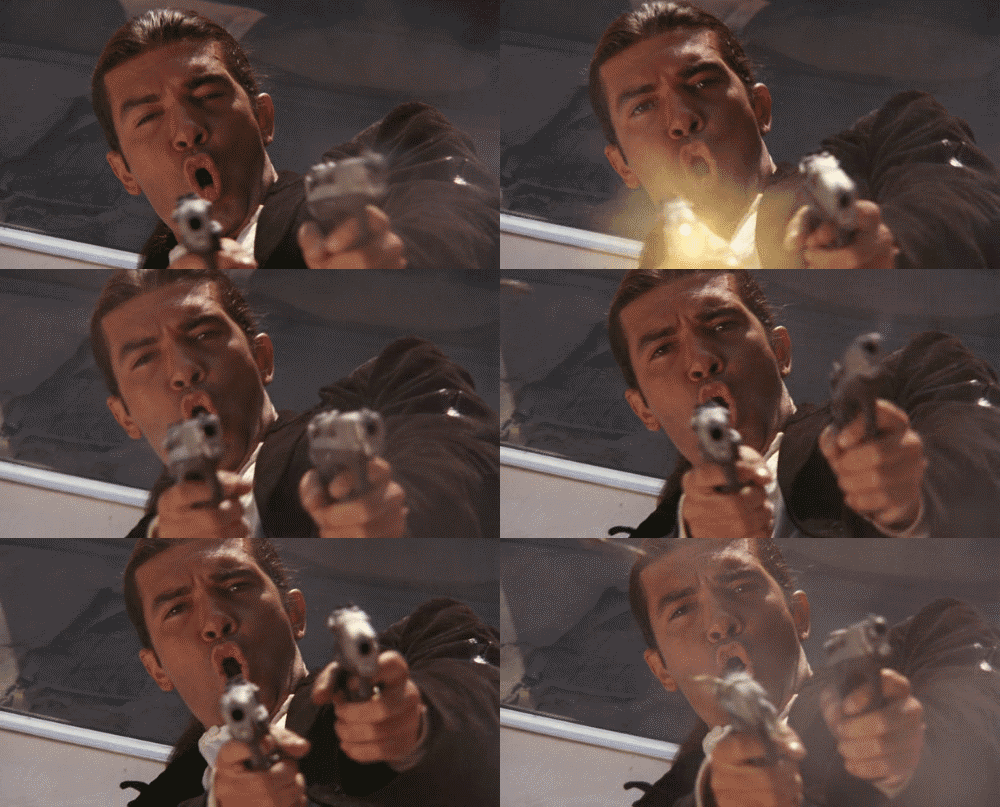
There are something like 4,000 shooting facilities in the US, according to the National Shooting Sports Foundation. https://www.nssf.org/shooting/where-to-shoot/ Given the number of unplanned impacts at Atlanta area ranges alone, it’s likely that Unplanned Discharges occur thousands of times daily throughout the US. However, almost all of those cause only property damage or no damage at all. So, while we can probably safely say that Unplanned Discharges are relatively common, Unplanned Shootings are relatively rare.
Part II of this series will explore the types of UDs in Serious Mistakes, discuss definitional issues further, and make some observations about preventing this undesirable phenomenon.
Tactical Professor books (all PDF)
- Thinking Clearly about Self-defense and Personal Protection https://www.payloadz.com/go?id=3377208
- Real Shootouts of the LAPD https://realshootoutsofthelapd.com/
- Serious Mistakes Gunowners Make http://seriousgunownermistakes.com
- Indoor Range Practice Sessions http://indoorrangepracticesessions.com
- Concealed Carry Skills and Drills http://concealedcarryskillsanddrills.com
- Advanced Pistol Practice http://bit.ly/advancedpistolpractice
- Shooting Your Black Rifle http://shootingyourblackrifle.com
- Package deal of Thinking Clearly about Self-defense and Personal Protection, Serious Mistakes, Indoor Sessions, Concealed Carry, and Shooting Your Black Rifle (50% off) https://store.payloadz.com/details/2644448-ebooks-sports-shooting-drills-package.html
Note that Serious Mistakes Gunowners Make is included with the purchase of any other book.
SureFire® SideKick® Initial Review
#flashlightfriday
The first of SureFire https://www.surefire.com/ flashlights from the Try-Out Haul to be evaluated was the SideKick® https://www.surefire.com/products/illumination/flashlights/sidekick-a/ It arrived in a battery depleted state but was quickly recharged via the supplied USB cable.
It has proven to be useful and yet relatively unobtrusive on my keychain.

The carabiner attachment has been handy for removing and reattaching the light to the keychain. When setting the light down as an impromptu worklight, the flat shape is much better than a round light, even one with a limited roll aspect.
The switch has two options, which are an improvement over some of the complicated switching patterns often found on tactical lights. Pressing the switch and leaving it puts the light in the High mode. If the switch is pressed a few seconds later the light turns off. The variability of output is controlled by quickly pressing the switch multiple times. Mine cycles from High (300 lumens) to Medium (60 lumens) to Low (5 lumens) and then Off in order. The literature says this is the opposite order of the factory order setting but that’s how it came. The order can be reprogrammed during the recharging process.
Comparing the SideKick to the 6P LED showed some noticeable differences. SureFire’s website says:
MaxVision Beam® floods your boundaries with light; triple output: 300, 60 and 5 lumens
The throw pattern is clearly different than the 6P LED. The 6P has very bright center spot with a less intense spill surrounding it. The SideKick throws a much wider pattern that is much more even throughout.
The Target ID test for it was on a prototype Recognition Primed Decision training target at 10 feet. This showed that both High and Medium modes would provide more than adequate illumination to make the Don’t Shoot/Shoot decision. The Low mode’s usability for this would depend on the user’s eyesight but that’s probably irrelevant for this usage.
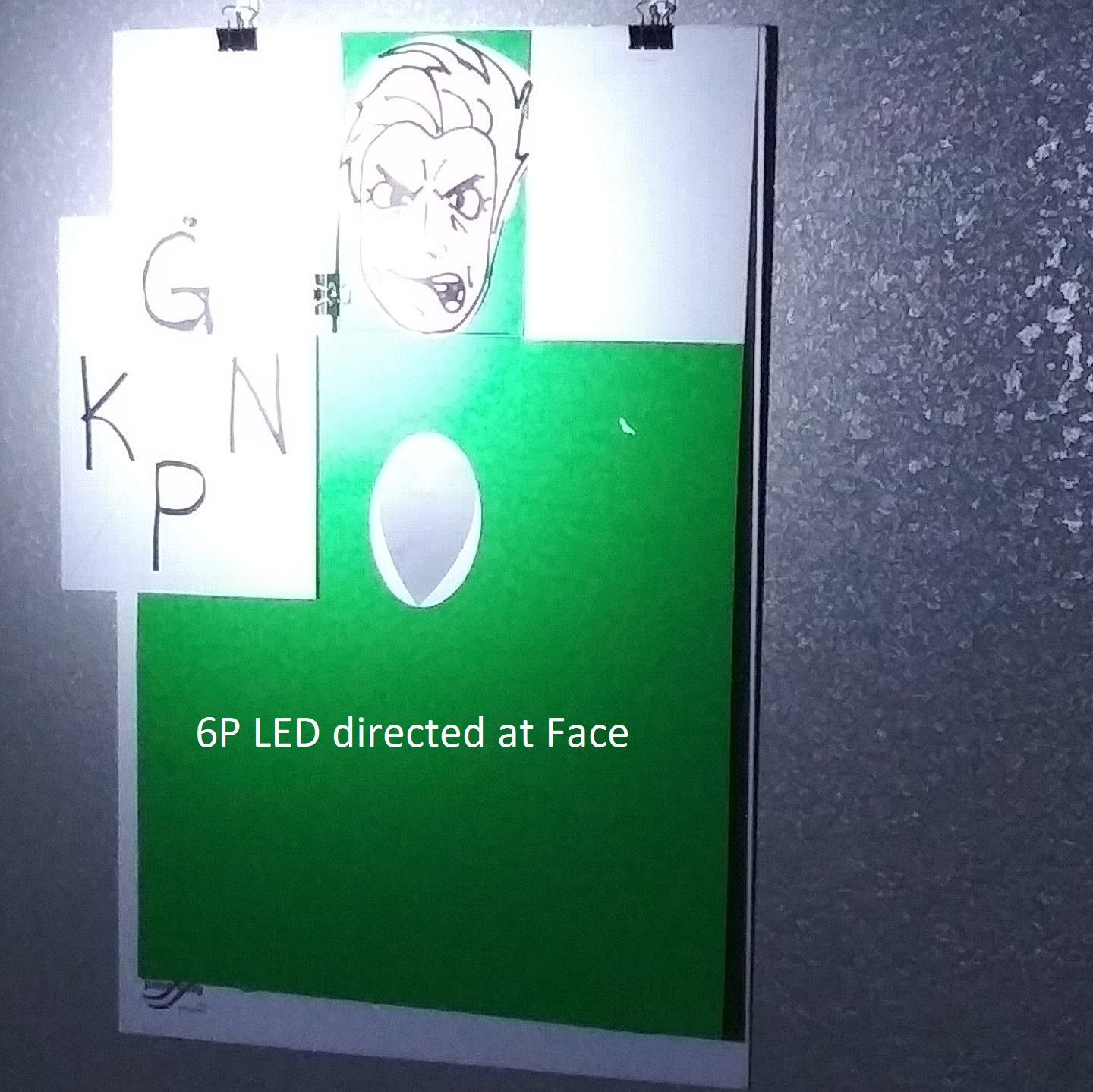
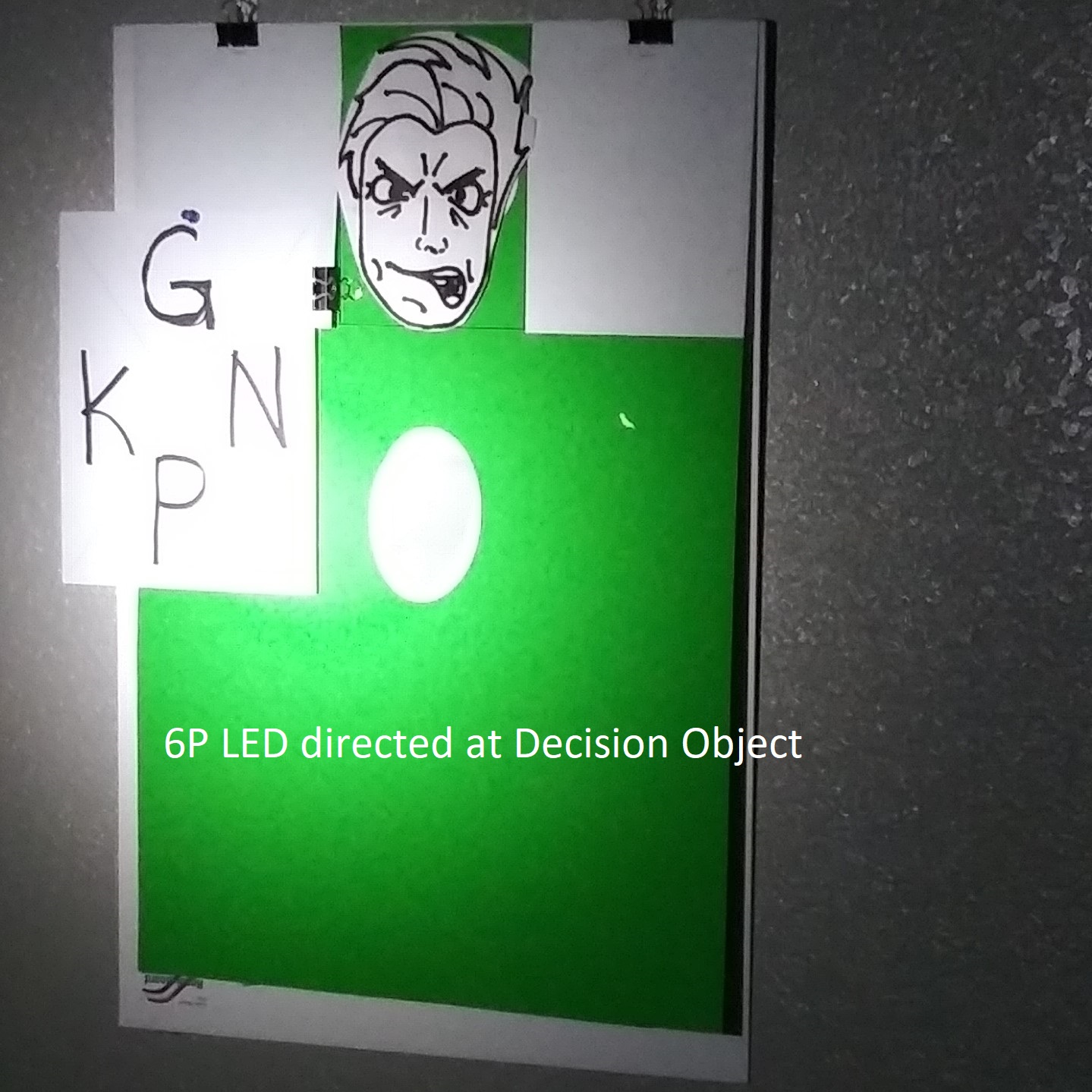
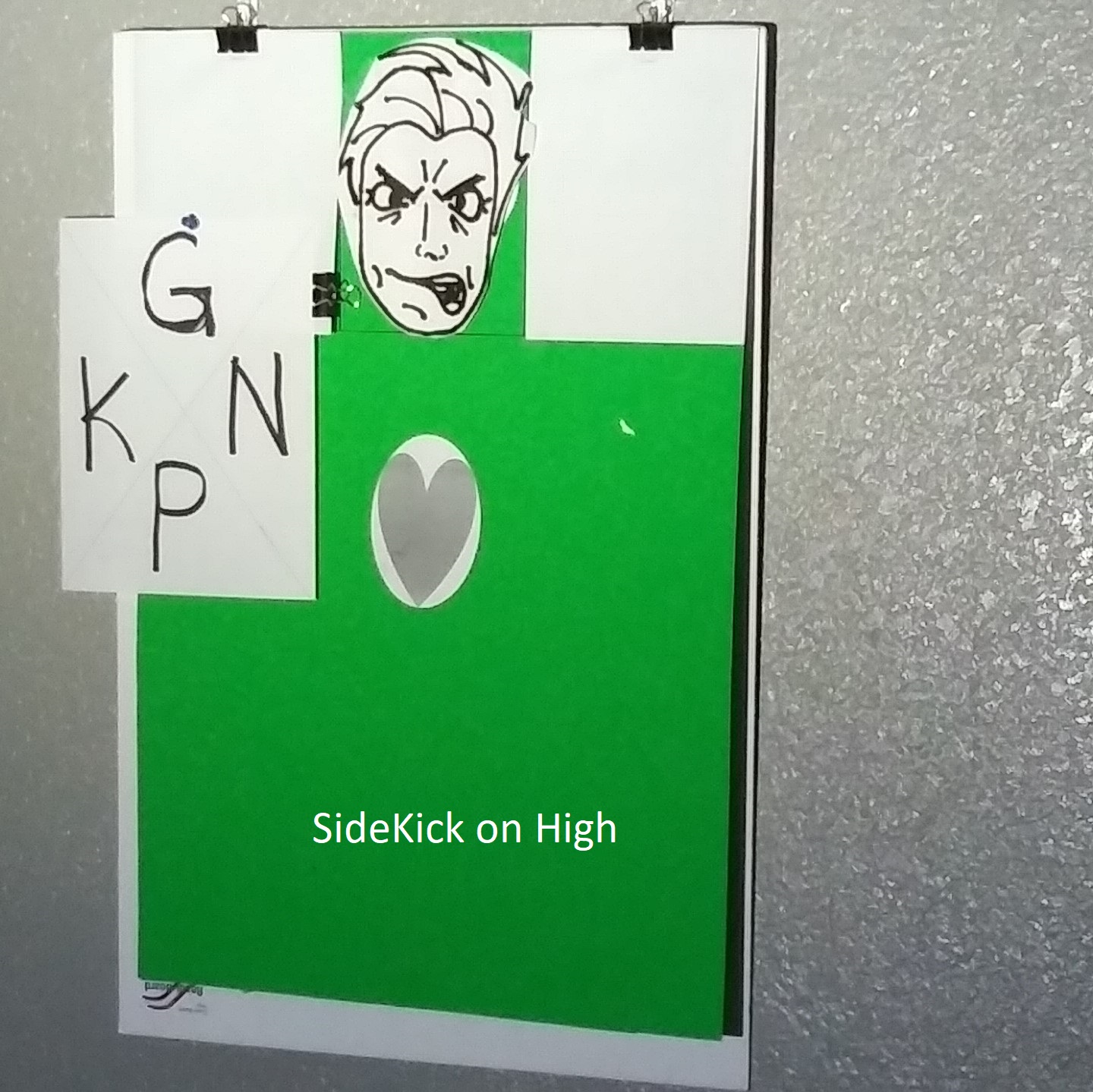
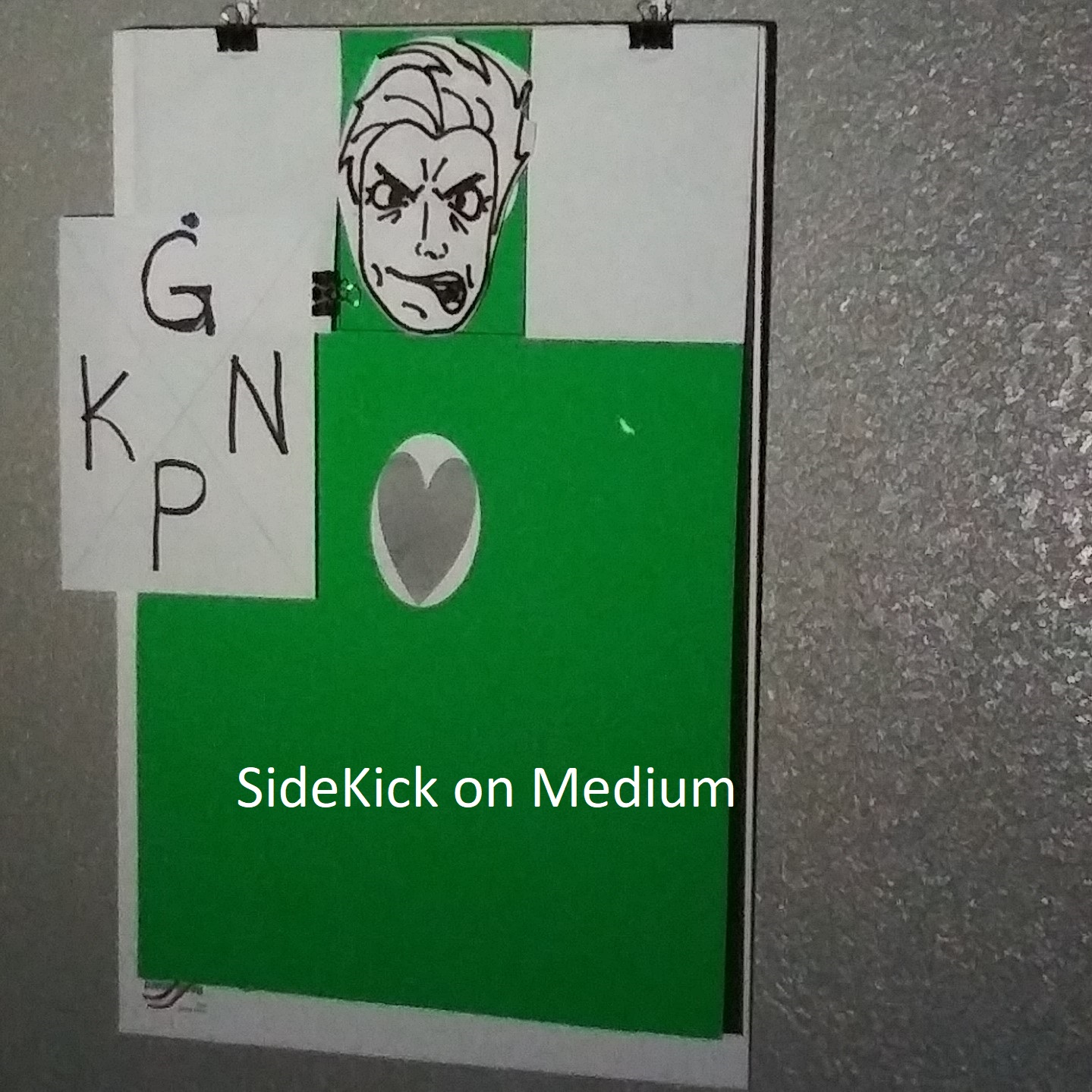
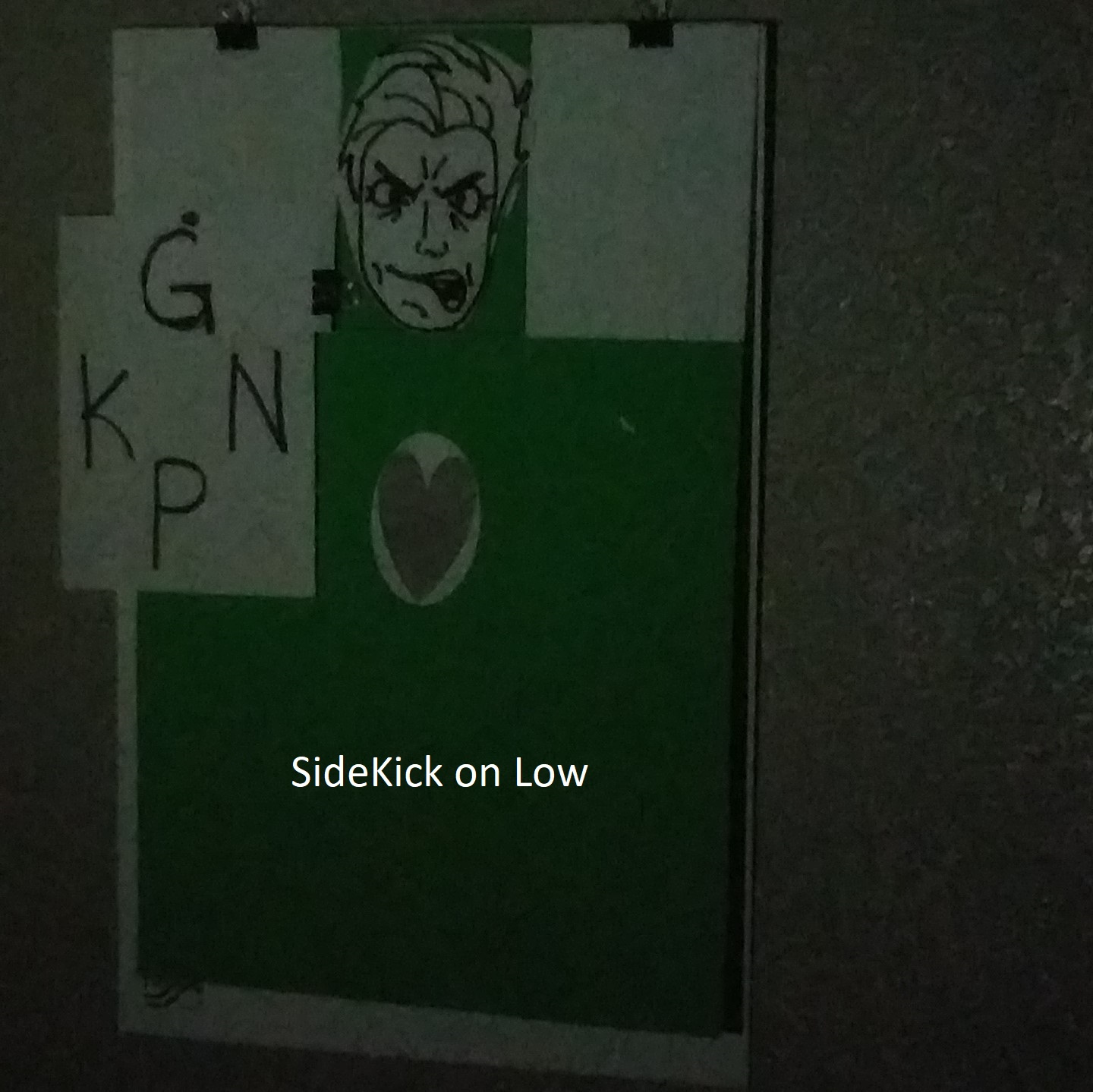
One thing the SideKick doesn’t do as well as the 6P is function as a shooting assist light. Because of its size and switch location, none of the commonly taught flashlight shooting techniques will work with it. That’s not the SideKick’s intended role but if it were pressed into service for that purpose, the user would have to be very careful not to get the hand holding the flashlight in front of the gun muzzle.
When I have the opportunity, I’ll have someone shine the SideKick in my face to see if it’s as blinding as the 6P is. That’s another good testing criterion for a flashlight.
As a reminder, the flashlight shooting chapter of my book Indoor Range Practice Sessions is free to download. If you own a pistol for personal protection, you should know how to use a flashlight along with it. Your flashlight should be as close or closer to your bed as your pistol is.
Flashlight Chapter of Indoor Range Practice Sessions https://store.payloadz.com/details/2505573-ebooks-law-indoor-range-session-11-flashlight.html Free
Indoor Range Practice Sessions https://store.payloadz.com/details/2501143-ebooks-education-indoor-range-practice-sessions.html Not Free
FTC Notice: The SureFire products were sent to me gratis but I receive no compensation for writing about them.
The opposite of Breaking Contact
The group took the dog and began walking away, when Drake returned with a firearm and fired four shots in their direction, according to Murphy. No one was struck, and the three men tried to run away.
WTTW-TV
Attempted Dognapping Precipitated Fatal Shooting on Lower West Side: Prosecutors
A prime example of the sequential nature of ‘OODA Loops.’
- Group of men chases man walking dog
- He runs home and gets inside without the dog
- Group takes dog
- Man comes out with a gun and shoots at them
- The group decides the dog isn’t worth getting shot for so they drop it and run away
- One of them falls down
- Original victim’s girlfriend comes out and gets violent with the downed malefactor
- Original victim joins his gf in doing the Irish jig on the malefactor
- Unsatisfied with this level of violence, he pulls out his gun and shoots the malefactor in the head
- Original victim, now Executioner, and his gf decide to exfiltrate from the crime scene
- A friend of the now deceased malefactor shoots and wounds both Executioner and gf
- First responders arrive to take wounded Executioner and gf to hospital
- Executioner charged with First Degree Murder, while still in hospital
- Unwounded Dognappers escape, most likely never to be found

Don’t let your emotions control your actions. No one wants their dog to be napped but legally dogs are property, not people. You can only use the level of force necessary to protect property in their defense. Shooting someone who is down is also a bad idea. Review the Jerome Ersland incident for further study.
Bottom Line: If the Executioner’s lawyer is clever, the charges will get pleaded down but odds are, he’s going away for some time.
Tactical Professor books (all PDF)
- Thinking Clearly about Self-defense and Personal Protection https://www.payloadz.com/go?id=3377208
- Real Shootouts of the LAPD https://realshootoutsofthelapd.com/
- Serious Mistakes Gunowners Make http://seriousgunownermistakes.com
- Indoor Range Practice Sessions http://indoorrangepracticesessions.com
- Concealed Carry Skills and Drills http://concealedcarryskillsanddrills.com
- Advanced Pistol Practice http://bit.ly/advancedpistolpractice
- Shooting Your Black Rifle http://shootingyourblackrifle.com
- Package deal of Thinking Clearly about Self-defense and Personal Protection, Serious Mistakes, Indoor Sessions, Concealed Carry, and Shooting Your Black Rifle (50% off) https://store.payloadz.com/details/2644448-ebooks-sports-shooting-drills-package.html
Recognition Primed Decision-making (part II)
Dr. Klein explains gives a brief explanation of his model in this interview about RPD.
Examining our Options
The NRA Guide to Personal Protection Outside the Home (PPOTH) lists these “Psychological Reactions To A Threat” in Chapter 6.
- Freeze
- Submit
- Posture
- Flight
- Fight
We could further subdivide ‘Fight’ into:
- Unarmed
- Non-Lethal
- Lethal
To the ‘Submit’ option, we could include the caveat, ‘at least temporarily.’ Being taken to a 2nd crime scene is generally not a good idea but it might be unavoidable. In one of his student’s incidents recounted by Tom Givens, two stickup men got the drop on the victim in a parking lot and had guns to his head. However, they failed to realize he was carrying a concealed pistol. The stickup men kidnapped him and eventually took him to the 2nd crime scene, his home. There, he waited for his turn in the OODA sequence and killed both the predators.
‘Posture’ could simply mean saying NO! in an unambiguous way.

Another option we should consider is ‘Negotiate,’ a tactic included by The Most Dangerous Man in The World as part of his PARRR system. Even a Sixth Army boxing champion, obviously no slouch with his fists, found this tactic useful in an encounter with Razor Willy, a local prostitute in the Fort Campbell area. She became enraged and threatened him with her EDC, a straight razor, but he managed to talk his way out of the encounter with neither party becoming a casualty.

It’s apparent that our Options extend beyond the simplistic “Fight or Flight” and ‘Gun or None’ possibilities that we usually hear about. Thinking about what our Options are ahead of time gives us the freedom to program an appropriate level of force, or none, when we become concerned for our safety or that of our loved ones.
Part III will go into overlaying our ‘Options’ on ‘People’ and ‘Situations’ to develop a personal Avoid, Escape, Confront, Resist model.
Tactical Professor books (all PDF)
- Thinking Clearly about Self-defense and Personal Protection https://www.payloadz.com/go?id=3377208
- Real Shootouts of the LAPD https://realshootoutsofthelapd.com/
- Serious Mistakes Gunowners Make http://seriousgunownermistakes.com
- Indoor Range Practice Sessions http://indoorrangepracticesessions.com
- Concealed Carry Skills and Drills http://concealedcarryskillsanddrills.com
- Advanced Pistol Practice http://bit.ly/advancedpistolpractice
- Shooting Your Black Rifle http://shootingyourblackrifle.com
- Package deal of Thinking Clearly about Self-defense and Personal Protection, Serious Mistakes, Indoor Sessions, Concealed Carry, and Shooting Your Black Rifle (50% off) https://store.payloadz.com/details/2644448-ebooks-sports-shooting-drills-package.html
 tacticalprofessor
You must be logged in to post a comment.