Using Cover Effectively
#fridayfundamentals
Active Self Protection recently made a good video about last December’s murder of a retired Chicargo firefighter during a carjacking.
Unfortunately it won’t embed because it’s Age Restricted. If you care to watch it, this is what to search for.
John made an important point in his video that bears reiteration and amplification.
Appropriate and effective use of cover is an important tactic in protecting ourselves.
John Correia
Things to keep in mind about using cover.
- Cover protects us from bullets and contact weapon attacks.
- Any cover can be defeated, either by adequate weaponry or by maneuver.
Here’s my initial video commentary about the situation. It wasn’t as simple as it looks at first glance.
Whether the second Carjacker would have shot LT Williams will never be known but it cannot be discounted as a possibility. There’s a good chance he was the leader of the crew and probably very dangerous. It wasn’t his first rodeo.
The incident provides a good example of the difficulties faced when dealing with multiple attackers. LT Williams was in a very difficult position as a result of this attack. We will never know if he even saw the second armed Carjacker and could have realized that he was vulnerable to being flanked. This was a well-rehearsed Carjacking crew with a good SOP. One comment on the YouTube video about the incident opined that this same crew had tried to Carjack him earlier and he had only escaped by luck.

Here’s the complete video of the incident on YouTube.
Disregard the TV station’s gauche and inappropriate invitation to Like and Subscribe at the end.
This was the funniest comment on the YouTube video. It’s unclear which person the comment is about.

Another of John’s points was that it’s important to keep in mind our mission. As Armed Citizens, we don’t need to get the bracelets on a criminal, we just need to force a Break In Contact and then go home.
My first LAPD Shootouts book is based on off-duty incidents at home. It provides a great deal more documentation and explanation of what Home Defense with a firearm really looks like than news reports. The lessons learned apply whether you’re a POlice officer or an Armed Citizen.
Even more about Skill Development
‘three shots, three yards, three seconds,’ https://tacticalprofessor.wordpress.com/2021/02/19/skills-conversation-about-lapd-shootouts/ has generated some good discussion and questions, which makes me happy. Someone posted a question on the Facebook page for Growing Up Guns.
Nothing was said about whether this done from a low or compressed ready, or from concealment, as far as the par time. Being LE based info, I’m assuming this was done from a duty holster. Thoughts?
It’s a progression, just like the size of the target. When someone is first learning to shoot, do it from Low Ready, muzzle below the feet of the target, finger off the trigger. Once a shooter achieves some degree of proficiency, which I would personally define as being able to consistently hit the quarter sheet, then branching can begin. Others might be satisfied with hitting the full sheet consistently as a standard.
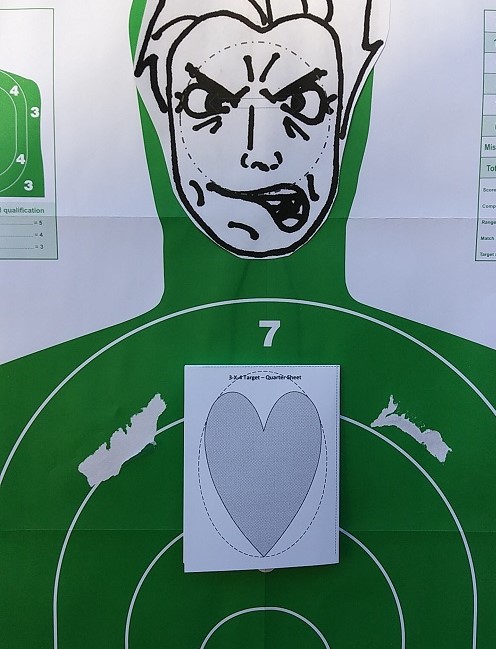
There are numerous possible branching variations.
- From the midpoint of the drawstroke.
- From the holster. Take your pick of open, concealed, or Level III Security.
- Primary Hand Only from Low Ready
- Support Hand Only from Low Ready
- Etc.
I use the term ‘midpoint of the drawstroke’ rather than ‘compressed ready’ because I’m not a fan of muzzling suspects prior to making the SHOOT decision. If the bore is parallel to the ground, there’s almost no way to avoid muzzling others. From that perspective, the idea of having the bore parallel to the ground as a ready position is purely “square range” thinking.
For those who are feeling exceptionally froggy, try stacking all three targets on a single silhouette. Shoot all three targets as one string using three round magazines and reloading between targets. Obviously, your time will be more than three seconds. Keep in mind that the second most missed shot is the first shot after a Stoppage Clearance. Reloading is a Stoppage Clearance so you’ll have two opportunities to maintain your focus.
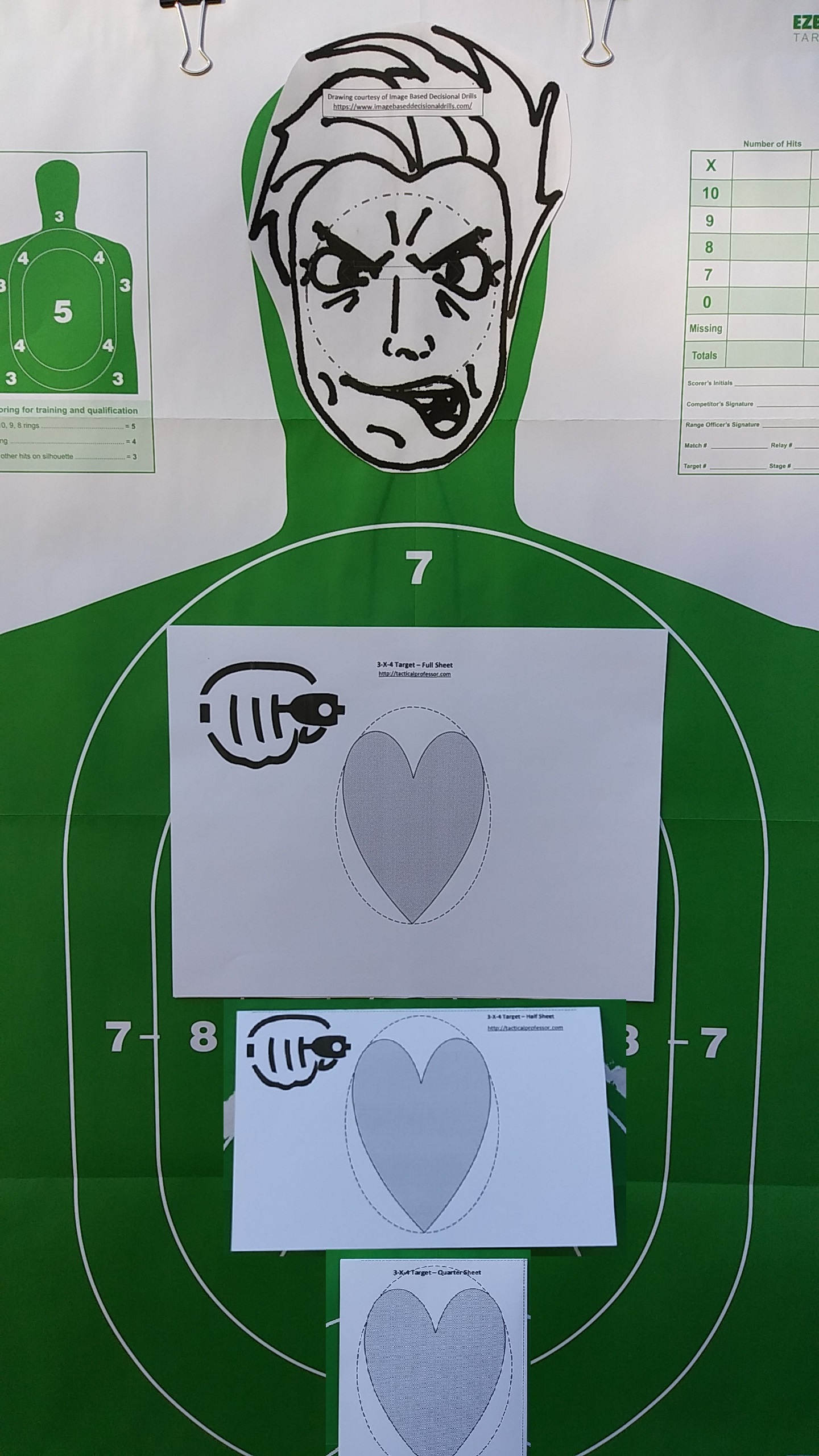
The end outcome, consistent hits on a variable sized target, is the focal point of the drill. There are numerous tasks that can achieve it, most of which have value.
Click on the image below to order Real Shootouts of the LAPD.
Skills conversation about LAPD Shootouts
#fridayfundamentals
I was talking with a friend of mine, who has Been There and Done That (BTDT), about Real Shootouts of the LAPD. He asked:
What was your biggest conclusion after writing the book?
DIA Guy
“When Frank McGee (head of NYPD firearms training in the 70s) said ‘three shots, three yards, three seconds,’ he wasn’t far off the mark” was my response. I still think that on-duty POlice shootouts may be a different story but the off-duty shooting situations are much like those of an Armed Citizen.
We then started talking about the difference between ‘when to shoot’ vis-à-vis ‘how to shoot’ training / practice. He had an interesting take on targets in terms of ‘how to shoot.’
What he tells his students is,
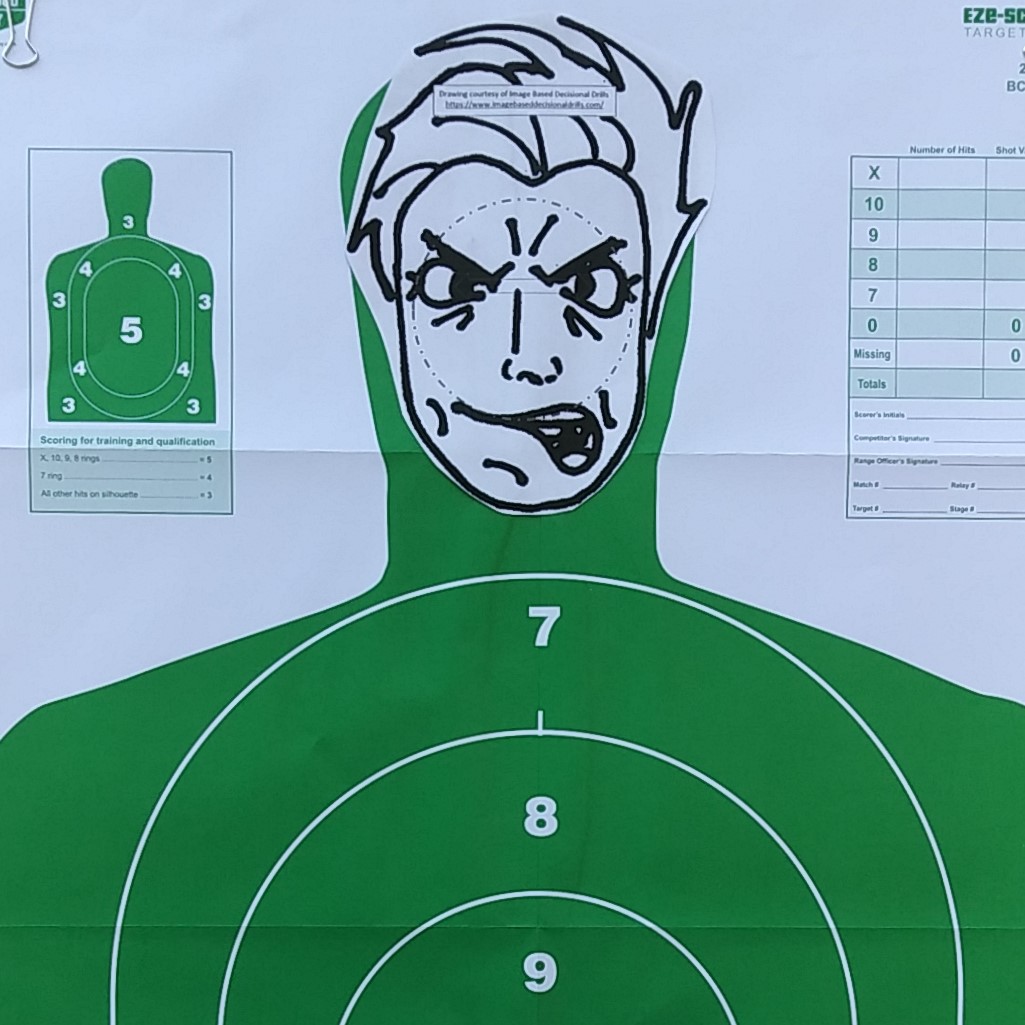
Use a sheet of paper. When you can consistently hit that, fold it in half. When you can consistently hit that, fold it in half again.

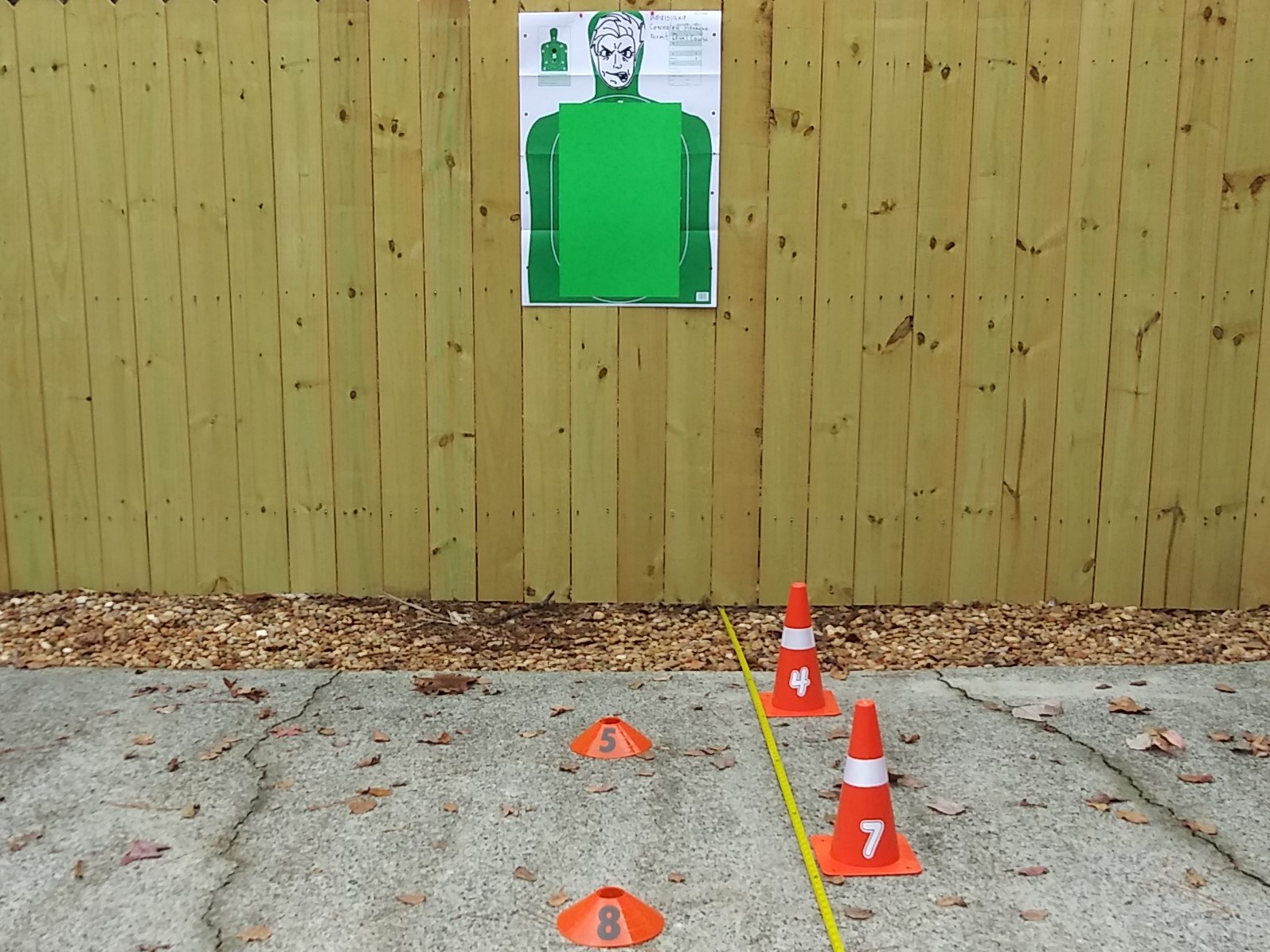
How do we combine that concept with ‘three, three, three?’ Since I am a firm believer in consistency, let’s do it three times in a row. That would make it 3X4. I also think context is important, so let’s put the sheet of paper on a silhouette. Place the silhouette at three yards. Fire three shots at the target. Repeat twice for a total of nine rounds fired in three strings of three. Since it’s a three second Par time exercise, you can use a Par timer app on your phone with your earbuds underneath your hearing protection. I like ‘Dry Fire Par Time Tracker’ but there are others.
If all three strings of three shots hit it, fold another sheet of paper in half. You’ll end up with a target 5.5 x 8.5 inches. Repeat the three strings. You should have nine hits on the half sheet of paper.
Assuming you have all nine hits on the half sheet, fold another sheet of paper in half twice. This time your target will be 4.25 x 5.5 inches. Shoot the three strings again.
Now you’ve done a good 27 round workout that is ‘Reality Based.’
When you get home, put your gun away. Get out your Blue Gun, Nerf gun, or water pistol and do some ‘when to shoot’ exercises.
Click anywhere on the image below to order the book.

A Real Hero Story
#walkbackwednesday
My favorite story from Real Shootouts of the LAPD is a hero story. Recently, it’s become fashionable to berate POlice officers, imply that everything they do is horrible and corrupt, and call for the POlice to be ‘defunded.’ Rarely does the media focus on the heroic acts that officers are sometimes called upon to do for the public. This story is one example.
OFFICER-INVOLVED ANIMAL SHOOTING – 035-14
Link to LAPD Categorical Use of Force Report
The entire Public Report is available at the link above. Here’s a synopsis of the incident.
Officer A, later identified as Officer Jennifer Aguila, and her companion Officer B were off duty and had just arrived home from grocery shopping. When they arrived home, Officer Aguila noticed two neighbors outside their home acting frantically.
Officer Aguila went over and asked if they needed help. One neighbor replied that he was locked out of his house and his pit bull dog was attacking his four year old child inside. The neighbor said the back door was open but apparently it was not readily accessible from the front of the house because rose bushes blocked off the back yard. Officer Aguila immediately took action. She jumped over the neighbor’s fence and picked up a small stick.
Since the animal was a pit bull, Officer Aguila told Officer B to bring her an off-duty snub nose revolver from the car. Officer B brought the revolver and tossed it over the fence to Officer Aguila. She then made her way to the back. To get to the back door, she had to plow through the rose bushes that blocked off the yard.
Through the partially open sliding back door, Officer Aguila observed that the floor was covered in blood and the pit bull was next to the child, attacking it. According to the Board of POlice Commissioner’s report, “the pit bull was removing and eating the child’s flesh.”
Office Aguila discarded the stick and scanned the room for other dogs but saw none. The BOPC report reads:
Officer A moved into the living room with the revolver in a two-hand low-ready position. In defense of the child’s life, Officer A fired four shots at the pit bull in a northwest direction at a downward angle. Officer A fired on the move, from a decreasing distance of approximately twelve to seven feet.
LAPD Board of POlice Commissioners
To save a child’s life, she made entry, closed with, and did battle with a large, vicious, literally ‘man-eating’ dog. Her weapon was what is commonly referred to as an “arm’s length gun,” a snub nose revolver.
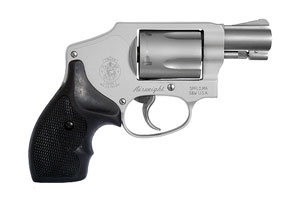
After the first four shots, the badly injured child stood up and, in a disoriented manner, began to walk toward the dog. Fearing the wounded animal would again attack the child, Officer Aguila then closed to within three feet of the dog and used her final round to deliver a coup de grâce into the dog’s rib cage.
Officer Aguila then picked up the child, went outside, gave it to its parent, and had them call for a Rescue Ambulance. When the parent was unable to provide first aid for the child, Officer Aguila took the child back and applied direct pressure to the child’s wounds until the ambulance arrived.
If that’s not a hero, I don’t know who is.
News reports https://www.dailybulletin.com/2014/07/08/fontana-family-pit-bull-mauls-4-year-old-child/ indicate that the child was badly injured in the attack. Both his ears were severed, one completely, and one left hanging by a strip of flesh. The severed ear was found under the dog by another officer. The child also had numerous puncture wounds to the head and face. Odds are that without Officer Aguila’s intervention, he would have been killed. The severed ear was successfully re-attached by surgeons because the officer who found it immediately put it on ice and took it to the hospital.
The BOPC Public Report says the Officer Aguila had been an LAPD officer for 2 years and 7 months.
Not all the stories in the book are hero stories but that one is. I enjoy stories about real heroes so I had to include that one.
Link to my store
Real Shootouts of the LAPD – The Book

Any time a Los Angeles Police Officer fires his or her weapon, whether on or off duty, a thorough investigation of the incident is conducted and then reviewed by the LAPD Board of Police Commissioners. The Board has provided unprecedented transparency by posting Summaries of those investigations for every firearm discharge since 2005.
This book is a collection and analysis of those reports. They are stories of Officer Involved Shootings, Officer Involved Animal Shootings, and Unintentional Discharges drawn directly from those reports. The Public Reports also include the Board’s Findings (rulings) as to whether the incident was In Policy or Out of Policy. Contrary to popular belief, not all LAPD Shootouts are ruled to be In Policy.
For the Armed Citizen, these reports and the analyses provide valuable information about what really happens before, during, and after the gunfire. This first volume covers Off Duty incidents so the situations are very similar to those faced daily by The Armed Citizens. This book gives us the opportunity to learn from the experiences of highly trained police officers about what to do when criminals come for you.
For those who are just interested in the challenges police officers face, this is also a book you will enjoy.
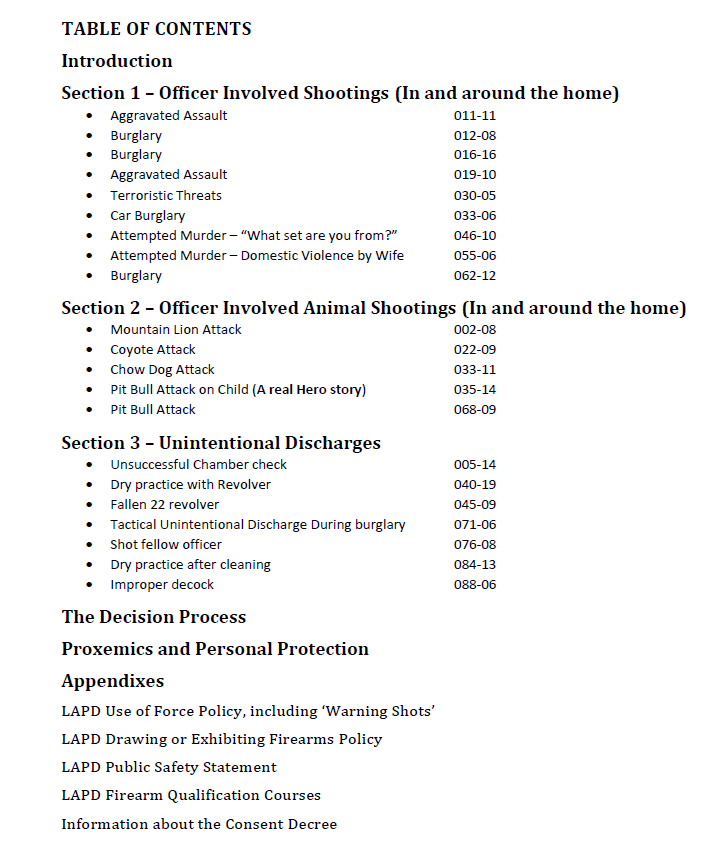
Click the image below to purchase the book.
Pepper Spray window of opportunity
“The small keychain type sprays only shoot about five feet.”
https://www.activeresponsetraining.net/your-tactical-training-scenario-defeating-pepper-spray
This is an important consideration when using pepper spray (OC) to defend yourself. Unlike firearms, the window of opportunity for using pepper spray, in terms of distance, is narrow. Most units that people will actually carry with them have a maximum range of about eight feet. As Greg says, the little keychain units, especially no-name brands, are limited to about 5 feet.
On the flip side, if a predator is inside of Personal Space (4 foot boundary) it becomes more difficult to deploy the spray because he’s at arm’s length. Once you can see ‘the look in his eyes,’ it’s probably too late to stick your arm out and spray him.
It can still be done but the technique is completely different. The best way is to stick the unit in contact with the predator’s upper lip with the nozzle turned upward and then spray the OC directly up his nose into the nasal passages. Or spray it into his mouth if you have to. It’s hard to do if you haven’t practiced it a few times.
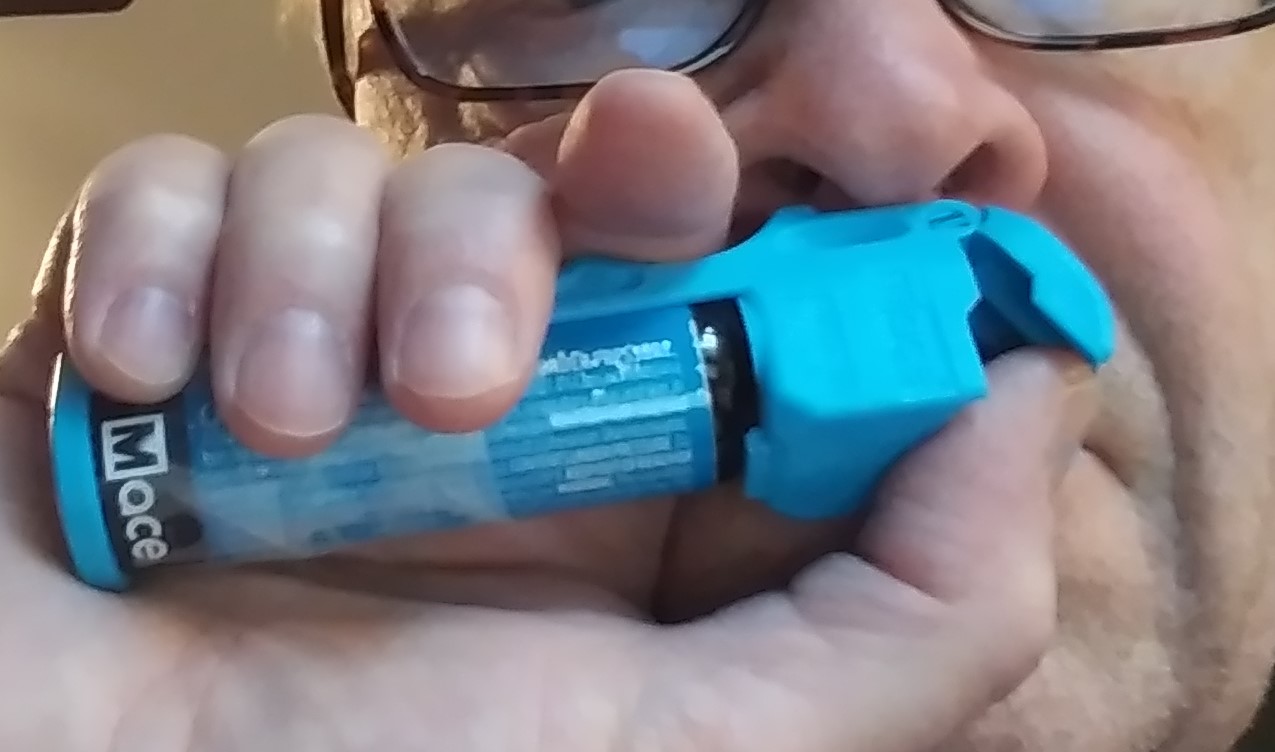
The window of opportunity for successfully deploying OC is another example of the importance of Orient in Boyd’s Process. Knowing what your OC unit is capable of (New Information) and applying that knowledge to establish your ‘line in the sand’ is the process of Analysis & Synthesis that leads to better decision-making.

Duel at the Dumbster (Part VI)
Something similar to the Snow Murders happened several years ago. I call it Duel at the Dumbster and wrote a series of articles about it.
Part I https://tacticalprofessor.wordpress.com/2018/09/21/lessons-from-the-duel-at-the-dumpster-part-i/
Part II https://tacticalprofessor.wordpress.com/2018/09/22/lessons-from-the-duel-at-the-dumpster-part-ii/
Part III https://tacticalprofessor.wordpress.com/2018/09/28/lessons-from-the-duel-at-the-dumpster-part-iii/
The Snow Murders prompted me to find out what had transpired for the shooters in the meantime. Whoops, Covid affected the father and son also. Their trial has been delayed indefinitely.
https://www.star-telegram.com/news/local/crime/article242568611.html
The Dumbster Fire video was previously available on LiveLeak, entitled Two Fat Hillbillies Kill [Man whose mouth writes checks that his ass can’t cash] Over Garbage but it doesn’t seem to be available there anymore. Fortunately, the star-telegram update article also includes the full video of that foolish confrontation and killing.
Unlike Jeffrey Spaide, who committed suicide after killing the Goys, no doubt the legal fees for the Millers are continuing to run. Even if they are found Not Guilty, they will be in hock to their lawyers for the rest of their lives.
The year after the Duel, I made a visit to the site as part of my trip to the SHOT Show.
Duel (Part IV)
Duel (Part V)
“There are men in this world,” [Don Corleone] said, “who go about demanding to be killed. You must have noticed them. They quarrel in gambling games, they jump out of their automobiles in a rage if someone so much as scratches their fender, they humiliate and bully people whose capabilities they do not know. I have seen a man, a fool, deliberately infuriate a group of dangerous men, and he himself without any resources. These are people who wander through the world shouting, ‘Kill me. Kill me.’ And there is always somebody ready to oblige them.”
–Mario Puzo in The Godfather
More surreal than I thought
I rewatched the video of the Snow murders. It was even more surreal than I initially realized.
Lisa Goy got her phone out of her pocket after Spaide re-emerged from his home. Once she had the phone out, she said “Go ahead” three times as she closed the distance toward Spaide. She held the phone up in the air. Between Spaide’s sixth and seventh shots, she said, “You’re on video.”
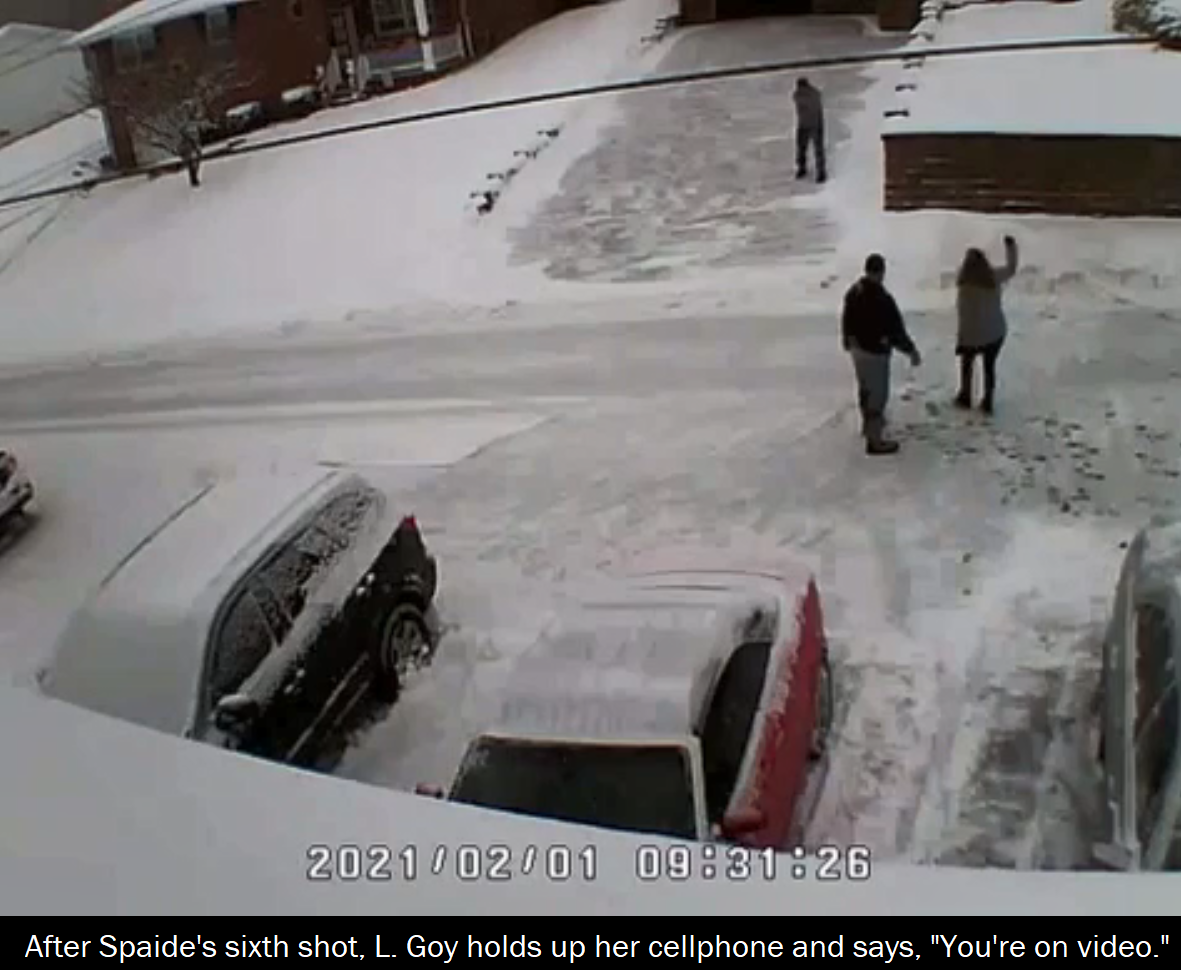
Spaide then fired his seventh shot, which hit James Goy. Lisa Goy then holds the phone even higher as she takes another step toward Spaide. Note her foot placement as compared to just before her husband was shot.
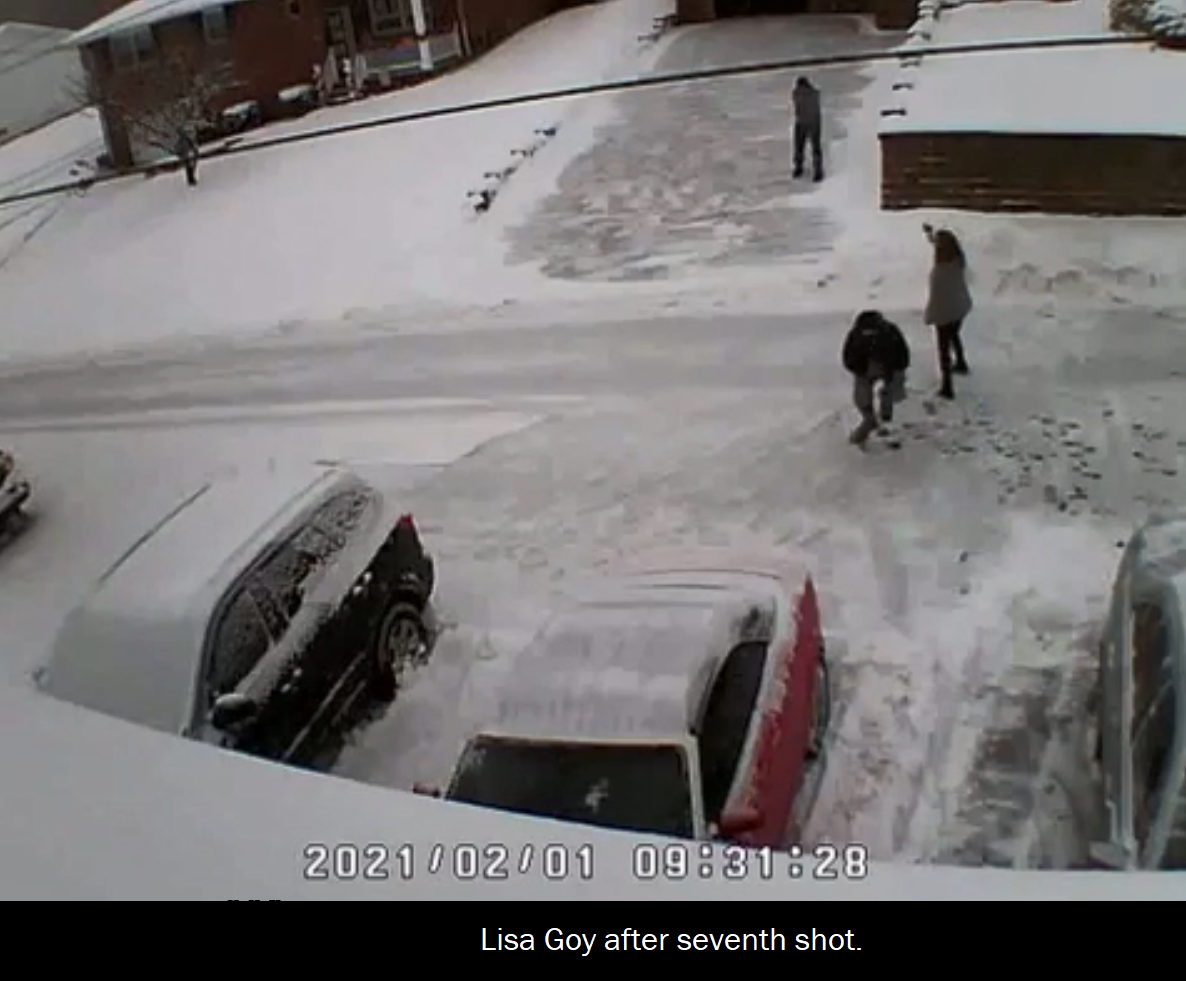
Spaide then shoots her with his eighth shot.
As someone said, it’s like they were in separate realities at the moment. Sort of like Tenet.
Someone correctly commented on my Facebook post, “Your last words shouldn’t be ‘Go Ahead!'” To which I added, “Or ‘You’re on video.'”
Don’t encourage people
If someone threatens (to kill) you with a gun, don’t encourage them. We saw that in the Duel at the Dumbster also.
“Lisa Goy at one point returns to her shoveling, but stops again to call Spaide ‘scum’ in the seconds before he returns with a handgun.
‘Go ahead,’ she urges her armed neighbor. ‘Go ahead.’
The group continues to shout until Spaide opens fire on the couple, striking them both several times.”
https://www.aol.com/news/surveillance-video-shows-pennsylvania-couple-160733616.html
Nuances
The Spirit of the Bayonet

“The will to meet and destroy the enemy in hand-to-hand combat is the spirit of the bayonet. It springs from the fighter’s confidence, courage, and grim determination, and is the result of vigorous training. Through training, the fighting instinct of the individual soldier is developed to the highest point. The will to use the bayonet first appears in the trainee when he begins to handle it with facility, and increases as his confidence grows. The full development of his physical prowess and complete confidence in his weapon culminates in the final expression of the spirit of the bayonet — fierce and relentless destruction of the enemy.”
Field Manual 23-25 Bayonet –October 1943 edition
Note the subtle distinction between the ‘spirit’ of the bayonet, “The will to meet and destroy the enemy in hand-to-hand combat” and the ‘final expression’ of the spirit of the bayonet, “fierce and relentless destruction of the enemy.” The first is philosophical, the second operational.

Recognizing how to put a concept into operation is an important step in turning information into knowledge. For instance, how can we operationalize the “O-O-D-A Loop?” My colleague Melody Lauer once asked me:
How do I use the OODA Loop? That’s not clear to me.
At the time, I didn’t have a good answer for her.
Now, I would say that the basis for making Boyd’s process operational is to dig deep into Orient. Boyd himself said:
Orientation is the schwerpunkt. It shapes the way we interact with the environment–hence orientation shapes the way we observe, the way we decide, the way we act. [emphasis mine] –Organic Design for Command and Control, slide 16
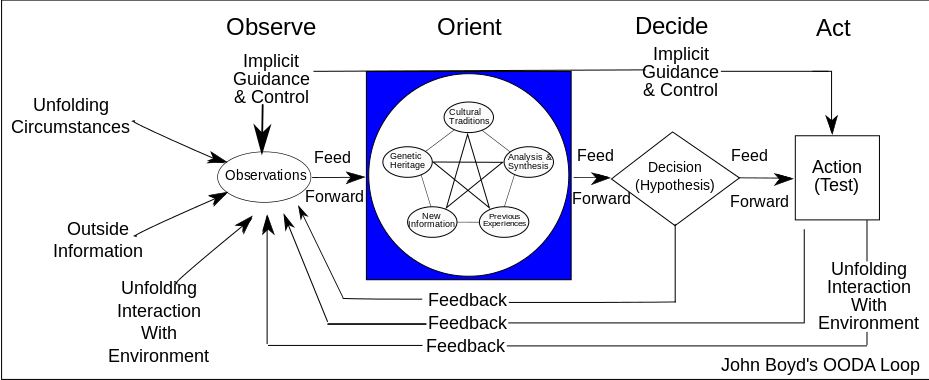
“I’ll shoot anyone I find in my house” is an example of an input to Orientation, probably a Cultural Heritage artifact from English common law of centuries ago. When we acquire New Information through training, observation, or experience, that also becomes an input to our Orientation. Then comes the hard part, Analysis / Synthesis. All the other inputs to Orientation coalesce through Analysis / Synthesis into decision-making that occurs ahead of an incident rather than during the incident. We may need to modify the plan and decisions as an incident unfolds, but that’s much easier and faster to do than making a plan up on the spot.
Examining, expanding, and integrating all of our Orientation inputs is what allows us to ‘make’ good decisions quickly. When we have formed a solid Orientation, we are actually not making decisions in the moment, rather we are ‘choosing’ from a menu of pre-made decisions available to us because we’ve already considered the benefits, objectives, and consequences and made a rational decision about what’s in our best interests. It’s how we avoid making Serious Mistakes. http://seriousgunownermistakes.com/

My thanks to Melody and Joseph Edward Timbs for provoking me to write this post. Also thanks to Steve Moses, Shawn Vincent, and Don West of CCWSafe for inviting me to participate in a thought provoking podcast about the topic.


You must be logged in to post a comment.