My Favorite Pressure Testing Drill
This is an old post of mine on Facebook from 2013. It was reposted today by my friends Phil Wong and Rob Reed. My thanks to them for resurrecting it. The post follows:
The concept of livefire pressure testing one’s shooting skills came up on a forum. This was my contribution.
My favorite drill is simple to set up but complex to administer. It requires comfort with an execution matrix to do correctly.
Conceptually, it’s best done with a group of about 2 dozen people or less. I’ve done it with 3 dozen, but it’s a lot of work.
It’s called ‘Everyone shoots against everyone.’ Using an execution matrix, I have every student shoot a short bout against every other student. Not consecutively, though. It’s not a mystery, I just run down the matrix and pair up names.
Logistically, all that’s required is two pepper poppers and two shoot boxes. The shooting is static. The drill is simple. Two shooters, two poppers, one signal. First to drive his/her popper down is the winner.
Where it gets difficult for the shooters is ramping their focus up and down over the course of an hour or so. Shooters do a lot of standing around and then get quickly called to shoot while the poppers are being reset. I do that timing deliberately.
When I did this for a large police department’s firearms instructors several years ago, their lead firearms instructor was the hands down favorite to win because he was easily the best shot in the department. However, that turned out not to be the case. He became complacent after awhile. The guys that had to shoot against him were jacked up every time. There ended up being no clear cut winner. The guys at the top of the winning curve were all reasonably proficient but not equal to him. Not surprisingly to me, the dedicated point shooters ended up at the bottom of the curve. One even told me he had decided to re-evaluate his philosophy because he got beaten so consistently.
At the end I commented that the amount of time they had to prepare for each bout after being called was similar to the amount of time they had from when they turned on their lights for a ‘routine traffic stop’ until they exited their patrol cars. Some of them do dozens of stops each day because they work traffic on the Interstate.
The psychology of approaching combat is as important as skill. Complacency, among other things, kills. After two years at Rogers, how students dealt with the problem mentally became far more interesting to me than the technique.

One of the difficulties of the Rogers Testing Program is that it requires students to take turns loading magazines, watching/evaluating someone else, and then standing and delivering. It goes on for over an hour, which is psychologically nerve racking. This evening, I was watching some footage of a huge firefight in Afghanistan and was struck at how similar the pacing was to the Testing Program at the School.
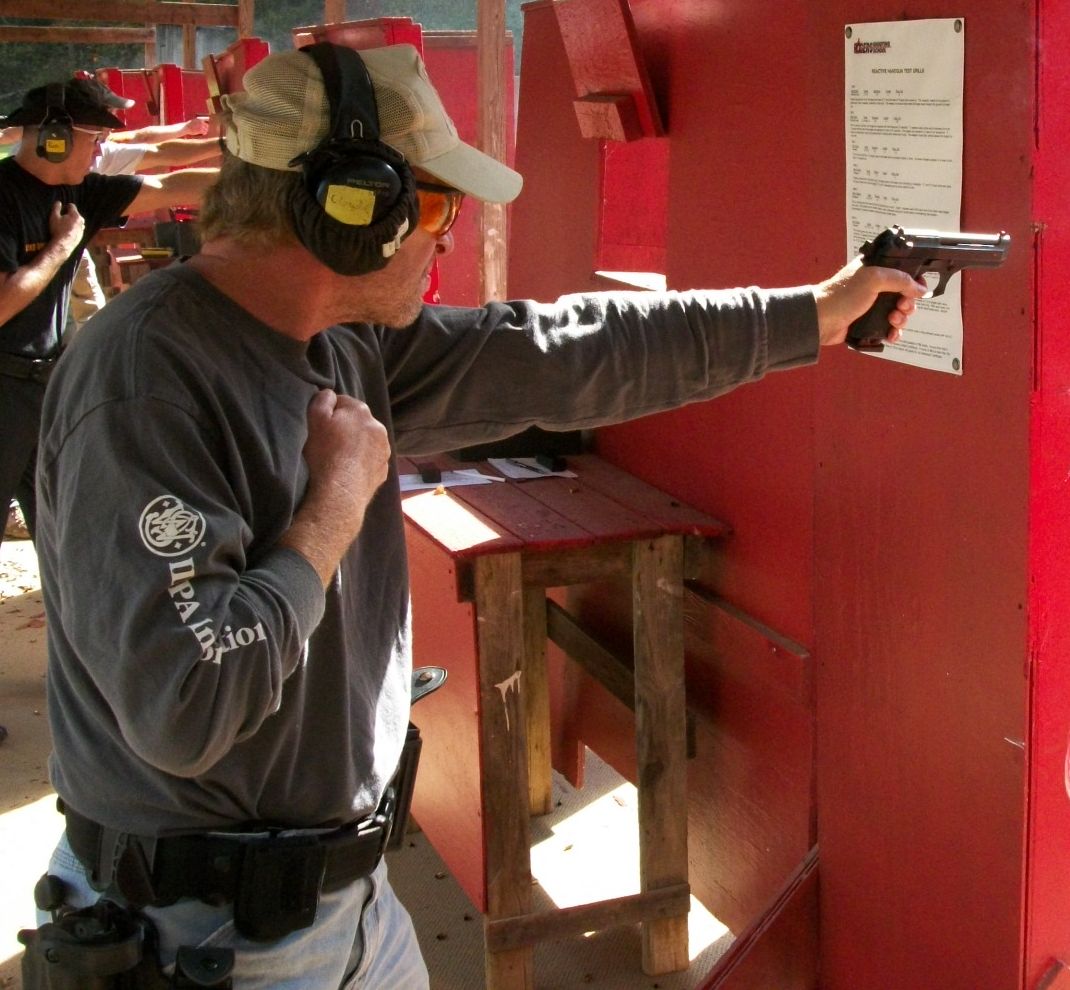
Periodic Personal Evaluation
#saturdayskillsczech
My December article for Shooting Illustrated is entitled Near to Far Marksmanship Practice.
https://www.shootingillustrated.com/content/near-to-far-marksmanship-practice/
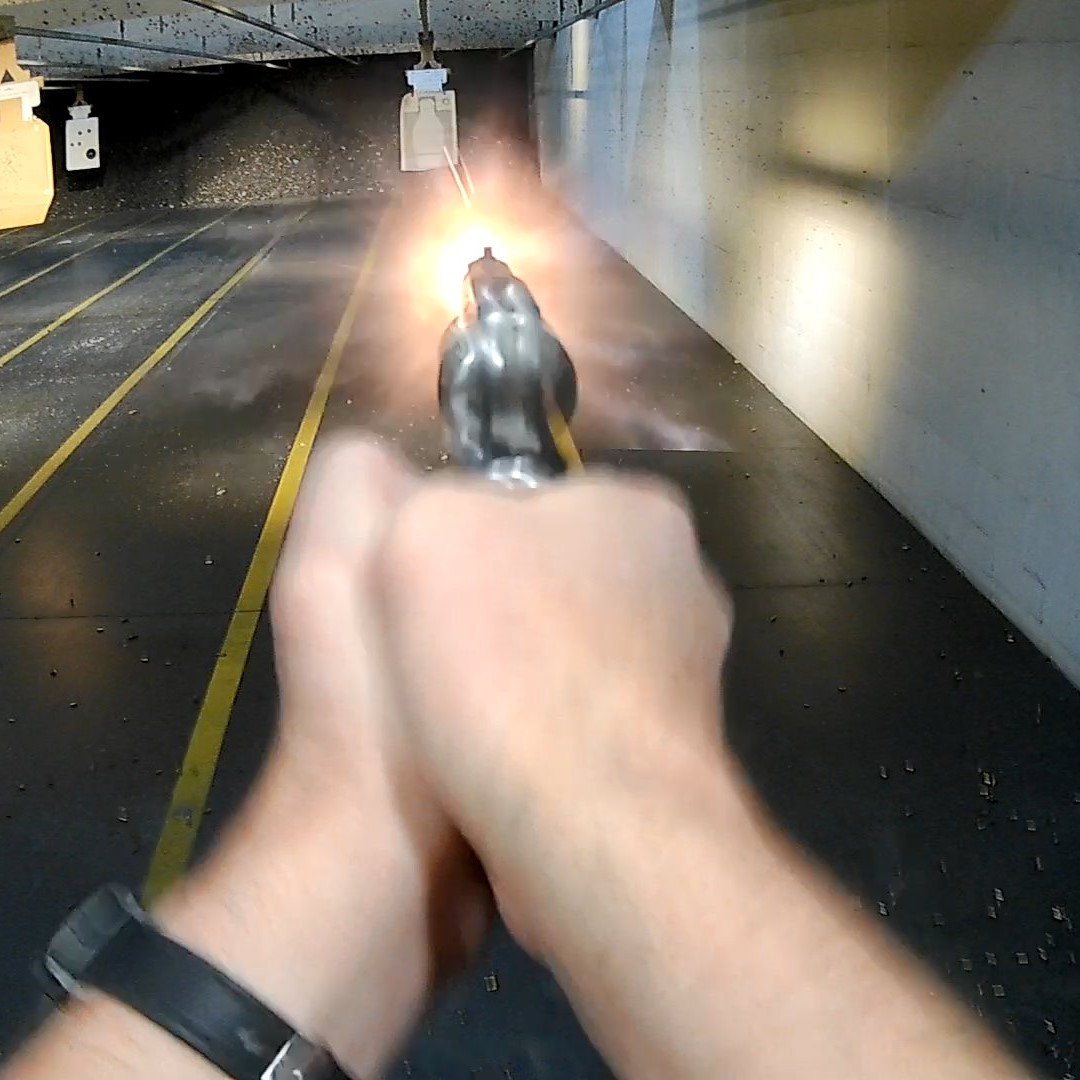
Although New Jersey made a strong try to keep people from getting their License To Carry, the qualification course itself is a decent practice regimen. It’s also a useful metric for measuring your skill periodically.
Try shooting it on an IALEFI-Q and score it by the rings. Center ring gets 5 points, next ring get 4 points, balance of the Q receives 3 points. Hits inside the face circle score 5 points. Anything outside the Q scores 0. A Possible would be 250 points (5 x50 shots). If you don’t have an IALEFI target, just trace around a paper plate in approximately the same place on your silhouette. Your scoring is then 5 points for the circle and 3 points for the rest of the silhouette.
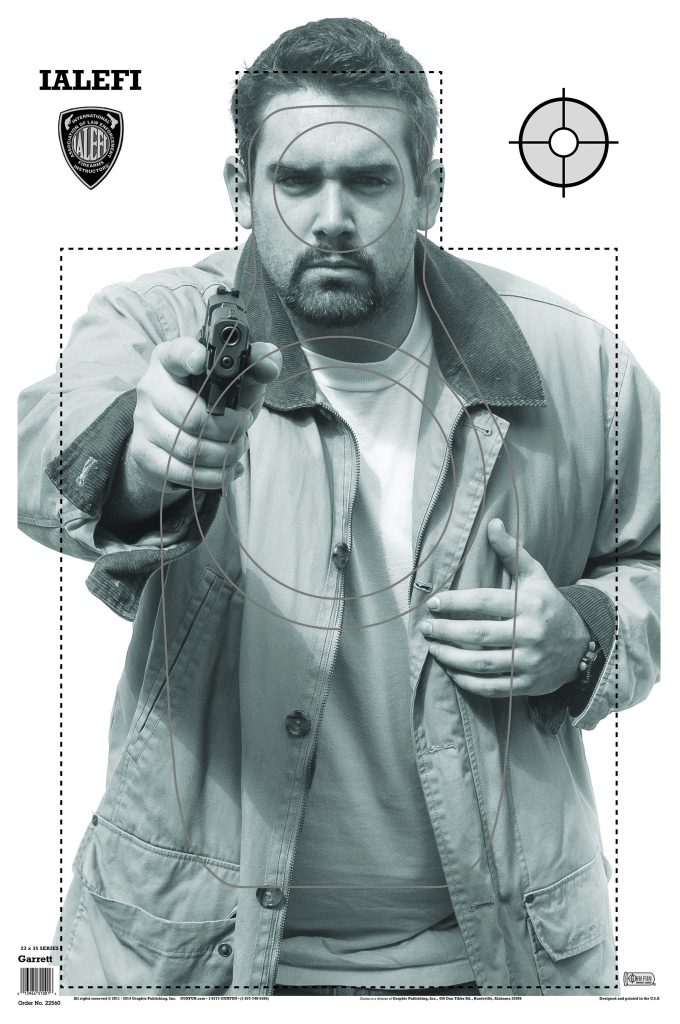
To make it a good tune-up and personal evaluation, shoot the course as a version of Jimmy Cirillo’s 1-2-3-6 drill. Instead of 6, fire 4 shots for the final string. Start loaded with 6 rounds only. Draw and fire 1 shot, reholster, draw and fire 2 shots, reholster, draw and fire 3 shots, reload, and immediately fire 4 shots. Bear in mind that the second most missed shot in shooting is the shot immediately following clearing a stoppage. The reality of transitioning back to trigger control after doing a gross motor manipulation can be tricky.
Since CCARE starts at 3 yards, at that distance shoot all face shots. Repeat the same sequence at 5 yards, 7 yards, 10 yards, and 15 yards but shoot for the 8 inch circle. After shooting each distance, tape your hits before moving to the next distance. At the end of the course of fire, place your pistol in whatever condition you wish to when you leave the range.
Although the CCARE is rather stringent for a CCW qualification, it has value as a practice regimen. It includes a minimum of 10 presentations to the target or 15 if you use the 1-2-3-4 sequence. There are multiple opportunities to practice reloading, and it’s highly manageable with wheelguns. Even J-Frames can work, just reload in a slightly different sequence. It’s a good use for a box of practice ammo.
Informal Instruction
A colleague of mine had the opportunity to give a short (15 minute) informal block of instruction to a friend of hers. Most firearms instruction in the US is informally done between friends or relatives.
Their session didn’t involve any live fire and was conducted in their office. It was simply a short briefing on basic safety rules, gun handling, and model specific instructions on how to operate her handgun.
An interesting comment came up in our discussion about the session. It’s worth keeping in mind any time we teach somebody something, whether the subject is firearms related or not.
I talked with her not at her.
When we teach an adult, it’s always worth remembering to approach it that way. Even if we are a Subject Matter Authority, the person is one of our peers and deserves to be treated respectfully. They should be treated like a client in an Adult-Adult relationship, not a grade school student in a Parent-Child relationship.
Mutual respect will garner the rapport necessary for the instruction to be effective and add value to the person’s life.
Online Firearms Safety Course
I just completed the Washington, D.C. Metropolitan POlice Department Online Firearms Safety Training Course. It’s actually well done and informative. There are a few parts particular to D.C. laws but other than that, nothing odious. The animations are generally well done and informative for newcomers to firearms ownership. The course took me about half an hour to complete.
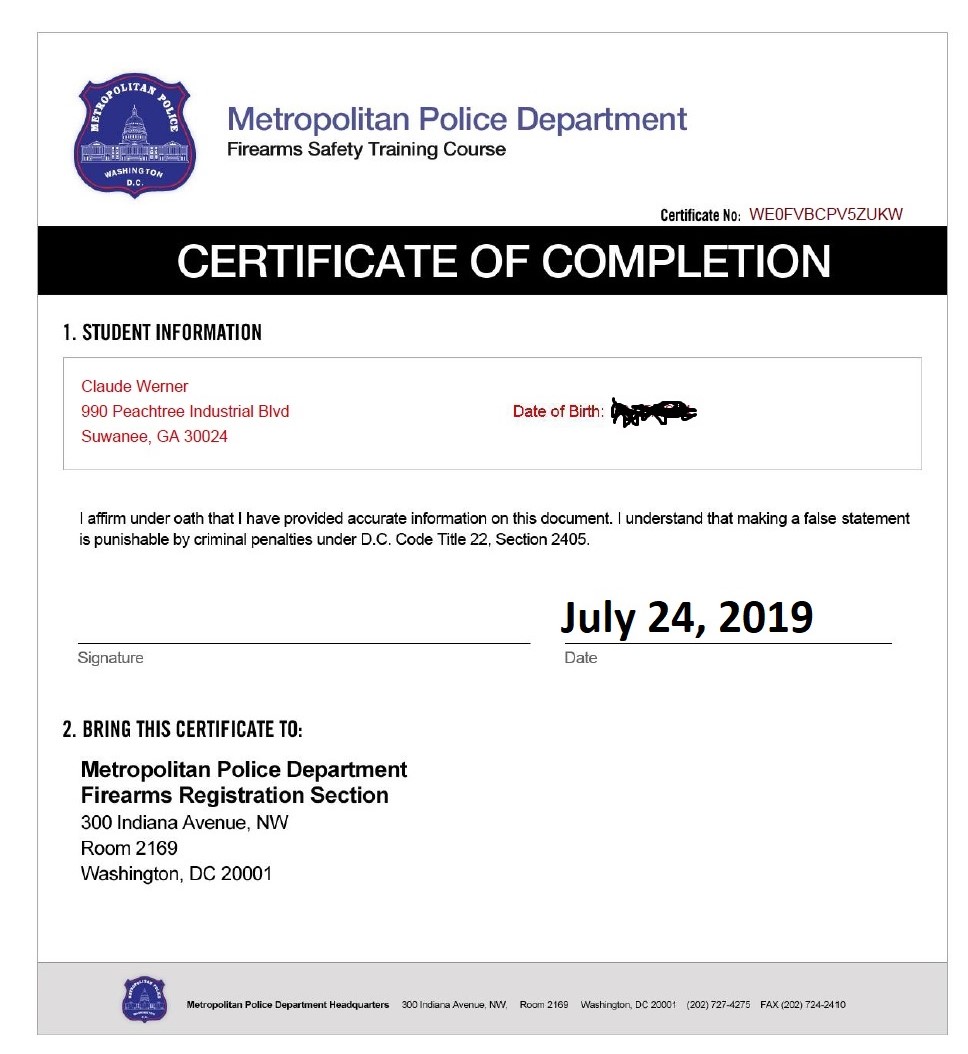
There were only two errors noticeable to me, one technical and one typographical. I’ll let the webmaster know about them.
Accidentally
Muzzle direction is the primary safety. Always has been and always will be.
–Bill Rogers
Garland man accidentally fatally shot in head while teaching son to shoot
What’s so sad is how many different recent incidents the search string ‘son accidentally shoots father‘ brings up. Both fathers and sons are on the receiving end.
Firearms are relentlessly unforgiving of the slightest lapse in attention or knowledge of their manuals of arms. The details of this incident aren’t stated but they’re almost irrelevant. Does anyone think that poor boy will ever have a well adjusted life? I doubt it. Who’s fault is that? Certainly not the boy’s.
Just because a person “has been around guns all my life” doesn’t mean they know anything about them. All that frequently parrotted phrase means is that the person has beaten the odds so far. Don’t be ‘that guy.’ It’s not a hair dryer; learn about your firearm(s) and any of the sets of basic safety rules. The number of people who can’t recite, from memory, at least one set of firearms safety rules is astonishing.
There are several sets of safety rules. The NRA Rules are a good start.
ALWAYS Keep The Gun Pointed In A Safe Direction
This is the primary rule of gun safety. Common sense dictates the safest direction, depending on different circumstances.
ALWAYS Keep Your Finger Off The Trigger Until Ready To Shoot
When holding a gun, rest your finger alongside the frame and outside the trigger guard. Until you are actually ready to fire, do not touch the trigger.
ALWAYS Keep The Gun Unloaded Until Ready To Use
If you do not know how to open the action or inspect the chamber(s), leave the gun alone and get help from someone who does.
Let’s be careful out there.
Stink about NRA Carry Guard
There’s currently a lot of Internet stink about some limitations imposed in the NRA Carry Guard training. I’m not going to comment about Carry Guard in general because as an Instructor certified in numerous disciplines through the NRA Training Department, there’s a possible conflict of interest.
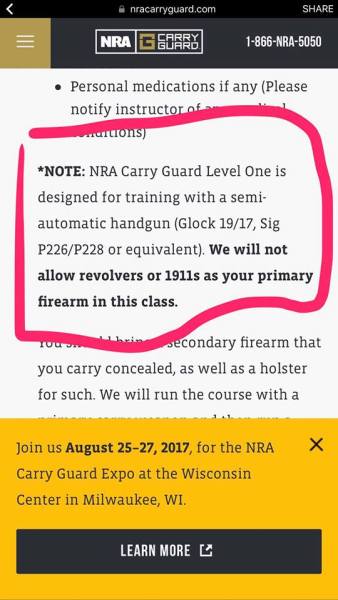
What I will comment about the equipment limitation is:
They’re staying in their lane of competency.
Looking at the background and resumes of the instructors, running a striker fired autoloader or Sig 226 is mostly likely all they’ve ever been trained with, practiced with, or used. Revolvers and 1911s have a different manual of arms and idiosyncrasies that these instructors, with the exception of Jarrett who was briefly with the LAPD decades ago, are probably not familiar with.
They are probably expert with the weapons they have used and the possibility is they are either inexperienced or ignorant of how to operate other weapons at any professional level. I see that a lot now. The number of young police officers who literally cannot open the cylinder of a revolver is stunning. There are numerous firearms trainers who can operate one or two weapons and provide good training, as long as it’s confined to those weapons
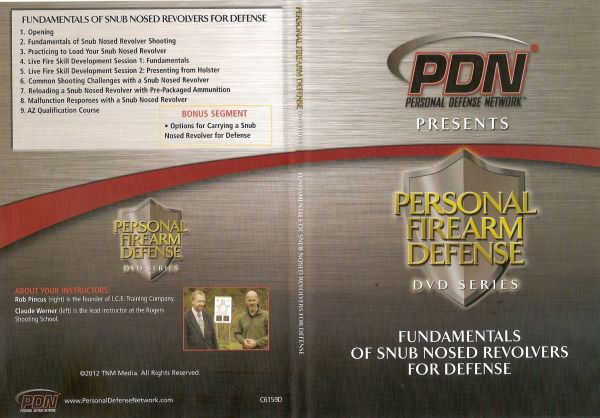
Why would we then encourage these Carry Guard instructors to teach students how to use weapons they are not experts in the use of? How often has the meme ‘Stay in your lane’ surfaced lately? To his credit, when Rob Pincus wanted to make a DVD about Snub Revolvers, he brought me in to do it, just as he did with Dryfire. I’m an expert on those topics and he is not.
We can’t have it both ways. If we want instructors to ‘Stay in their lane,’ then we’re going to have to accept that just like lanes on the highway, the lanes have limits. In this case, the limitation is that NRA Carry Guard probably needs to say “Training for a limited subset of weapons but not all.” Describing itself as ‘the Gold Standard’ is probably a bit of a stretch. That is not to say I accept what Carry Guard provides is, in fact, the ‘Gold Standard.’ I mean that if Carry Guard is unwilling to provide training for two extremely common weapons, revolvers and Browning pattern pistols, then, by definition, it can’t be ‘the Gold Standard.’
Perhaps it could be ‘the Silver Standard.’ Without seeing first hand what actually takes place at the training, there’s no way for me, or anyone else, including NRA Carry Guard, to say. What they are going to provide remains a prototype, unlike the training provided by NRA Certified Instructors, which are proven training processes. How well Carry Guard’s training prototype will translate to the Instructor candidates being recruited also remains to be seen. At least as long as you’re not using a revolver or 1911. Then you don’t have to be concerned with it.
Standards (Part V – Know the Rules)
Deputies: Homeowner arrested after fatally shooting intruder in shower
The man went inside and confronted another man he found in his shower, deputies said. The homeowner left after the two exchanged words.
‘He returned home, retrieved a firearm, came back over to the residence and fired multiple rounds into the shower … killing the intruder,’ said Mason County Sheriff’s Lt. Travis Adams.
The homeowner called 911 and told dispatchers that he had just shot and killed an intruder, Adams said.
It’s not clear how long [the intruder] had been inside the home, but detectives don’t believe the homeowner gave him any warnings before he fired his gun, they said.
Deputies later arrested the homeowner for second-degree murder. They believe he had ample time to call for help when he went back home.
The odds are that the shooter will spend a significant portion of the rest of his life in prison. This is a Negative Outcome. It’s a clear example of how foolish the “I’ll shoot anyone I find in my house” ideology is.
I’ll shoot anyone I find in my house.
—Bad idea
When I posted the link to the story on my Facebook page, one person replied that he SHOULD have been allowed to kill the intruder. My response was: “No, adjusting our response to the context of the situation is what keeps us from being savages.” Usually, it makes me cringe when news stories refer to someone being ‘gunned down’ but in this case, I think it would be appropriate. What the shooter did was a savage act of unnecessary lethal violence. It wasn’t motivated by fear for his safety or the safety of his loved ones; rather, it was a senseless expression of emotional outrage. We shoot people only when we have to not because we want to.
Another person commented that it was his property and the intruder had committed the offense of breaking and entering. The question was why wasn’t this a Castle Doctrine case. The Castle Doctrine is not an absolute defense. Reasonableness of your response will almost always be applied as a test of the response’s legality. Gunning someone down while they’re taking a shower isn’t likely to be viewed as ‘reasonable.’ As Massad Ayoob put it in the linked article:
Yes, your home is that castle. However, that doesn’t mean you’re allowed to install an execution chamber.
The number of people who own firearms or other deadly weapons and yet haven’t the slightest clue about the legal ramifications of their use is astounding. Know the Rules needs to be a standard of our conduct just as much as the physical ability to use the weapon. What you might think the rules are or should be is irrelevant. The actual rules are all that are important.
It used to be that reliable information about the legalities of personal protection was hard to come by. Not anymore. There are numerous readily available sources of information about the law. Without leaving the comfort of your home, several good sources are available.
- What Every Gun Owner Needs to Know About Self-Defense Law (free download)
- Deadly Force: Understanding Your Right to Self Defense
- The Law of Self Defense: The Indispensable Guide to the Armed Citizen
- Law Of Self Defense online course
For the lack of reading and understanding a book, the Washington shooter will pay dearly. His legal fees for the trial will most likely cost him everything he owns and he’ll still probably go to prison.
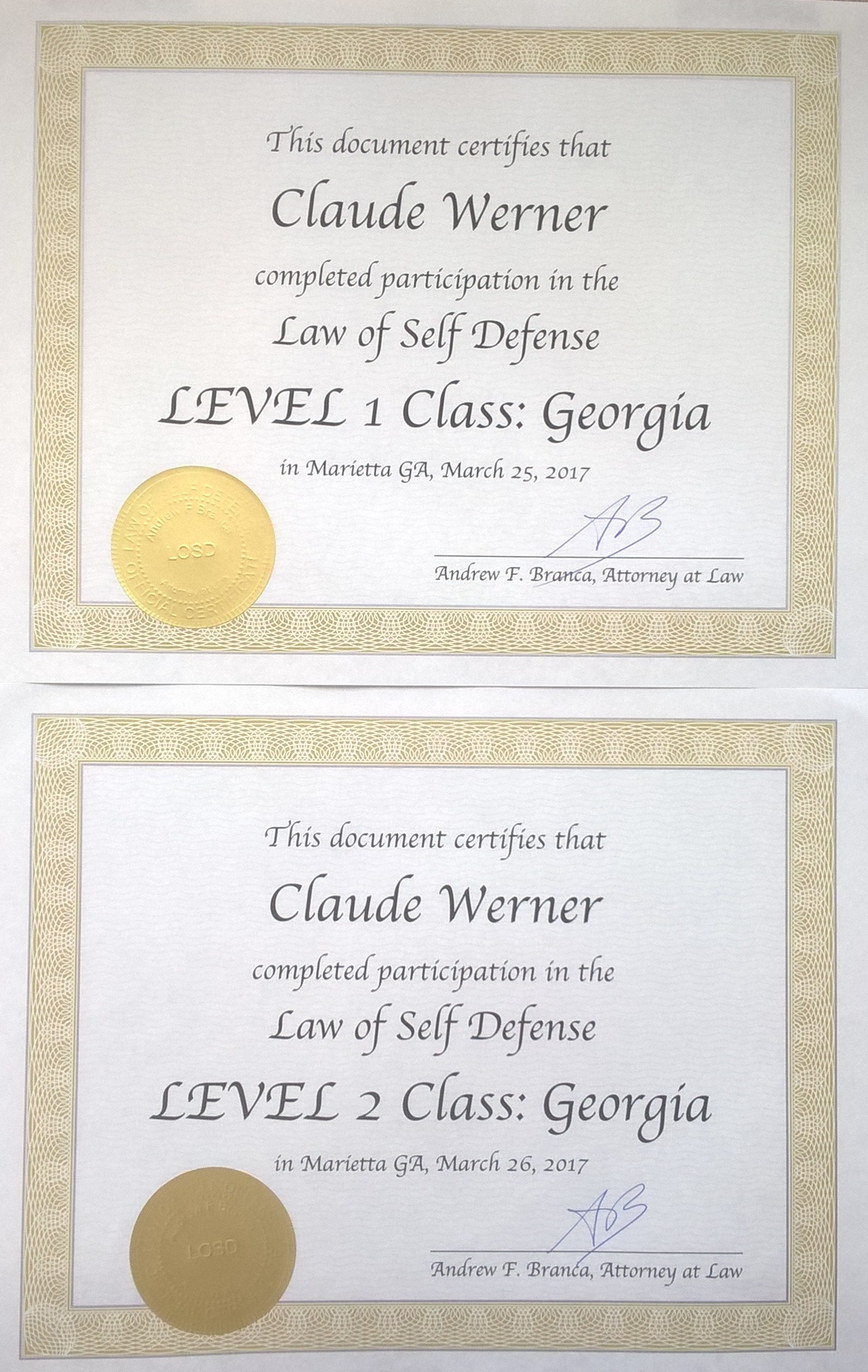
I recently attended the Law Of Self Defense Level I and II classes. They were an excellent legal education resource, tailored specifically to the State I live in, Georgia. The law does not necessarily make sense nor does it have anything to do with what you think it should be. The cost of such training is minor compared to the cost of a trial or even just being arrested on a charge that is later dropped. The optional simulator exercise at the end of the day was also a sobering demonstration of how poorly unpracticed people tend to shoot under stress. LOSD classes are available all over the country and are specifically tailored to the laws of the State they are given in.
A benefit of membership in the Armed Citizens’ Legal Defense Network is the training DVDs provided with membership. Once again, you can learn a great deal about the appropriate and inappropriate uses of forces without having to leave your living room.
Don’t guess, don’t listen to the foolishness you read on Internet Forums, and don’t make decisions based on what you think the rules SHOULD be. Invest at least a little of your resources and find out what the rules really are. It’s true that most situations are fairly cut and dried and work out legally for the defender. The issue is that when things go bad, they tend to go really badly. The rest of your life can easily be at stake. Very few of us would look forward to spending decades in the can (prison) without a Man Lock by McGard.

Perhaps the most unintentionally funny advertisement ever.
Also, if you’ve taken a State CCW class, the one hour briefing when your eyes glazed over doesn’t count as any kind of meaningful legal education. Don’t confuse that with education that actually teaches you how to apply the law to your personal situation.
Fair disclaimer: I was a guest of LOSD for the classes and didn’t have to pay for them. However, no promotional consideration for my recommendation was offered nor accepted by me.
Endnote: The intruder in Washington was probably a confused drunk. That’s not going to go over well for the shooter, either.
Summer Special on DVDs
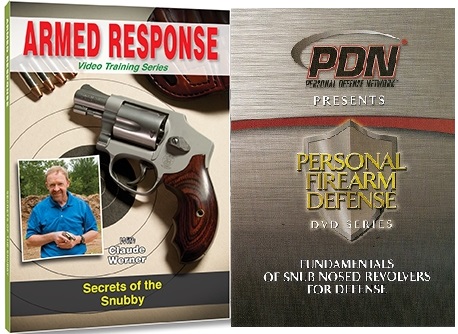
The warm weather is here and I know a lot of folks are going to start carrying snub revolvers for the summer. I love snubs and have spent years learning how to run them well. As far as I know, I’m the only person to ever have won six Sanctioned IDPA Championships with a snub.
At the same time, I acknowledge they’re not the easiest guns in the world to shoot. That’s why I made two DVDs about the best techniques for using snubs and getting the most performance out of them.
To kick off the Summer, I’m offering both DVDs together as a package at a discounted price. Also included is a free bonus CD with two dryfire practice regimens and a reduced scale practice target to help you keep your skills up.
You can get the package on my webstore.
You can tell from the music (DJ Siamey) on this one that I’m a Trance music kind of guy.
Why don’t people train?
Owning a handgun doesn’t make you armed any more than owning a guitar makes you a musician.
–Jeff Cooper
Of all the things Jeff Cooper said, the above saying has become the most prevalent mantra within the firearms training community. It has been memed in many ways. The latest I saw was ‘Without training, you are just pretending.’ The original saying and its various memes allude to the need for gun owners to be trained, ‘regulated’ in the sense of the Second Amendment, in order to be able to effectively use their weapons for personal protection. Why, then, don’t more gunowners pursue training beyond the bare legal minimum, where required?
First of all, let’s confront the validity of the statement itself. We should note that there are quite a few capable musicians and singers who are self-trained. With regard to firearms, the firearms training industry has really only existed since the mid-1970s, when Jeff Cooper founded the American Pistol Institute at Gunsite. Before then, even many police officers didn’t receive much in the way of training. There were virtually no venues available for formal training for Private Citizens, other than the Boy Scouts or Camp Perry. Does this mean that in the 200 years of US history preceding the foundation of API, the American people were ‘unarmed?’ Of course not. Americans have a rich history of shooting predatory no-goods without a moment’s hesitation, even before the foundation of the Republic.
On an almost daily basis, we read and circulate reports of Armed Private Citizens defending themselves, their families, and their neighbors with firearms. The vast majority of these incidents are successfully solved by people who have not one bit of formal training. What this means is we trainers can’t have our cake and eat it, too. Every time we celebrate a successful defense, and rightfully so, we essentially invalidate Cooper’s saying.
What are the reasons a gunowner might cite for not taking training, assuming it’s available, which is a separate issue? There are any number of reasons, such as:
- Time
- Expense
- Accessibility
- Scheduling
- Lack of motivation
- Lack of incentive
- Lack of understanding
Time and expense should be discussed together because they are both personal resource constraints. The time demands on most people are extensive, especially in a single parent family. Similarly, money is tight for the majority of Americans. The question “How much is your life worth?,” another popular meme in the training community, is moot when the rent is due tomorrow and your kids want to eat.
Accessibility and scheduling are another pair of related issues. According to the US Census, 80.7 percent of Americans live in urban areas. Where are most training facilities? Out in the boonies, in what the Census describes as ‘rural areas.’ While there is some instruction that goes on at indoor ranges, my experience is that it is best described as ‘familiarization’ rather than training. This is a huge disconnect. The location of training facilities is a factor that impacts the time issue I previous mentioned. If a person has to budget several additional hours or days, just for travel purposes, that becomes yet another resource constraint.
To its credit, the NRA Training Division is trying to address this issue through the use of a ‘Blended Training Model’ of both online and in-person training. The result among the NRA Instructor community has been mostly anger and serious pushback. Much of the dissension is based on pure economics. I’ll let you draw your own conclusions about that.
With regard to scheduling, when do trainers tend to schedule training mostly? I submit that we schedule when it’s convenient for us, not for the students. That’s one reason I have gone exclusively to short evening classes and one day only weekend classes. Asking people to spend both days of a weekend, out in the sticks, is simply an unreasonable demand on their time.
Lack of motivation, incentive, and understanding are allied factors, as well. About them I will say we in the community simply haven’t made a good case for what we teach and why we teach it. This is especially true in light of the regular reports of people who successfully defend themselves and their families without any training. Although we trainers spend a certain amount of time talking about what we teach, we still haven’t made a good overall business case for “What is the value of training?” Until we do, folks just aren’t going to come. I think the training community might benefit from some Dale Carnegie training for itself.
Mistaken identity shootings
None of us can imagine the feelings that must occur in the case of a mistaken identity shooting of a family member. We don’t like to talk about this sort of thing in the gun community but it happens on a regular basis. Don’t let it happen to you, on either end.
I’ve written about this before and probably will again. It’s an avoidable tragedy.
 tacticalprofessor
You must be logged in to post a comment.