Children are creative
The statement was that the child put a speaker next to (the shelf) to crawl up and get (the gun)
Crawford County Prosecutor Matt Crall
Grandmother charged after her 4-year-old Galion grandson shoots himself dead with her unsecured pistol.
The woman had left a loaded.22 caliber, semi-automatic pistol on top of a shelf.
Leaving loaded and unsecured guns lying around, even on a top shelf, is irresponsible. I’ve known a number of people who think that’s an acceptable practice but it’s actually idiotic. When children live in the household, as the boy did in this case, it’s even worse, if that’s possible.
I’ve been encouraged to write a Second Edition of Serious Mistakes Gunowners Make. Sadly, I’ve acquired a lot of new material, although all of it follows the same pattern.
OTOH, this murderer should simply be thrown into an active volcano forthwith.
According to police, the shooter fired bullets at a residence from a nearby alleyway, and one of those bullets struck Trinity, who was jumping [on a trampoline] with friends.
Minn. Girl, 9, Is Fatally Shot While Jumping on Trampoline with Her Friends
https://people.com/crime/minnestota-girl-fatally-shot-jumping-trampoline/
Breaking Contact (Part 5)
#mindsetmonday
Our goal in personal protection is to force a break in contact. We want them to go away, or we want to go away. One or the other.
The final segment of the CCW Safe Series about my concept of Breaking Contact is posted.
https://ccwsafe.com/blog/breaking-contact-pt-5
This edition focuses on success stories. I like those.
[W]hen a concealed carrier enters a self-defense situation with the goal of breaking contact — as opposed to a goal of killing or disabling an attacker — the defender has a substantially higher likelihood of avoiding a deadly shooting or making a successful self-defense claim when all else fails.
Shawn Vincent
Cover is your friend
The teen ducked behind a tree. The prosecutor’s report said one of the rounds fired by the deputy was recovered later from that tree, and several other rounds were recovered from other trees between the teen and the deputy.
A deputy and a trooper mistakenly fired 8 rounds at an innocent boy.
Be aware of not only who is around you but what is around you, including things that can prevent you from getting ventilated.
Trooper 1 stated to investigators that at the time he exited his patrol vehicle he believed the gunshots he was hearing (Deputy 1’s gunshots) were actually that of LEATHERMAN towards himself. He stated he fired in self-defense at LEATHERMAN believing he was being shot at.
My Battalion Commander made the comment during Civil Disturbance training that the POlice are, at most, used to operating in pairs. Pairs generally only exist in large urban areas. When an ad hoc group of POlice come together, such as in this case, it’s very easy for things to go South quickly. The LAPD has very strict requirements for a supervisor to assume command as Incident Commander when groups of officers assemble. In cases such as this no such control mechanism is possible and things can easily get out of hand, as they did. My advice is that if you see a group of POlice from different agencies gathering, leave the area immediately.
Note also that Officer 1 was downrange of Deputy 1 and Trooper 1 while they were firing at the innocent bystander. Struggling with Subject 1 on the ground to take him into custody might have saved that Officer’s life.
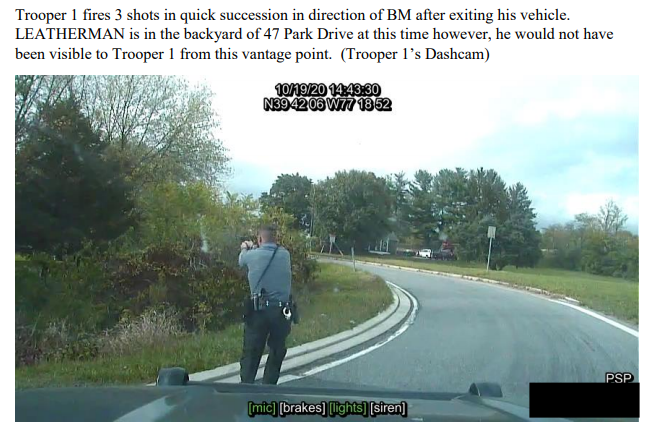
The full 27 page report from the State’s Attorney about the incident is available to download from the news article.
Another of my rules is that if I were to hear shots fired, I am going the other way as quickly as I can. Nothing good comes from ‘running to the sound of guns’ as a Private Citizen. Something something, curiosity killed the cat, something something.
Breaking Contact (Part 4)
Breaking Contact Part 4 is up.
https://ccwsafe.com/blog/breaking-contact-pt-4
Marissa Alexander, Alexander Weiss, and Jerome Ersland are the cases discussed in the post.
The lesson for concealed carriers is that if you manage to break contact with a perceived aggressor, do not re-engage.
Breaking Contact (Part 3)
#fridayfundamentals
The CCW Safe https://ccwsafe.com/ series about my concept of Breaking Contact continues with Part 3.
https://ccwsafe.com/blog/34532
Part 2 of the series focused on situations where the concealed carrier initiated contact. Part 3 focuses on incidents where the carrier was initially approached and failed to take the opportunity to Break Contact.
I hate platitudes when they’re used in an attempt to simplify a complex topic into a sound bite. “Better to be tried by twelve than carried by six” is one of the most commonly parroted sayings in the firearms community. While many times we are presented with the optometrist’s question, “Which is better, A or B?,” decisions that are made in advance and are going to affect the rest of our lives seldom are binary. I like to think we’re smarter than parrots that have been trained to say one or two things.

As Shawn points out, the decision process has several more options.
When the goal is not necessarily to kill or disable a would-be attacker, a defender is open to other options that carry less legal risk and may produce more positive outcomes.
When breaking contact is the goal, sometimes it is better to disengage rather than attempt to de-escalate.
My personal paradigm is:
- Avoid
- Escape
- Confront
- Resist
Any attempt at de-escalation, even when benign, is a part of Confront. Disengage is part of Escape. Escaping is higher on my priority list than Confronting.
Similarly, in the Gerald Strebendt incident, he unnecessarily moved up the paradigm from Escape to Confront. A confrontation inherently carries more risk associated with it than an escape. As John Hall, former head of the FBI Firearms Training Unit put it:
Any encounter carries with it an element of chance.
My initial post about Breaking Contact (Part I) is located here:
The second is here.
If you would like to purchase my book, click on the image below. The detailed investigations and reports of incidents involving off-duty LAPD officers are very instructional for understanding the differences between Avoiding, Escaping, and Confronting.
Someone thought their car was a holster
Investigators said initial reports indicated the 9-year-old had found a handgun inside the car.
9-year-old believed to have fatally shot 11-year-old boy in car in Pleasant Grove, Dallas police say
My tolerance for this kind of idiocy gets lower and lower with every one of these incidents I read about. Anyone who leaves an unsecured gun in a car is a fool. People who do it can sugar coat their reasons all they want and I’m still going to say:
If you leave an unsecured gun in your car, you’re a fool. If you consider this an acceptable practice, please unsubscribe from this blog; I don’t suffer fools gladly.
When a child gets shot because of an adult’s carelessness about securing a firearm, it’s no different than if the child was killed while the adult was drinking and driving.
Mommy and Daddy, where’s my older brother?
He’s not with us because you killed him when we left you alone in the car with an unsecured loaded gun.
Think about having that conversation any time you feel like leaving your gun in the car.
What is the Tactical Conference?
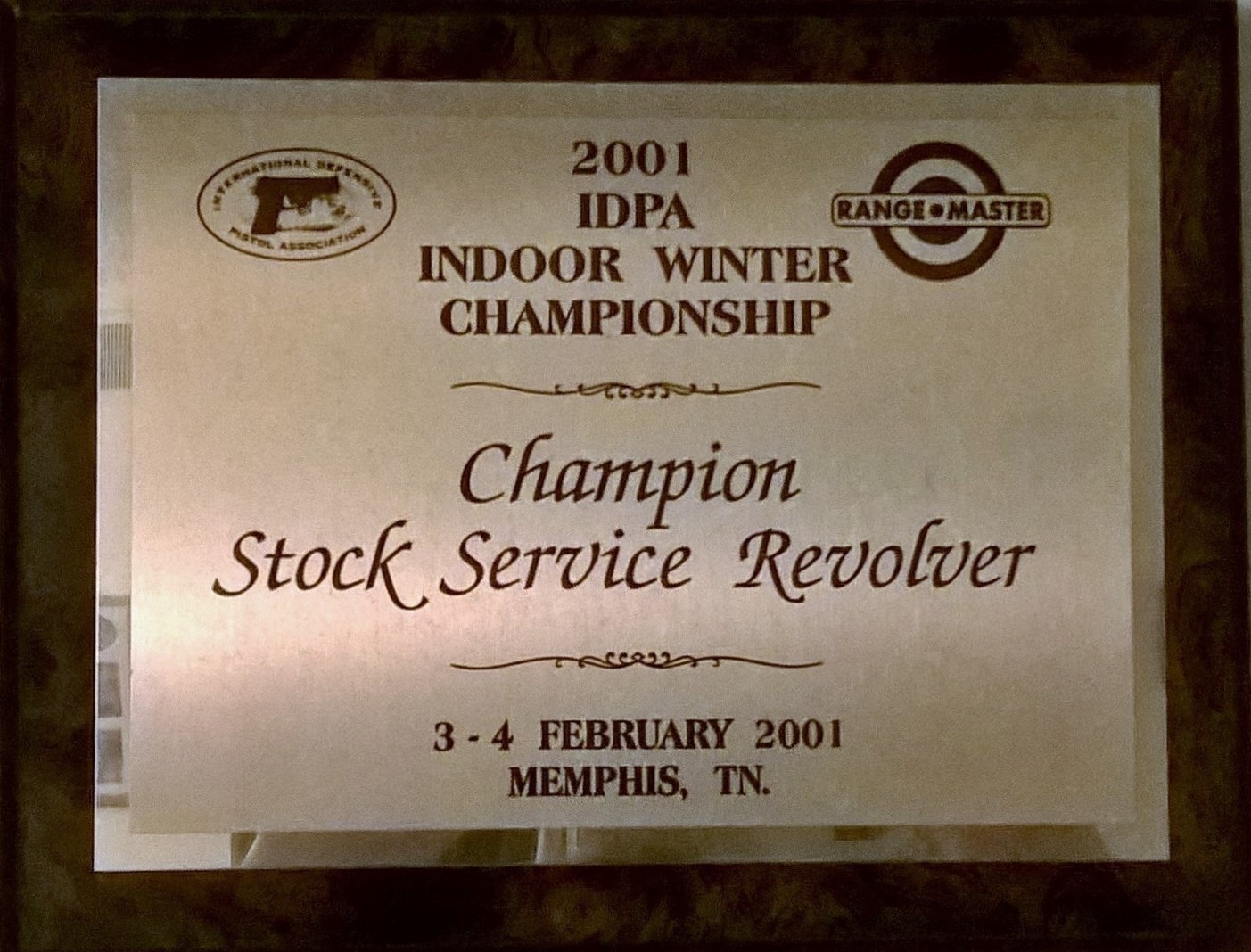
The Rangemaster Tactical Conference started as an International Defensive Pistol Association Major Match in the late 1990s. The IDPA Indoor Winter Championship, as it was then called, was held at Rangemaster’s facility at that time in Memphis, Tennessee. The organizer was Tom Givens, the owner of Rangemaster, a long time pistol competitor, and the leading trainer for Tennessee Concealed Pistol Licenses in Memphis. It was a large enough event to be featured as a segment on Shooting USA.
Typically, a shooting match consists of a few minutes of shooting and hours or days of idle time. However, the Winter Indoor Championship presented a unique opportunity because it was held at an indoor range with classrooms. Tom Givens’ relationship with the training industry meant that he was able to host various trainers who could present concurrent lectures about Self-Defense and Personal Protection. Some of the earliest presenters were well known names such as Massad Ayoob, Marty Hayes, and John Farnam.
The Pistol Match is still an integral part of the Conference. All attendees are invited to shoot the Match to get an idea of the strengths and weaknesses of their skills. Not everyone shoots it, though, because of the wide variety of other training opportunities that are also available during the three days.
Eventually, the demand for the tactical lectures and training necessitated moving to larger venues. The Memphis Police Academy, US Shooting Academy in Tulsa, and DARC in Little Rock have all been sites over the years. The larger venues allowed a wide variety of instructional blocks, including lectures, live fire shooting classes, and unarmed hands-on training. As the Conference grew, trainers held classes such as Managing Post-Shooting Stress and Trauma, Snub Nose Revolver Skills, Tactical Medicine for the Prepared Citizen, and Home Defense Shotgun Skills.The 2021 Conference was held at the excellent Dallas Pistol Club.
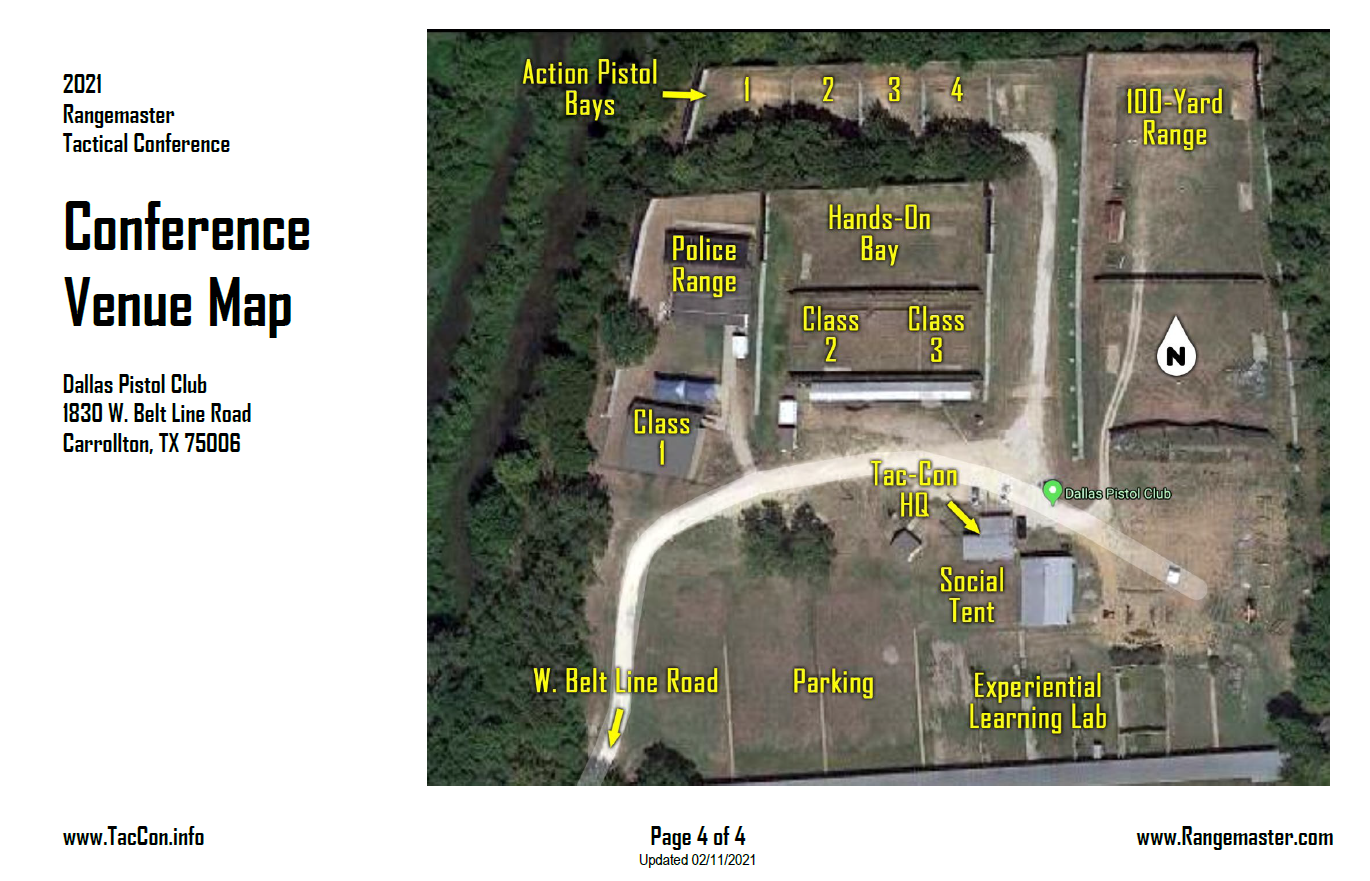
Serious Mistakes Gunowners Make was inspired by lessons learned in an Experiential Learning Laboratory session conducted by Craig Douglas of Shivworks at one year’s Conference. The Experiential Learning Laboratory has become a staple each year as a well-structured Force on Force exercise specifically for Armed Private Citizens.
Starting from just a few lectures at its inception, the Conference has grown to an extravaganza of educational offerings attended by hundreds of people over a period of three days. A vast number of training opportunities are made available for the prepared individual. The 2021 Conference featured 54 different blocks of instruction by dozens of different trainers. Some of the sessions repeated to allow attendees access to them because there is so much going on at the Conference.
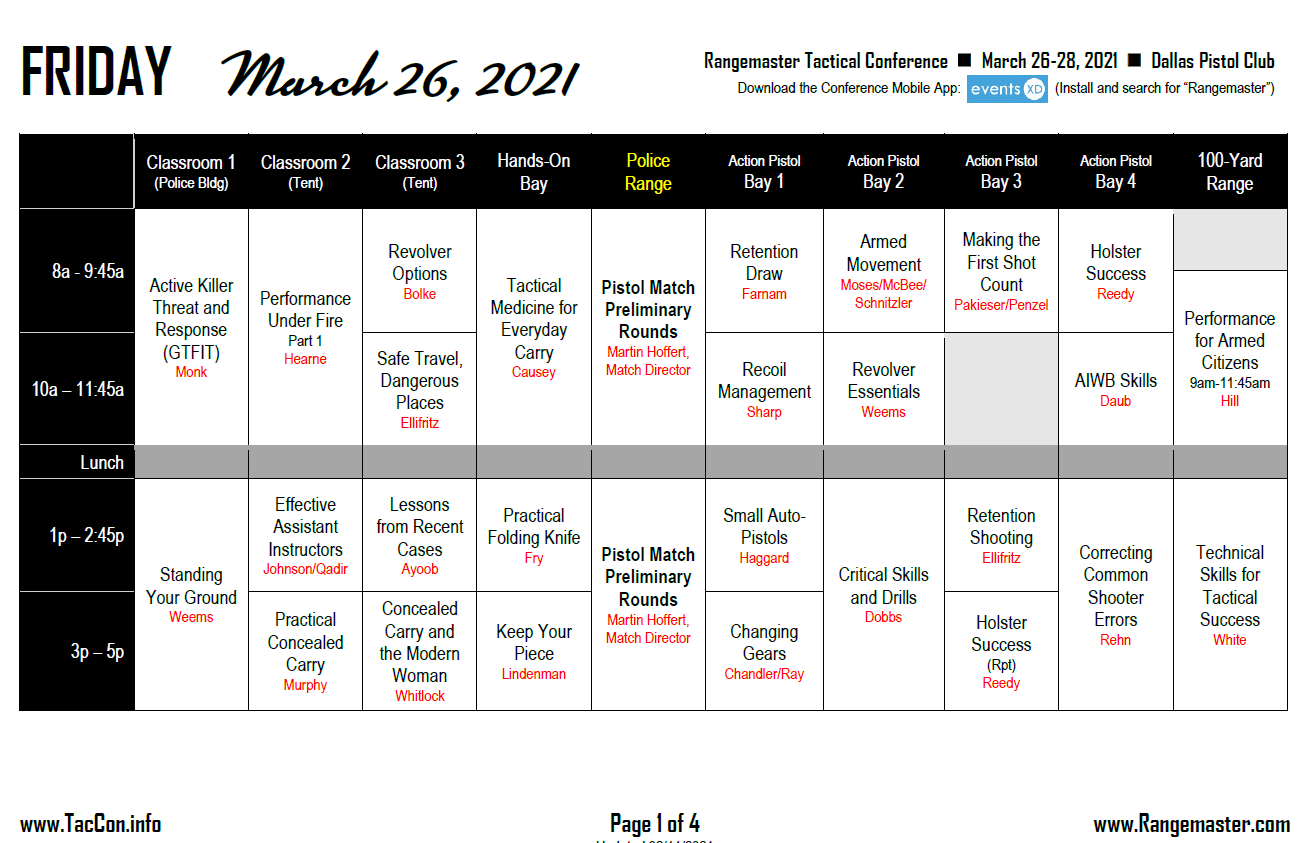
There is no other opportunity like it available for the Armed Citizen who wishes to be prepared to prevent criminal violence against themselves and their families. The Conference is held in late March each year. The 2022 Conference will be held at the Dallas Pistol Club in Dallas, Texas. Registration opens in May and sells out by October every year.
Avoiding Errors
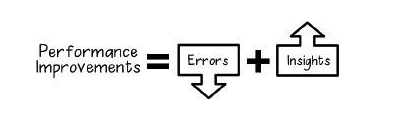
Dr. Gary Klein, one of the world’s foremost authorities on decision-making, created the above model about performance improvement. Since much of my work is helping clients develop physical skills, I add ‘Knowledge and Ability’ to ‘Insights.’ Not enough effort is placed on ‘Avoiding Errors’ in our training despite the fact that Self-defense and Personal Protection are riddled with minefields we have to navigate.
Serious Mistakes Gunowners Make is all about avoiding errors. To gain different perspectives about the topic, I posed a question to several of my colleagues at the 2021 Tactical Conference. “What single piece of advice would you give to new and inexperienced gunowners about ‘avoiding errors’? ” The condition I imposed on their answer was that it couldn’t be a platitude such as ‘Get some/more training’ but had to be something that a gunowner could actually understand and do.
A fight avoided is better than a fight won.
Don’t think you’re better than you are. If you have no metric to measure your performance, you don’t know what you can or can’t do.
Kevin Creighton related his takeaway from John Murphy’s class:
When in doubt, don’t shoot.
Dr. Klein’s little model has stimulated my thinking a great deal lately, so I’m going to be pursuing this line of inquiry more in the near future.
One of my colleagues who has retired from two different POlice agencies made the following comment when he finished reading Real Shootouts of the LAPD.
It’s interesting how even highly trained cops screw up when they get out of their familiar environment.
Thinking ahead about how to Avoid Errors is an important part of our defensive skillset.
Dry Practice on the Road
#safetysunday
When traveling, we can still do our dry practice. In fact, it may be more important when traveling than any other time. We’re more vulnerable and lack the underlying knowledge of our surroundings that we have during our usual activities in our home area.
Since we’re not at home, some of our usual safety protocols may not be available to us. For instance, our usual safe practice area is no longer available to us. Also, if our home practice regimen involves using a target that is generally concealed unless we are practicing, that will not be an option.
These limitations mean we have to use alternate safety protocols for our dry practice. Having an Unintentional Discharge in a motel room or in the home of a friend or relative will certainly lead to a Negative Outcome. Anyone who has run a major firearms training facility has stories of clients who had UDs in their motel rooms and the consequences. At the very least, the POlice will become involved to some extent. At worst, someone is killed and the consequences are grave. Having a UD in a friend or relative’s home may not result in POlice involvement but is unlikely to have a positive effect on the relationship.
Some of our home protocols can be modified but still used to some extent. The most important thing to remember is that safety protocols have the same importance when we are on the road as when we are at home.
In terms of the practice area, we want to choose the least dangerous direction for our practice. Depending on the nature of the building’s construction, a bullet resistant wall simply may not be available. In that case, we must choose the direction that is least likely to result in a casualty if a round is fired. A bullet hole in a door that opens out to a brick wall has less consequences than a bullet hole in a guest in an adjoining room. Consider carefully where an errant bullet might go before choosing your practice direction.
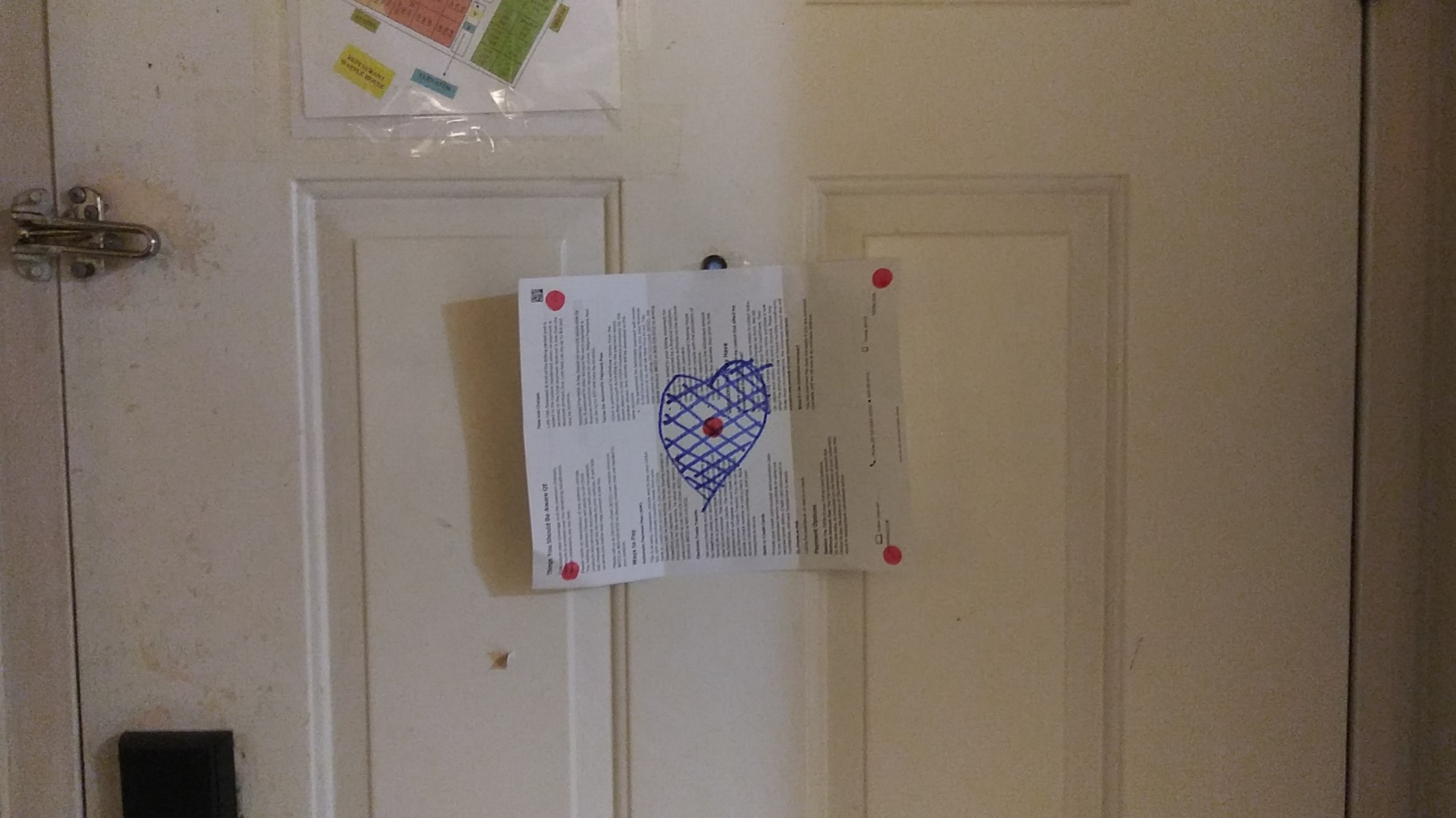
Next, use a target. A sheet of paper with a heart drawn on it is a good target for a ‘3 shots in 3 seconds at 3 yards’ Even more about Skill Development practice regimen. Putting a few small spots on it provides targets for precision aiming and trigger practice work.
A few easily carried training aids are useful for ensuring safe practice with a revolver. The first is inert ammunition. Three different types of inert ammunition are easily carried in an 18 round MTM Ammo case. The Ammo Case is itself a part of the safety protocols.
The first training aid is snap caps. Different varieties are available. If the primer pocket isn’t filled, such as with the ST-Action Pro inert ammo, you can fill the pockets in with a hot melt glue gun and trim the excess off. This will protect the firing pin or hammer nose of your revolver. Good snap caps are easily identifiable by their color. A-Zoom has recently started making their snap caps in orange, which are more identifiable when loaded in a blue steel gun than the darker A-Zoom offering. The spring loaded primer type of snap caps have a limited service life and are not recommended for serious practice.
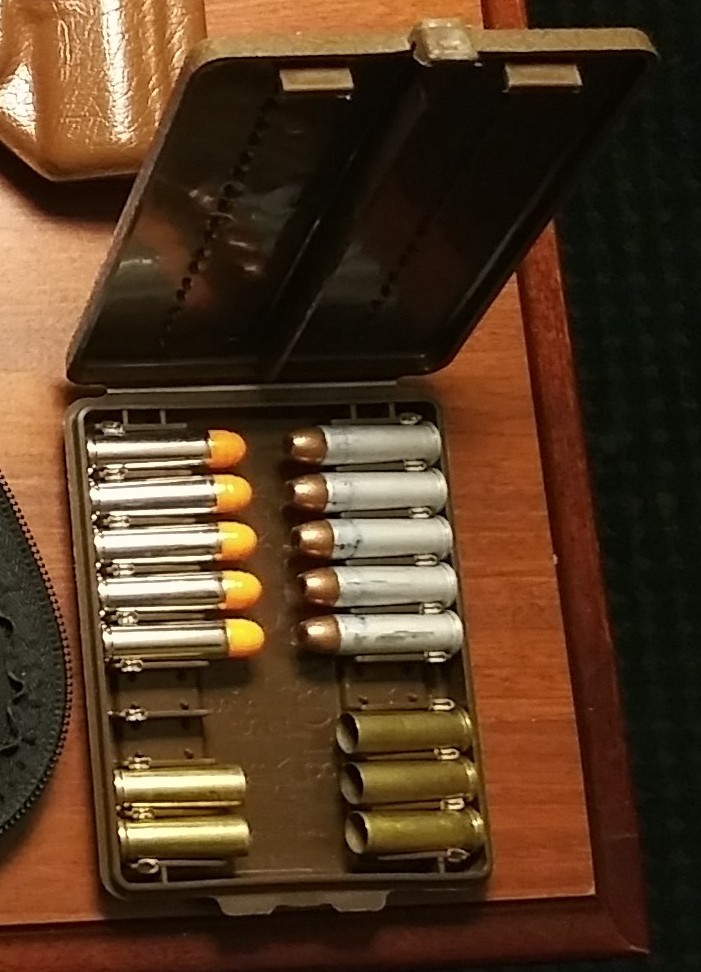
After unloading the revolver, replace the live ammunition with snap caps. Since two objects cannot fit in the same place at the same time, this precludes leaving one live round in the cylinder, which is not an unknown occurrence, as gunowners sometimes discover. After the snap caps have been loaded into the revolver, put the live ammunition in the Ammo Case and count the number of rounds. If the rounds you place in the case are less in number than the capacity of your revolver, the FBI calls that ‘a clue.’
A second training aid is full weight dummies for reloading practice. Snap caps are a good safety aid and for protecting the revolver, however, they usually lack the weight necessary for effective reloading practice. Dummy ammo should be easily identifiable, which is often a problem with homemade dummies. The dummies in the picture were made from Blazer Aluminum cases scrounged from a local indoor range. The bullet noses and cartridge base are colored blue with a Magic Marker for additional visual identification.
The third training aid is fired cases. Reload practice with revolvers should always include getting the empty cases out in addition to reloading with fresh ammo/dummies. A new speedloader manufacturer that was displaying at the SHOT Show years ago failed to consider this in their demonstration. When asked how the empty cases were to be ejected while holding the revolver in one hand and the speedloader in the other, a blank stare was the only answer.
A pistol case is another training aid for practice on the road. The pistol case is for placing the pistol in after the practice session has been finished and the gun reloaded.
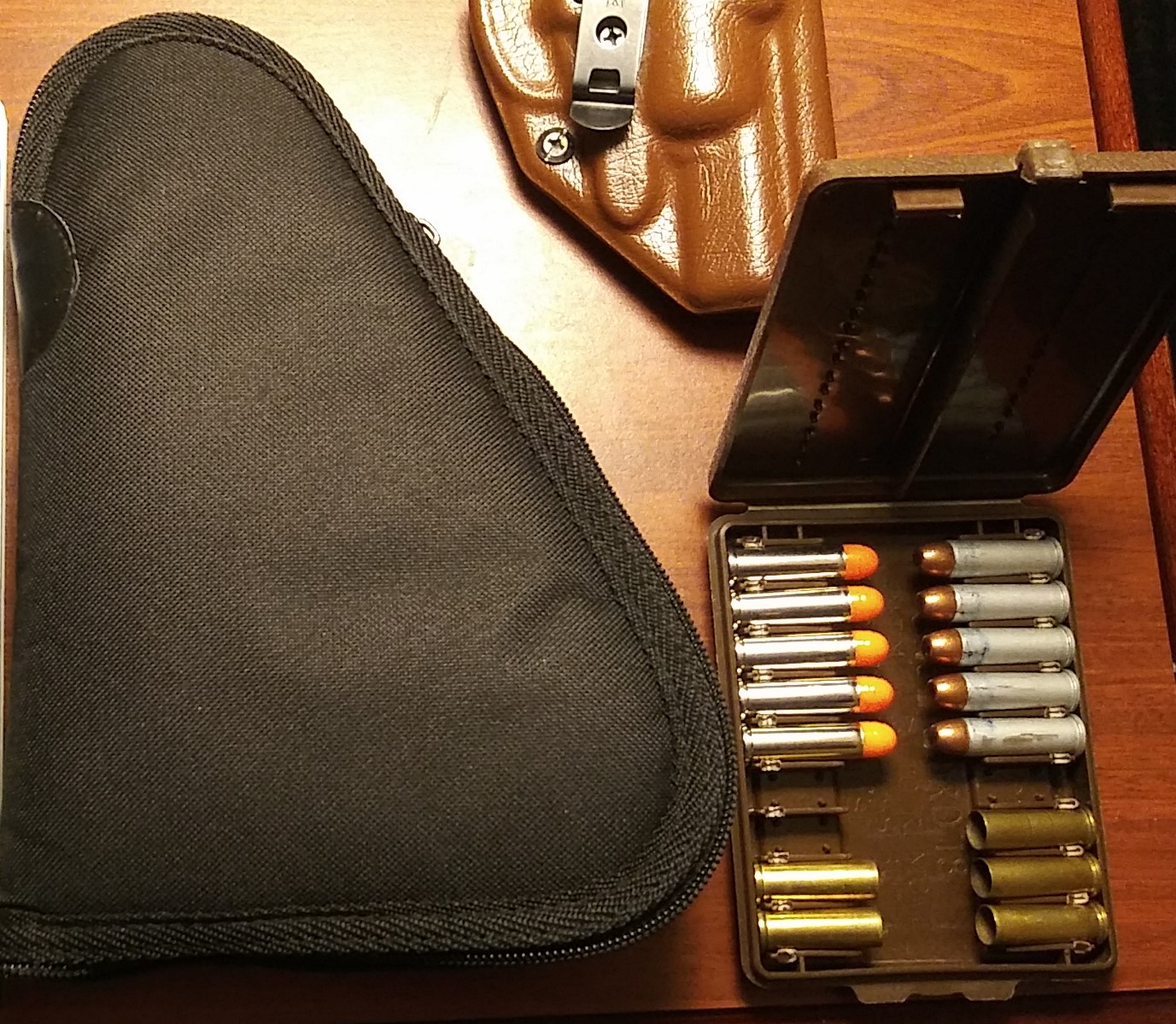
The sequence for finishing the session is:
- Declare out loud “This session is finished.”
- Take the target down.
- Remove whatever snap caps/dummies/fired cases are in the gun.
- Set the gun down completely empty.
- Again, declare out loud “This session is finished.”
- Load the pistol with live ammunition.
- Place the loaded pistol in the pistol case. The case does not have to be complete zipped but should be at least partially. This is a visual and situational indicator that the gun is loaded and not available for practice.
- Do something else to remove dry practice from your thoughts.
Reading something dry and difficult is a good way to remove dry practice from your thoughts.
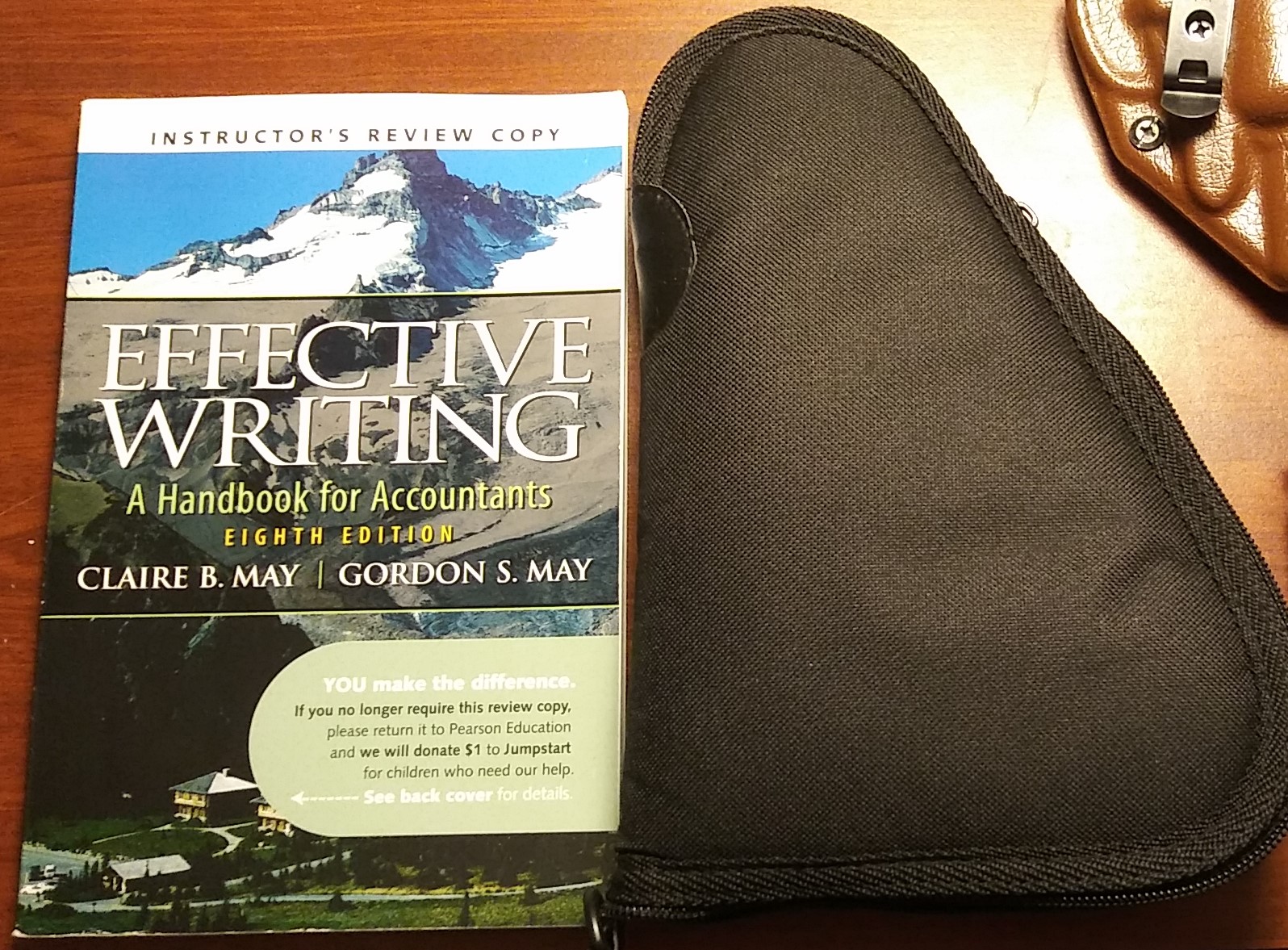
Keeping an awareness of safety in mind allows us to maintain our proficiency on the road without menacing innocent people around us.
The circumstances of Unintentional Discharges at home are covered as the third Section of Real Shootouts of the LAPD. Off-duty Officer Involved Shootings and Officer Involved Animal Shootings are the first two. If you would like to purchase the book, click on the cover below.
CCWSafe Podcast – Serious Mistakes Gunowners Make
The podcast I did with Shawn Vincent, Don West, and Steve Moses of CCWSafe https://ccwsafe.com/ is now available. Here’s the link to the podcast and a transcript. https://ccwsafe.com/blog/34358
For those who have a hard time listening to podcasts, like me, Shawn has provided an excellent transcript that makes the topic very easy to follow.
This is the perspective about the subject that makes it relevant to anyone who owns a gun.
I want to emphasize the fact that they’re actually very rare. There’s 80 million gun owners, and over the past six years I’ve gathered about 2,000 incidents of these Negative Outcomes that occurred. So, actually driving a car is a lot more dangerous, or more likely to cause casualties. But, as my late colleague William April said, ‘It’s not the odds, it’s the stakes.’ Because the nature of the kind of incidents that I describe in the book, in many cases, permanently changes someone’s life. [Almost never for the better.]
To purchase the PDF ebook Click on the cover
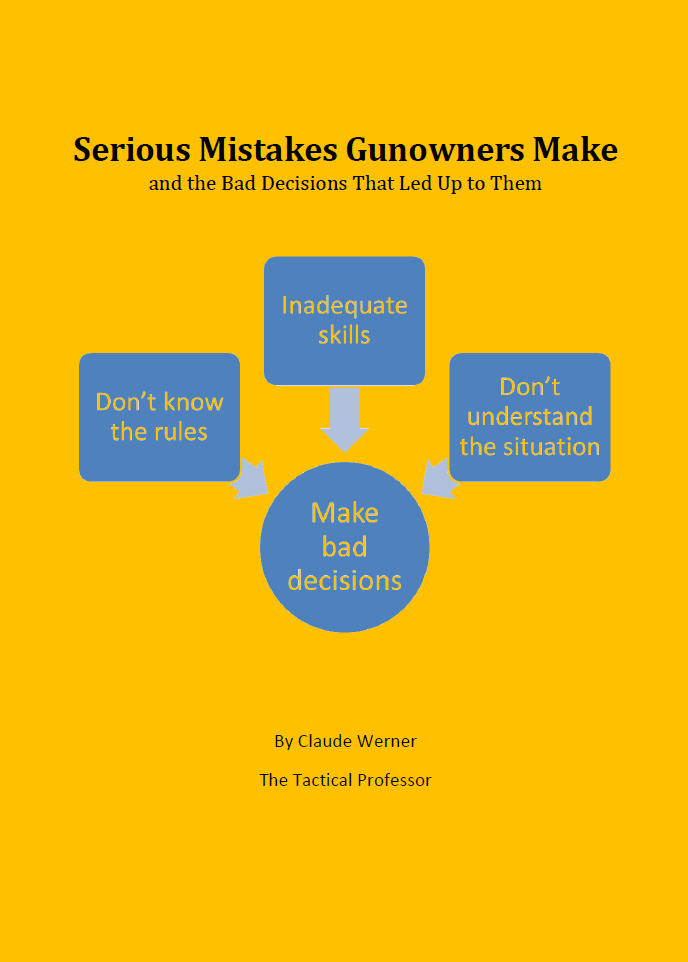
A PDF can easily be uploaded to a Kindle. The instructions are here.
https://tacticalprofessor.wordpress.com/2019/09/02/serious-mistakes-gunowners-make-the-book/
 tacticalprofessor
You must be logged in to post a comment.